Roofie — Explained by Medical Evidence, Not Myths

“Roofie” is not one specific drug; it is a non-medical term for substances used to sedate or disorient someone. Possible signs include sudden drowsiness, confusion, poor coordination, memory gaps, and feeling more intoxicated than expected.
Key Takeaways
- “Roofie” is not one specific drug; it is a non-medical term for substances used to sedate or disorient someone.
- Possible signs include sudden drowsiness, confusion, poor coordination, memory gaps, and feeling more intoxicated than expected.
- Alcohol and other sedating drugs can greatly increase the effects and risks.
- If roofie exposure is suspected, urgent medical evaluation is important, especially for breathing problems, loss of consciousness, or possible assault.
- Early testing may help detect some substances, but many leave the body quickly.
- Preserving safety, seeking support, and getting medical care are more important than trying to confirm the exact drug alone.
A roofie is a slang term for a drug used to impair alertness, judgment, movement, or memory, often without a person’s knowledge. Medical care can help identify urgent complications, support safety, and document concerns if drink spiking or assault is suspected.
What a Roofie Is
A roofie is a slang term, not a formal medical diagnosis. It usually refers to a drug given to a person without their knowledge to cause sedation, confusion, impaired judgment, poor coordination, or memory loss. These substances may be mixed into a drink, combined with alcohol, or used in other ways to make someone more vulnerable.
People often use the word “roofie” to mean one specific substance, but medically it is broader than that. A range of sedating drugs can be involved, including benzodiazepines, gamma-hydroxybutyrate (GHB), related compounds, and sometimes other medications or illicit substances. The effects depend on the drug, the amount taken, whether alcohol was involved, and the person’s size, age, health, and tolerance.
Because the term is informal, the most useful medical question is not “Was it a roofie?” but “Could this person have been exposed to a substance causing unexpected sedation or amnesia?” That approach helps clinicians focus on symptoms, immediate safety, and the right tests and treatment.
How Roofie Exposure May Feel
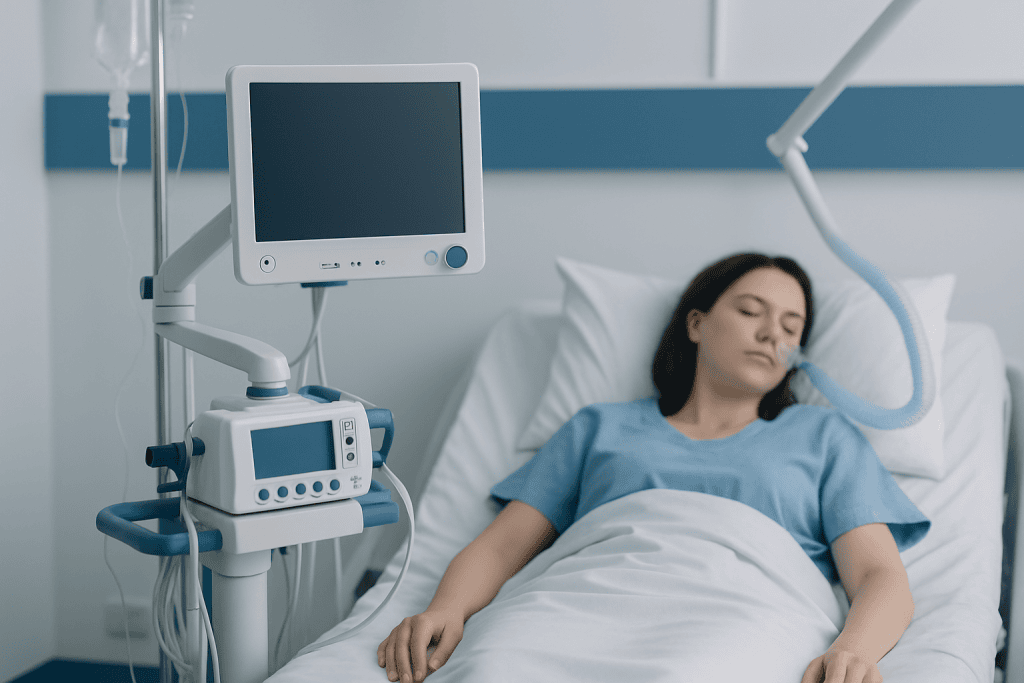
Symptoms can begin quickly or build over a few hours, depending on the substance. A person may feel far more intoxicated than expected from the amount of alcohol they drank, or they may have symptoms despite not drinking much at all. Some people describe the change as sudden and unusual, with a strong sense that something is not right.
Possible symptoms include:
- Sudden drowsiness or heavy fatigue
- Confusion, slowed thinking, or disorientation
- Dizziness or trouble standing and walking
- Slurred speech
- Blurred vision
- Nausea or vomiting
- Loss of coordination
- Blackouts or memory gaps
- Unexpected calmness, passivity, or reduced ability to respond
- In more severe cases, slowed breathing, fainting, or loss of consciousness
Not every episode of feeling unwell after a drink means a person was drugged. Alcohol alone, dehydration, low blood sugar, panic, and other medical problems can cause overlapping symptoms. Even so, sudden sedation, confusion, or memory loss should be taken seriously, especially if the effects seem out of proportion to what was consumed.
Which Drugs May Be Involved

Several substances have been associated with drink spiking and drug-facilitated assault. Benzodiazepines such as flunitrazepam, alprazolam, or other sedatives can cause sleepiness, poor coordination, and memory problems. GHB and related compounds can also cause rapid sedation, confusion, vomiting, and blackouts, particularly when mixed with alcohol.
Other drugs may be involved as well, including sleep medications, antihistamines with sedating effects, some opioids, ketamine, or stimulant drugs used in misleading or unpredictable ways. Sometimes there is no single “date rape drug”; instead, a person may have been given extra alcohol or a combination of substances. The combination can be more dangerous than one drug alone.
Clinically, this matters because different substances have different detection windows and risks. Some can leave the bloodstream or urine relatively quickly, which means a negative test does not always rule out exposure. Doctors may also consider other causes of altered mental status, such as stroke, head injury, severe infection, or other urgent conditions that can look similar.
Why Alcohol Makes the Risk Worse
Alcohol is one of the most important factors in roofie-related harm. It can intensify drowsiness, suppress breathing, worsen vomiting, and increase the chance of falls, injuries, or loss of consciousness. It can also make it harder to tell whether symptoms are from alcohol alone or from another drug added without consent.
When alcohol is combined with sedatives, the effects are not simply additive; they may be unexpectedly strong. A person may become unable to protect their airway, answer questions clearly, contact help, or remember what happened. This is one reason sudden or unusual intoxication deserves prompt attention.
Alcohol can also interfere with memory formation. If another drug was involved, memory loss may be even more pronounced. That does not mean a person is unreliable or “imagining” what happened. From a medical and forensic perspective, fragmented memory can be a recognized effect of intoxication, sedation, trauma, or a combination of all three.
What to Do Right Away
If someone suspects they have been roofied, the first priority is safety. They should move to a safe place, stay with a trusted person, and avoid being left alone. If possible, they should stop drinking immediately and avoid taking other substances, including recreational drugs or medications that may increase sedation unless directed by a clinician.
If the person is very sleepy, vomiting repeatedly, having trouble breathing, collapses, has a seizure, cannot be awakened, or seems seriously confused, emergency medical care is needed right away. While waiting for help, they should be placed on their side if they are lying down and should not be given more alcohol or food if they are not fully alert.
If it feels safe, it may help to preserve possible evidence. This can include keeping the drink container, noting the timeline, saving messages, and avoiding showering, changing clothes, or brushing teeth until medical or forensic guidance is available. These steps are optional and should never delay urgent care. If needed, hospital teams may coordinate check-up and screening and referral for urgent support services.
How Doctors Evaluate a Suspected Roofie
Medical evaluation focuses first on breathing, heart rate, blood pressure, consciousness, hydration, and injuries. Doctors ask about symptoms, alcohol intake, medications, and when the person last felt well. Because many symptoms overlap with other emergencies, clinicians may test for low blood sugar, electrolyte problems, head trauma, infection, or neurological conditions. In some situations, doctors may also consider neurological assessment and rehabilitation support later if there has been injury or prolonged impaired consciousness.
Toxicology testing can sometimes identify alcohol, sedatives, or other drugs, but the timing matters. Some substances are detectable only for a short period, and standard drug screens do not capture every possible drug. A normal or negative result does not always mean no exposure occurred. This is an important point for patients who are seeking answers after a frightening event.
If there is concern about sexual assault, hospitals may offer time-sensitive forensic examination, pregnancy prevention, sexually transmitted infection testing, and psychological support. Care should be trauma-informed and patient-centered. In complex situations involving memory changes or confusion after possible exposure, clinicians may also assess for conditions such as seizures or epilepsy if the symptoms suggest another neurological cause.
Treatment, Recovery, and Emotional Support
There is no single treatment for every roofie exposure because the substances can differ. Supportive care is the main approach. This may include oxygen, intravenous fluids, monitoring, treatment for nausea, and observation until the person is more alert and medically stable. If there are injuries, they are treated as needed. In severe cases, airway support and emergency interventions may be required.
Recovery time varies. Some people improve within hours, while others may feel tired, foggy, emotionally distressed, or physically sore for longer. If there has been trauma, assault, or an unexplained gap in memory, emotional care is just as important as physical treatment. Follow-up with a primary care doctor, mental health professional, or sexual assault support service can help address lingering symptoms and practical concerns.
At the end of acute care, some people need broader health follow-up, especially if there are complications such as injuries, severe anxiety, sleep problems, or persistent confusion. Near the end of the care pathway, Acibadem International’s multidisciplinary specialists in JCI-accredited hospitals may help international patients with diagnosis, follow-up, and coordinated treatment when needed.
Reducing Risk and When to Seek Medical Care
No prevention step can make a person responsible for someone else’s harmful actions, but some practical measures may reduce risk. It can help to keep drinks in sight, avoid sharing drinks, be cautious with open containers, and stay connected with trusted friends when going out. If someone suddenly seems much more intoxicated than expected, it is wise to take that seriously and seek help early.
Medical care should be sought urgently if there is loss of consciousness, slowed or difficult breathing, repeated vomiting, chest pain, seizure, head injury, severe agitation, weakness on one side, inability to walk, or persistent confusion. Prompt care is also important if there may have been sexual assault, if the person cannot remember events, or if they feel unsafe returning home.
Even if symptoms have started to improve, medical evaluation can still be helpful for documentation, pregnancy and infection prevention after possible assault, and support planning. A doctor can also help rule out other causes of sudden altered mental status and advise on the need for monitoring, follow-up tests, or further treatment.
Frequently asked questions
Is a roofie always Rohypnol?
No. “Roofie” is an informal term that may refer to several substances used to cause sedation, confusion, or memory loss. Rohypnol is one well-known example, but other drugs such as GHB, benzodiazepines, or mixed substances may also be involved.
How long do roofie symptoms last?
The duration depends on the substance, the dose, whether alcohol was used, and the person’s health and body size. Some effects improve within a few hours, while fatigue, fogginess, or memory gaps may last longer. Ongoing confusion or breathing problems need urgent medical care.
Can a hospital test for a roofie?
Sometimes, yes, but testing has limits. Many substances are only detectable for a short time, and standard toxicology panels do not include every possible drug. A negative test does not always rule out exposure, which is why symptoms and timing remain very important.
What should someone do if they think their drink was spiked?
They should get to a safe place, stay with a trusted person, and seek urgent medical help if symptoms are significant. If possible, they should keep the drink container and note what happened, but preserving evidence should never delay emergency care.
Can roofie exposure cause memory loss?
Yes. Some of the drugs associated with drink spiking can interfere with the formation of new memories, especially when combined with alcohol. A person may remember parts of the event, have patchy recall, or have no memory of a period of time.
Does feeling very drunk always mean someone was roofied?
No. Alcohol alone, dehydration, low blood sugar, panic, and other medical problems can also cause dizziness, confusion, or vomiting. However, if symptoms are sudden, unusual, or much stronger than expected, medical assessment is appropriate.
This article is for general information only and is not a substitute for professional medical advice. Please consult a qualified doctor about your individual situation.
Explore treatments in Turkey — costs, top hospitals & a free quote
JCI-accredited · board-certified surgeons · reply within 24h
Add us as a Preferred Source to see more of our trusted health content across Google Search, AI Overviews and Discover.

More from the Health Library

Allergic Reaction on Face — Explained by Medical Evidence, Not Myths

Best Time to Take Blood Pressure — Explained by Medical Evidence, Not Myths
Dental Xrays: An Evidence-Based Guide for Patients

Description of Borderline Personality — Explained by Medical Evidence, Not Myths
Catathrenia: A Complete Medical Overview