Roseola Virus Treatment: How It Works, Results and What to Expect

Roseola is a common childhood viral illness, usually caused by human herpesvirus 6 or 7. There is no routine antiviral treatment for uncomplicated roseola; care focuses on fever comfort and hydration.
Key Takeaways
- Roseola is a common childhood viral illness, usually caused by human herpesvirus 6 or 7.
- There is no routine antiviral treatment for uncomplicated roseola; care focuses on fever comfort and hydration.
- The classic rash often appears after the fever has settled and usually fades within a few days.
- A high fever can occasionally trigger a febrile seizure, which needs urgent medical assessment.
- Children are generally most contagious before the rash appears, especially during the fever phase.
Roseola virus treatment is usually supportive: helping a child rest, drink fluids and stay comfortable during fever while the infection resolves naturally. Most children recover fully, but prompt medical assessment is important for infants, seizures, dehydration or concerning symptoms.
Roseola virus treatment: how it works and what to expect
Roseola virus treatment does not usually involve a procedure, antibiotic or routine antiviral medicine. In otherwise healthy children, the body’s immune system clears the infection on its own. Care is aimed at easing fever-related discomfort, supporting fluid intake and watching for symptoms that may need medical attention.
Roseola, sometimes called sixth disease or roseola infantum, is most often caused by human herpesvirus 6 (HHV-6), and less commonly human herpesvirus 7 (HHV-7). It occurs mainly in babies and young children, particularly between 6 months and 2 years of age. A typical illness begins with a sudden high fever that lasts several days, followed by a pink rash as the fever improves.
Most children improve without lasting problems. A clinician may recommend an assessment when symptoms are severe, the diagnosis is uncertain, the child is very young, or there are signs of dehydration, breathing difficulty, unusual sleepiness or seizure activity.
How supportive treatment works
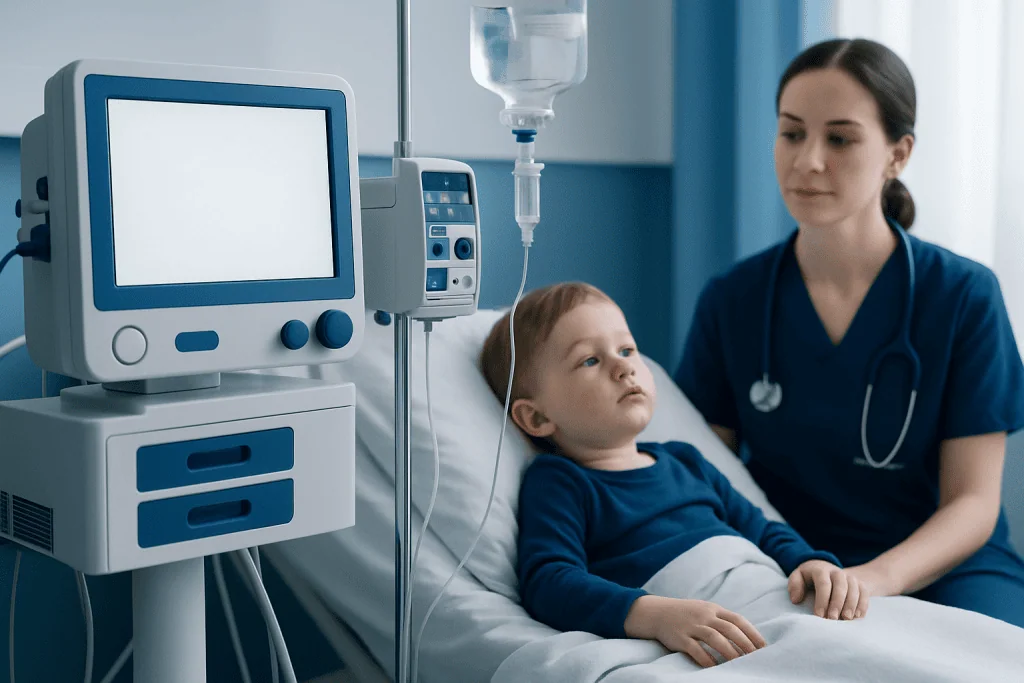
Supportive care helps the child remain comfortable while the immune response controls the virus. Fever itself is part of the body’s response to infection, but it can make a child tired, irritable and less interested in drinking. The practical priorities are rest, fluids and age-appropriate fever relief when a healthcare professional advises it.
Parents and caregivers can offer frequent breastfeeds, formula feeds, water for children old enough to drink it, or other suitable fluids recommended by a clinician. Light clothing and a comfortably cool room may help. Tepid baths, ice baths or alcohol rubs are not recommended because they can cause discomfort or other problems.
Antibiotics do not treat roseola because it is caused by a virus, not bacteria. Antiviral treatment is generally not needed for healthy children with uncomplicated roseola. A doctor may consider a different approach for a child with significant immune suppression or a serious complication, but this is uncommon and requires specialist care.
Caregivers should not give aspirin to children or teenagers with viral illnesses because of the risk of Reye syndrome. Any medicine for fever or pain should be selected and used according to a clinician’s guidance and the product instructions for the child’s age and weight.
Who needs assessment and what happens at the appointment

Most children with a familiar, mild pattern of roseola can be managed at home after advice from their pediatrician. However, babies younger than 3 months with a fever need urgent medical evaluation, as fever at this age can have causes that require prompt testing and treatment. Children with chronic medical conditions, immune-system problems or a history of complex seizures may also need a lower threshold for review.
There is no standard procedure for roseola treatment. At an appointment, a clinician asks about the timing of the fever, rash, drinking, urination, behavior, medications and exposure to illness. They examine the child for signs of dehydration and look at the skin, ears, throat, breathing and abdomen.
Roseola is often diagnosed clinically from its pattern: several days of fever followed by a rash as the temperature returns to normal. Blood tests, urine tests or other investigations are not routinely necessary, but may be used when another infection is possible or the child appears significantly unwell.
Parents should share a clear timeline, including the highest measured temperature, how it was taken, when the rash began and whether the child has had any seizure-like episode. This information can help distinguish roseola from other causes of fever and rash.
The usual timeline: fever, rash and recovery
After exposure, roseola may develop after an incubation period of roughly one to two weeks. The illness often starts abruptly with fever, which may be high and commonly lasts about three to five days. Some children also have mild cold-like symptoms, swollen glands, reduced appetite, irritability or loose stools.
When the fever resolves, a pink or rose-colored rash may appear, often beginning on the trunk before spreading to the neck, arms or legs. The spots are usually flat or slightly raised and are often not very itchy. The rash can be reassuring in the classic pattern because it frequently signals that the fever phase has passed.
The rash usually fades within hours to a few days, and energy and appetite gradually return. Recovery is often quick, though a child may remain tired or clingy for a short period. Continued fluids, rest and observation are usually all that is needed.
The main potential complication is a febrile seizure triggered by a rapid rise in temperature. Although these seizures are frightening to witness, most are brief and do not cause long-term harm. Still, any first seizure, seizure lasting more than a few minutes, repeated seizure, breathing change or slow recovery needs emergency medical attention.
Benefits, limits and possible risks of treatment
The benefit of supportive roseola virus treatment is that it addresses the symptoms most likely to affect a child’s wellbeing while avoiding medicines that cannot shorten an uncomplicated viral illness. Maintaining hydration can reduce the risk of dehydration, and appropriate comfort measures can help a child rest more easily.
It is important to understand the limits of treatment. Fever-reducing medicine may improve comfort but does not reliably prevent febrile seizures, and it does not eliminate the underlying virus immediately. A child should be monitored based on their overall condition rather than temperature alone: alertness, drinking, urination, breathing and ability to be consoled are all useful indicators.
Potential risks arise mainly from missed alternative diagnoses, dehydration, or inappropriate medication use. A new rash with fever can sometimes be caused by other viral infections, bacterial infections, medication reactions or inflammatory conditions. Professional assessment is particularly important if the rash is purple, bruise-like, blistering, painful, associated with a stiff neck, or accompanied by a child who looks very unwell.
For international patients who need evaluation, Acibadem International’s multidisciplinary specialists and JCI-accredited hospitals can assess fever and rash illnesses in children and coordinate appropriate pediatric care.
What gets mistaken for roseola?
Several illnesses can resemble roseola because fever and rash are common in childhood. Measles, rubella, enterovirus infections, scarlet fever, hand-foot-and-mouth disease, chickenpox, COVID-19 and other viral illnesses may cause rashes with different patterns. Drug reactions, hives and some inflammatory disorders can also be confused with a viral rash.
The sequence of symptoms is one useful clue. In classic roseola, high fever typically comes first, then falls before or as the rash appears. In some other infections, the rash begins while fever is continuing or is associated with distinctive symptoms such as cough, red eyes, sore throat, mouth sores, blisters or a rough “sandpaper” texture.
A clinician should assess a child when the pattern is not clear. Medical review is especially important if there has been travel, known exposure to measles, incomplete routine immunizations, a new medication, or a rash that does not blanch when gently pressed.
How contagious is roseola?
Roseola spreads through respiratory secretions and saliva, including droplets released by coughing, sneezing or close contact. People can carry and spread the virus before they develop obvious symptoms, which is one reason roseola is common and can be difficult to prevent completely.
A child is generally thought to be most contagious during the fever phase, before the characteristic rash appears. Once the fever has been gone and the child otherwise feels well enough to take part in normal activities, the risk of spread is lower. Good handwashing, covering coughs and sneezes, and avoiding sharing cups or utensils can reduce transmission.
Roseola is usually mild in healthy children, but it may be more concerning for people with severely weakened immune systems. Families should seek personalized advice if a household member has immune suppression, is receiving cancer treatment or has another condition affecting infection risk.
Can my kid go to daycare with roseola rash?
In many settings, a child may return to daycare after they have been fever-free for at least 24 hours without fever-reducing medicine and are well enough to participate comfortably. The rash alone often does not require exclusion when the child is otherwise recovering, but daycare policies and local public-health guidance should always be followed.
Because roseola is most contagious before the rash develops, keeping a child home during fever is especially important. Caregivers should tell the daycare about the illness so staff can observe for fever or symptoms in other children and apply the facility’s infection-control procedures.
If the diagnosis is uncertain, the rash is worsening, or the child remains unusually sleepy, irritable, dehydrated or unwell, they should stay home and be assessed by a healthcare professional. A doctor can provide guidance when a written return-to-daycare note is needed.
What are the long-term effects of roseola?
For the great majority of healthy children, roseola has no long-term effects. The fever and rash resolve, and children return to their usual development, activity and health. The viruses that cause roseola can remain inactive in the body after infection, as happens with other herpesviruses, but this does not usually cause future health problems.
Febrile seizures can occur during the fever phase in some children. While a seizure always merits medical attention, simple febrile seizures are usually not linked to brain injury, learning problems or epilepsy. A child’s clinician can explain follow-up needs based on the seizure’s duration, features and the child’s medical history.
Rarely, HHV-6 can cause more serious illness in people with major immune-system suppression, such as some transplant recipients. This is different from the routine childhood form of roseola and requires individualized specialist management.
When to seek medical care
Urgent medical care is needed for a baby younger than 3 months with any fever, or for a child with trouble breathing, blue or gray lips, severe weakness, confusion, a stiff neck, persistent vomiting, severe headache, signs of dehydration or a rash that is purple or does not fade under pressure. Signs of dehydration can include very few wet diapers or urination, no tears when crying, a dry mouth, or marked drowsiness.
Call emergency services if a child has a seizure for the first time, a seizure lasting more than five minutes, repeated seizures, difficulty breathing during a seizure, or does not return toward their usual awareness afterward. During a seizure, place the child on their side on a safe surface, remove nearby hazards, do not place anything in their mouth, and time the episode.
A non-urgent appointment is appropriate when fever lasts longer than expected, the child has ongoing discomfort, the rash is atypical, or a caregiver is unsure whether roseola is the cause. When in doubt, discussing symptoms with a qualified pediatric clinician is the safest next step.
Frequently asked questions
Is there a cure for roseola?
There is no specific cure needed for most cases of roseola. The infection usually resolves on its own, and treatment focuses on fluids, rest and helping the child feel more comfortable during fever. A clinician may need to investigate if symptoms are severe or do not follow the usual pattern.
How long does roseola last?
The fever commonly lasts around three to five days. The rash often appears as the fever ends and usually fades within a few days. Many children begin to seem noticeably better once the rash appears.
Does the roseola rash itch?
The classic roseola rash is often not itchy or only mildly itchy. It is typically made up of small pink spots or patches, beginning on the trunk. A very itchy, painful, blistering or rapidly changing rash should be assessed because it may have another cause.
Can adults get roseola?
Most adults have already been exposed to the viruses that cause roseola during childhood and have some immunity. New infection in adulthood is less common and may be mild or go unnoticed. People with a weakened immune system should discuss fever or rash symptoms with a doctor.
Can roseola happen more than once?
Roseola usually occurs once because infection generally leads to lasting immunity to the causative virus. However, different viruses can cause roseola-like illnesses, and many other childhood infections can produce fever and rash. A clinician can help clarify recurrent or unusual episodes.
Should a child with roseola be given antibiotics?
Antibiotics do not treat roseola because it is a viral infection. They may only be prescribed if a clinician finds a separate bacterial infection. Using antibiotics when they are not needed can cause side effects and contributes to antibiotic resistance.
References
- Centers for Disease Control and Prevention
- American Academy of Pediatrics
- NHS
- Merck Manual Consumer Version
This article is for general information only and is not a substitute for professional medical advice. Please consult a qualified doctor about your individual situation.
Explore treatments in Turkey — costs, top hospitals & a free quote
JCI-accredited · board-certified surgeons · reply within 24h
Add us as a Preferred Source to see more of our trusted health content across Google Search, AI Overviews and Discover.