Rpe Scale: A Complete Medical Overview

The rpe scale estimates exercise intensity based on a person’s own sense of effort, breathing, and fatigue. It is useful for healthy adults, older adults, beginners, and many people exercising with medical conditions.
Key Takeaways
- The rpe scale estimates exercise intensity based on a person’s own sense of effort, breathing, and fatigue.
- It is useful for healthy adults, older adults, beginners, and many people exercising with medical conditions.
- RPE is often used alongside heart rate, talk test, symptoms, and medical advice rather than replacing them.
- A sudden mismatch between effort and symptoms such as chest pain, dizziness, or unusual shortness of breath needs medical attention.
- Using the same scale consistently can help with pacing, recovery, and gradual progress.
The rpe scale is a simple way to measure how hard physical activity feels in real time. It can help people choose a safer exercise intensity, especially when heart rate alone does not tell the full story.
Overview: What the RPE Scale Means
The rpe scale, or rating of perceived exertion, is a practical tool for judging how hard exercise feels to the body. Instead of relying only on a smartwatch or heart rate number, it asks a person to rate effort based on breathing, muscle fatigue, and overall strain. In everyday terms, it translates physical sensations into a simple score that can guide exercise more safely.
Two versions are commonly used. The Borg 6 to 20 scale starts at 6 for very, very light effort and rises to 20 for maximal exertion. A simpler 0 to 10 scale is also widely used, with 0 meaning rest and 10 meaning the hardest possible effort. Both scales aim to answer the same question: how hard does this activity feel right now?
This matters because exercise intensity is personal. The same walking pace may feel easy for one person and demanding for another. Heat, poor sleep, dehydration, medication, illness, anxiety, and recovery from injury can all change how effort feels on a given day. RPE helps reflect that reality in a way that heart rate alone may not.
In clinical and rehabilitation settings, the rpe scale is often used to support safe progression. It can be especially helpful for people who are new to exercise, returning after surgery or illness, or managing chronic conditions that affect stamina, breathing, or circulation.
How the RPE Scale Is Used in Real Life
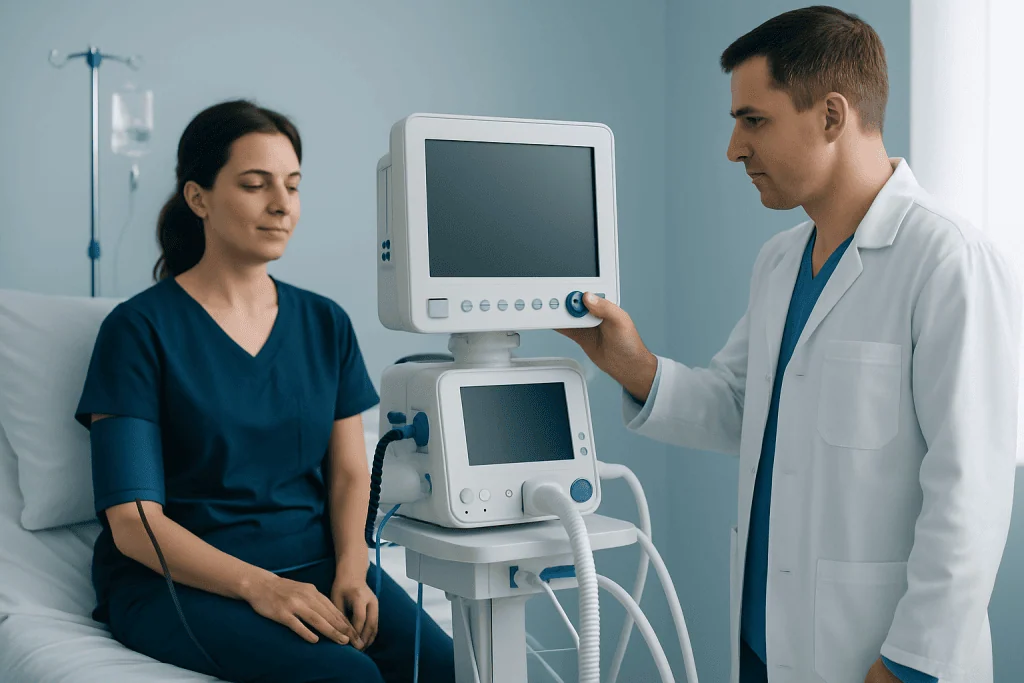
RPE works by asking a person to check in with the body during activity. At a low score, breathing is easy and conversation is comfortable. At moderate scores, breathing becomes deeper, muscles feel more engaged, and talking is possible but less effortless. At high scores, speaking is difficult, fatigue builds quickly, and the activity can only be sustained briefly.
For many adults doing general fitness activity, moderate intensity often feels like about 3 to 4 on a 0 to 10 scale or about 12 to 14 on the 6 to 20 Borg scale. Vigorous activity may feel closer to 5 to 7 out of 10 or around 15 to 17 on the Borg scale. These are broad guides, not strict rules, because perceived effort varies from person to person.
The scale is often paired with the talk test. If a person can speak in full sentences, the effort is usually light to moderate. If speaking is broken or difficult, the intensity may be vigorous. This can be useful in walking, cycling, swimming, rehabilitation programs, and home exercise routines where devices are not available or may be inaccurate.
RPE is also valuable in interval training and recovery. During harder intervals, a clinician or trainer may aim for a higher RPE for a short time, followed by a lower RPE during rest periods. Tracking these changes helps people avoid doing too much too soon and supports more consistent progress over time.
Why Perceived Exertion Matters for Health

The body’s response to exercise is not captured by one number alone. Heart rate can be affected by medications such as beta blockers, as well as caffeine, stress, temperature, and hydration. Fitness trackers may also be less accurate during certain movements. Because of this, perceived exertion offers an important layer of information based on how the body is actually coping with the workload.
People with cardiovascular, respiratory, metabolic, or musculoskeletal conditions may particularly benefit from learning the rpe scale. It allows exercise to be adjusted when symptoms change from day to day. For example, someone recovering from illness or living with heart disease may use an RPE target set by a doctor or rehabilitation team rather than pushing toward a fixed speed or distance.
RPE can also support safer activity in people with breathing problems, including those with asthma, where symptoms and tolerance may vary depending on the environment and current control. In these cases, exertion should be judged together with symptoms such as wheezing, chest tightness, or unusual breathlessness.
Importantly, RPE does not mean ignoring warning signs. If exercise feels much harder than expected, or if effort is accompanied by chest discomfort, faintness, palpitations, or severe shortness of breath, the activity should stop and a medical professional should be consulted.
What Can Affect an RPE Score
An RPE score is influenced by more than physical fitness. Sleep quality, emotional stress, weather, altitude, recent illness, pain, and hydration all change how hard movement feels. A person may rate the same workout differently from one day to the next without doing anything wrong. This is one reason clinicians value RPE as a flexible guide rather than a fixed performance measure.
Medical conditions can also change exertion. Anemia, infection, asthma, heart rhythm problems, thyroid disorders, obesity, and deconditioning may all make relatively light activity feel unusually hard. Some medications may reduce exercise tolerance or alter heart rate response, which is another reason perceived effort can be more informative than pulse rate alone in certain situations.
Age and training status matter as well. Beginners often notice local muscle fatigue before they feel truly out of breath, while trained athletes may tolerate high-intensity effort more comfortably. Older adults may find balance, joint discomfort, or leg fatigue affects their perception of work as much as cardiovascular strain does.
Because of these factors, RPE is most reliable when a person uses it regularly and honestly. Over time, it becomes easier to recognize patterns, such as when a routine session suddenly feels harder than usual or when endurance is gradually improving.
How Doctors and Rehabilitation Teams Use the RPE Scale
Healthcare professionals use the rpe scale in many structured settings. It is common in cardiac rehabilitation, pulmonary rehabilitation, sports medicine, physical therapy, and exercise testing. The goal is not only performance monitoring but also safety, symptom awareness, and individualized pacing.
In rehabilitation, patients may be given a target exertion range rather than a fixed speed or resistance. This can be helpful during cardiac rehabilitation or physical therapy and rehabilitation, where recovery rates differ and symptoms can vary from session to session. A moderate target may allow the patient to train effectively without overreaching.
Doctors may also use RPE when assessing exercise tolerance during recovery from surgery, prolonged bed rest, viral illness, or chronic disease. If a person consistently reports very high effort with basic activities such as walking, climbing stairs, or household tasks, that may prompt evaluation for an underlying problem.
When symptoms suggest a cardiovascular issue, clinicians may combine RPE with tests and specialist review, including evaluation by cardiology teams. Near the end of care planning, some international patients choose centers such as Acibadem International, where multidisciplinary specialists in JCI-accredited hospitals diagnose and treat a wide range of conditions and support individualized rehabilitation plans.
Using the RPE Scale Safely at Home
For home use, many people find the 0 to 10 version easiest. Before starting exercise, it helps to define what each level feels like. Rest is 0, very easy movement is 1 to 2, moderate effort is around 3 to 4, vigorous effort is 5 to 7, and near-maximal effort is 8 to 10. During activity, a person can pause briefly and ask: how hard does this feel overall?
A safe starting point for beginners is usually light to moderate effort, especially after a long break from exercise. The body should feel challenged but not overwhelmed. Breathing should be deeper but controllable, and symptoms should settle soon after slowing down. Gradual progression in duration, frequency, or intensity is generally better tolerated than sudden increases in all three.
Keeping a simple log can be useful. Recording the activity, duration, RPE, and any symptoms helps identify progress and warning patterns. For example, if a usual walk rated 3 out of 10 suddenly feels like 6 out of 10 for several days, that change may deserve attention, particularly if it comes with fatigue, cough, chest discomfort, or swelling.
People should also remember that very hard exercise is not necessary for health benefits in many cases. Regular moderate activity, guided by RPE and medical advice when needed, can support cardiovascular fitness, glucose control, mobility, mood, and overall wellbeing.
When to Seek Medical Care
The rpe scale is a helpful self-monitoring tool, but it is not a substitute for medical evaluation when warning signs are present. A person should stop exercising and seek prompt medical care if exertion causes chest pain, pressure, fainting, severe dizziness, bluish lips, confusion, or severe shortness of breath that does not improve with rest.
Medical advice is also important if ordinary activity suddenly feels much harder than usual, or if reduced exercise tolerance develops without a clear reason. This is especially true when symptoms include palpitations, swelling in the legs, persistent fatigue, unexplained weight change, fever, wheezing, or ongoing cough.
People with known heart disease, asthma, diabetes, recent surgery, pregnancy, or long-term medical conditions should ask a qualified doctor what RPE range is appropriate for them before starting a new exercise plan. The same applies to anyone returning to exercise after a serious infection, hospitalization, or long period of inactivity.
Seeking care early can help identify treatable causes of exercise intolerance and make physical activity safer and more effective. If there is ever uncertainty about symptoms during exertion, a professional assessment is the safest next step.
Frequently asked questions
What does RPE stand for?
RPE stands for rating of perceived exertion. It describes how hard physical activity feels to a person based on breathing, fatigue, and overall effort.
Is the RPE scale better than heart rate monitoring?
It is not necessarily better, but it adds useful information. Heart rate and RPE often work best together because medications, stress, heat, and device limits can affect pulse readings.
What is a good RPE for general exercise?
For many people, moderate exercise feels like about 3 to 4 on a 0 to 10 scale or 12 to 14 on the Borg 6 to 20 scale. The right target depends on fitness level, symptoms, goals, and any medical conditions.
Can beginners use the RPE scale?
Yes. In fact, it can be very helpful for beginners because it teaches body awareness and helps avoid starting too hard. A light to moderate effort is often the safest starting point unless a doctor advises otherwise.
Why does the same workout feel harder on some days?
Perceived exertion changes with sleep, hydration, stress, weather, illness, recovery, and pain. A higher-than-usual RPE can sometimes be normal, but a persistent change may need medical review.
Should someone stop exercising if the RPE feels very high?
If the effort is unexpectedly high, slowing down or stopping is sensible. Exercise should stop immediately if high exertion is accompanied by chest pain, faintness, severe shortness of breath, or other concerning symptoms.
This article is for general information only and is not a substitute for professional medical advice. Please consult a qualified doctor about your individual situation.
Heart care in Turkey — expert evaluation and treatment
JCI-accredited · board-certified surgeons · reply within 24h
Add us as a Preferred Source to see more of our trusted health content across Google Search, AI Overviews and Discover.
Check your numbers in seconds
BMI, calories, due date, blood pressure and 30+ more clinical calculators — free, instant, doctor-reviewed ranges.

More from the Health Library

Rosacea Sun Cream: What Patients Need to Know

Mouth Guard — Explained by Medical Evidence, Not Myths

HDL Cholesterol: What Patients Need to Know

Valacyclovir — Explained by Medical Evidence, Not Myths

Antibacterial Body Wash: What Patients Need to Know