Rubber Band Ligation: A Complete Medical Overview
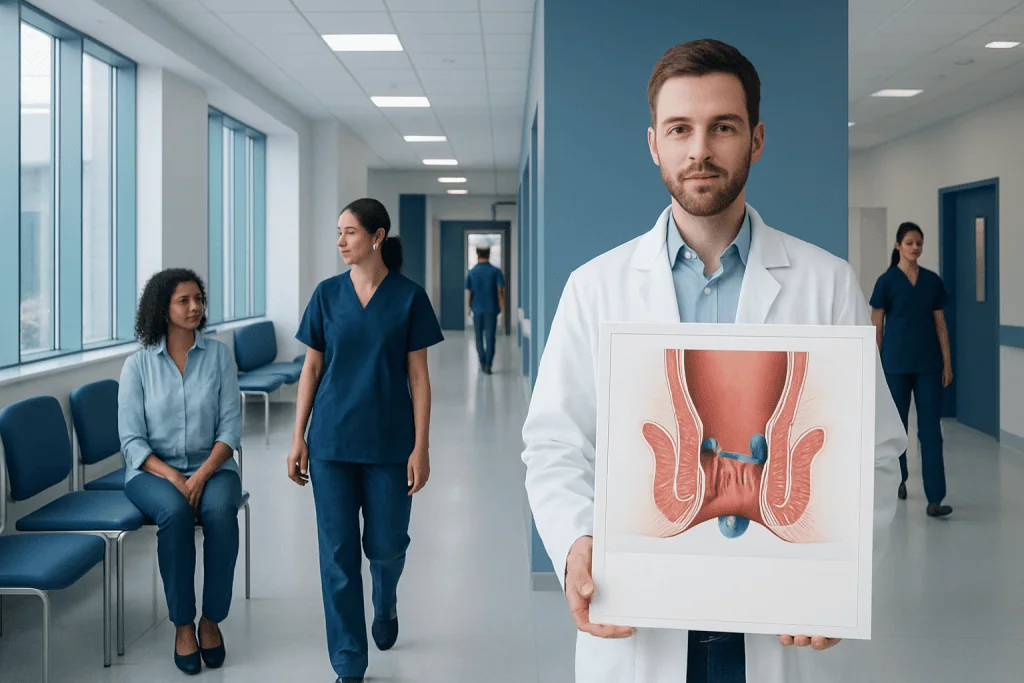
Rubber band ligation is mainly used for internal hemorrhoids, especially those that bleed or prolapse. The procedure is usually done in an outpatient setting and does not typically require general anesthesia.
Key Takeaways
- Rubber band ligation is mainly used for internal hemorrhoids, especially those that bleed or prolapse.
- The procedure is usually done in an outpatient setting and does not typically require general anesthesia.
- Mild pressure, fullness, or discomfort can occur afterward, but severe pain is not expected and should be assessed promptly.
- Dietary fiber, fluids, and bowel habit changes help support healing and reduce recurrence.
- Medical review is important if there is heavy bleeding, fever, severe pain, or symptoms that may not be caused by hemorrhoids.
Rubber band ligation is a widely used, minimally invasive treatment for internal hemorrhoids. It works by placing a tiny elastic band around the hemorrhoid, stopping its blood supply so the tissue shrinks and falls away over time.
Overview: what rubber band ligation is and how it works
Rubber band ligation is a medical procedure used to treat internal hemorrhoids. During the procedure, a clinician places a very small rubber band around the base of the hemorrhoid inside the rectum. This cuts off the blood supply to the swollen tissue, causing it to shrink, dry up, and eventually fall off, usually within several days.
This treatment is most often recommended for internal hemorrhoids that cause bleeding, prolapse, irritation, or repeated symptoms despite changes in diet and bowel habits. It is generally considered for hemorrhoids that are not responding enough to self-care but do not necessarily require surgery. Compared with more invasive operations, it is usually simpler, faster, and associated with a shorter recovery.
Rubber band ligation is different from treatment for external hemorrhoids, which occur under the skin around the anus and can be more sensitive. Because internal hemorrhoids arise higher in the anal canal, they can often be treated with banding with less discomfort than a surgical procedure. In many cases, it is performed in a clinic or outpatient setting as part of a broader plan for managing hemorrhoids.
Who may benefit from this procedure
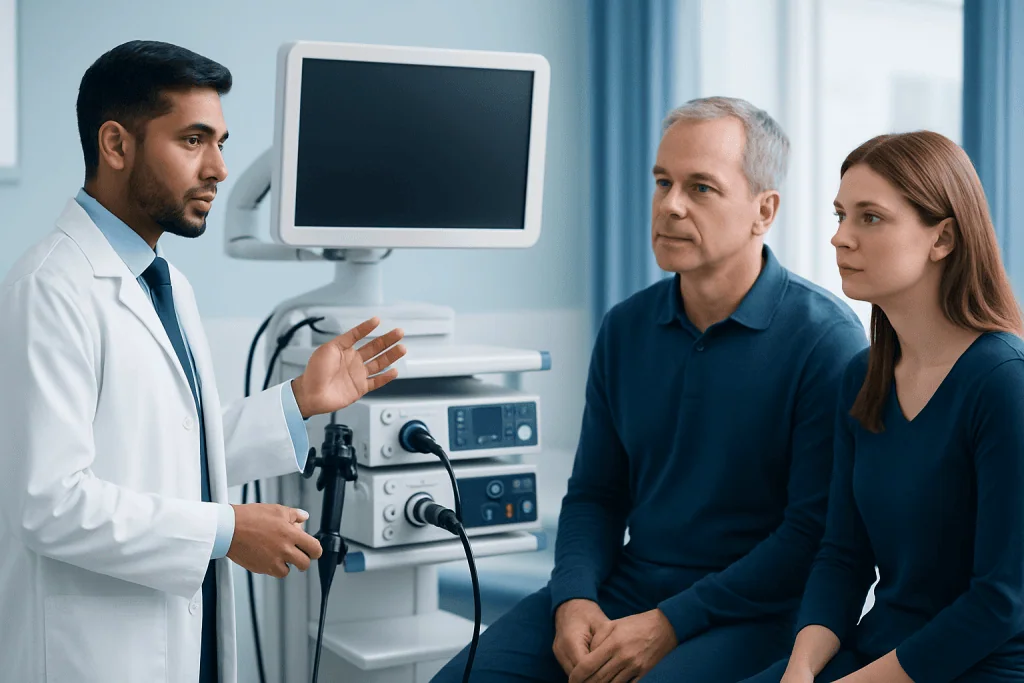
Rubber band ligation is typically used for symptomatic internal hemorrhoids, especially grade 1, grade 2, and some grade 3 hemorrhoids. These are hemorrhoids that may bleed with bowel movements, bulge from the anus during straining, or cause a feeling of incomplete emptying, moisture, or irritation. A clinician decides whether banding is appropriate based on symptoms, examination findings, and overall health.
It may be a good option for people who have continued symptoms despite trying conservative care such as increasing fiber intake, drinking more water, avoiding prolonged straining, and limiting time spent sitting on the toilet. It can also be helpful for people who want a less invasive alternative before considering hemorrhoid surgery.
Banding is not suitable for every patient. It is generally not used for most external hemorrhoids, some mixed hemorrhoids, active anorectal infection, certain inflammatory bowel conditions affecting the area, or when there is another possible cause of rectal bleeding that needs evaluation first. People taking blood thinners or those with bleeding disorders may need special planning before the procedure.
What happens before, during, and after rubber band ligation

Before the procedure, the doctor reviews the patient’s symptoms, medical history, medicines, and any past anorectal treatments. An examination is usually needed to confirm that internal hemorrhoids are truly the cause of bleeding or prolapse. In some people, additional testing may be recommended to rule out other digestive conditions, especially if there are warning signs such as unexplained weight loss, anemia, or a change in bowel habits.
During rubber band ligation, the patient is positioned for a rectal exam, and a small instrument is used to visualize the internal hemorrhoid. The doctor then places one or more tiny bands around the base of the hemorrhoid tissue. The aim is to treat the hemorrhoid above the pain-sensitive area. Most procedures are brief, and sedation is often not necessary, though practice may vary.
Afterward, many people return home the same day and resume light activities fairly quickly. A sense of pressure, fullness, mild cramping, or the urge to have a bowel movement can happen for a short time. The banded tissue usually withers and falls off on its own, often unnoticed during a bowel movement. Some patients need more than one session if several hemorrhoids are present or if symptoms persist.
A doctor may also discuss other procedural options depending on the hemorrhoid pattern and severity, such as laser hemorrhoidoplasty in selected cases. The best choice depends on symptoms, anatomy, prior treatment response, and the patient’s preferences.
Benefits, limitations, and possible risks
One of the main benefits of rubber band ligation is that it is minimally invasive and usually does not require a hospital stay. It can effectively reduce bleeding and prolapse for many people with internal hemorrhoids. Recovery is generally shorter than with conventional surgery, and the procedure can often be repeated if needed.
Even so, rubber band ligation has limitations. It treats the enlarged hemorrhoidal tissue but does not remove the factors that contributed to hemorrhoids in the first place, such as chronic constipation, straining, or long periods of sitting. For that reason, symptoms can return over time if bowel habits and lifestyle factors are not addressed. Some people with more advanced disease may eventually need another office procedure or surgery.
Common short-term effects include mild discomfort, a feeling of rectal fullness, spotting of blood, or temporary irritation. Small amounts of bleeding can happen when the tissue separates. Less commonly, stronger pain, significant bleeding, urinary difficulty, thrombosis, or infection may occur. Severe pain is not considered typical and should be assessed promptly because it may mean that the band is too close to a sensitive area or that another complication is developing.
For patients with more complex anorectal concerns, doctors may also need to distinguish hemorrhoids from other causes of anal pain or bleeding, including anal fissure. Accurate diagnosis is important because treatment differs from one condition to another.
Recovery, self-care, and reducing recurrence
Recovery after rubber band ligation is usually straightforward, but supportive self-care plays an important role. Many patients are advised to eat a high-fiber diet, drink adequate fluids, and use stool-softening strategies if recommended by their doctor. The goal is to pass stools gently and avoid straining, which helps the treated area heal and lowers the chance of future hemorrhoid symptoms.
Simple measures can make recovery more comfortable:
- Choose fiber-rich foods such as vegetables, fruit, legumes, and whole grains.
- Drink enough water unless a doctor has advised fluid restriction.
- Avoid prolonged sitting on the toilet.
- Go to the bathroom when the urge appears rather than delaying bowel movements.
- Stay physically active within comfort limits.
- Use only medicines or topical products recommended by a clinician.
It is also sensible to avoid heavy straining and to follow any procedure-specific instructions about activity, pain relief, and follow-up appointments. Some people notice a small amount of blood several days later when the tissue falls off. If symptoms continue, recur, or worsen, the treating doctor may recommend reassessment or another session.
When hemorrhoids remain troublesome despite office-based care, additional evaluation by specialists may help clarify whether a different approach is needed, such as proctology care. At Acibadem International, multidisciplinary specialists in JCI-accredited hospitals evaluate and treat anorectal conditions for international patients.
When to seek medical care
Medical care should be sought if rectal bleeding is heavy, persistent, or associated with dizziness, faintness, weakness, or black stools. Although hemorrhoids are a common cause of bright red bleeding, not every episode of rectal bleeding is caused by hemorrhoids. A doctor should evaluate symptoms carefully, particularly in older adults or anyone with new bowel changes, anemia, abdominal pain, or a family history of colorectal disease.
After rubber band ligation, prompt medical advice is important if there is severe or worsening pain, fever, chills, inability to urinate, pus-like discharge, or significant bleeding. These symptoms are uncommon, but they can signal a complication that needs attention. It is safer to ask for medical guidance early rather than wait if symptoms feel out of proportion to what was expected.
People should also arrange a routine medical review if symptoms continue after treatment, return soon afterward, or if a lump, itching, or bleeding does not clearly fit the pattern of internal hemorrhoids. Correct diagnosis helps avoid delays in identifying other digestive or anorectal conditions and supports the most appropriate treatment plan.
How doctors diagnose hemorrhoids and choose the right treatment
The decision to use rubber band ligation begins with an accurate diagnosis. Doctors ask about the pattern of bleeding, prolapse, pain, itching, bowel habits, and any medicines that increase bleeding risk. They also consider age, past colon screening, and whether symptoms suggest another cause. Internal hemorrhoids often cause painless bright red bleeding, but pain may point toward a different problem or a complication.
Examination may include inspection of the anal area and evaluation of the rectum with appropriate instruments. Depending on the person’s symptoms and age, the doctor may recommend additional testing to rule out other conditions in the lower digestive tract. This step is especially important because treatment should be directed at the true cause, not assumed based on symptoms alone.
Once hemorrhoids are confirmed, treatment is matched to severity and symptom burden. Conservative care may be enough for mild symptoms. Office procedures such as rubber band ligation are often chosen for persistent internal hemorrhoids. In more advanced or recurrent cases, surgery may be discussed. A patient-centered plan weighs effectiveness, comfort, recovery time, underlying bowel habits, and the possibility of recurrence.
Frequently asked questions
Is rubber band ligation painful?
Most people feel pressure, fullness, or mild cramping rather than severe pain. Because the band should be placed on internal hemorrhoid tissue above the pain-sensitive area, significant pain is not expected. If severe pain occurs, the patient should contact the treating doctor promptly.
How long does it take to recover after rubber band ligation?
Many people return to normal light activities within a day or two. Mild discomfort or a sense of rectal fullness may last a short time, and the treated tissue usually falls off within several days. Recovery instructions can vary depending on how many hemorrhoids were treated and the person's general health.
How effective is rubber band ligation for hemorrhoids?
Rubber band ligation is a well-established treatment for many internal hemorrhoids, especially those that bleed or prolapse. It can improve symptoms significantly, but some people need more than one session. Long-term success also depends on bowel habits, fiber intake, and avoiding straining.
Can hemorrhoids come back after rubber band ligation?
Yes, hemorrhoid symptoms can return over time because the procedure treats the affected tissue but does not remove all underlying causes. Constipation, repeated straining, pregnancy, and prolonged sitting can contribute to recurrence. Ongoing prevention strategies are an important part of care.
Who should not have rubber band ligation?
It may not be suitable for people with certain external or mixed hemorrhoids, active infection, some inflammatory anorectal conditions, or unexplained rectal bleeding that has not been properly evaluated. People using blood-thinning medicines or those with bleeding disorders may need individual assessment. A doctor decides whether banding is the safest and most appropriate option.
What warning signs after the procedure need urgent medical advice?
A patient should seek prompt medical help for heavy bleeding, severe or worsening pain, fever, chills, difficulty urinating, or signs of infection. These problems are not typical and may need treatment. It is also sensible to ask for medical advice if symptoms feel much worse than expected.
This article is for general information only and is not a substitute for professional medical advice. Please consult a qualified doctor about your individual situation.
Explore treatments in Turkey — costs, top hospitals & a free quote
JCI-accredited · board-certified surgeons · reply within 24h
Add us as a Preferred Source to see more of our trusted health content across Google Search, AI Overviews and Discover.

More from the Health Library

Chicory Coffee — Explained by Medical Evidence, Not Myths

Treat Lice Nits: An Evidence-Based Guide for Patients

Dofetilide: A Complete Medical Overview

Sacrum: A Complete Medical Overview

Heart Palpitations at Night: What Patients Need to Know