Heart Palpitations at Night: What Patients Need to Know

Heart palpitations at night are common and are often more noticeable in quiet settings or when lying down. Common triggers include stress, caffeine, alcohol, nicotine, dehydration, poor sleep, and some medications.
Key Takeaways
- Heart palpitations at night are common and are often more noticeable in quiet settings or when lying down.
- Common triggers include stress, caffeine, alcohol, nicotine, dehydration, poor sleep, and some medications.
- Most nighttime palpitations are not dangerous, but symptoms such as chest pain, fainting, or shortness of breath need urgent medical attention.
- Evaluation may include a physical exam, blood tests, ECG, and heart rhythm monitoring to look for arrhythmias or other causes.
- Reducing stimulants, improving sleep habits, staying hydrated, and tracking triggers can help many people manage symptoms.
Heart palpitations at night are sensations of a racing, pounding, fluttering, or skipped heartbeat that become noticeable during rest or when lying down. They are often linked to stress, caffeine, alcohol, sleep disruption, or harmless extra beats, but persistent or severe symptoms should be assessed by a doctor.
Overview: Why Heart Palpitations at Night Happen
Heart palpitations at night are the feeling that the heart is beating too fast, too hard, fluttering, or briefly skipping beats during the evening or while trying to sleep. In many cases, the heart rhythm is still normal, but the sensation becomes more noticeable because the surroundings are quiet and the person is lying still. That change in awareness can make ordinary heartbeats feel unusually strong.
Nighttime palpitations may also happen because body position affects how the heartbeat is felt. Lying on the left side, lying flat, or settling into bed after a busy day can make the pulse more noticeable in the chest. Anxiety, late meals, alcohol, dehydration, and fatigue can also contribute, especially if symptoms tend to appear at the end of the day.
Although many episodes are benign, heart palpitations at night can sometimes be related to an abnormal heart rhythm, also called an arrhythmia. Conditions such as arrhythmia, thyroid disorders, anemia, sleep apnea, and heart disease can all play a role. The key is not to panic, but to pay attention to how often symptoms happen, how long they last, and whether they come with warning signs.
What Nighttime Palpitations Can Feel Like
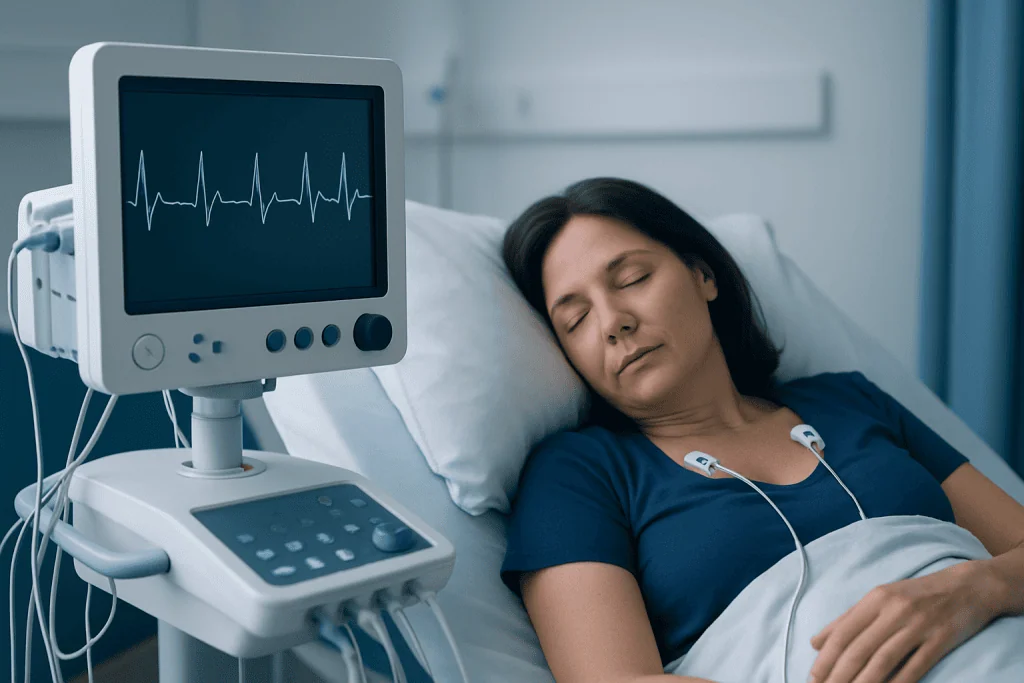
People describe palpitations in different ways. Some feel a rapid heartbeat, while others notice pounding in the chest, throat, or neck. A fluttering sensation, a flip-flop feeling, or the sense that the heart briefly pauses and then beats strongly are also common descriptions.
These sensations may last only a few seconds or continue for several minutes. They can begin suddenly and stop on their own, or they may come and go throughout the night. Some people notice them mainly when they first lie down, after waking from sleep, or after getting up to use the bathroom and returning to bed.
Palpitations can happen on their own, but some symptoms deserve closer attention. These include dizziness, unusual fatigue, sweating, shortness of breath, chest discomfort, or feeling lightheaded. Keeping track of the exact sensation and any associated symptoms can help a doctor decide whether the cause is likely to be harmless extra beats or a rhythm problem that needs further testing.
- Racing heartbeat
- Pounding or forceful beats
- Fluttering in the chest
- Skipped or extra beats
- Throat or neck pulsations
- Symptoms that are stronger when lying down
Common Causes and Risk Factors
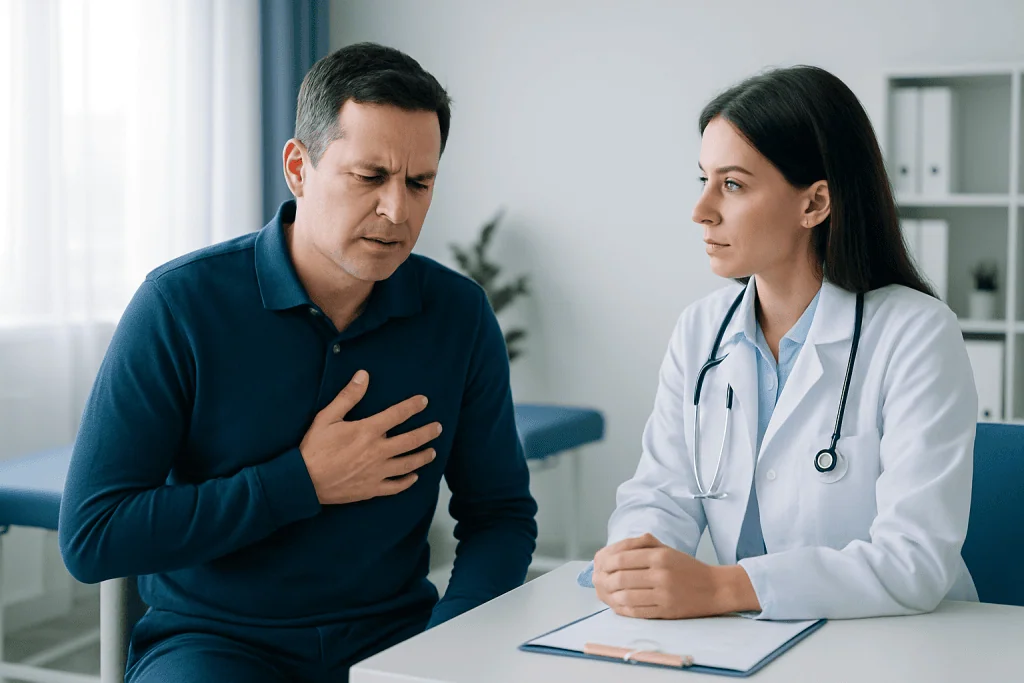
Many nighttime palpitations are triggered by everyday factors. Caffeine, energy drinks, nicotine, alcohol, dehydration, and emotional stress are frequent causes. Lack of sleep can make the body more sensitive to adrenaline, which may increase awareness of the heartbeat or trigger extra beats. Some people notice symptoms after heavy exercise late in the day, a large evening meal, or indigestion and reflux.
Medicines and supplements can also contribute. Decongestants, some asthma inhalers, stimulant medications, thyroid hormone, and certain herbal products may raise heart rate or make irregular beats more likely. Hormonal changes can play a role as well, including menopause, pregnancy, and changes related to the menstrual cycle.
Sometimes the cause is a medical condition rather than a lifestyle trigger. Possible examples include thyroid disease, anemia, fever, low blood sugar, sleep apnea, anxiety disorders, and underlying heart conditions. In some people, palpitations are due to supraventricular tachycardia, atrial fibrillation, or other rhythm disturbances. If symptoms are frequent or unexplained, doctors may evaluate for atrial fibrillation or other conditions that can affect how the heart beats.
Risk may be higher in people with a personal or family history of heart rhythm disorders, structural heart disease, high blood pressure, diabetes, obesity, or untreated sleep problems. Age can also increase the chance of an arrhythmia, though younger adults can experience palpitations too, especially when stress, stimulants, or hormonal factors are present.
How Doctors Diagnose the Cause
Diagnosis starts with a careful history. A doctor will usually ask when the palpitations happen, how long they last, what they feel like, and whether they occur with exercise, stress, alcohol, caffeine, or sleep. They will also ask about chest pain, fainting, breathlessness, medication use, and family history of rhythm disorders or sudden cardiac events.
A physical exam and an electrocardiogram can provide important clues, but many people have normal test results if the palpitations are not happening during the appointment. For that reason, a doctor may recommend ambulatory heart rhythm monitoring, such as a Holter monitor or event recorder, to capture the heartbeat over time. These tools are especially helpful when symptoms occur mainly at night or only a few times a week.
Additional tests may include blood work to look for anemia, thyroid imbalance, electrolyte problems, or signs of infection. If there is concern about the heart’s structure or function, an echocardiogram may be advised. In selected cases, doctors may evaluate for sleep apnea or recommend advanced rhythm assessment through an electrophysiology study when episodes are recurrent or suggest a more complex arrhythmia.
Treatment Options and Symptom Relief
Treatment depends on the cause. If palpitations are linked to stimulants, stress, dehydration, or poor sleep, the first step is often lifestyle adjustment. Reducing caffeine and alcohol in the evening, stopping nicotine, drinking enough water, and improving sleep habits can make a meaningful difference. Some people benefit from relaxation techniques before bed, such as slow breathing, mindfulness, or a consistent wind-down routine.
When a medicine or supplement is the trigger, a doctor may suggest changing the timing, lowering the dose, or using an alternative. If an underlying condition is found, treatment focuses on that problem. For example, correcting thyroid imbalance, treating anemia, or managing sleep apnea may reduce nighttime palpitations significantly.
If monitoring shows a true arrhythmia, treatment may include observation, medication, or a procedure to correct the abnormal electrical pathway. Depending on the rhythm problem, doctors may discuss options such as cardiac ablation or, in selected patients, pacemaker treatment. The goal is to control symptoms, improve quality of life, and reduce any risk linked to the specific rhythm disorder.
For international patients who need specialist assessment, Acibadem International’s multidisciplinary teams in JCI-accredited hospitals diagnose and treat heart rhythm conditions using modern cardiac testing and individualized treatment plans.
Prevention and Self-Care at Home
Self-care begins with understanding patterns. Keeping a simple diary of nighttime palpitations can be useful. It can include the time symptoms occurred, what was eaten or drunk that evening, stress level, sleep quality, exercise, medications, and whether symptoms came with dizziness or chest discomfort. This information can help identify triggers and guide medical evaluation.
Healthy daily habits may lower the chance of recurring episodes. Many people benefit from limiting caffeine after midday, avoiding alcohol close to bedtime, staying hydrated, and finishing large meals at least a few hours before sleep. If reflux seems to be involved, raising the head of the bed slightly and avoiding trigger foods may help.
Good sleep hygiene matters because poor sleep and sleep deprivation can intensify palpitations. A regular bedtime, a cool dark room, and less screen exposure late at night may support steadier sleep. Gentle activity, stress management, and long-term heart health measures such as blood pressure control and smoking cessation are also important.
- Limit stimulants in the evening
- Stay hydrated through the day
- Avoid heavy meals right before bed
- Manage stress with calming bedtime routines
- Track symptoms and possible triggers
- Follow up if episodes are frequent or changing
When to Seek Medical Care
Most episodes of heart palpitations at night are not an emergency, but some situations should not be ignored. Urgent medical care is needed if palpitations are accompanied by chest pain, severe shortness of breath, fainting, near-fainting, new confusion, or symptoms of stroke. Fast or irregular heartbeats that do not settle, especially in someone with known heart disease, also need prompt assessment.
Non-urgent medical review is appropriate if symptoms are new, frequent, worsening, or interfering with sleep and daily life. It is also important to seek evaluation if palpitations happen during exercise, occur with a very fast pulse, or are associated with significant fatigue, breathlessness, or a family history of heart rhythm problems.
A doctor can help determine whether the cause is harmless or whether it needs tests or treatment. Timely assessment is particularly important for people with high blood pressure, thyroid disease, sleep apnea, previous heart problems, or other cardiovascular risk factors. Reassurance is often part of care, but it should follow proper evaluation when warning signs are present.
Frequently asked questions
Are heart palpitations at night usually dangerous?
Often they are not dangerous and may be related to stress, caffeine, alcohol, fatigue, or harmless extra beats. However, they should be checked by a doctor if they are frequent, prolonged, worsening, or occur with chest pain, fainting, or shortness of breath.
Why do palpitations feel stronger when lying down?
When a person lies quietly in bed, normal body sensations become easier to notice. Certain positions can also make the heartbeat feel more prominent in the chest, especially on the left side or after a large meal.
Can anxiety cause heart palpitations at night?
Yes. Anxiety, stress, and panic can increase adrenaline levels and make the heart beat faster or feel more forceful. Nighttime symptoms may be more noticeable because there are fewer distractions and the body is winding down.
What should a patient do during an episode of nighttime palpitations?
It can help to sit up, take slow steady breaths, and note what the sensation feels like and how long it lasts. If symptoms are mild and pass quickly, tracking them for a future doctor visit may be enough, but urgent help is needed if there is chest pain, fainting, or severe breathlessness.
Can dehydration or caffeine trigger nighttime palpitations?
Yes. Both dehydration and stimulants such as coffee, tea, energy drinks, and nicotine can make palpitations more likely in some people. Reducing evening intake and drinking enough water during the day may lessen episodes.
How are heart palpitations at night diagnosed?
Doctors usually begin with a medical history, physical examination, and ECG. If symptoms come and go, they may recommend a Holter monitor or another portable heart rhythm monitor, along with blood tests or heart imaging when needed.
This article is for general information only and is not a substitute for professional medical advice. Please consult a qualified doctor about your individual situation.
Explore treatments in Turkey — costs, top hospitals & a free quote
JCI-accredited · board-certified surgeons · reply within 24h
Add us as a Preferred Source to see more of our trusted health content across Google Search, AI Overviews and Discover.
Check your numbers in seconds
BMI, calories, due date, blood pressure and 30+ more clinical calculators — free, instant, doctor-reviewed ranges.

More from the Health Library

Heller Myotomy: What Patients Need to Know

Wart on Tongue: An Evidence-Based Guide for Patients

Runners Stomach: An Evidence-Based Guide for Patients
Median Cubital Vein — Explained by Medical Evidence, Not Myths

Drank Apple Cider Vinegar: A Complete Medical Overview