Rubbing Alcohol: What Patients Need to Know

Rubbing alcohol is commonly used as an antiseptic on intact skin and for cleaning certain household or medical surfaces. It is not safe to drink, inhale intentionally, or use as a substitute for handwashing, wound care, or medical treatment in every situation.
Key Takeaways
- Rubbing alcohol is commonly used as an antiseptic on intact skin and for cleaning certain household or medical surfaces.
- It is not safe to drink, inhale intentionally, or use as a substitute for handwashing, wound care, or medical treatment in every situation.
- Misuse can cause skin irritation, eye injury, poisoning, or breathing symptoms, especially in children.
- For cuts, burns, rashes, or signs of infection, gentler wound care and medical advice are often more appropriate than repeated rubbing alcohol use.
- Medical care is needed urgently after swallowing rubbing alcohol, significant exposure, or symptoms such as confusion, trouble breathing, or persistent vomiting.
Rubbing alcohol is usually a solution of isopropyl alcohol used to disinfect intact skin and clean some surfaces. It can be useful when used correctly, but it should not be swallowed, applied to large areas of damaged skin, or used in ways that increase irritation, poisoning risk, or fire risk.
Overview: what rubbing alcohol is and what it is for
Rubbing alcohol usually refers to a liquid that contains isopropyl alcohol, often diluted with water and sometimes combined with other ingredients. In everyday use, it is mainly intended for disinfecting intact skin before injections or minor procedures and for cleaning certain external surfaces. It works by disrupting germs on contact, but it is not appropriate for every skin problem or every cleaning task.
Many people keep rubbing alcohol at home because it is familiar, inexpensive, and easy to find. Even so, “common” does not mean harmless. Rubbing alcohol can dry and irritate the skin, sting strongly on broken tissue, and become dangerous if swallowed or used in poorly ventilated spaces.
A practical way to think about rubbing alcohol is that it is a useful disinfectant, not an all-purpose treatment. It does not heal infections, it does not replace soap and water when dirt is present, and it should not be used as a home remedy for serious symptoms. Understanding where it helps and where it can cause harm is the safest approach.
Common uses and common misunderstandings
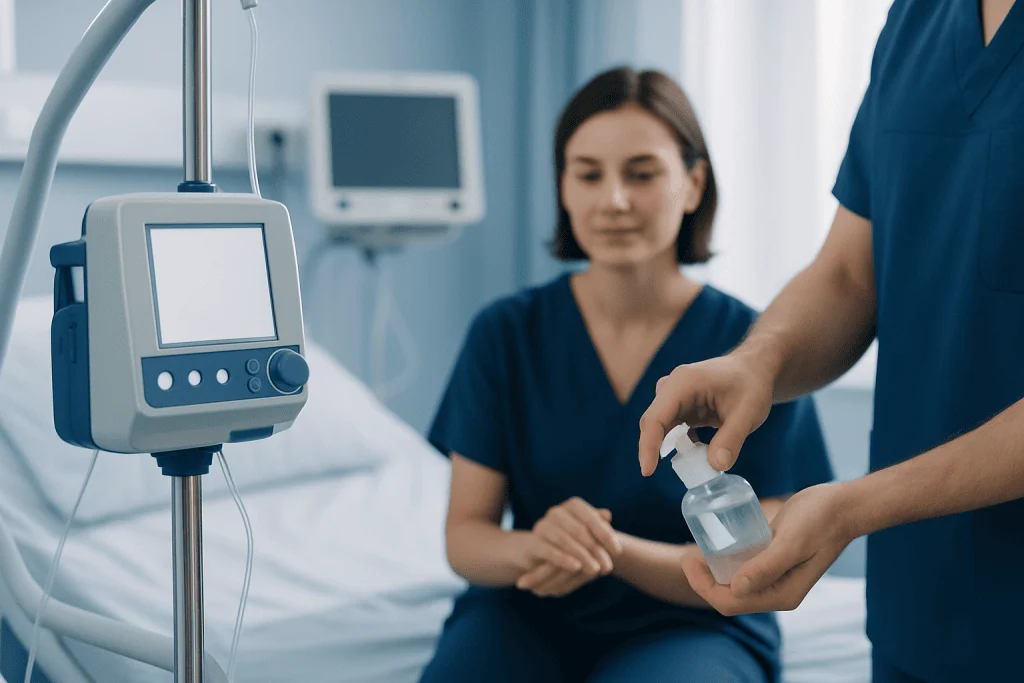
Rubbing alcohol is commonly used to clean intact skin before an injection, to disinfect small tools or surfaces, and to remove some residues such as adhesive from healthy skin. In healthcare and home settings, it may be used on thermometers, countertops, or similar items when the product label and surface instructions allow it. It evaporates quickly, which can make it convenient for short-contact cleaning tasks.
One common misunderstanding is that if a little rubbing alcohol is helpful, more must be better. In reality, repeated or heavy use can damage the skin barrier and cause dryness, cracking, and irritation. Once skin becomes inflamed or broken, it may be more vulnerable to discomfort and secondary problems.
Another misconception is that rubbing alcohol is the best choice for all cuts and scrapes. For many minor wounds, gentle rinsing with clean water and mild soap around the area is preferred. Repeatedly pouring alcohol into a wound can delay comfort and irritate tissue rather than support healing.
It is also important not to confuse rubbing alcohol with products meant for hand hygiene. Alcohol-based hand sanitizers are specially formulated for hand use, while rubbing alcohol products may contain concentrations or ingredients that are not ideal for frequent hand application.
How rubbing alcohol can affect the body

When used briefly on intact skin, rubbing alcohol usually causes a cooling sensation and then evaporates. For some people, especially those with eczema, sensitive skin, or frequent exposure, it may cause dryness, redness, itching, or a burning feeling. If it gets into the eyes, nose, or mouth, it can cause immediate irritation and pain.
Breathing in large amounts of vapor, particularly in a small or poorly ventilated area, may lead to headache, dizziness, nausea, or throat irritation. Children are more vulnerable because their bodies are smaller and they may be exposed accidentally. People with lung sensitivity may also find strong fumes uncomfortable.
If rubbing alcohol is swallowed, the effects can be much more serious. Poisoning may cause vomiting, abdominal pain, confusion, slowed breathing, poor coordination, low body temperature, or reduced alertness. This is a medical emergency, and immediate professional help is important.
Skin exposure over large areas, under tight dressings, or on broken skin can increase absorption and irritation. For people already dealing with skin conditions, a proper assessment may help distinguish irritation from other problems such as eczema or infection.
Situations where rubbing alcohol should be avoided
Rubbing alcohol should not be used on deep wounds, serious burns, large areas of inflamed skin, or near the eyes, inner mouth, or genitals unless a clinician has given specific instructions. These tissues are especially sensitive, and alcohol can cause significant pain and irritation. For wounds with dirt, heavy bleeding, or signs of infection, first aid and medical evaluation are more important than repeated disinfecting with alcohol.
It should also be avoided as a fever rub, a body-cooling method, or a homemade treatment for viral illnesses. These practices can be unsafe, particularly in children, because alcohol can be absorbed through the skin or inhaled. Rubbing alcohol is not a treatment for a cold, flu, or skin infection.
People should also use caution around heat, flames, or smoking because rubbing alcohol is flammable. Storage matters as well. It should be kept tightly closed, clearly labeled, and out of reach of children and anyone who may accidentally ingest it.
If a person has a chronic wound, diabetic foot problem, or repeated skin breakdown, self-treating with alcohol can mask the real issue. In these cases, professional wound assessment and, when needed, wound care are safer and more effective.
Safer alternatives for skin, wounds, and cleaning
For routine hand hygiene, washing with soap and water is the preferred choice when hands are visibly dirty. Alcohol-based hand sanitizer can be useful when soap and water are not available, but it should be a product designed for hand use. For everyday skin cleansing, gentle soap and water are usually enough.
For minor cuts and scrapes, the area is generally best managed by rinsing with clean water, gently cleaning the surrounding skin, and covering it with a clean dressing if needed. Persistent redness, warmth, swelling, pus, or worsening pain may suggest infection and should be assessed by a clinician. If a wound appears infected, it may require medical treatment rather than stronger home disinfectants such as rubbing alcohol.
For household disinfection, the safest option is to follow the instructions on the product label and the surface manufacturer’s advice. Some materials can be damaged by alcohol, and some cleaning tasks need different disinfectants. Good ventilation is important whenever strong cleaning products are used.
If the skin becomes very dry, itchy, or cracked after repeated alcohol exposure, stopping the product and using a fragrance-free moisturizer can help. When symptoms continue or a rash spreads, a dermatology assessment may be useful, especially if there is concern about dermatitis or another skin condition.
What happens in diagnosis and treatment after exposure
If rubbing alcohol causes skin irritation, diagnosis is usually based on the history of exposure and the appearance of the skin. A clinician may ask how often the product was used, whether the skin was already damaged, and whether any other chemicals were applied. Treatment often begins with stopping the irritating product, protecting the skin barrier, and using simple supportive care.
Eye exposure requires prompt flushing with clean water and medical evaluation if pain, redness, or blurred vision continues. If the alcohol is inhaled and symptoms are mild, moving to fresh air may help, but persistent dizziness, chest symptoms, or breathing trouble should be checked urgently. With ingestion, emergency evaluation is essential because alcohol poisoning can become serious quickly.
In hospital, treatment depends on the type and severity of exposure. Doctors may monitor breathing, level of consciousness, hydration, and other vital signs. Supportive care is the main approach for many poisonings, while severe cases may need emergency care and observation.
When symptoms are caused by an underlying condition rather than the alcohol alone, doctors may recommend targeted care. For example, persistent irritation or open skin may benefit from dermatology care, and severe poisoning concerns may be managed through emergency medicine services.
Prevention and self-care at home
The best way to use rubbing alcohol safely is to use it only for its intended purpose, in small amounts, and on intact skin or suitable surfaces. Reading the label matters because products can vary in concentration and ingredients. Good ventilation reduces fume exposure, and washing hands after handling the product may help prevent accidental eye contact.
At home, it is sensible to store rubbing alcohol in its original container, away from heat and out of children’s reach. It should never be transferred into a drink bottle or food container, as this raises the risk of accidental swallowing. Families with small children, older adults with memory difficulties, or people with vision problems may benefit from extra storage precautions.
If mild skin dryness develops, stopping frequent use and applying a gentle moisturizer may be enough. People should avoid covering alcohol-soaked skin with tight wraps or using it repeatedly on the same area. If discomfort continues, medical advice is appropriate, especially when there is swelling, blistering, or signs of infection.
Near the end of care planning, some patients choose to speak with a hospital team for guidance on skin reactions, wound concerns, or poisoning follow-up. Acibadem International’s multidisciplinary specialists in JCI-accredited hospitals diagnose and treat these concerns for international patients when further evaluation is needed.
When to seek medical care
Medical care should be sought urgently if rubbing alcohol has been swallowed, if a person is very drowsy or confused, or if there is difficulty breathing, repeated vomiting, or a seizure. These can be signs of significant poisoning and should not be managed at home. In many regions, contacting emergency services or a poison center is the fastest next step.
Prompt medical assessment is also important after substantial eye exposure, persistent blurred vision, severe skin burns, or extensive exposure on damaged skin. Children should be assessed early because they can become ill from smaller amounts. If symptoms are progressing rather than improving, professional care is the safer choice.
For non-urgent concerns, a doctor visit is reasonable when the skin remains red, painful, itchy, or cracked after stopping the product, or when there are signs of infection such as warmth, swelling, pus, or fever. Ongoing symptoms may point to a skin condition, wound complication, or chemical irritation that needs proper diagnosis.
Frequently asked questions
What is rubbing alcohol made of?
Rubbing alcohol usually contains isopropyl alcohol mixed with water. Some products may also include additives such as colorants or skin-related ingredients, so reading the label is important before using it on the body or surfaces.
Can rubbing alcohol be used on cuts and scrapes?
It is not usually the best option for routine wound care. For many minor cuts and scrapes, gentle rinsing with clean water and mild soap around the area is preferred because alcohol can sting and irritate healing tissue.
Is rubbing alcohol the same as hand sanitizer?
No. Hand sanitizers are formulated specifically for hand hygiene, while rubbing alcohol is a broader disinfectant product and may not be ideal for frequent hand use. Hand sanitizer or soap and water is generally the better choice for routine hand cleaning.
What should someone do if rubbing alcohol gets in the eyes?
The eyes should be rinsed gently with clean water right away. If pain, redness, tearing, or blurred vision continues after flushing, medical attention is important.
Is it dangerous to breathe rubbing alcohol fumes?
Brief exposure to small amounts is often only irritating, but stronger exposure in a closed space can cause headache, dizziness, nausea, or throat discomfort. Fresh air and stopping the exposure usually help, but persistent or severe symptoms need medical evaluation.
What happens if a child drinks rubbing alcohol?
This can be an emergency because children can become sick from relatively small amounts. Immediate help from emergency services or a poison center is recommended, especially if the child is sleepy, vomiting, confused, or breathing abnormally.
This article is for general information only and is not a substitute for professional medical advice. Please consult a qualified doctor about your individual situation.
Explore treatments in Turkey — costs, top hospitals & a free quote
JCI-accredited · board-certified surgeons · reply within 24h
Add us as a Preferred Source to see more of our trusted health content across Google Search, AI Overviews and Discover.

More from the Health Library

Hairline: An Evidence-Based Guide for Patients

Signs of Good Health: Everyday Clues Your Body Is Functioning Well

Frown Lines — Explained by Medical Evidence, Not Myths

Durian: An Evidence-Based Guide for Patients

Acl Knee: A Complete Medical Overview