Runners Face: An Evidence-Based Guide for Patients
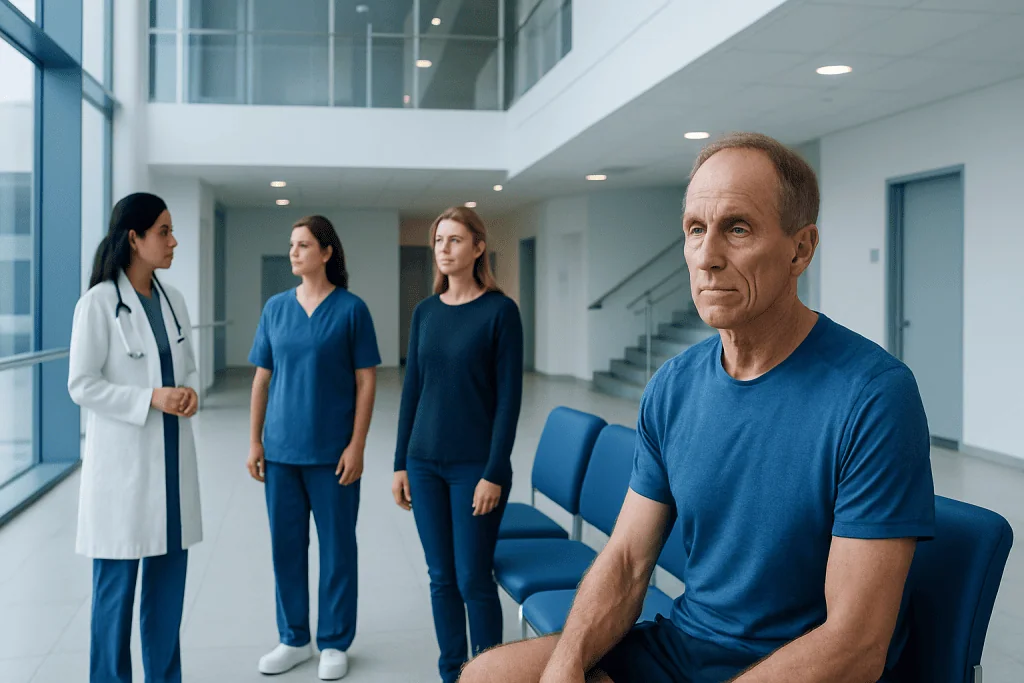
Runners face is not a disease or recognized medical condition. Running does not directly damage the face; overall body composition and skin aging play larger roles.
Key Takeaways
- Runners face is not a disease or recognized medical condition.
- Running does not directly damage the face; overall body composition and skin aging play larger roles.
- Sun exposure, dehydration, weight loss, and natural collagen changes can make the face look more drawn.
- Healthy training, good nutrition, hydration, sleep, and sun protection can help support skin and facial appearance.
- A doctor should assess sudden facial changes, significant weight loss, or signs of illness.
Runners face is a popular term, not a formal diagnosis. It describes a leaner, sometimes more hollow facial appearance that may be noticed in some endurance runners, but current evidence suggests this look is more closely related to body fat levels, age, skin quality, and sun exposure than to running itself.
Overview: What Is Runners Face?
Runners face is a nonmedical term used to describe a thinner, more hollow, or tired-looking facial appearance sometimes seen in people who do a lot of endurance exercise. In most cases, it does not mean that running is harming the face. Rather, it usually reflects a combination of lower body fat, normal aging, sun exposure, and lifestyle factors that may become more noticeable in people who train regularly.
Faces naturally change over time. The skin gradually loses collagen and elasticity with age, and facial fat pads can shrink or shift. When someone also becomes very lean, the cheeks and areas around the eyes may look more defined. Because distance runners often have low body fat and spend many hours outdoors, these normal processes may stand out more clearly.
It is also important to separate appearance from health. A lean face does not automatically mean a person is unhealthy, and a fuller face does not automatically mean better health. Concerns about runners face are usually cosmetic rather than medical, although unexpected changes in facial appearance or body weight should still be discussed with a qualified clinician.
Why It Happens: The Main Factors Behind the Look

There is no strong evidence that the repetitive motion of running itself causes the face to age prematurely. The more likely explanation is that endurance training can reduce overall body fat, including the fat under the skin of the face. For some people, this creates a sharper or more sunken appearance, especially in the cheeks and temples.
Sun exposure is another major factor. Outdoor runners often spend long periods exposed to ultraviolet light, which contributes to skin aging over time. This process can lead to fine lines, uneven pigmentation, and reduced skin elasticity. In other words, what some people call runners face may often be a form of photoaging rather than an effect of running alone.
Hydration, nutrition, stress, and sleep can also influence how the face looks from day to day. Temporary dehydration can make facial features appear less full, while inadequate calorie or protein intake may affect skin quality and recovery. These issues do not mean a person should stop exercising; they highlight the importance of a balanced approach to training and overall health.
Age and genetics matter as well. Some people naturally have slimmer faces or lose facial fullness earlier than others. As a result, two runners with similar training habits may look very different, even if both are healthy.
Common Features People Notice

People who use the term runners face are usually describing visible changes rather than symptoms of illness. The face may appear leaner, especially around the cheeks, temples, jawline, or under-eye area. Some people also notice that fine lines seem more visible, particularly after long periods of outdoor training.
In many cases, these changes are gradual. They may become more noticeable after significant weight loss, an increase in running volume, or simply with age. A person may also feel that the skin looks less plump after long runs if they are tired, dehydrated, or recovering from intense exercise.
- More defined or hollow-looking cheeks
- A slightly gaunt or tired appearance
- Greater visibility of lines around the eyes or mouth
- Drier-looking skin after prolonged exercise or sun exposure
- Changes that are more obvious after weight loss
These features are usually not dangerous on their own. However, if facial changes happen quickly, are accompanied by fatigue or unintended weight loss, or come with other health concerns, medical evaluation is appropriate.
What Runners Face Is Not
Runners face is not an official diagnosis, and it should not be used to explain every facial change in an active person. A thinner face can also result from many other factors, including illness, dental problems, hormonal changes, medication effects, or nutritional deficiencies. That is why context matters.
It is also not the same as a skin disease. If a person has persistent rash, new pigment changes, ulcers, swelling, or severe dryness, a dermatologist may need to look for another cause. Some concerns may overlap with common skin cancer warning signs, especially when facial spots change in color, bleed, or do not heal.
Finally, runners face is not proof that exercise is unhealthy. Regular physical activity supports heart health, metabolism, mood, sleep, and long-term function. The goal is not to avoid exercise, but to understand how training, body composition, and skin care affect appearance and to respond in a balanced way.
How Doctors Evaluate Facial Changes
Medical assessment starts with a history and physical examination. A doctor may ask when the facial changes began, whether body weight has changed, how much training a person does, what their diet is like, and whether they spend a lot of time in the sun. They may also ask about sleep, medications, smoking, recent illness, and stress.
If the appearance seems consistent with low body fat and sun exposure, no special testing may be needed. However, if there are warning signs such as sudden weight loss, extreme fatigue, swelling, or skin lesions, further evaluation may be appropriate. This can include basic blood tests, nutritional review, or specialist assessment depending on the person’s symptoms.
When the skin itself is the main concern, a dermatologist can check for sun damage, changes in pigmentation, and other common conditions. In some cases, supportive care or evaluation in dermatology can help clarify whether the issue is cosmetic, related to skin aging, or due to another medical condition.
Treatment and Management Options
Because runners face is not a disease, treatment focuses on the factors contributing to the appearance. If someone is under-fueling for their level of activity, improving nutrition may help support both health and skin quality. Adequate protein, healthy fats, and a balanced intake of vitamins and minerals are important for tissue repair and overall well-being.
Hydration can help reduce a temporarily drawn appearance after long runs, though it will not reverse normal aging or low facial fat. Good sleep and stress management also support skin recovery. If a person has lost weight rapidly or unintentionally, a doctor should evaluate the cause before assuming it is related to training alone.
Skin care is often the most practical step. Daily broad-spectrum sunscreen, sun-protective clothing, and avoiding peak ultraviolet exposure can help reduce photoaging. A clinician may also recommend a skin-care routine tailored to dryness, sensitivity, or pigment changes, sometimes with support from medical aesthetics if the concern is primarily cosmetic and the patient wants to discuss non-surgical options.
For people with very low body weight, heavy training loads, menstrual changes, frequent injuries, or persistent fatigue, the broader issue may be inadequate energy intake rather than facial appearance. In those cases, management should focus on overall health and safe training habits, not only on how the face looks.
Prevention and Self-Care for Active People
There is no guaranteed way to prevent all facial changes over time, but several habits can help support healthy skin while maintaining an active lifestyle. The most important is sun protection. Outdoor exercise exposes the face to cumulative ultraviolet damage, which is one of the biggest drivers of visible skin aging.
Nutrition and training balance matter too. Endurance athletes generally benefit from eating enough to match their energy use and from allowing time for recovery. Extreme calorie restriction may affect performance, mood, hormone balance, and body composition, including facial fullness.
- Use a broad-spectrum sunscreen every day, even on cloudy days
- Wear a hat or visor and UV-protective sunglasses outdoors
- Drink fluids regularly and rehydrate after long runs
- Eat balanced meals with enough protein and healthy fats
- Avoid smoking, which accelerates skin aging
- Prioritize sleep and recovery between training sessions
If concerns about appearance are causing distress, it may help to speak with a doctor, dermatologist, or nutrition professional. For some people, reassurance is enough. For others, personalized skin advice or a broader health review can be useful.
When to Seek Medical Care
Most cases of runners face do not require urgent treatment, but certain changes should not be ignored. A healthcare professional should assess facial or weight changes that are sudden, marked, or not explained by training. This is especially important if the person also feels unwell or has trouble maintaining normal energy levels.
Medical care is also important when skin changes suggest something more than normal aging. New or changing moles, patches that bleed, sores that do not heal, or persistent rough spots deserve professional review. Evaluation may include a skin examination and, if needed, further investigation to rule out conditions such as skin cancer.
- Unintended or rapid weight loss
- Persistent fatigue, weakness, or reduced exercise tolerance
- Menstrual irregularities or signs of under-fueling in athletes
- Facial swelling, pain, rash, or a new lump
- Skin lesions that change, bleed, crust, or fail to heal
For international patients seeking assessment, Acibadem International’s multidisciplinary specialists in JCI-accredited hospitals evaluate skin, nutrition, and general health concerns in a coordinated way when facial changes need medical attention.
Frequently asked questions
Is runners face a real medical condition?
No. Runners face is not a formal medical diagnosis. It is a popular term used to describe a leaner or more hollow facial appearance that some people notice in endurance runners.
Does running make the face age faster?
Running itself is not known to directly age the face. In many cases, outdoor sun exposure, low body fat, natural collagen loss with age, and lifestyle factors explain the appearance better than exercise alone.
Can runners face happen even in healthy people?
Yes. Healthy people can naturally have a slim face, and facial fullness can decrease with weight loss or aging. A lean appearance does not automatically mean there is a medical problem.
Will drinking more water fix runners face?
Hydration can help if the face looks temporarily drawn after exercise or heat exposure. However, it will not reverse natural aging, low facial fat, or long-term sun-related skin changes.
How can someone reduce the appearance of runners face?
Helpful steps may include sun protection, balanced nutrition, enough rest, and avoiding excessive calorie restriction. If the concern is cosmetic, a dermatologist can discuss skin care and appropriate non-surgical options based on the individual's needs.
When should facial changes be checked by a doctor?
A doctor should assess sudden facial changes, unintended weight loss, new fatigue, swelling, or skin lesions that change or do not heal. These features may point to something other than normal body composition or skin aging.
This article is for general information only and is not a substitute for professional medical advice. Please consult a qualified doctor about your individual situation.
Medical weight-loss options in Turkey — costs & eligibility
JCI-accredited · board-certified surgeons · reply within 24h
Add us as a Preferred Source to see more of our trusted health content across Google Search, AI Overviews and Discover.
Check your numbers in seconds
BMI, calories, due date, blood pressure and 30+ more clinical calculators — free, instant, doctor-reviewed ranges.

More from the Health Library

Porcelain Gallbladder: An Evidence-Based Guide for Patients

Buckwheat: What Patients Need to Know

Esotropia — Explained by Medical Evidence, Not Myths

Holy Basil Benefits: A Complete Medical Overview

Interventricular Septum: What Patients Need to Know