Saggy Eyelid Treatment: How It Works, Results and What to Expect

Sagging around the eyes may be caused by excess skin, eyelid muscle weakness, brow descent or age-related tissue changes. Upper eyelid blepharoplasty removes or reshapes excess skin and, when appropriate, fat to improve lid contour and sometimes peripheral vision.
Key Takeaways
- Sagging around the eyes may be caused by excess skin, eyelid muscle weakness, brow descent or age-related tissue changes.
- Upper eyelid blepharoplasty removes or reshapes excess skin and, when appropriate, fat to improve lid contour and sometimes peripheral vision.
- Ptosis repair is different from cosmetic eyelid surgery because it addresses a low eyelid margin caused by a weakened lifting muscle or tendon.
- Recovery commonly includes temporary swelling and bruising; final contour changes develop gradually over several weeks to months.
- Sudden eyelid drooping, double vision, unequal pupils or weakness elsewhere in the body needs urgent medical assessment.
Saggy eyelid treatment depends on whether excess upper-lid skin, weakening of the eyelid-lifting muscle, brow descent or another eye condition is responsible. A specialist assessment helps determine whether monitoring, treatment of an underlying condition, upper eyelid surgery or ptosis repair is the most appropriate option.
Overview: how saggy eyelid treatment works
Saggy eyelid treatment aims to address the specific reason the upper eyelid area appears heavy, folded or low. For some people, the concern is excess loose skin, known as dermatochalasis. For others, the eyelid edge itself sits lower than usual, called ptosis, or the eyebrow has descended and is pushing skin toward the eyelid. These causes can look similar in a mirror but require different approaches.
When excess upper-eyelid skin is the main issue, an upper eyelid lift, also called upper blepharoplasty, may remove carefully measured skin and sometimes adjust or remove small amounts of fat. If the eyelid margin is low, ptosis repair may tighten or reposition the eyelid-lifting mechanism. A clinician may also recommend treating dry eye, allergies or another contributing eye condition before considering a procedure.
The goal may be functional, cosmetic or both. Some people seek a more open, rested appearance, while others have skin or a low lid that interferes with their upper field of vision, reading, driving or daily activities. An eye specialist or qualified facial plastic surgeon can distinguish these concerns and discuss realistic outcomes.
Causes, symptoms and candidacy
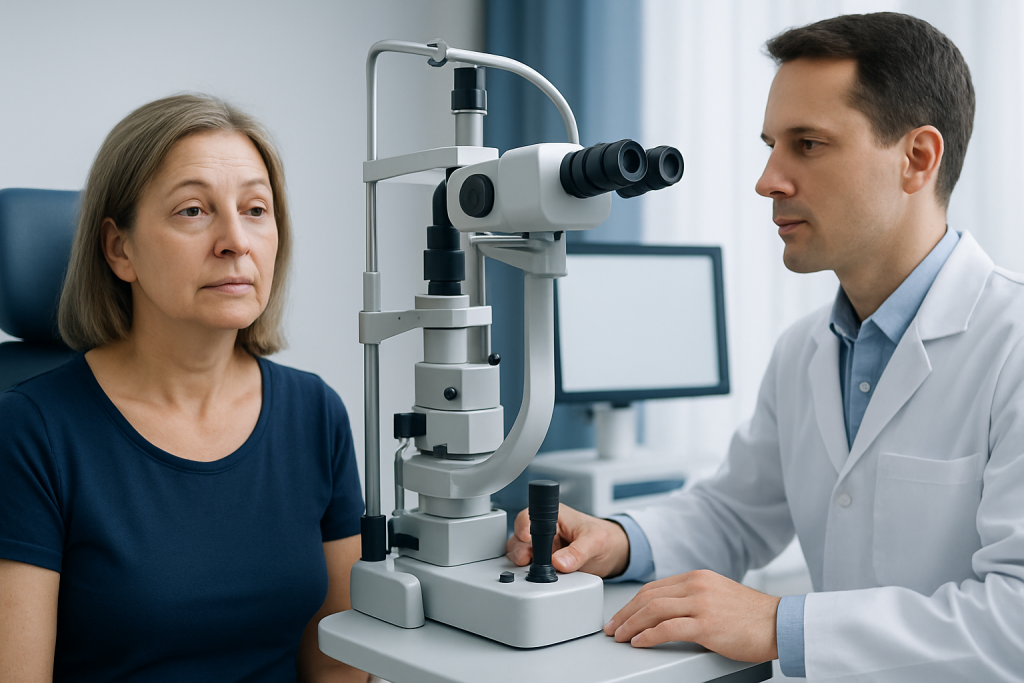
Age-related loss of skin elasticity is a common reason for upper-eyelid sagging. Sun exposure, smoking, repeated eye rubbing, inherited facial anatomy and changes in the soft tissues around the eye can contribute. Ptosis can develop with age when the tendon that lifts the eyelid stretches or loosens. Less commonly, it may follow injury, eye surgery, contact lens use, nerve or muscle disorders, or be present from birth.
Symptoms may include a hooded appearance, a feeling of heaviness, forehead strain from trying to raise the brows, lashes pressing against the eye, or reduced upper or side vision. Some people have no physical symptoms and simply notice an appearance change. Dryness, irritation and watering can occur, but these symptoms should not automatically be attributed to loose eyelid skin because other eye conditions may be involved.
Good candidates for a procedure are generally in stable health, have realistic expectations and understand whether their concern is cosmetic, functional or both. The assessment considers eye health, tear production, prior eye surgery, medications and healing factors. People with uncontrolled dry eye, active eye infection, poorly controlled medical conditions or unstable vision may need evaluation or treatment before surgery is considered.
- Excess skin may be treated with upper blepharoplasty.
- A low eyelid margin may need ptosis repair rather than skin removal alone.
- Low brows may require a discussion of brow position as part of planning.
- Any concern about vision loss requires a formal eye examination.
The procedure: assessment, planning and step-by-step care
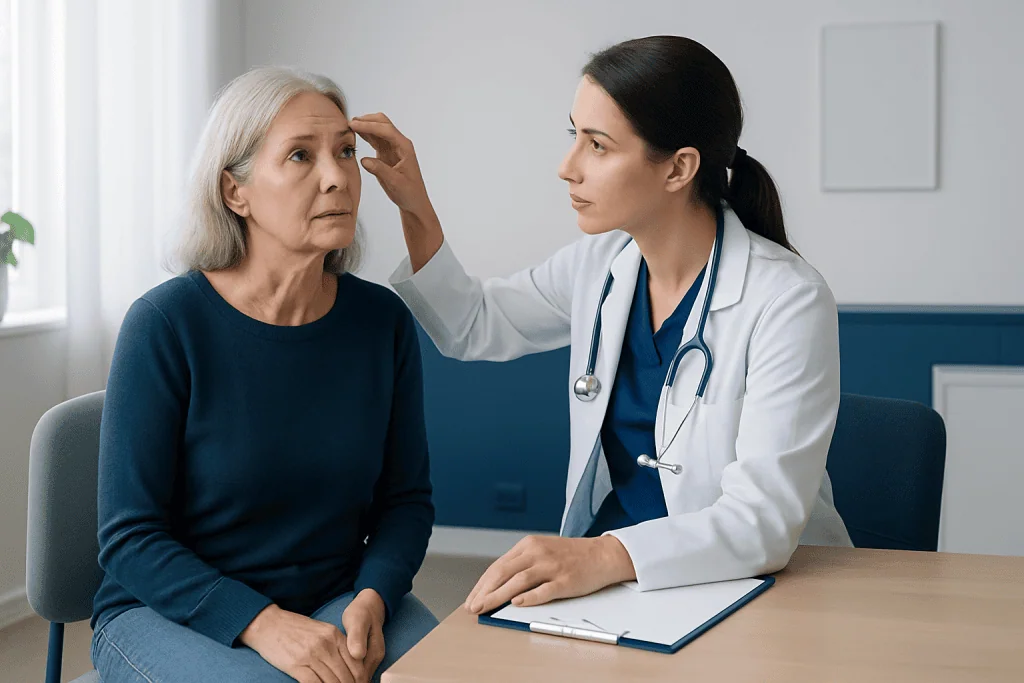
A careful consultation is the foundation of safe saggy eyelid treatment. The clinician examines the eyelid margin, skin fold, brow position, eye movements, pupil responses and surface of the eye. Photographs and, when vision obstruction is suspected, visual-field testing may be used. The plan should preserve natural eyelid function and avoid removing more tissue than is appropriate.
For upper blepharoplasty, the surgeon marks the natural upper-lid crease while the person is upright. The procedure is often performed as an outpatient treatment using local anesthesia with or without sedation, although the exact anesthesia plan varies. A fine incision is typically placed in the natural lid fold, excess skin is removed conservatively, and fat may be adjusted only when needed. The incision is then closed with fine sutures or another appropriate closure method.
Ptosis repair involves a different technique. Depending on eyelid muscle function and the cause of ptosis, the surgeon may tighten or advance the levator muscle or tendon through an eyelid incision, or use another tailored approach. In some cases, an upper blepharoplasty and ptosis repair are performed together. The most suitable plan is based on measurements and eye examination findings rather than appearance alone.
For people considering surgery, blepharoplasty treatment information can help explain how eyelid surgery is planned and what care may involve. A consultation should also clarify whether the procedure is intended to improve vision, appearance or both.
Benefits, results and recovery timeline
Potential benefits of saggy eyelid treatment include a clearer upper visual field when excess tissue is blocking vision, reduced effort to lift the brow, and a more open eyelid contour. Cosmetic changes are individual and depend on skin quality, brow anatomy, eyelid position and healing. Surgery cannot stop normal aging, but its effects may be long-lasting.
Immediately after eyelid surgery, swelling, bruising, mild tightness, tearing, light sensitivity and temporary blurred vision can occur. Cold compresses, head elevation and prescribed aftercare measures may help manage discomfort and swelling. Most people are able to resume light activities within several days, but the timing for work, exercise, driving, contact lens use and makeup should follow the surgeon’s instructions.
Bruising and noticeable swelling often improve over the first one to two weeks, although mild swelling can continue for longer. Incisions generally fade gradually over months. Eyelid position after ptosis repair may take time to settle, and small differences between the two sides can be more apparent early in recovery than after healing is complete.
Follow-up visits are important because the care team checks healing, eyelid closure, comfort and vision. People should use eye drops, ointment or other medicines only as directed, protect the healing skin from sun exposure, and avoid smoking because it can impair wound healing.
Risks and limits to consider
Eyelid procedures are commonly performed, but every surgery has potential risks. These include bleeding, infection, scarring, prolonged swelling, asymmetry, undercorrection or overcorrection, changes in eyelid contour, temporary difficulty closing the eye fully, dry-eye symptoms and the need for revision surgery. Rare but serious complications affecting vision require prompt treatment.
Risk is reduced by appropriate patient selection, detailed preoperative examination and careful postoperative follow-up. Existing dry eye, thyroid eye disease, prior eyelid operations, use of blood-thinning medicines and certain medical conditions can affect planning. A person should not stop prescribed medicines independently; the surgical and prescribing teams can advise on safe adjustments when necessary.
Non-surgical options may be suitable in selected situations, but they do not correct every cause of eyelid sagging. Skin-care measures, sun protection and treatment of irritation can support skin health, while temporary injectable approaches may have a limited role for carefully selected concerns. They cannot reliably replace surgery when excess skin blocks vision or when true ptosis is present.
Is droopy eyelid surgery worth it?
Droopy eyelid surgery may be worthwhile when a qualified assessment confirms that excess skin or ptosis is affecting vision, comfort or quality of life, or when a person wishes to change the eyelid appearance after understanding the possible benefits and limitations. The decision is personal and should be based on the cause of drooping, eye health, recovery considerations and realistic expectations.
For functional concerns, objective testing such as visual-field assessment can help show whether the eyelid position is limiting vision. For cosmetic concerns, a discussion of desired changes and natural facial anatomy is especially important. The best outcome is not necessarily the most dramatic lift; it is an eyelid that looks balanced and closes comfortably while protecting the eye.
A second opinion may be helpful when the diagnosis is uncertain, when previous eyelid surgery has been performed, or when symptoms suggest an underlying neurologic or eye disorder. Specialists at Acibadem International’s multidisciplinary teams and JCI-accredited hospitals assess and treat eyelid concerns for international patients.
What is the most effective treatment for sagging eyelids?
The most effective treatment for sagging eyelids depends on the underlying anatomy. Upper blepharoplasty is generally the most direct treatment for significant excess upper-eyelid skin. Ptosis repair is typically more effective when the eyelid edge itself has fallen because the eyelid-lifting muscle or tendon is weakened. If brow descent is the main contributor, eyelid surgery alone may not provide the intended improvement.
This distinction matters because removing skin alone may not correct true ptosis, and overly aggressive skin removal can increase dryness or make eyelid closure difficult. An examination by an ophthalmologist, oculoplastic surgeon or appropriately trained plastic surgeon helps identify the source of the heaviness and select the least invasive effective option.
People who also have irritation, grittiness, light sensitivity or fluctuating vision may benefit from evaluation for dry eye before any procedure. Addressing the eye surface first can improve comfort and support safer surgical planning.
What is the best age for eyelid lift, and how much does it cost?
There is no single best age for an eyelid lift. Many people consider upper eyelid surgery in midlife or later as skin laxity becomes more noticeable, but younger adults may be candidates when inherited anatomy, early ptosis or functional symptoms are present. More important than age are stable health, the cause of eyelid sagging, eye-surface health and clearly defined goals.
The cost to fix saggy eyelids varies substantially and cannot be estimated accurately without an examination. It depends on the country and facility, the surgeon’s expertise, whether one or both eyelids are treated, the type of anesthesia, the need for ptosis repair or additional procedures, testing, medicines and follow-up care. Insurance coverage rules also differ and may depend on documented functional vision impairment.
A written treatment plan can help patients understand what is included and what questions to ask before proceeding. During consultation, it is reasonable to ask about the proposed technique, expected recovery, follow-up schedule, potential additional costs and how complications would be managed.
When to seek medical care
Schedule a non-urgent eye or surgical assessment if eyelid heaviness is gradually worsening, interferes with vision, causes persistent forehead strain, or is accompanied by bothersome irritation or dryness. A clinician can determine whether the concern is excess skin, ptosis, brow descent or another eye condition and can explain treatment options safely.
Seek urgent medical care for sudden new eyelid drooping, especially if it occurs with double vision, a new severe headache, unequal pupils, facial weakness, difficulty speaking, weakness or numbness in an arm or leg, eye pain, or sudden vision changes. These symptoms can signal conditions that need immediate evaluation and should not be treated as a routine cosmetic concern.
After eyelid surgery, contact the surgical team promptly for increasing pain, worsening redness or swelling, discharge, fever, inability to close the eye, persistent vision changes or any sudden loss of vision. Early assessment allows complications to be addressed appropriately.
Frequently asked questions
What is the difference between saggy eyelids and ptosis?
Saggy eyelids often refer to excess loose skin that folds over the upper lid. Ptosis means the eyelid margin itself sits lower than normal, usually because of changes in the eyelid-lifting muscle or tendon. Both can occur together, so an examination is needed to choose the right treatment.
Can exercises fix saggy eyelids?
Facial or eyelid exercises have not been shown to remove excess eyelid skin or reliably correct true ptosis. They should not delay assessment when drooping affects vision or appears suddenly. Treatment is based on the cause and may include monitoring, management of an underlying condition or surgery.
How long does upper eyelid surgery last?
The effects of upper eyelid surgery are often long-lasting, but the skin and tissues around the eyes continue to age naturally. The duration of visible improvement varies with genetics, skin quality, sun exposure, smoking and changes in brow position. A surgeon can explain what is realistic for an individual's anatomy.
Is eyelid lift surgery painful?
Most people report discomfort, tightness or soreness rather than severe pain after an eyelid procedure. The care team provides instructions for comfort measures and activity restrictions during recovery. Severe or increasing pain, especially with vision changes, should be reported promptly.
Can saggy eyelids affect vision?
Yes. Excess upper-lid skin, a low eyelid margin or low brows can reduce the upper portion of the visual field in some people. Formal visual-field testing may be used when functional impairment is suspected. Any sudden vision change requires urgent medical evaluation.
Will non-surgical treatments lift my eyelids?
Non-surgical measures may improve skin quality or address selected mild concerns, but they cannot reliably remove substantial excess skin or repair significant ptosis. Their benefits are usually limited or temporary compared with surgery. A specialist can explain whether they are appropriate for the specific cause of eyelid sagging.
References
- American Academy of Ophthalmology
- American Society of Plastic Surgeons
- Mayo Clinic
- National Eye Institute
- National Health Service
This article is for general information only and is not a substitute for professional medical advice. Please consult a qualified doctor about your individual situation.
Explore treatments in Turkey — costs, top hospitals & a free quote
JCI-accredited · board-certified surgeons · reply within 24h
Add us as a Preferred Source to see more of our trusted health content across Google Search, AI Overviews and Discover.