Same Day Dentures: What Patients Need to Know

Same day dentures are typically placed immediately after tooth extraction. They can support appearance, speech, and eating during early healing.
Key Takeaways
- Same day dentures are typically placed immediately after tooth extraction.
- They can support appearance, speech, and eating during early healing.
- Fit often changes in the first weeks and months, so follow-up visits are important.
- Not every patient is a candidate; gum health, bone support, and overall oral condition matter.
- Good cleaning, soft foods, and careful aftercare help recovery and comfort.
Same day dentures are usually immediate dentures fitted on the same day that remaining teeth are removed. They can help a person leave the clinic with teeth in place, but they often need adjustments and may later be replaced or relined as the gums and bone heal.
Overview: what same day dentures mean
Same day dentures are most often immediate dentures. This means a denture is prepared in advance and placed right after the remaining natural teeth are removed. For many patients, the main advantage is that they do not need to spend time without teeth while the mouth begins to heal.
These dentures are usually considered a transitional solution rather than a final one. After teeth are removed, the gums and jawbone change shape during healing. Because of this, the denture that fits on day one may loosen over time and may need adjustment, relining, or replacement.
Same day dentures may be full dentures for people losing all teeth in an arch, or in some cases partial dentures when only certain teeth are replaced. The exact approach depends on the condition of the teeth, gums, jawbone, and the patient’s goals for function and appearance.
For some people, alternatives such as conventional dentures after healing or dental implants may also be discussed. A dental professional can explain which option is most appropriate based on oral health, healing capacity, and long-term expectations.
Who may benefit and what to expect
Same day dentures may be helpful for people who need several teeth removed and want to maintain their appearance and basic oral function immediately afterward. They can also reduce the emotional stress some patients feel about being without visible teeth during the healing period.
However, they are not a perfect instant replacement for natural teeth. It is common to need time to adapt to speaking, chewing, and the feel of the denture. Mild soreness, extra saliva, and changes in bite or fit are also common early on.
Patients may benefit most when they understand the process clearly before treatment. Same day dentures generally involve planning visits, dental impressions or digital scans, tooth removal, placement of the denture, and several follow-up appointments for adjustments.
People with advanced gum disease, loose teeth, severe tooth decay, or significant tooth loss may be evaluated for this option as part of broader gum disease or restorative care. In some cases, a specialist may suggest a different plan if the mouth needs additional treatment first.
How the process works before, during, and after extraction
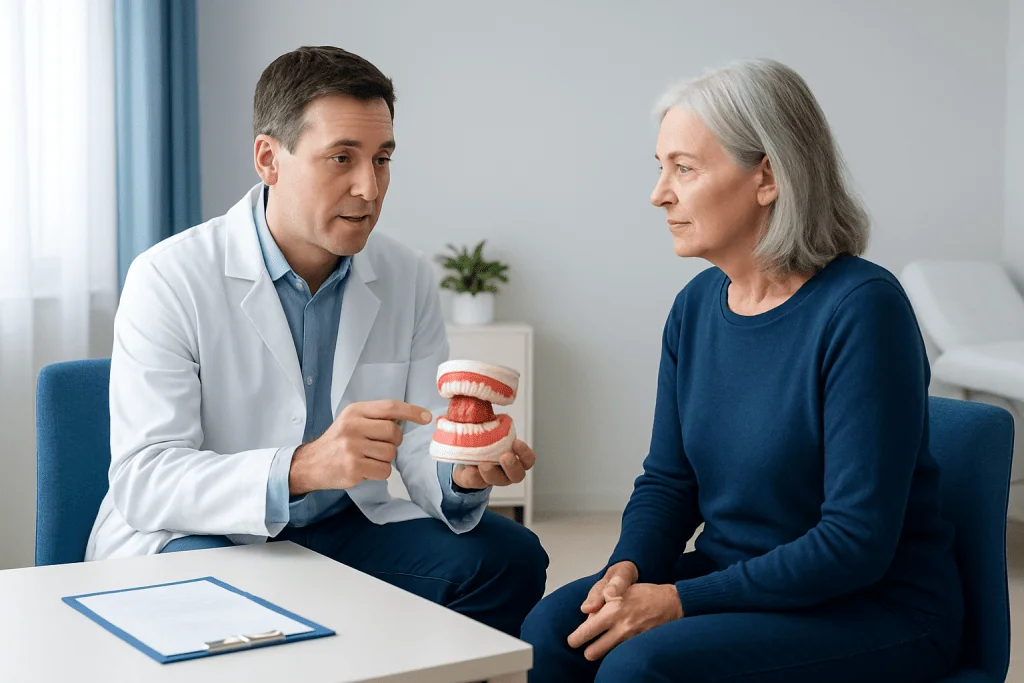
The process begins with a detailed oral examination. The dentist checks the teeth, gums, bite, and jawbone, and may use X-rays or other imaging to plan extractions and denture design. Impressions or digital measurements are then taken so the denture can be made before the extraction appointment.
On the treatment day, the remaining teeth that are planned for removal are extracted. The denture is placed right away over the healing gums. This immediate placement can act a bit like a protective covering, but it does not eliminate normal swelling or tenderness after extractions.
In the first days after treatment, patients are usually advised to follow a soft-food diet, clean the denture carefully, and attend scheduled reviews. The dentist may ask the patient to keep the denture in place for a set period immediately after surgery before removing it for cleaning, depending on the clinical situation.
Healing continues for weeks to months. As the gums shrink and bone remodels, the fit changes. Relining, adjustment, or transition to a more permanent option may become necessary. Some patients later move to All-on-4 dental implants or another implant-supported solution once healing and evaluation are complete.
Benefits, limits, and possible drawbacks
The main benefit of same day dentures is immediate tooth replacement. Many patients value leaving the clinic with teeth in place, which can support confidence in social situations and make the early healing period easier emotionally. They may also help with basic speech and appearance from the start.
Another practical benefit is that the denture can help guide the shape of the healing tissues and may provide a temporary chewing surface while the mouth recovers. For some people, this makes the transition to complete tooth loss more manageable than waiting several weeks for conventional dentures.
At the same time, same day dentures have limitations. Because they are made before the teeth are removed, the final fit cannot fully reflect the healed shape of the gums. This is why they often feel less stable over time and usually need more adjustments than dentures made after healing.
Possible drawbacks include pressure spots, difficulty chewing harder foods, looseness as swelling decreases, and the need for ongoing maintenance. Patients who want greater long-term stability may ask whether implant-supported dentures could be suitable after assessment and healing.
Candidacy, oral health factors, and diagnosis
Not everyone is an ideal candidate for same day dentures. A dentist considers the number and condition of the remaining teeth, the health of the gums, signs of infection, bone support, bite alignment, and medical factors that could affect healing. Smoking, poorly controlled diabetes, and some medications may also influence treatment planning.
Assessment usually includes a clinical exam and dental imaging. These help identify issues such as retained roots, bone loss, abscesses, or advanced tooth decay that may need treatment as part of the overall plan. If infection is active, the dentist may tailor care to reduce complications and support better healing.
Some patients have enough jawbone and tissue support to use immediate dentures successfully, while others may struggle with retention, especially in the lower jaw. A history of severe gag reflex, dry mouth, or temporomandibular joint symptoms can also affect comfort and adaptation.
Diagnosis is not only about whether dentures can be placed on the same day. It is also about choosing the safest and most realistic path for long-term oral function. A clear conversation about expectations, maintenance, and future options is an important part of the evaluation.
Recovery, cleaning, and self-care
Recovery after same day dentures involves both healing from tooth removal and adapting to the denture itself. Swelling, tenderness, minor oozing, and discomfort can occur after extractions, especially in the first few days. The dental team typically provides individualized instructions for pain control, cleaning, eating, and follow-up.
Soft foods are usually easiest at first. Patients often do best with foods that require minimal chewing, taken in small bites and chewed slowly on both sides if possible. As comfort improves and the denture is adjusted, a broader diet may gradually return.
Cleaning is essential. Dentures should be cleaned as directed with non-abrasive products, and the mouth should also be kept clean to protect healing tissues. It is important not to attempt home reshaping or use adhesives in ways the dentist has not recommended, especially soon after extractions.
Regular review appointments matter because the fit can change quickly during healing. Persistent rubbing, ulcers, looseness, clicking, or trouble chewing should be assessed professionally rather than ignored. If infection, severe pain, or unexpected bleeding develops, prompt dental advice is needed.
When to seek medical care
Patients should contact a dentist or doctor if they have severe or worsening pain, heavy bleeding, fever, increasing facial swelling, pus, or a bad taste that does not improve. These symptoms may suggest a complication such as infection or a problem at the extraction site that needs professional care.
Medical advice is also important if the denture causes significant pressure sores, cannot be worn because of pain, or becomes very loose soon after placement. Difficulty swallowing, breathing problems, or signs of an allergic reaction require urgent medical attention.
If eating and drinking become difficult, or if the patient feels weak or dehydrated, prompt evaluation is sensible. Ongoing speech problems, jaw pain, or repeated breakage of the denture also deserve reassessment, as the treatment plan may need to be modified.
Near the end of treatment planning, some patients seek multidisciplinary input when extractions, prosthodontic care, and implant options overlap. Acibadem International’s multidisciplinary specialists in JCI-accredited hospitals diagnose and treat dental conditions for international patients when more comprehensive evaluation is needed.
Frequently asked questions
Are same day dentures permanent?
Usually, no. Same day dentures are commonly immediate dentures used during the healing period after tooth extraction. They may later need relining, replacement, or conversion to another long-term solution.
How long does it take to get used to same day dentures?
Adjustment time varies from person to person. Many people need several days to weeks to become more comfortable with speaking, chewing, and wearing them. Follow-up visits often improve comfort because small adjustments can make a big difference.
Can a person eat normally with same day dentures?
At first, eating is usually limited to soft foods and small bites. Chewing may feel awkward until the mouth heals and the denture is adjusted. Over time, many patients manage a wider range of foods, although some hard or sticky foods may remain challenging.
Do same day dentures hurt?
Some discomfort is common because the mouth is healing from extractions and adapting to a new denture. Pressure areas or sore spots may appear, especially in the early period. Persistent or severe pain should be checked by a dental professional.
Will same day dentures become loose?
They often do loosen as swelling decreases and the gums and jawbone heal. This is expected because the shape of the mouth changes after teeth are removed. Denture adjustments or relining are commonly needed to improve fit.
Who may not be a good candidate for same day dentures?
People with major oral infections, poor gum or bone support, certain healing problems, or difficulty tolerating removable dentures may need a different approach. A dentist will assess the mouth, general health, and treatment goals before recommending the best option.
This article is for general information only and is not a substitute for professional medical advice. Please consult a qualified doctor about your individual situation.
Explore treatments in Turkey — costs, top hospitals & a free quote
JCI-accredited · board-certified surgeons · reply within 24h
Add us as a Preferred Source to see more of our trusted health content across Google Search, AI Overviews and Discover.

More from the Health Library

Prosthetic Arm: A Complete Medical Overview

Ashwagandha Testosterone — Explained by Medical Evidence, Not Myths

Circadian Rhythm — Explained by Medical Evidence, Not Myths

Benadryl Allergy: An Evidence-Based Guide for Patients

Prostate Massager: An Evidence-Based Guide for Patients