Scalene Muscles — Explained by Medical Evidence, Not Myths
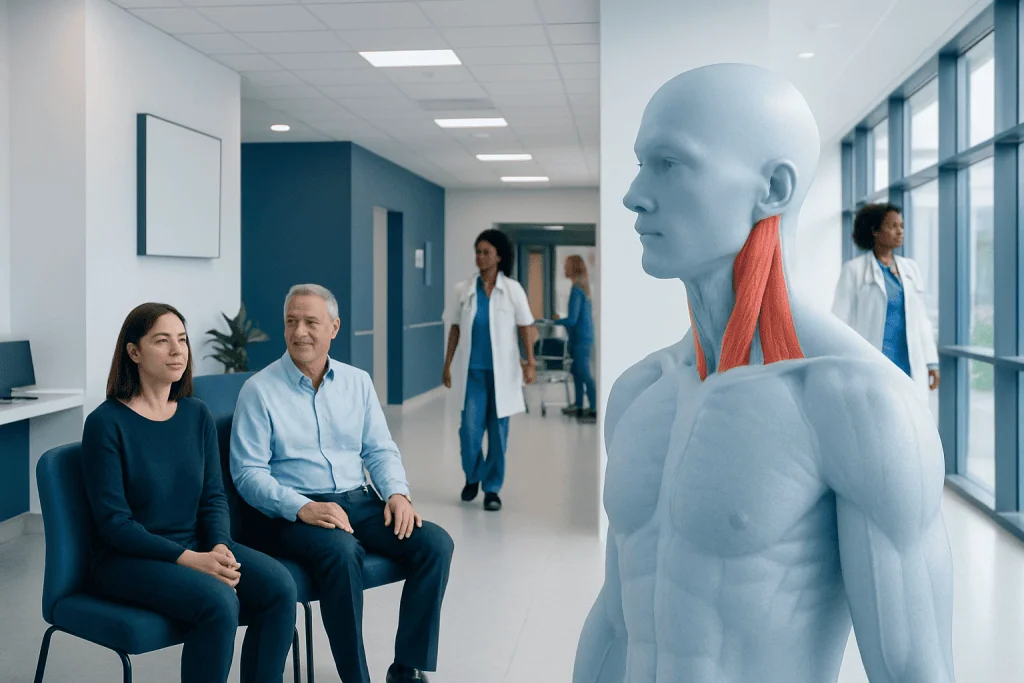
The scalene muscles include the anterior, middle, and posterior scalenes on each side of the neck. These muscles help bend and stabilize the neck and assist breathing during deeper inhalation.
Key Takeaways
- The scalene muscles include the anterior, middle, and posterior scalenes on each side of the neck.
- These muscles help bend and stabilize the neck and assist breathing during deeper inhalation.
- Tight or overworked scalene muscles may cause neck pain, shoulder discomfort, and sometimes tingling or numbness in the arm.
- Scalene-related symptoms can overlap with conditions such as thoracic outlet syndrome and cervical spine problems.
- Diagnosis is based on medical history and physical examination, with imaging or nerve tests used when needed.
- Treatment often includes posture correction, physical therapy, activity changes, and targeted pain management.
Scalene muscles are three paired muscles on each side of the neck that help move the head and neck and assist breathing by lifting the first two ribs. Although small, they can become tight, strained, or irritated and may contribute to neck pain, stiffness, headaches, or symptoms caused by pressure on nearby nerves and blood vessels.
Overview: what the scalene muscles do
The scalene muscles are a group of three muscles on each side of the neck: the anterior scalene, middle scalene, and posterior scalene. They run from the cervical spine in the neck to the first and second ribs. Their main jobs are to help bend the neck to the side, support neck stability, and assist breathing by lifting the upper ribs during deeper breaths.
These muscles sit close to important nerves and blood vessels, including parts of the brachial plexus and the subclavian artery. Because of this location, irritated or tight scalene muscles can sometimes do more than cause local muscle pain. In some people, they may contribute to numbness, tingling, weakness, or circulation-related symptoms in the arm by narrowing the space where these structures pass.
Understanding the scalenes matters because neck discomfort is often blamed on the spine alone, yet muscles can be a major part of the problem. Scalenes may become tender from posture habits, repetitive overhead work, stress-related muscle tension, sports, or prolonged computer use. A clear explanation helps people seek the right evaluation rather than relying on myths about “knots” or self-diagnosing a pinched nerve.
Anatomy and why these muscles matter
The anterior scalene attaches from the neck vertebrae to the first rib, while the middle scalene also attaches to the first rib and the posterior scalene attaches to the second rib. Together, they work with other neck and upper chest muscles to control fine head movements and support the airway and rib cage during breathing. They are especially active when a person takes forceful breaths, such as during exercise or shortness of breath.
The spaces around these muscles are clinically important. The brachial plexus nerves and subclavian artery pass between the anterior and middle scalene muscles. If this area becomes crowded because of muscle tightness, swelling, anatomical variation, or injury, symptoms can develop that resemble nerve compression. This is one reason clinicians may consider thoracic outlet syndrome when evaluating arm symptoms that seem to come from the neck or shoulder region.
The scalenes also interact with nearby structures such as the sternocleidomastoid, trapezius, first rib, clavicle, and cervical spine joints. A problem in one region may change how the others move. For example, limited shoulder mobility or poor desk posture can overload the scalenes, while neck stiffness can make them work harder during everyday movements.
Common symptoms linked to scalene muscle problems

Scalene muscle irritation most often causes pain or tightness along the side of the neck. The discomfort may spread to the upper shoulder, collarbone area, upper chest, or between the shoulder blades. Some people describe a pulling, aching, or burning sensation that worsens after long periods of sitting, carrying bags, looking down at a phone, or repetitive arm use.
When the muscles are tense or inflamed, they may also be tender to touch and can limit comfortable neck movement. Turning the head, tilting it to one side, or taking a deep breath may increase symptoms. Headaches can occur as part of broader neck muscle tension, although headaches have many causes and should not automatically be blamed on the scalenes.
In some cases, symptoms are not limited to pain. Pressure on nearby nerves may lead to tingling, numbness, or a feeling of heaviness in the arm or hand. Rarely, pressure on blood vessels may cause swelling, color change, coolness, or fatigue in the arm during activity. These symptoms need proper medical assessment because they can overlap with cervical disc herniation and other conditions affecting the neck, shoulder, or circulation.
Causes, triggers, and risk factors
Scalene muscles may become painful after sudden strain or from repeated low-level overload over time. Common triggers include poor posture, especially a forward head position; prolonged desk work; sleeping in an awkward position; heavy backpack or shoulder bag use; and repetitive tasks that involve the neck and shoulders. Athletes and people whose work requires overhead reaching may also stress these muscles more than usual.
Breathing patterns can play a role as well. If a person often uses accessory breathing muscles because of stress, shallow chest breathing, or lung-related symptoms, the scalenes may become overactive. Emotional stress can increase muscle guarding in the neck and shoulders, which may make pain more noticeable even without a major injury.
Other contributing factors include whiplash-type injuries, cervical rib or structural differences, deconditioning, and nearby joint or shoulder problems. Because symptoms can be shared by several conditions, clinicians usually consider a broader differential diagnosis. Depending on the pattern, they may assess for neck pain related to muscles and joints, nerve irritation from the cervical spine, or a thoracic outlet problem.
How doctors diagnose scalene-related pain
Diagnosis starts with a detailed history and physical examination. A doctor will ask where the symptoms are felt, what makes them worse or better, whether there was an injury, and whether there are any nerve or circulation symptoms in the arm. During the examination, they may check posture, range of motion, muscle tenderness, strength, sensation, reflexes, and pulses.
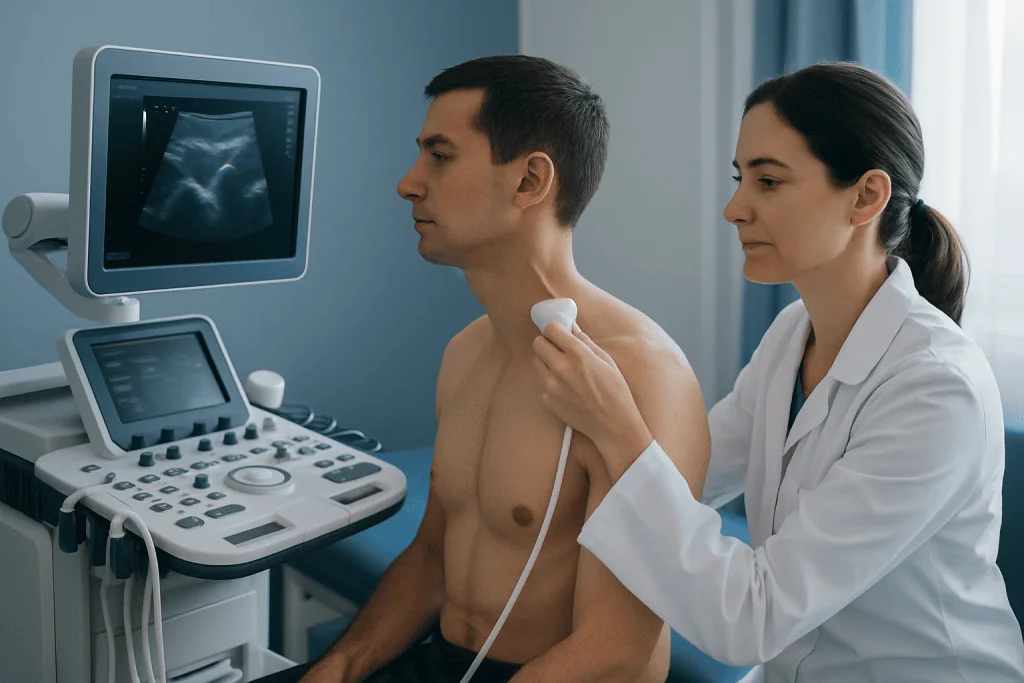
There is no single test that proves the scalene muscles are the only source of symptoms. Instead, diagnosis often involves identifying a pattern that fits muscular pain while also ruling out other causes. If there are signs of nerve compression, circulation problems, or persistent symptoms, additional tests may be recommended. These can include ultrasound, X-ray, MRI, CT, or nerve conduction studies depending on the suspected cause.
When symptoms are complex, evaluation may involve specialists in physical medicine, orthopedics, neurology, vascular medicine, or rehabilitation. In selected cases, a clinician may recommend guided treatment approaches such as physical therapy and rehabilitation to confirm whether improving muscle function reduces symptoms over time.
Treatment options and recovery
Treatment depends on the cause and severity of symptoms. For straightforward muscle strain or tension, conservative care is usually the first step. This may include temporary activity modification, gentle mobility work, heat or cold depending on comfort, and nonprescription pain relief if suitable for the individual and approved by a clinician. Rest does not usually mean complete immobilization; gradual return to normal movement is often helpful.
Physical therapy is a common part of treatment. Therapy may focus on posture, stretching, breathing mechanics, shoulder and upper back strength, and ways to reduce overuse of the neck muscles. Hands-on techniques may be used selectively, but long-term improvement usually depends more on movement retraining and daily habits than on passive treatment alone. In some cases, doctors may evaluate whether additional options such as pain management are appropriate when symptoms persist.
If symptoms suggest nerve or blood vessel compression, treatment is guided by the underlying problem. This may involve structured rehabilitation, imaging, and specialist review. Surgery is not needed for most muscle-related neck pain, but it may be considered in select cases of confirmed structural compression or other treatable causes after careful assessment. When shoulder mechanics are part of the problem, clinicians may also look at related care pathways such as orthopedic evaluation and treatment.
Prevention, self-care, and when to seek medical care
Healthy neck habits can reduce strain on the scalene muscles. Practical steps include keeping screens at eye level, taking regular breaks from sitting, avoiding cradling the phone between the ear and shoulder, and varying positions throughout the day. Balanced exercise that strengthens the upper back and shoulder girdle may reduce the tendency for the neck muscles to overwork.
Gentle stretching and breathing awareness can help some people, especially if the scalenes are overactive during stress or prolonged desk work. Self-care should stay comfortable and should not involve forceful neck manipulation. If exercises increase pain, numbness, dizziness, or arm symptoms, it is best to stop and seek professional advice.
When to seek medical care: medical assessment is sensible if neck pain lasts more than a few weeks, keeps returning, or interferes with sleep, work, or normal activity. Prompt medical care is important for symptoms such as arm weakness, significant numbness, swelling, color change, chest pain, shortness of breath, fever, unexplained weight loss, or pain after a serious injury. Near the end of the care pathway, some patients may benefit from multidisciplinary assessment; Acibadem International’s specialists in JCI-accredited hospitals diagnose and treat neck, nerve, and musculoskeletal conditions for international patients.
Frequently asked questions
Where are the scalene muscles located?
The scalene muscles are located on each side of the neck. They run from the cervical vertebrae to the first and second ribs, close to important nerves and blood vessels that supply the arm.
What do the scalene muscles do?
They help bend and stabilize the neck and assist with breathing by lifting the upper ribs during deeper inhalation. They are considered accessory breathing muscles, meaning they become more active when breathing effort increases.
Can tight scalene muscles cause arm tingling?
Yes, in some people tight or irritated scalene muscles may contribute to pressure on nearby nerves, which can cause tingling, numbness, or aching in the arm. However, these symptoms can also come from the cervical spine, shoulder, or circulation problems, so a proper evaluation is important.
How are scalene muscle problems treated?
Treatment often starts with activity changes, posture improvement, and physical therapy. A doctor may also recommend pain relief strategies and further testing if symptoms are persistent, severe, or suggest nerve or blood vessel compression.
Are scalene muscles related to thoracic outlet syndrome?
They can be. The nerves and artery that pass between the anterior and middle scalene muscles may become compressed in some people, which is one possible mechanism in thoracic outlet syndrome.
When should someone worry about neck pain that may involve the scalenes?
A person should seek medical care if pain lasts more than a few weeks, keeps recurring, or limits daily life. Urgent assessment is needed if there is arm weakness, marked numbness, swelling, color change, chest pain, breathing difficulty, fever, or pain after a significant injury.
This article is for general information only and is not a substitute for professional medical advice. Please consult a qualified doctor about your individual situation.
Joint and spine care in Turkey — expert assessment & treatment
JCI-accredited · board-certified surgeons · reply within 24h
Add us as a Preferred Source to see more of our trusted health content across Google Search, AI Overviews and Discover.

More from the Health Library

Biliary Dyskinesia: What Patients Need to Know

Epispadias: What Patients Need to Know

UTI test strips: Symptoms, Causes, and Treatment — Complete Patient Guide

Fever: An Evidence-Based Guide for Patients

Indian Gooseberry — Explained by Medical Evidence, Not Myths

Yerkes Dodson Law: An Evidence-Based Guide for Patients
Orthopedic Surgery & Traumatology Specialists at Acibadem

Assoc. Prof. Dr. Bertan Cengiz
Orthopedic Surgery & Traumatology
Dr. Betül Toygar
Physical Medicine & Rehabilitation
Fzt. Beyza Nur Gündüz
Physical Medicine & Rehabilitation
Dr. Buğra Alpan
Orthopedic Surgery & Traumatology