Scar Tape for Wrinkles — Explained by Medical Evidence, Not Myths

Scar tape is designed primarily for scar care, not as a proven wrinkle treatment. It may temporarily soften the appearance of fine lines by limiting skin movement and improving hydration.
Key Takeaways
- Scar tape is designed primarily for scar care, not as a proven wrinkle treatment.
- It may temporarily soften the appearance of fine lines by limiting skin movement and improving hydration.
- Results are usually short-lived and are less likely to change deeper or long-standing wrinkles.
- Skin irritation, acne, and contact allergy can occur, especially with frequent or prolonged use.
- Sun protection, retinoids, and dermatologist-guided care have stronger evidence for wrinkle prevention and treatment.
Scar tape for wrinkles can sometimes make lines look smoother for a short time, mainly by holding skin still and reducing overnight creasing. However, medical evidence supports silicone tape much more strongly for scar management than for treating established facial wrinkles.
Overview: Can Scar Tape Really Help Wrinkles?
Scar tape for wrinkles may help some people notice smoother-looking skin for several hours or overnight, but it is not a proven stand-alone treatment for facial aging. Most products marketed this way are silicone-based tapes or patches originally developed to improve the healing and appearance of scars. Their wrinkle-related effect is thought to come mainly from occlusion, hydration, and limiting repeated folding of the skin during sleep or facial movement.
The key medical point is that evidence for silicone tape is strongest in scar management, especially raised or healing scars. Evidence for wrinkles is more limited and generally lower quality. This means people may see a temporary cosmetic benefit, particularly for fine dehydration lines or sleep lines, but should not expect scar tape to rebuild collagen, reverse sun damage, or reliably treat deeper expression lines.
That difference matters because scars and wrinkles are not the same biological process. Scar remodeling involves abnormal collagen repair after injury, while wrinkles are influenced by age, sun exposure, facial muscle activity, skin thinning, and loss of collagen and elastin over time. A product that helps flatten or soften a scar does not automatically work equally well for age-related lines.
How Scar Tape Is Supposed to Work
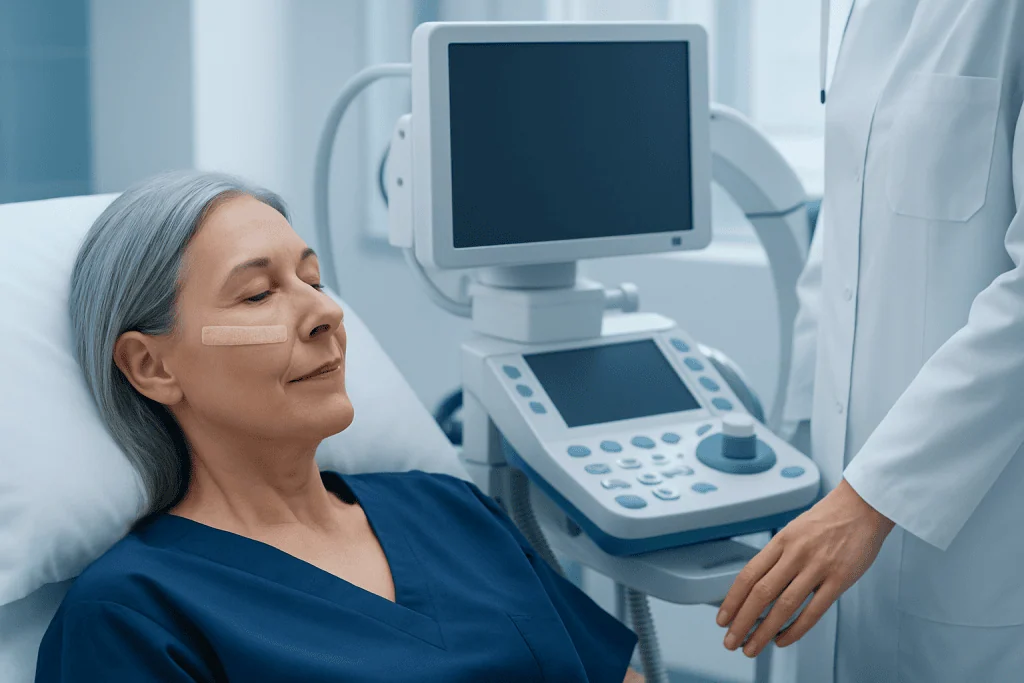
Most scar tapes used on the face are made from silicone or include a gentle adhesive backing. Silicone creates a semi-occlusive layer over the skin. This can reduce water loss from the outer skin barrier, leaving the surface plumper and making fine lines look less visible. That visual smoothing effect may be most noticeable in the morning after overnight use.
Tape may also reduce repetitive skin folding. For example, if a patch is placed across the forehead, it can make it harder to frown or crease the area while sleeping. This is similar to the concept behind many wrinkle patches. In some people, especially those with mild dynamic lines, less movement for a short period can temporarily soften the appearance of creases.
These effects should be understood as mechanical and surface-level rather than structural. Scar tape does not replace collagen loss, and it does not relax facial muscles in the way injectable treatments can. If a person has etched-in wrinkles that remain visible even when the face is fully relaxed, tape alone is unlikely to produce meaningful long-term change.
- Potential short-term effects: smoother surface, less overnight creasing, improved hydration
- What it does not clearly do: permanently erase wrinkles, rebuild collagen, or reverse photoaging
What the Medical Evidence Actually Says

Medical evidence consistently supports silicone sheets and tapes for the prevention and treatment of certain scars, including hypertrophic scars and some surgical scars. In that setting, silicone is widely used because it can help improve texture, redness, and thickness over time. That evidence cannot be directly transferred to facial wrinkles without caution.
For wrinkles, published evidence is much more limited. Some small studies and clinical observations suggest that occlusive patches or facial taping may temporarily reduce the visible depth of fine lines, especially sleep lines or mild expression-related lines. However, these studies are generally not strong enough to show that scar tape is an evidence-based primary treatment for wrinkles in the same way that sun protection, topical retinoids, or certain in-office procedures are.
In practical terms, scar tape may be reasonable as a low-risk cosmetic experiment for healthy skin if expectations are realistic. It is best viewed as a temporary smoothing aid rather than a medically established anti-aging therapy. People considering broader skin rejuvenation may benefit from evaluation by specialists in dermatology care or medical aesthetics to discuss options that match their skin type, goals, and tolerance for downtime.
Who Might Notice a Benefit and Who Probably Will Not
People most likely to notice a mild benefit are those with early, shallow lines, dryness-related texture, or sleep creases that are worse in the morning. In these situations, added hydration and gentle immobilization of the skin may make the face look smoother for a short period. The effect may be more visible on the forehead, between the eyebrows, or around the mouth, depending on where the tape is placed.
People are less likely to benefit if they have deeper static wrinkles, significant sun damage, very lax skin, or volume loss from aging. Those changes involve structural alterations in collagen, elastin, and underlying facial support. Tape cannot correct these processes. It may also be less useful for wrinkles caused mainly by repeated strong muscle movement.
Skin type and sensitivity also matter. Individuals with eczema, rosacea, acne-prone skin, or a history of adhesive allergy may find that patches cause more irritation than benefit. If facial lines are accompanied by rough lesions, color changes, bleeding spots, or a rash, the issue may not be a simple wrinkle and should not be self-treated as one. A dermatologist can help distinguish normal aging from other skin conditions, including skin cancer or inflammatory disorders.
Risks, Side Effects, and Safe Use Tips
Scar tape is generally low risk when used correctly on intact skin, but it is not risk free. The most common problems are irritation, redness, itching, acne breakouts, and folliculitis. Some people develop contact dermatitis from the adhesive or from ingredients in the tape itself. Repeated pulling can also irritate delicate facial skin, especially around the eyes.
Safe use starts with a patch test on a small area for a short period. The skin should be clean and dry, and active products such as strong exfoliating acids or retinoids may increase irritation under an occlusive patch. Tape should not be placed over cuts, infected skin, sunburn, active rashes, or suspicious lesions. If the skin feels sore or looks increasingly inflamed, the product should be removed.
General precautions include the following:
- Choose a product intended for skin contact and follow the manufacturer’s instructions.
- Do not stretch the skin aggressively before applying tape.
- Remove the tape gently to avoid skin stripping.
- Avoid prolonged use if there is itching, burning, or rash.
- Use caution if there is a history of eczema, adhesive allergy, or sensitive skin.
If someone is already being treated for a facial skin condition such as eczema, it is sensible to ask a clinician before using adhesive products regularly on the face.
How Scar Tape Compares With Proven Wrinkle Care
For wrinkle prevention, the best-supported step remains daily broad-spectrum sunscreen. Ultraviolet exposure is one of the major drivers of premature skin aging, including fine lines, uneven pigment, and loss of elasticity. Preventing further damage is often more important than trying to correct changes after they appear.
For treatment, topical retinoids have stronger evidence than scar tape for improving fine lines and supporting collagen remodeling over time. Other measures, such as moisturizers, smoking cessation, good sleep, and avoiding tanning, can also support skin health. Depending on the person’s needs, clinicians may discuss procedures such as chemical peels, laser treatments, or injectables. In selected cases, botulinum toxin treatment can help dynamic wrinkles caused by muscle movement, while skin rejuvenation treatments may address texture and photoaging more broadly.
This does not mean scar tape has no place. Some people like it as a temporary overnight smoothing step or as a way to reduce sleep creasing. But it works best as an adjunct, not a replacement for an evidence-based skin care routine. A balanced approach usually gives more reliable and longer-lasting results than relying on one product trend.
When to Seek Medical Care
Medical advice is appropriate if facial lines are accompanied by symptoms that do not fit simple wrinkles. A doctor should assess skin changes that are painful, itchy, crusted, bleeding, rapidly changing, or associated with a persistent rash. New dark spots, rough scaly patches, or sores that do not heal should also be professionally evaluated.
It is also sensible to seek care if scar tape causes ongoing redness, swelling, blistering, or suspected allergy. People with chronic skin conditions, recent facial procedures, or very sensitive skin may need tailored guidance before trying adhesive products. If wrinkles are a significant cosmetic concern, a qualified dermatologist or plastic surgeon can explain realistic options and what each treatment can and cannot achieve.
Near the end of the care pathway, patients who want specialist assessment may consult centers with multidisciplinary skin and aesthetic expertise. Acibadem International’s multidisciplinary specialists in JCI-accredited hospitals diagnose and treat skin and aesthetic concerns for international patients, helping match treatment plans to medical needs and expectations.
Frequently asked questions
Does scar tape remove wrinkles permanently?
No, scar tape is not considered a permanent wrinkle treatment. It may temporarily smooth fine lines by hydrating the skin and reducing creasing, but it does not reliably reverse deeper structural aging changes.
Is silicone scar tape the same as wrinkle patches?
They are similar in concept but not always identical in purpose. Silicone scar tape is designed mainly for scar care, while wrinkle patches are marketed specifically to reduce facial creasing, often overnight.
Can scar tape help forehead lines?
It may help some people with mild forehead lines look smoother for a short time, especially if the lines are related to sleep creasing or repetitive movement. However, deeper forehead wrinkles usually need other treatments for more noticeable improvement.
Is it safe to use scar tape on the face every night?
Some people tolerate it well, but nightly use can irritate sensitive skin. It is best to patch test first and stop if redness, itching, acne, or a rash develops.
Who should avoid scar tape for wrinkles?
People with adhesive allergies, eczema flare-ups, broken skin, active acne lesions, sunburn, or unexplained facial rashes should be cautious or avoid it. A clinician should guide use if there is a chronic skin condition or recent cosmetic procedure.
What works better than scar tape for wrinkles?
Daily sunscreen and dermatologist-guided treatments such as topical retinoids have stronger evidence for wrinkle prevention and improvement. Depending on the type of wrinkle, procedures such as botulinum toxin, resurfacing, or other aesthetic treatments may also be more effective.
References
- American Academy of Dermatology
- British Association of Dermatologists
- Mayo Clinic
- National Health Service
- Cochrane
This article is for general information only and is not a substitute for professional medical advice. Please consult a qualified doctor about your individual situation.
Explore treatments in Turkey — costs, top hospitals & a free quote
JCI-accredited · board-certified surgeons · reply within 24h
Add us as a Preferred Source to see more of our trusted health content across Google Search, AI Overviews and Discover.