Schizophrenia: Early Warning Signs, Diagnosis, and Ongoing Care

Schizophrenia is not a split personality; it is a psychotic disorder that can affect perception, beliefs, motivation, and thinking. Early warning signs may include social withdrawal, unusual beliefs, changes in sleep, declining school or work performance, and suspiciousness.
Key Takeaways
- Schizophrenia is not a split personality; it is a psychotic disorder that can affect perception, beliefs, motivation, and thinking.
- Early warning signs may include social withdrawal, unusual beliefs, changes in sleep, declining school or work performance, and suspiciousness.
- Diagnosis is made by a qualified mental health professional after a careful clinical assessment and exclusion of other medical or substance-related causes.
- Treatment usually combines antipsychotic medication, psychological therapies, family education, rehabilitation, and support for physical health.
- Ongoing care, relapse planning, and compassionate support can help many people live stable and fulfilling lives.
Schizophrenia is a long-term mental health condition that can affect thinking, perception, emotions, and daily functioning. Early recognition, accurate diagnosis, and consistent care can help many people reduce symptoms, maintain relationships, and pursue meaningful goals.
Overview
Schizophrenia is a serious but treatable mental health condition that belongs to a group of illnesses called psychotic disorders. Psychosis means a person may have difficulty distinguishing what is real from what is not, especially during an active episode. This can include hearing voices, holding strong beliefs that others do not share, or feeling intensely suspicious without clear evidence.
The condition often begins in late adolescence or early adulthood, although symptoms can appear earlier or later. Schizophrenia affects each person differently. Some people have one or a few episodes with long periods of recovery, while others need ongoing support to manage symptoms and daily responsibilities.
It is important to understand what schizophrenia is not. It is not the same as having a split personality, and it is not caused by weak character or poor parenting. Like many medical conditions, schizophrenia is influenced by a combination of biological, genetic, developmental, and environmental factors.
Early Warning Signs and Symptoms
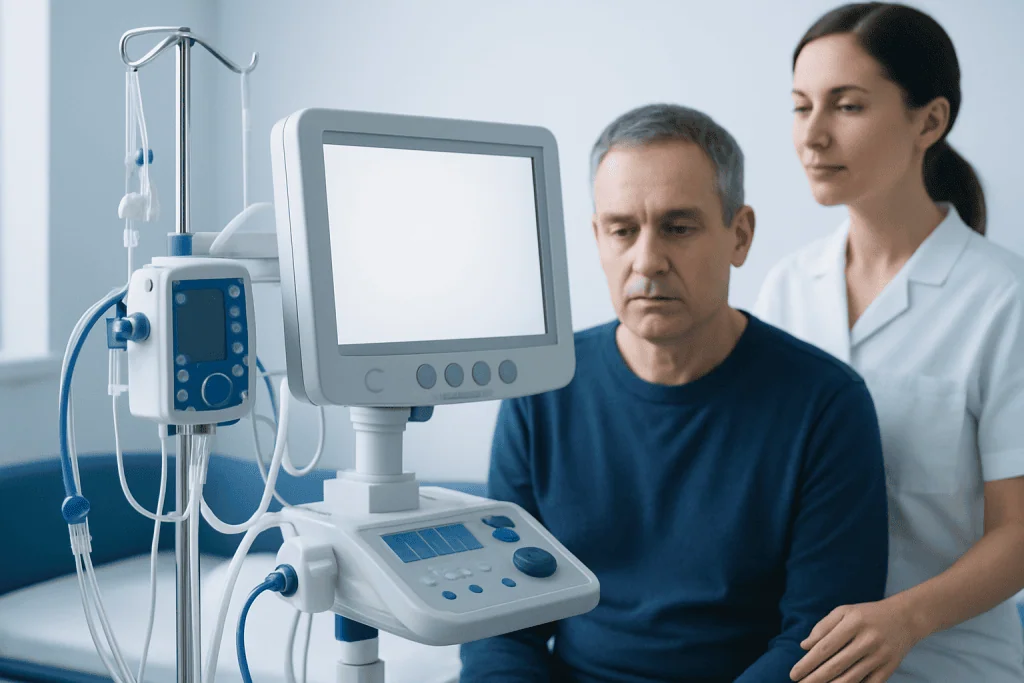
Early signs of schizophrenia can be subtle and may develop gradually over months or years. Families may first notice that a young person becomes more withdrawn, loses interest in friends or hobbies, or struggles to keep up at school or work. Sleep patterns, personal hygiene, and emotional expression may also change.
Symptoms are often described in groups. Positive symptoms are experiences that are added to a person’s usual mental life, such as hallucinations, delusions, or disorganized speech. Negative symptoms involve a reduction in normal abilities, such as reduced motivation, less emotional expression, or difficulty starting activities. Cognitive symptoms can affect concentration, memory, decision-making, and planning.
Possible early warning signs include:
- Increasing social isolation or withdrawal from family and friends
- Unusual suspiciousness, fearfulness, or strong beliefs that seem out of character
- Hearing, seeing, or sensing things that others do not
- Declining performance at school, university, or work
- Disorganized thoughts, unusual speech, or difficulty following conversations
- Reduced motivation, self-care, or interest in previously enjoyed activities
- Changes in sleep, appetite, mood, or personal routine
These signs do not always mean schizophrenia. Depression, bipolar disorder, anxiety, trauma, substance use, neurological conditions, and medical illnesses can cause similar changes. However, early assessment is helpful because timely support can reduce distress and may improve long-term functioning.
Causes and Risk Factors

There is no single known cause of schizophrenia. Research suggests that the condition develops from a complex interaction between genes, brain development, brain chemistry, and life experiences. Having a family history can increase risk, but most people with a relative who has schizophrenia do not develop the condition themselves.
Brain systems involving dopamine and other neurotransmitters are thought to play a role in psychotic symptoms. Differences in brain development and information processing may also contribute to difficulties with perception, attention, and emotional regulation. These biological factors do not determine a person’s future, but they may make the brain more vulnerable under certain circumstances.
Environmental and developmental factors may add to risk in people who are already vulnerable. These can include complications during pregnancy or birth, early life adversity, migration-related stress, social isolation, and heavy cannabis or other substance use, especially during adolescence. Substance use can also worsen symptoms or trigger relapse in people who already have a psychotic disorder.
Risk factors are not the same as causes. Many people with one or more risk factors never develop schizophrenia, and some people diagnosed with the condition have no obvious risk factors. A compassionate, non-blaming approach is essential for patients and families.
How Schizophrenia Is Diagnosed
Schizophrenia is diagnosed through a detailed clinical assessment by a psychiatrist or other qualified mental health professional. There is no single blood test or brain scan that can confirm the diagnosis. Instead, the clinician gathers information about symptoms, how long they have been present, how they affect daily life, and whether other conditions could better explain them.
The assessment may include interviews with the person and, with permission, family members or trusted supporters. The clinician may ask about hallucinations, unusual beliefs, mood symptoms, sleep, substance use, medical history, medications, trauma, and safety. Standard diagnostic criteria are used to determine whether symptoms and duration fit schizophrenia or another condition.
Medical tests may be recommended to rule out other causes of psychosis or confusion. These may include blood tests, thyroid or vitamin checks, screening for substances, and sometimes brain imaging or neurological evaluation when symptoms, age, or physical findings suggest another medical condition. This process helps ensure that treatable medical problems are not missed.
Diagnosis can take time, especially after a first episode of psychosis. Some people initially receive a diagnosis such as brief psychotic disorder, schizophreniform disorder, bipolar disorder with psychotic features, or major depression with psychotic features. Follow-up over time helps the care team understand the pattern of symptoms and provide the most appropriate treatment.
Treatment Options
Treatment for schizophrenia is usually most effective when it combines medication, psychological support, family involvement, and practical rehabilitation. The goals are to reduce distressing symptoms, prevent relapse, support independence, and improve quality of life. A care plan should be individualized, respectful, and reviewed regularly.
Antipsychotic medications are a main part of treatment for many people. They can reduce hallucinations, delusions, agitation, and disorganized thinking. The choice of medicine depends on symptoms, past response, side effects, physical health, patient preference, and practical factors such as daily tablets or long-acting injections. Medication should only be started, changed, or stopped under medical supervision.
Psychological and social treatments are also important. Cognitive behavioral therapy for psychosis can help people cope with voices, manage distress, and evaluate unhelpful beliefs. Family education and support can reduce misunderstanding, improve communication, and help relatives respond calmly during difficult periods. Social skills training, supported employment, education support, and occupational therapy may help people return to meaningful roles.
Some people need short-term hospital care during severe episodes, particularly if they are very distressed, unable to care for themselves, or at risk of harm. Hospital treatment aims to provide safety, stabilization, and a structured plan for ongoing care. Many people continue treatment in outpatient clinics or community mental health services once symptoms are better controlled.
Ongoing Care, Recovery, and Self-Care
Schizophrenia often requires long-term care, but long-term care does not mean a person cannot recover or live well. Recovery may include symptom control, improved confidence, stronger relationships, education or work participation, and a sense of purpose. Progress is often gradual and may include setbacks, so patience and consistency are important.
A relapse prevention plan can be very helpful. This plan usually lists early personal warning signs, medication arrangements, stress triggers, crisis contacts, and steps to take if symptoms return. Family members or trusted supporters can help notice changes, but the person’s dignity and preferences should remain central to care.
Everyday self-care supports mental and physical health. Helpful routines include regular sleep, balanced meals, gentle physical activity, avoiding alcohol and recreational drugs, attending appointments, and taking medication as prescribed. Managing stress through relaxation, structured daily activities, peer support, or spiritual practices may also be beneficial.
Physical health should not be overlooked. People living with schizophrenia may need regular checks for weight, blood pressure, blood sugar, cholesterol, dental health, and medication side effects. Coordinated care between mental health professionals and primary care doctors helps address the whole person, not only psychiatric symptoms.
When to See a Doctor
A person should seek professional help if they or someone close to them notices hallucinations, strong unusual beliefs, increasing paranoia, severe social withdrawal, disorganized speech, or a major decline in daily functioning. Early assessment is especially important after a first episode of psychosis or when symptoms are interfering with school, work, relationships, or self-care.
Urgent help is needed if a person may harm themselves or someone else, is extremely confused, is not eating or drinking, cannot care for basic needs, or is highly agitated or frightened. In these situations, families should contact emergency services or the nearest emergency department according to local guidance. Speaking calmly, reducing noise and conflict, and staying with the person if safe to do so can be supportive while help is arranged.
For people who already have a diagnosis, a doctor should be contacted if symptoms return, side effects become difficult, medication is missed repeatedly, substance use increases, or sleep and mood change significantly. Treatment plans can often be adjusted before a crisis develops.
Acibadem International’s multidisciplinary specialists and JCI-accredited hospitals diagnose and treat mental health conditions, including schizophrenia, for international patients. A qualified psychiatrist or mental health team can help create an individualized plan for assessment, treatment, and ongoing support.
Frequently asked questions
Is schizophrenia the same as split personality?
No. Schizophrenia is not a split personality or multiple personalities. It is a psychotic disorder that can affect perception, beliefs, thinking, motivation, and emotional expression.
Can schizophrenia be treated?
Yes. Schizophrenia can be treated with a combination of antipsychotic medication, psychological therapies, family support, rehabilitation, and physical health care. Many people experience meaningful improvement, especially with early and consistent treatment.
What are the first signs families may notice?
Early signs may include withdrawal from friends, reduced motivation, unusual suspiciousness, sleep changes, declining school or work performance, or odd speech and behavior. These changes can have many causes, so a professional assessment is the safest way to understand what is happening.
How is schizophrenia diagnosed?
Diagnosis is based on a clinical assessment by a psychiatrist or qualified mental health professional. The clinician reviews symptoms, duration, functioning, medical history, and possible substance or medical causes. Tests may be used to rule out other conditions, but there is no single test that confirms schizophrenia.
Do people with schizophrenia need medication forever?
The length of medication treatment varies from person to person and depends on the number of episodes, symptom pattern, relapse risk, side effects, and personal goals. Decisions about continuing, changing, or stopping medication should be made with a psychiatrist, because stopping suddenly can increase the risk of relapse.
How can family members help?
Families can help by learning about the condition, encouraging treatment, supporting routines, and communicating calmly. It is also useful to know the person's early warning signs and crisis plan. Family members should seek support for themselves as well, because caregiving can be emotionally demanding.
When is urgent help needed?
Urgent help is needed if a person is at risk of harming themselves or others, is extremely confused or frightened, cannot care for basic needs, or is experiencing severe agitation. In these situations, contact local emergency services or go to the nearest emergency department.
References
- World Health Organization
- National Institute of Mental Health
- American Psychiatric Association
- National Institute for Health and Care Excellence
- Royal College of Psychiatrists
This article is for general information only and is not a substitute for professional medical advice. Please consult a qualified doctor about your individual situation.
Schizophrenia in Turkey — costs, top hospitals & a free quote
JCI-accredited · board-certified surgeons · reply within 24h
Add us as a Preferred Source to see more of our trusted health content across Google Search, AI Overviews and Discover.

More from the Health Library



Related Specialists

Ody. Sefa Porsuk
Audiology
Prof. Dr. Fatih Dikici
Orthopedic Surgery & Traumatology
Dr. Sirri Baştürk
Orthopedic Surgery & Traumatology
Assoc. Prof. Dr. Bahar Temur
Cardiovascular Surgery