Schizophrenia — Explained by Medical Evidence, Not Myths

Schizophrenia affects thinking, perception, emotions, and behavior, and it is different from dissociative identity disorder. Symptoms may include hallucinations, delusions, disorganized thinking, reduced motivation, and social withdrawal.
Key Takeaways
- Schizophrenia affects thinking, perception, emotions, and behavior, and it is different from dissociative identity disorder.
- Symptoms may include hallucinations, delusions, disorganized thinking, reduced motivation, and social withdrawal.
- The condition likely develops through a combination of genetic, brain, developmental, and environmental factors.
- Diagnosis is clinical and also involves checking for medical causes of similar symptoms.
- Treatment often includes antipsychotic medication, psychotherapy, family support, and practical rehabilitation.
- Early medical care can improve safety, reduce distress, and support better long-term functioning.
Schizophrenia is a long-term mental health condition that can affect how a person thinks, feels, interprets reality, and relates to others. It is not a “split personality” and it is not caused by personal weakness; with evidence-based treatment and support, many people can manage symptoms and live meaningful lives.
What schizophrenia is — and what it is not
Schizophrenia is a serious but treatable mental health condition that changes how the brain processes thoughts, perceptions, emotions, and behavior. A person with schizophrenia may have trouble telling what is real from what is not, may think in ways that become disorganized, or may lose motivation and emotional expression. Symptoms can come and go, and they often vary widely from one person to another.
Medical evidence does not support many common myths. Schizophrenia is not the same as having a “split personality,” which is a different condition. It is also not a character flaw, a lack of intelligence, or a result of poor parenting. Like many health conditions, it reflects a complex interaction of biological and environmental factors.
Schizophrenia usually begins in late adolescence or early adulthood, although the timing can differ. Some people experience a gradual change over months or years, while others develop symptoms more suddenly. Early recognition matters because timely care can reduce complications and help the person and family understand what is happening.
How schizophrenia can affect daily life
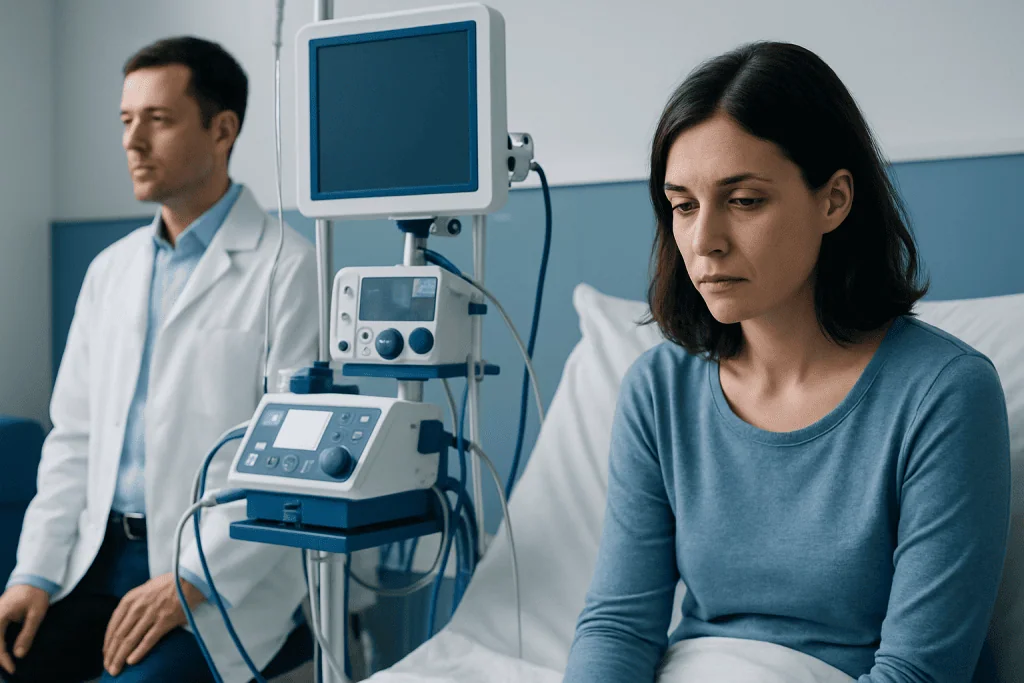
Schizophrenia is often described by groups of symptoms rather than by one single sign. Clinicians commonly talk about positive symptoms, negative symptoms, and cognitive symptoms. “Positive” does not mean beneficial; it refers to experiences added to usual mental functioning, such as hallucinations or delusions.
Positive symptoms may include hearing voices, seeing or sensing things that others do not, fixed false beliefs, suspiciousness, or thoughts that seem disconnected. Negative symptoms involve a reduction in usual abilities, such as speaking less, showing less emotion, losing motivation, withdrawing socially, or neglecting self-care. Cognitive symptoms can include problems with attention, memory, planning, and organizing daily tasks.
These symptoms can affect school, work, relationships, sleep, and personal safety. Some people mainly struggle with unusual beliefs or perceptions, while others are more affected by low motivation or slowed thinking. Because symptoms can overlap with other mental or medical conditions, careful assessment is important rather than relying on labels based on one behavior alone.
- Hallucinations, especially hearing voices
- Delusions, such as strong beliefs not shared by others
- Disorganized speech or difficulty following a train of thought
- Reduced emotional expression or social withdrawal
- Problems with concentration, memory, or decision-making
Causes and risk factors: what medical evidence suggests

There is no single known cause of schizophrenia. Current evidence suggests that it develops through a combination of inherited risk, differences in brain development and signaling, and environmental influences. Having a family history can increase risk, but most people with a relative who has schizophrenia do not develop it, and many people diagnosed with schizophrenia have no known family history.
Researchers also study factors that may affect brain development before or around birth, as well as later life stressors. Complications during pregnancy or delivery, major psychosocial stress, trauma, and substance use in some individuals may play a role in the timing or severity of symptoms. Substance use does not explain every case, but alcohol, cannabis, stimulants, and some other drugs can worsen symptoms or trigger episodes in vulnerable people.
It is also important to rule out other causes of psychosis. Conditions such as severe mood disorders, some neurological illnesses, sleep deprivation, medication effects, and substance-related states can produce symptoms that resemble schizophrenia. This is one reason why a full medical and psychiatric evaluation is essential before confirming a diagnosis of schizophrenia.
How doctors diagnose schizophrenia
Schizophrenia is diagnosed through a comprehensive clinical assessment rather than a single blood test or brain scan. A psychiatrist or another qualified mental health professional asks about symptoms, how long they have been present, how they affect daily life, and whether there have been changes in behavior, sleep, school, work, or relationships. Family members may also be asked for observations, with the patient’s consent when possible.
Diagnosis is based on recognized criteria that consider symptom type, duration, and functional impact. The clinician also looks for signs of other conditions that may better explain the symptoms, such as bipolar disorder, major depression with psychotic features, substance-induced psychosis, or a medical illness. In some cases, people may first present with a broader symptom picture such as psychosis, and the diagnosis becomes clearer over time.
Tests may be used to support the evaluation and exclude other causes. These can include blood tests, toxicology screening, and, when clinically indicated, brain imaging or an EEG. The goal is not only to name the condition correctly but also to identify urgent safety concerns, coexisting health issues, and the most appropriate treatment plan.
Treatment options and long-term support
Schizophrenia treatment usually combines medication with psychological, social, and practical support. Antipsychotic medicines are a mainstay because they can reduce hallucinations, delusions, severe agitation, and other symptoms. The most suitable medicine depends on the symptom pattern, side effects, previous response, and the person’s general health, so treatment is individualized and monitored over time.
Psychotherapy can also be helpful, especially after acute symptoms begin to settle. Approaches may include supportive therapy, cognitive behavioral strategies, psychoeducation, and skills that help a person manage stress, daily routines, and early warning signs of relapse. Family education and involvement often improve communication, reduce misunderstanding, and support treatment adherence.
Recovery-focused care may also include occupational support, social rehabilitation, sleep management, treatment for substance use, and attention to physical health. Some people need hospital care during a crisis or when symptoms severely affect safety, nutrition, or the ability to care for themselves. Depending on the individual situation, specialists may use psychiatric care together with structured psychotherapy and, when assessment is needed, a medical check-up to guide treatment decisions.
Schizophrenia is often a long-term condition, but long-term does not mean untreatable. Many people improve with consistent care, and some have long periods of stability. Treatment goals usually focus on symptom control, safety, independence, relationships, education or work participation, and overall quality of life.
Self-care, family support, and relapse prevention
Self-care does not replace medical treatment, but it can make treatment more effective and daily life more manageable. Helpful routines include taking medication as prescribed, attending follow-up appointments, keeping regular sleep hours, avoiding alcohol and recreational drugs, staying physically active, and eating regularly. A simple structure for the day can support attention, memory, and motivation.
Families and caregivers often play an important role. Calm communication, practical support, and learning about the condition can reduce conflict and make it easier to notice changes early. It can help to watch for warning signs such as worsening suspiciousness, social withdrawal, sleep disruption, neglected hygiene, missed medication, or a return of unusual beliefs or voices.
Relapse prevention plans are often created together with the care team. These plans may include who to contact, what symptoms to watch for, and when a medication review is needed. Near the end of the care journey, some patients and families also seek coordinated assessment from centers experienced in mental health care; Acibadem International’s multidisciplinary specialists and JCI-accredited hospitals diagnose and treat this condition for international patients.
When to seek medical care
Medical care should be sought promptly if a person has hallucinations, fixed false beliefs, severe confusion, marked behavioral change, or difficulty functioning in daily life. A professional evaluation is also important when symptoms appear gradually, such as increasing social withdrawal, neglect of self-care, odd thinking, or a sharp decline in school or work performance.
Urgent help is needed if the person talks about self-harm, suicide, harming someone else, cannot care for basic needs, becomes extremely agitated, or seems out of touch with reality in a way that creates immediate risk. In these situations, emergency services or the nearest emergency department may be the safest option.
Even when symptoms are not severe, it is wise to arrange a medical or psychiatric assessment rather than waiting to see if the problem disappears on its own. Early treatment can reduce distress, support safety, and improve the chance of better long-term functioning.
Frequently asked questions
Is schizophrenia the same as multiple personalities?
No. Schizophrenia is not the same as dissociative identity disorder, sometimes described as multiple personalities. Schizophrenia mainly affects perception, thinking, emotions, and behavior, and it may involve psychosis such as hallucinations or delusions.
Can schizophrenia be cured?
There is no single cure that works in every case, but schizophrenia is treatable. Many people improve with the right combination of medication, therapy, social support, and regular follow-up care.
What age does schizophrenia usually start?
Symptoms often begin in the late teen years to early adulthood, although the age of onset can vary. Some people develop symptoms gradually, while others experience a more sudden change.
Does schizophrenia always involve hearing voices?
No. Hearing voices is common, but not everyone with schizophrenia has this symptom. Some people mainly experience delusions, disorganized thinking, low motivation, or social withdrawal.
Can stress cause schizophrenia?
Stress alone is not considered the sole cause of schizophrenia. However, stress can contribute to symptom worsening or trigger episodes in people who are already vulnerable because of other biological or environmental factors.
Why is early diagnosis important?
Early diagnosis can help reduce disruption to education, work, relationships, and personal safety. It also makes it easier to start appropriate treatment, rule out other causes, and build support for the patient and family.
References
- World Health Organization
- National Institute of Mental Health
- American Psychiatric Association
- National Health Service
- Mayo Clinic
This article is for general information only and is not a substitute for professional medical advice. Please consult a qualified doctor about your individual situation.
Schizophrenia in Turkey — costs, top hospitals & a free quote
JCI-accredited · board-certified surgeons · reply within 24h
Add us as a Preferred Source to see more of our trusted health content across Google Search, AI Overviews and Discover.

More from the Health Library



Related Specialists

Prof. Dr. Yaman Sarpel
Orthopedic Surgery & Traumatology
Dt. Cüneyt Işıker
Oral & Dental Health
Assoc. Prof. Dr. Omar Yusef Kudsı
General Surgery
Dr. Bülent Yücel
Orthopedic Surgery & Traumatology