School Refusal in Children: Causes, Warning Signs, and When to Get Help

School refusal is usually a sign of distress, not simple misbehavior. Common triggers include anxiety, bullying, academic struggles, social problems, and major life changes.
Key Takeaways
- School refusal is usually a sign of distress, not simple misbehavior.
- Common triggers include anxiety, bullying, academic struggles, social problems, and major life changes.
- Physical complaints such as stomachaches or headaches may be real and linked to emotional stress.
- Early, supportive intervention can help children return to school more successfully.
- Parents, schools, and healthcare professionals often need to work together to find the cause and create a plan.
School refusal in children is more than occasional reluctance to go to class. It describes a pattern of intense emotional distress about school attendance that often reflects an underlying problem such as anxiety, bullying, learning difficulties, or family stress.
Overview: What School Refusal Means
School refusal in children is a pattern in which a child or teenager becomes very distressed about going to school or staying there for the full day. This is different from the occasional complaint, slow morning, or desire to stay home that many children experience from time to time. In school refusal, the emotional reaction is stronger, more persistent, and disruptive to daily life.
Children with school refusal may cry, plead, have panic-like symptoms, or report feeling too unwell to attend. Some can get dressed and prepare for school but become overwhelmed at the last minute. Others make it into the building yet struggle to remain in class. In many cases, the child wants to do well but feels unable to cope with the distress linked to school attendance.
School refusal is not a formal diagnosis by itself. Instead, it is a behavior pattern that may be connected to anxiety, depression, social difficulties, learning differences, bullying, or stress at home. Understanding the reason behind the behavior is an important first step toward effective support.
Signs and Symptoms to Watch For
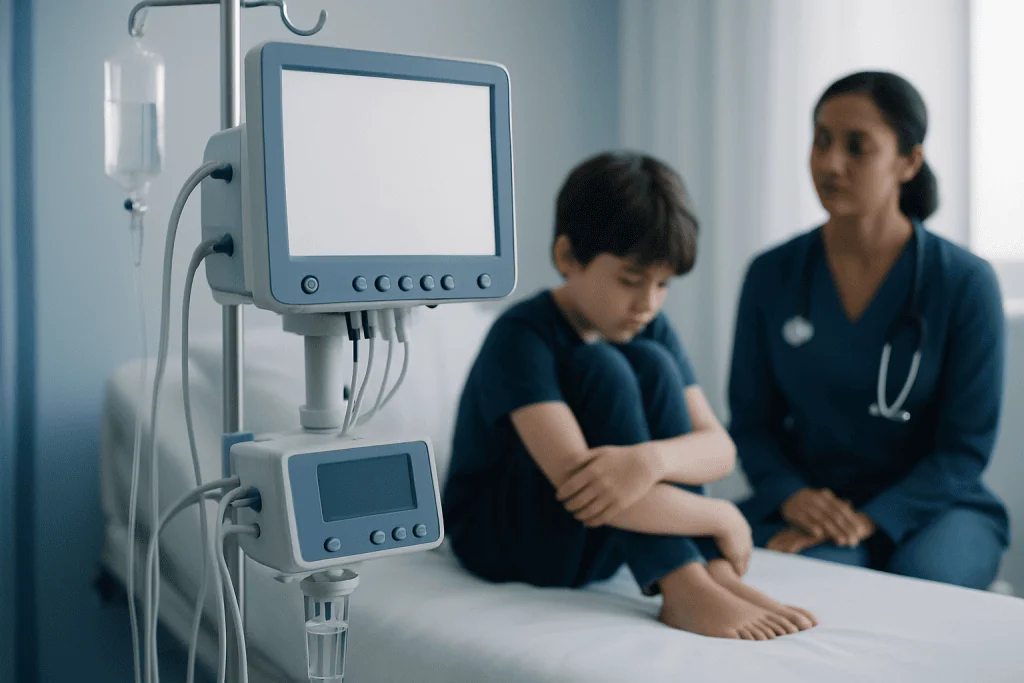
The most noticeable sign is repeated difficulty attending school, arriving late, leaving early, or refusing to enter the building. Some children become visibly upset the night before school or first thing in the morning. They may cling to a parent, cry, become irritable, or seem panicked when school is mentioned.
Physical symptoms are also common. A child may complain of stomach pain, nausea, headache, dizziness, fatigue, or feeling generally unwell, especially on school days. These symptoms should not be dismissed as “made up.” Emotional stress can cause genuine physical discomfort, even when no medical illness is found.
Other warning signs may include changes in sleep, appetite, mood, or behavior. A child may seem withdrawn, unusually worried, sad, angry, or exhausted. Academic performance may drop, and social contact with classmates may decrease.
- Frequent requests to stay home from school
- Distress that improves when the child is allowed to remain at home
- Repeated physical complaints before school
- Avoidance of tests, presentations, or social situations
- Increased dependence on parents or caregivers
- Changes in friendships, confidence, or interest in activities
Causes and Risk Factors

There is rarely one single cause of school refusal in children. Often, several factors build up at the same time. Anxiety is one of the most common contributors. A child may fear separation from a parent, worry excessively about making mistakes, or feel overwhelmed by social situations. Some children have panic symptoms or intense fear in crowded or unfamiliar settings.
School-based difficulties can also play a major role. Bullying, problems with friendships, conflict with teachers, academic pressure, or unrecognized learning needs may all lead to school avoidance. A child who struggles to keep up in class may begin to associate school with embarrassment or failure. In some cases, conditions such as ADHD or learning disorders can increase stress around attendance and performance.
Life events outside school matter too. Moving home, parental separation, grief, illness in the family, trauma, or changes in routine can affect a child’s sense of safety. Children who are already sensitive, perfectionistic, or prone to worry may be more vulnerable. Mood disorders can also contribute, including depression or anxiety disorders, both of which may appear in children through irritability, withdrawal, and physical complaints rather than obvious sadness or fear.
How School Refusal Is Evaluated
Evaluation begins with a careful conversation about what is happening, when it started, and what seems to make it better or worse. A doctor or mental health professional will usually ask about school attendance, physical symptoms, mood, sleep, friendships, family stress, and any recent changes in the child’s life. Input from parents, teachers, and school counselors can be very helpful.
A medical assessment may be needed if the child has frequent headaches, stomachaches, fatigue, or other ongoing physical symptoms. This helps rule out medical conditions and reassures the family that the child’s distress is being taken seriously. At the same time, clinicians look for patterns that suggest anxiety, depression, bullying, neurodevelopmental conditions, or learning difficulties.
Sometimes a fuller psychological or educational assessment is useful, especially if there are concerns about attention, reading, language, social communication, or emotional regulation. The goal is not to label the child, but to understand what barriers are making school feel unmanageable and what supports may help.
Treatment and Support Options
Treatment depends on the underlying cause, but the overall aim is to reduce distress and help the child return to regular school attendance as safely and steadily as possible. In many cases, a coordinated plan works best. This may involve the family, school staff, a pediatrician, and a child mental health professional. Supportive, non-punitive approaches are generally more effective than confrontation or shame.
Psychological support is often central to recovery. Children may benefit from psychotherapy, especially approaches that help them understand anxiety, build coping skills, and gradually face feared situations. Family guidance can also be important so parents know how to respond consistently and support attendance without increasing tension at home.
School accommodations may be needed for a period of time. Examples include a gradual return plan, check-ins with a trusted staff member, reduced workload during recovery, support with bullying concerns, or evaluation for learning needs. If symptoms are severe or linked to broader emotional difficulties, a specialist may recommend assessment through child and adolescent psychiatry. In some situations, care may also involve developmental or behavioral assessment through pediatrics.
Medication is not the first or only answer, but it may be considered when anxiety or depression is significant and a qualified clinician feels it is appropriate. Any treatment plan should be individualized, regularly reviewed, and adjusted as the child begins to feel more secure and able to participate in school life.
What Parents Can Do at Home
Parents can help most by staying calm, curious, and consistent. It is useful to listen without judgment and to make it clear that the child’s feelings are real and important. At the same time, families should avoid sending the message that avoidance is the only way to feel better. A warm, steady approach often works better than repeated reassurance, arguing, or punishment.
Daily routines matter. Consistent sleep, morning structure, balanced meals, and reduced late-night screen time can make school mornings more manageable. Preparing clothes, bags, and breakfast the evening before may lower stress. Some children benefit from simple coping strategies such as slow breathing, a comfort item, or a brief plan for what to do if they feel anxious at school.
Close communication with the school is important. Parents can ask about attendance patterns, social issues, academic concerns, and available support. If the child’s difficulties continue, professional guidance should be sought rather than waiting for the problem to resolve on its own.
Near the end of the support journey, some families may also seek coordinated evaluation and treatment through experienced centers. Acibadem International’s multidisciplinary specialists and JCI-accredited hospitals provide assessment and care for international patients when school refusal is linked to emotional, developmental, or pediatric concerns.
When to Get Professional Help
Professional help is appropriate when school refusal lasts more than a short period, keeps happening, or begins to affect learning, family life, friendships, or emotional well-being. Earlier support is usually better than waiting until absences become severe. A child who misses many days of school may find it harder to return, even when the original trigger begins to improve.
Parents should also seek help if the child has intense anxiety, panic symptoms, low mood, social withdrawal, bullying concerns, significant sleep problems, or frequent unexplained physical complaints. In some children, school refusal may be the first visible sign of a mental health or developmental issue that needs proper assessment and support.
Urgent medical or mental health evaluation is important if a child talks about self-harm, hopelessness, not wanting to live, or shows major changes in behavior, eating, or functioning. In these situations, families should contact a qualified doctor or emergency service promptly. With timely care, many children can recover well and re-engage with school in a more confident way.
Frequently asked questions
Is school refusal the same as truancy?
No. School refusal usually involves emotional distress, anxiety, or another underlying problem that makes attendance feel overwhelming. Truancy more often refers to unexcused absence without the same level of distress and may involve different social or behavioral factors.
Can physical symptoms from school refusal be real?
Yes. Stress and anxiety can cause real symptoms such as stomachaches, nausea, headaches, or dizziness. A doctor may still need to assess the child to rule out medical illness and understand the full picture.
What is the most common cause of school refusal in children?
There is not one single cause, but anxiety is one of the most common contributors. Social problems, bullying, academic struggles, learning differences, depression, and family stress can also play important roles.
Should parents force a child to go to school?
A rigid or punitive approach often increases distress and may worsen the struggle. It is usually more helpful to combine clear expectations about attendance with empathy, school support, and professional guidance to address the cause.
How long does it take to overcome school refusal?
Recovery time varies depending on the cause, the child’s age, how long the problem has been present, and what support is available. Many children improve with early, coordinated care, while longer-standing cases may need more time and structured treatment.
When should a child see a mental health professional for school refusal?
A mental health evaluation is a good idea if the problem lasts more than a short time, leads to repeated absences, or comes with anxiety, sadness, panic, sleep problems, or social withdrawal. Immediate help is needed if there are concerns about self-harm, severe depression, or safety.
References
- American Academy of Pediatrics
- American Academy of Child and Adolescent Psychiatry
- National Institute of Mental Health
- Centers for Disease Control and Prevention
- UNICEF
This article is for general information only and is not a substitute for professional medical advice. Please consult a qualified doctor about your individual situation.
Explore treatments in Turkey — costs, top hospitals & a free quote
JCI-accredited · board-certified surgeons · reply within 24h
Add us as a Preferred Source to see more of our trusted health content across Google Search, AI Overviews and Discover.