Scid Stem Cell Transplant: Procedure, Recovery and Results
Stem cell transplantation is the main curative treatment for most forms of SCID. A matched sibling donor is often preferred, but other carefully selected donors may be used.
Key Takeaways
- Stem cell transplantation is the main curative treatment for most forms of SCID.
- A matched sibling donor is often preferred, but other carefully selected donors may be used.
- Recovery requires close monitoring for infections, graft-versus-host disease, nutrition and immune-system development.
- The first 100 days require intensive follow-up, but immune recovery continues for months or longer.
- Many people treated successfully for SCID can attend school, work and participate in everyday life with ongoing medical follow-up.
A SCID stem cell transplant uses healthy blood-forming stem cells from a donor to rebuild immune function in a person with severe combined immunodeficiency (SCID). It is usually performed urgently after diagnosis because early treatment, before serious infections develop, gives the strongest opportunity for long-term immune recovery.
SCID Stem Cell Transplant: How It Works
A SCID stem cell transplant, also called hematopoietic stem cell transplantation, is a treatment designed to restore immune function in people with severe combined immunodeficiency (SCID). SCID is a group of inherited conditions in which key immune cells do not develop or work properly. Without effective immune defenses, even common infections can become serious, so specialist care is needed promptly after diagnosis.
The transplant provides blood-forming stem cells from a healthy donor. These cells travel to the recipient’s bone marrow, where they can grow into immune cells, including T cells and other white blood cells. Over time, the donor-derived cells may establish an immune system that can recognize and fight infections.
For many children, transplantation offers the best possibility of long-term immune reconstitution. The individual treatment plan depends on the specific genetic cause of SCID, the person’s health, infection history, donor options and whether newborn screening identified the condition before symptoms appeared.
Who May Be a Candidate for Transplantation?
Children with confirmed or strongly suspected SCID are generally referred quickly to a pediatric immunology and transplant team. SCID is considered a medical urgency because infections can progress rapidly in the absence of functioning immunity. Protective measures may begin immediately while genetic testing and donor assessment are underway.
A fully matched sibling donor, when available, is often associated with favorable immune recovery. However, many children do not have a matched sibling. Depending on the circumstances, the team may consider a matched unrelated donor, a partially matched family donor, or stored cord blood. The best donor choice is individualized and includes detailed tissue-typing and infection screening.
Before a SCID disease transplant, clinicians assess current infections, organ function, nutritional needs and the underlying gene change. Some types of SCID may require conditioning chemotherapy to help donor cells establish themselves, while others may be transplanted with reduced-intensity treatment or no conditioning. This decision balances the likelihood of engraftment against short- and long-term treatment risks.
- Immune testing and genetic confirmation help guide the approach.
- Active infections are identified and treated whenever possible before transplant.
- Family members may receive testing and counseling because SCID is inherited.
Step by Step: What Happens During a SCID Stem Cell Transplant?
Planning begins with donor selection, blood tests and a careful review by transplant, immunology, infectious disease, nursing, nutrition and psychosocial specialists. The child may receive preventive antimicrobial medicines, immunoglobulin replacement and protective isolation measures. Live vaccines are avoided in people with SCID and may also need to be avoided by close contacts in certain situations, based on specialist advice.
If conditioning is recommended, it is given before the infusion. Conditioning may use chemotherapy medicines to make room in the bone marrow and reduce the chance that the recipient’s immune cells reject the graft. Its intensity varies substantially according to the type of SCID and donor source.
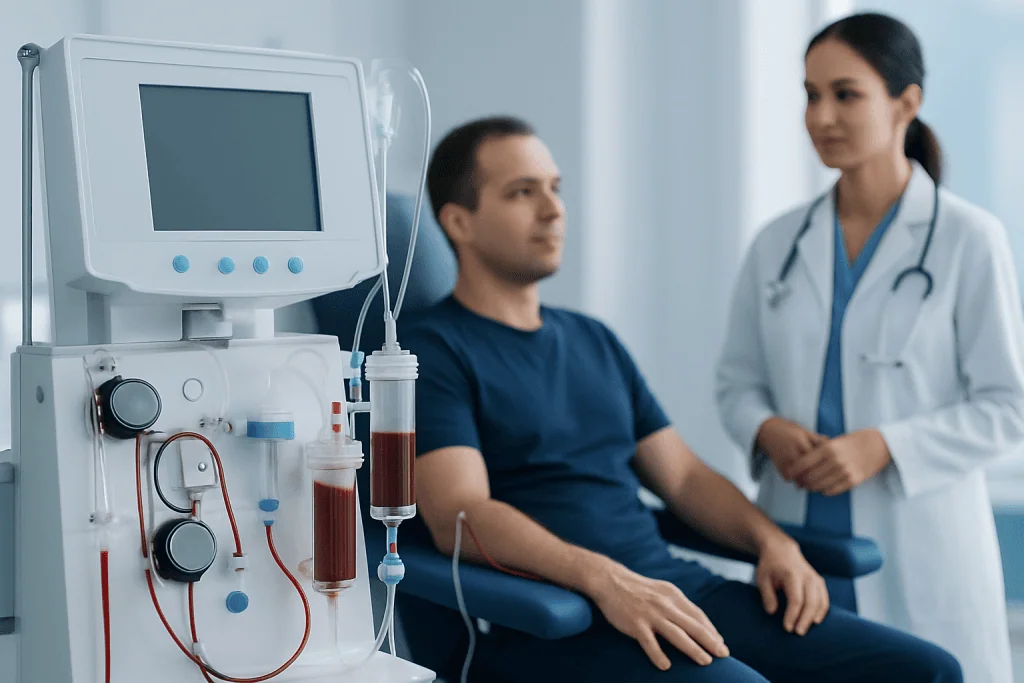
The stem cell infusion itself is usually similar to a blood transfusion: donor cells are administered through a central venous line over several hours. It does not involve surgery on the bone marrow. Afterward, the most important stage begins: waiting for engraftment, when donor cells start producing new blood and immune cells. Bone marrow transplant care includes close inpatient and outpatient monitoring throughout this process.
Blood tests are performed frequently to measure cell counts, donor chimerism and signs of immune recovery. The team also watches closely for fever, infections, medication effects and graft-versus-host disease, a complication in which donor immune cells attack the recipient’s tissues.
SCID Recovery Timeline and the First 100 Days
SCID recovery is gradual and differs from one person to another. During the first weeks, patients are especially vulnerable because the immune system is still very limited and treatment may have lowered blood counts. Hospital stay length depends on the transplant approach, complications, feeding needs and the ability to safely continue monitoring outside the hospital.
Engraftment often begins within weeks, but the return of effective immune function takes longer. T-cell recovery may continue for many months, and some people need immunoglobulin replacement or preventive antimicrobials for a period after transplant. The care team uses laboratory testing rather than time alone to decide when precautions can be eased.
The first 100 days are commonly treated as an intensive monitoring period. Appointments may be frequent, and families are taught to report fever, cough, diarrhea, rash, vomiting, poor intake or unusual sleepiness promptly. Food safety, hand hygiene, medication adherence and avoiding exposure to people who are unwell remain important.
What happens after 100 days after stem cell transplant? After day 100, many patients have fewer immediate transplant-related complications, but follow-up remains essential. The team continues to assess immune-cell numbers and function, donor-cell engraftment, growth, organ health, infections and late effects of conditioning. Vaccine planning is individualized; routine vaccines are not restarted until the transplant and immunology teams confirm that immune recovery is adequate.
Benefits, Risks and the Hardest Part of Recovery
The central benefit of a SCID stem cell transplant is the potential to develop a functioning immune system and reduce the lifelong danger of severe infections. Outcomes are generally best when SCID is diagnosed and treated early, particularly before serious infections occur. Even after successful engraftment, the degree of recovery can vary by SCID subtype, donor type and conditioning plan.
Possible risks include bacterial, viral or fungal infections; graft failure or incomplete engraftment; medication side effects; organ inflammation; and graft-versus-host disease (GVHD). Acute GVHD can affect the skin, liver or digestive tract, while chronic GVHD may occur later and can involve several organs. These risks are why transplant follow-up is structured, frequent and long term.
What are the worst days after a stem cell transplant? There is no identical “worst day” for every patient. For people who receive conditioning, the days when blood counts are lowest—often in the first few weeks before engraftment—can be especially demanding because infection risk, fatigue, mouth soreness, nausea or diarrhea may occur. The transplant team provides supportive care, including infection prevention, symptom relief, nutrition support and transfusions when needed.
Families should remember that difficult early days do not predict the final result on their own. Daily monitoring helps clinicians identify concerns early and adjust treatment. Emotional support for parents, caregivers and siblings is also an important part of recovery.
Can People With SCID Live a Normal Life?
Can people with SCID live a normal life? Many people who receive timely, successful treatment can grow, learn, attend school and take part in family and community life. Their long-term outlook depends on factors such as the genetic type of SCID, the donor match, whether infections occurred before transplant and how fully immune function recovers.
Some individuals need continuing specialist follow-up, immunoglobulin treatment, additional infection prevention or treatment for transplant-related complications. Others may have more complete immune recovery. Regular assessments help determine which activities, vaccinations and precautions are appropriate at each stage of life.
Can you live 20 years after a stem cell transplant? Yes. Many transplant recipients live for decades after transplantation, including people treated in childhood. A transplant is not a single event but the start of lifelong health monitoring, particularly for those who received chemotherapy conditioning or experienced complications. Long-term care may include reviews of immune health, growth, fertility, heart and lung health, endocrine function and psychosocial wellbeing.
For international patients, Acibadem International’s multidisciplinary specialists and JCI-accredited hospitals can support evaluation, transplant planning and follow-up coordination for SCID and related immune disorders.
Daily Protection, Follow-Up and When to Seek Medical Care
Until the transplant team confirms meaningful immune recovery, families should follow individualized precautions. These may include careful hand hygiene, avoiding close contact with people who have contagious illnesses, taking prescribed medicines consistently and following food-safety guidance. Decisions about school attendance, travel, visitors and pets should be discussed with the care team because recommendations differ by immune status and local infection risks.
When to seek medical care: A person with SCID, or someone who is SCID after transplant, should receive urgent medical advice for fever, breathing difficulty, persistent cough, new rash, repeated vomiting, diarrhea, severe abdominal pain, marked fatigue, reduced urine output, poor feeding or a change in alertness. Families should use the transplant center’s emergency contact instructions rather than waiting to see whether symptoms improve.
Follow-up also supports recovery beyond infection prevention. Nutrition, dental health, developmental support, mental health care and family counseling may all be part of a comprehensive plan. The transplant team should be consulted before starting supplements, herbal products, over-the-counter medicines or vaccines.
Parents and caregivers should keep an updated medication list, transplant summary and emergency contact information available for other healthcare professionals. Clear communication between the transplant center, local pediatrician and any emergency team helps provide safer care during and after recovery.
Frequently asked questions
Is stem cell transplant the only treatment for SCID?
For most forms of SCID, hematopoietic stem cell transplantation is the established treatment intended to restore immune function. Supportive care, such as immunoglobulin replacement and infection prevention, is important before and after transplant but does not correct the underlying immune-cell problem. Certain genetic forms may also be considered for gene therapy at specialized centers.
How quickly does the immune system recover after a SCID stem cell transplant?
Early engraftment may occur within weeks, but complete immune recovery usually takes months and sometimes longer. Recovery varies with the SCID subtype, donor source, conditioning regimen and complications. Blood tests and functional immune testing guide decisions about precautions, medications and vaccines.
Does every child with SCID need chemotherapy before transplant?
No. Whether conditioning chemotherapy is needed depends on the genetic cause of SCID, donor type, infection status and the goal of achieving durable donor-cell engraftment. Some children can receive a transplant without conditioning, while others benefit from a tailored conditioning approach. The transplant team discusses the expected benefits and risks for the individual child.
What is graft-versus-host disease after a SCID transplant?
Graft-versus-host disease occurs when donor immune cells recognize the recipient’s tissues as different and cause inflammation. It may affect the skin, liver, intestines or other organs, and it can be acute or chronic. Careful donor selection, preventive medicines and close monitoring help reduce and manage this risk.
When can vaccines be given after a SCID stem cell transplant?
Vaccines are not restarted according to a fixed calendar alone. The transplant and immunology teams first confirm that immune recovery is sufficient and that any immunosuppressive treatment is considered in the plan. Live vaccines require particularly careful specialist assessment.
Can SCID return after a successful stem cell transplant?
SCID itself does not usually return in the same way as a cancer can recur, but immune recovery may be incomplete or donor cells may not remain at adequate levels. This is why long-term testing of immune function and donor chimerism is important. In some circumstances, additional treatment or another transplant may be considered.
References
- Primary Immune Deficiency Foundation
- Immune Deficiency Foundation
- Centers for Disease Control and Prevention
- National Institutes of Health
- European Society for Blood and Marrow Transplantation
This article is for general information only and is not a substitute for professional medical advice. Please consult a qualified doctor about your individual situation.
Stem Cell Transplant in Turkey — costs, top hospitals & a free quote
JCI-accredited · board-certified surgeons · reply within 24h
Add us as a Preferred Source to see more of our trusted health content across Google Search, AI Overviews and Discover.

Organ Transplantation
Kidney, liver and bone-marrow transplantation programs with dedicated coordination.
4 specialists in this unit