Scleroderma: An Evidence-Based Guide for Patients

Scleroderma is an autoimmune disease that can affect the skin, blood vessels, joints, and internal organs. There are different forms, including localized scleroderma and systemic sclerosis, with varying severity.
Key Takeaways
- Scleroderma is an autoimmune disease that can affect the skin, blood vessels, joints, and internal organs.
- There are different forms, including localized scleroderma and systemic sclerosis, with varying severity.
- Common early features include Raynaud’s phenomenon, swollen fingers, skin tightening, and reflux symptoms.
- Diagnosis usually combines medical history, examination, blood tests, imaging, and organ-function testing.
- Treatment focuses on symptom control, protecting organs, and improving daily function through a personalized plan.
- Prompt medical assessment is important if symptoms progress or breathing, swallowing, blood pressure, or kidney function are affected.
Scleroderma is a chronic autoimmune connective tissue disease that causes the body to make too much collagen, leading to skin thickening and, in some people, internal organ involvement. While there is no single cure, early diagnosis, careful monitoring, and tailored treatment can help control symptoms, reduce complications, and support quality of life.
What scleroderma is and how it affects the body
Scleroderma is a long-term autoimmune disease in which the immune system becomes overactive and triggers excess collagen production. Collagen is a normal structural protein, but when too much builds up, the skin and connective tissues can become thick, tight, and less flexible. In some people, this process also affects small blood vessels and internal organs.
The term scleroderma is often used broadly, but doctors usually separate it into two main groups: localized scleroderma, which mainly affects the skin and nearby tissues, and systemic sclerosis, which can involve the skin as well as organs such as the lungs, digestive tract, heart, or kidneys. Disease patterns differ greatly from one person to another, so a confirmed diagnosis is important for planning care.
Scleroderma is not contagious, and it does not develop because of anything a person did wrong. Some people have mild disease that stays stable for years, while others need closer follow-up to watch for complications. A structured evaluation helps identify which body systems are involved and what treatment may be most helpful.
Types of scleroderma and why the distinction matters
Localized scleroderma usually affects limited areas of skin and sometimes tissues just beneath the skin. It may appear as oval patches or bands of thickened skin. Although localized forms can cause cosmetic or movement concerns depending on their location, they do not usually damage internal organs in the same way systemic sclerosis can.
Systemic sclerosis is the form most people mean when discussing scleroderma as a multi-organ disease. It is commonly divided into limited cutaneous systemic sclerosis and diffuse cutaneous systemic sclerosis. In limited disease, skin thickening tends to involve the hands, forearms, feet, lower legs, and face, while diffuse disease may involve broader skin areas and can be associated with earlier internal organ involvement.
This distinction matters because symptoms, monitoring needs, and treatment priorities may differ. For example, someone with skin-limited disease may primarily need support for circulation, skin care, and mobility, while a person with systemic sclerosis may also need regular checks for lung, heart, kidney, or gastrointestinal complications. In specialist settings, evaluation may overlap with assessments used for other autoimmune connective tissue conditions, including rheumatologic diseases.
Symptoms and early warning signs

Scleroderma symptoms can begin gradually and may be subtle at first. One of the most common early signs is Raynaud’s phenomenon, in which fingers or toes turn white, blue, or red in response to cold or stress. People may also notice puffy hands, finger stiffness in the morning, or skin that feels tighter than usual.
As the condition develops, the skin may become shiny, thickened, or harder to pinch. Joint pain, muscle aches, fatigue, and reduced flexibility are also common. Some people develop small widened blood vessels on the skin, known as telangiectasias, or calcium deposits under the skin that can become uncomfortable.
Digestive symptoms are also frequent, especially in systemic sclerosis. These may include heartburn, acid reflux, bloating, difficulty swallowing, constipation, or diarrhea. If the lungs are affected, a person may notice shortness of breath, a dry cough, or reduced exercise tolerance. Not everyone develops organ involvement, but new symptoms should be discussed with a doctor rather than being assumed to be minor.
- Color changes in fingers or toes with cold exposure
- Swollen or tight skin on the hands or face
- Joint stiffness or reduced hand movement
- Heartburn, reflux, or trouble swallowing
- Shortness of breath or persistent cough
- Unexplained fatigue or weight change
Causes, risk factors, and possible complications
The exact cause of scleroderma is not fully understood. It appears to result from a combination of immune system dysfunction, blood vessel injury, and abnormal collagen production in genetically susceptible individuals. Researchers believe that environmental triggers may contribute in some cases, but there is no single known cause for most patients.
Scleroderma is more common in women than men and is often diagnosed in adulthood, although it can occur at other ages. Having another autoimmune disease or a family history of autoimmune conditions may increase risk, but most people with scleroderma do not have a simple inherited pattern. Because symptoms vary so much, diagnosis may be delayed unless the pattern is recognized early.
Potential complications depend on which organs are involved. These can include scarring in the lungs, high blood pressure in the lung arteries, severe reflux, poor nutrient absorption, heart rhythm problems, and kidney complications. Early specialist care aims to detect these issues before they cause more significant damage. For patients with ongoing swallowing problems or persistent reflux, targeted evaluation may involve gastroenterology assessment as part of a broader care plan.
How scleroderma is diagnosed
There is no single test that confirms scleroderma in every person, so diagnosis usually combines several pieces of information. A doctor starts with a detailed history and physical examination, paying close attention to skin changes, circulation in the fingers, joint mobility, digestive symptoms, breathing symptoms, and blood pressure. The pattern of symptoms often provides important clues.
Blood tests may look for antinuclear antibodies and more specific autoantibodies associated with systemic sclerosis. These tests do not diagnose the disease on their own, but they help support the diagnosis and may offer clues about likely disease patterns. Depending on symptoms, doctors may also check kidney function, inflammatory markers, and other routine blood work.
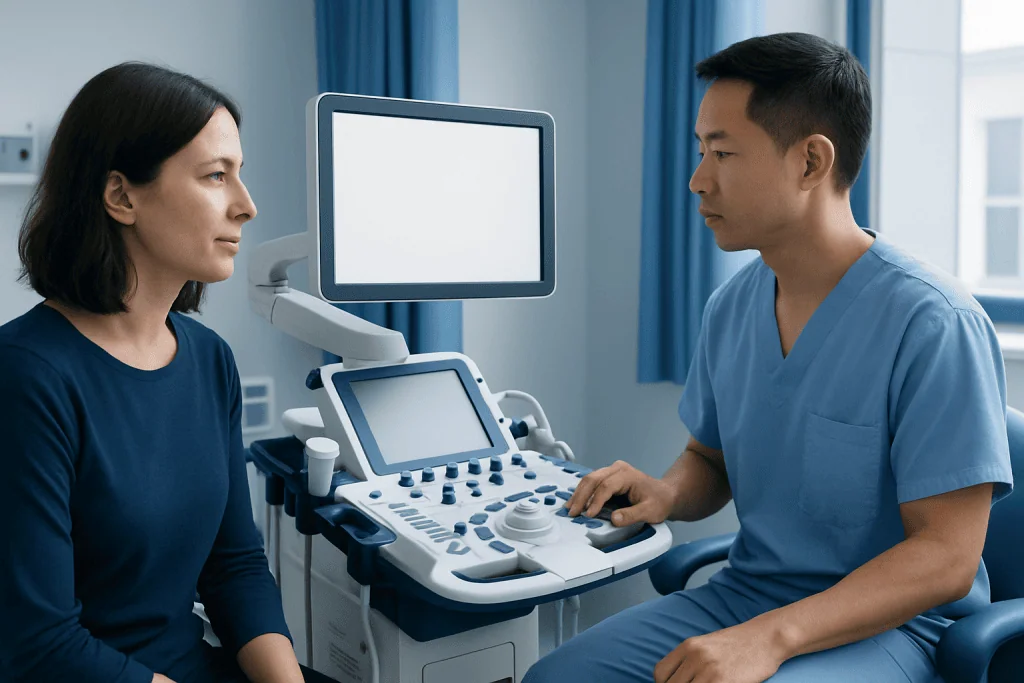
Because internal organ involvement may not be obvious early on, additional testing is often recommended. This may include lung function tests, chest imaging, echocardiography, electrocardiography, or tests of swallowing and reflux. In some patients, skin examination by experienced specialists and evaluation through rheumatology care helps coordinate the full diagnosis and follow-up plan.
Treatment options and long-term management
Scleroderma treatment is personalized and depends on the type of disease, the organs involved, and the symptoms that most affect daily life. While treatment cannot remove existing scarring completely, it can often reduce symptoms, slow progression in selected cases, protect organs, and improve comfort and function. Ongoing monitoring is as important as medication because treatment needs may change over time.
Common treatment strategies include medicines to improve blood flow for Raynaud’s phenomenon, reduce acid reflux, control inflammation, or suppress abnormal immune activity when there is significant organ or skin involvement. Some people also benefit from blood pressure management, pain relief strategies, and treatment for lung complications. If the lungs are affected, care may involve imaging and specialist review such as pulmonology evaluation.
Non-drug care also plays an important role. Physical therapy and hand exercises may help maintain mobility, reduce stiffness, and support daily function. Skin care, protecting the hands from cold, and nutritional guidance can also make a meaningful difference. In complex cases, multidisciplinary teams may include rheumatology, dermatology, pulmonology, cardiology, nephrology, and gastroenterology specialists. Near the end of the care pathway, some international patients choose centers such as Acibadem International, where multidisciplinary specialists in JCI-accredited hospitals diagnose and treat scleroderma and related autoimmune conditions.
Daily self-care and practical ways to protect health
Self-care does not replace medical treatment, but it can help reduce symptom flares and support overall well-being. Keeping the body warm, especially the hands and feet, can help reduce Raynaud’s episodes. Many people find that layered clothing, gloves, and avoiding sudden temperature changes are useful. Smoking cessation is especially important because nicotine narrows blood vessels and may worsen circulation problems.
Gentle stretching, regular movement, and hand exercises may help preserve flexibility. Moisturizing the skin can reduce dryness and discomfort, while pacing daily activities may help manage fatigue. For reflux symptoms, practical measures such as smaller meals, avoiding late-night eating, and discussing trigger foods with a clinician may be useful.
It can also help to keep a symptom record that notes changes in skin tightness, breathing, swallowing, blood pressure, and finger color changes. This gives the medical team a clearer picture of how the condition is behaving between visits. Emotional support matters too, since living with a chronic disease can be challenging; support groups, counseling, or education programs may help some patients cope more confidently.
When to seek medical care
Anyone with new Raynaud’s symptoms, unexplained skin thickening, puffy fingers, or persistent reflux combined with hand stiffness should arrange a medical evaluation. Early assessment matters because symptoms that appear mild at first may provide clues to a connective tissue disease that benefits from monitoring and treatment.
Urgent medical care is important if a person with known or suspected scleroderma develops sudden shortness of breath, chest pain, severe headache, a marked rise in blood pressure, reduced urination, black stools, significant trouble swallowing, or rapidly worsening weakness. These symptoms do not always mean a serious complication is present, but they should not be ignored.
Regular follow-up is also part of safe care, even when symptoms seem stable. Doctors may recommend periodic blood tests, lung checks, heart assessments, and blood pressure monitoring to look for changes before they become more advanced. Prompt attention to new symptoms often leads to more treatment options and better day-to-day control.
Frequently asked questions
Is scleroderma the same as systemic sclerosis?
The terms are related but not always identical. Scleroderma is a broad term that includes localized forms affecting mainly the skin and systemic sclerosis, which can involve internal organs. Doctors often use systemic sclerosis when they want to describe the multi-organ form more precisely.
Can scleroderma be cured?
There is currently no single cure for scleroderma. However, many treatments can help manage symptoms, protect organs, and improve quality of life. Early diagnosis and regular follow-up are important parts of care.
Does everyone with scleroderma develop organ problems?
No. Some people have disease that mainly affects the skin, while others develop involvement of the lungs, digestive tract, heart, or kidneys. The pattern is different for each person, which is why individualized monitoring is important.
What doctor treats scleroderma?
A rheumatologist often coordinates care because scleroderma is an autoimmune connective tissue disease. Depending on symptoms, other specialists may also be involved, such as dermatologists, lung specialists, heart specialists, kidney specialists, or gastroenterologists. Multidisciplinary care is often helpful.
What is usually the first symptom of scleroderma?
For many people, one of the earliest symptoms is Raynaud’s phenomenon, where fingers or toes change color in the cold or during stress. Puffy fingers, hand stiffness, or reflux can also appear early. Because these symptoms can have other causes, a medical evaluation is needed for proper diagnosis.
Can lifestyle changes help with scleroderma?
Yes, lifestyle measures can support medical treatment. Protecting the hands from cold, avoiding smoking, staying active within comfort, moisturizing the skin, and managing reflux triggers may all help reduce symptoms. These steps do not replace medical care, but they can improve daily comfort and function.
References
- National Institute of Arthritis and Musculoskeletal and Skin Diseases
- American College of Rheumatology
- National Organization for Rare Disorders
- Mayo Clinic
- MedlinePlus
This article is for general information only and is not a substitute for professional medical advice. Please consult a qualified doctor about your individual situation.
Scleroderma in Turkey — costs, top hospitals & a free quote
JCI-accredited · board-certified surgeons · reply within 24h
Add us as a Preferred Source to see more of our trusted health content across Google Search, AI Overviews and Discover.
Check your numbers in seconds
BMI, calories, due date, blood pressure and 30+ more clinical calculators — free, instant, doctor-reviewed ranges.