Sebaceous Glands: A Complete Medical Overview

Sebaceous glands produce sebum, which supports the skin barrier and helps prevent dryness. These glands are found in most areas of the skin and are especially numerous on the face, scalp, chest, and back.
Key Takeaways
- Sebaceous glands produce sebum, which supports the skin barrier and helps prevent dryness.
- These glands are found in most areas of the skin and are especially numerous on the face, scalp, chest, and back.
- Overactive or blocked sebaceous glands can contribute to acne, sebaceous cysts, and other skin concerns.
- Hormones, genetics, age, skin care habits, and some medical conditions can affect sebaceous gland activity.
- Persistent, painful, inflamed, or changing skin lesions should be assessed by a qualified doctor or dermatologist.
Sebaceous glands are tiny oil-producing glands in the skin that make sebum, a natural substance that helps keep the skin and hair moisturized and protected. Most of the time they work quietly in the background, but changes in hormone levels, blockage, inflammation, or infection can lead to common skin problems such as acne, enlarged pores, and cysts.
Overview of sebaceous glands
Sebaceous glands are microscopic glands in the skin that produce an oily substance called sebum. In simple terms, they are part of the body’s built-in skin care system: sebum helps reduce water loss, supports the skin barrier, and adds lubrication to the skin and hair. These glands are closely linked to hair follicles, although some open directly onto the skin surface.
Sebaceous glands are present over most of the body, with the exception of areas such as the palms of the hands and soles of the feet. They are most concentrated on the face, scalp, upper chest, and back. Because these are oil-rich areas, they are also the places where people most often notice acne, shine, enlarged pores, or cyst-like lumps.
Although sebaceous glands are small, they play an important role in everyday skin health. Problems usually arise not because the glands exist, but because they become overactive, blocked, inflamed, or secondarily infected. Understanding what they do can help explain why certain skin conditions develop and why treatment often focuses on balancing oil production, clearing blocked pores, and calming inflammation.
How sebaceous glands work
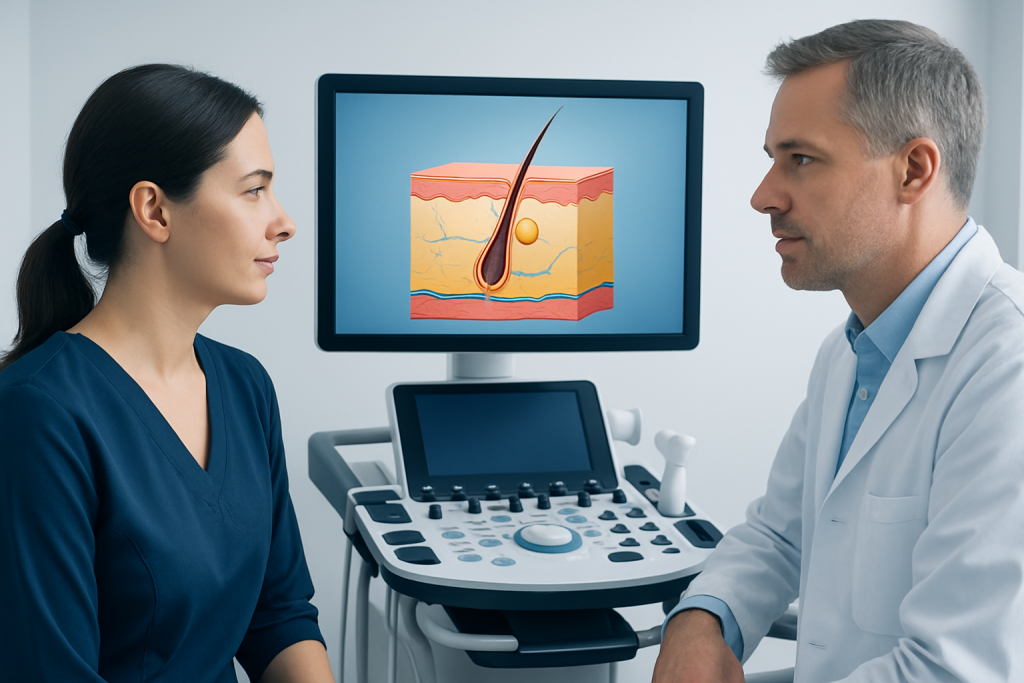
The main job of sebaceous glands is to make sebum, a mixture of lipids that coats the skin and hair. This oily layer helps the skin stay flexible, reduces excessive dryness, and contributes to protection against outside irritants. Sebum also interacts with the skin’s normal microbiome, the collection of harmless and helpful microorganisms that live on the skin.
These glands are influenced strongly by hormones, especially androgens. That is why oil production often increases during puberty and may change during the menstrual cycle, pregnancy, or later adulthood. In some people, the glands become more active than average, which can lead to visibly oily skin even with careful cleansing.
Sebum production is normal and necessary, but balance matters. Too little oil may contribute to dryness and irritation, while too much can mix with dead skin cells and clog hair follicles. This process can set the stage for acne lesions, blackheads, whiteheads, and inflamed breakouts. Related inflammatory conditions may sometimes overlap with acne or other disorders of the oil glands and hair follicles.
Common problems linked to sebaceous glands
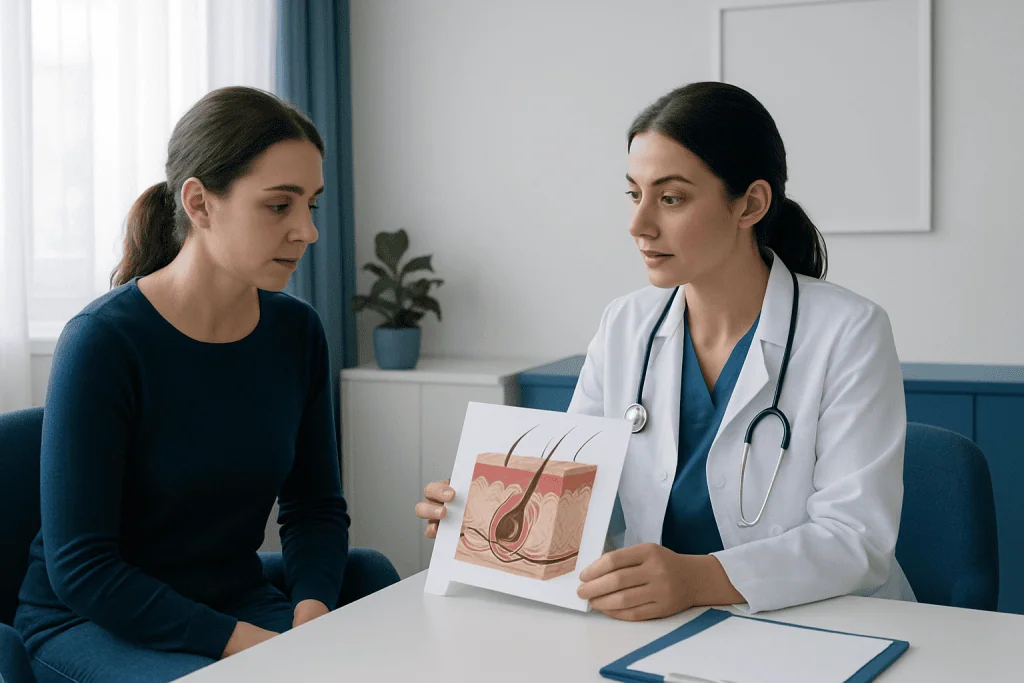
The most familiar sebaceous gland problem is acne. Acne develops when excess sebum, dead skin cells, and inflammation affect the hair follicle. Bacteria that normally live on the skin can also contribute to this process. The result may include blackheads, whiteheads, pimples, deeper nodules, or cystic lesions.
Another common issue is a sebaceous or epidermoid-type cyst, which can appear as a round, slow-growing lump under the skin. People often notice these on the scalp, face, neck, back, or trunk. Some cysts remain small and painless, while others become red, tender, or infected. If a cyst repeatedly enlarges or becomes bothersome, a doctor may discuss removal, sometimes with a procedure such as dermatologic surgery.
Sebaceous glands can also be involved in conditions such as sebaceous hyperplasia, where enlarged glands create small yellowish or flesh-colored bumps, often on the face. Inflammation around sebaceous glands may contribute to folliculitis or, in more complex cases, hidradenitis suppurativa in areas with hair follicles and sweat glands. Most of these conditions are manageable, but proper diagnosis matters because not every bump or oily patch has the same cause.
- Acne and clogged pores
- Oily skin and enlarged pores
- Cysts and inflamed lumps
- Sebaceous hyperplasia
- Folliculitis and related inflammatory skin disorders
Causes and risk factors
Several factors influence how sebaceous glands behave. Genetics plays a major role, which is why oily skin and acne often run in families. Hormonal changes are another key factor, especially during puberty, adolescence, pregnancy, and certain endocrine conditions. Some medicines may also affect the glands or the skin’s tendency to break out.
Age matters as well. Sebaceous glands are relatively active in newborns because of maternal hormones, become quieter in childhood, then increase again around puberty. In adulthood, activity may remain high or gradually decline over time. This pattern helps explain why acne can affect teenagers, but also why adults may continue to experience breakouts or oily skin.
External factors can make symptoms worse even if they do not directly “cause” a gland disorder. Heavy or occlusive skin products, friction from helmets or tight clothing, frequent touching of the face, and humid environments may contribute to clogged follicles. Stress may also worsen some inflammatory skin conditions. If outbreaks are persistent, a dermatologist may recommend a full skin assessment and, when needed, dermatology consultation to identify triggers and build an appropriate care plan.
Symptoms and how problems may appear
Sebaceous gland-related problems often show up as changes in skin texture, oiliness, or bumps. Some people notice persistent shine, enlarged pores, blackheads, or small white bumps. Others develop inflamed pimples, painful nodules, or lumps beneath the skin. The location can be an important clue, since oil-rich areas such as the face, scalp, chest, and back are common sites.
A cyst linked to a blocked gland or follicle usually feels like a smooth, rounded lump under the skin. It may stay unchanged for a long time or slowly enlarge. If it becomes inflamed or infected, the area can turn red, warm, tender, and sometimes drain material. Any rapidly changing lump should be medically assessed rather than self-treated.
Some symptoms suggest the need for a closer look. Recurrent breakouts that leave scars, frequent painful cysts, drainage, swelling around the eyes or nose, or skin lesions that bleed, crust, or do not heal should not be ignored. A clinical examination helps distinguish common benign problems from other skin disorders that may need different care.
How doctors diagnose sebaceous gland conditions
Diagnosis usually begins with a medical history and physical examination. A doctor looks at the appearance, size, location, and duration of the skin changes, and asks about pain, drainage, prior episodes, family history, medications, and skin care habits. In many cases, acne, sebaceous hyperplasia, or a simple cyst can be identified clinically.
Sometimes further evaluation is needed. If a lump is unusual, recurrent, inflamed, or difficult to classify, a doctor may recommend imaging or a minor procedure to confirm what it is. If a lesion is removed, the tissue may be examined in a laboratory to ensure an accurate diagnosis, especially when the appearance is atypical.
Diagnosis is also important because not every lesion near a sebaceous gland is actually caused by the gland itself. Conditions such as lipomas, inflamed follicles, skin infections, or other benign and malignant growths can sometimes look similar. In selected cases, treatments such as skin biopsy may help clarify the diagnosis and guide next steps.
Treatment options and everyday management
Treatment depends on the specific problem. For acne, care may include gentle cleansing, non-comedogenic skin products, and topical or oral medicines recommended by a doctor. The aim is usually to reduce blocked pores, control inflammation, and limit new lesions. Squeezing or picking often worsens inflammation and increases the risk of scarring.
For a cyst, treatment depends on symptoms. A small, painless cyst may simply be monitored, while an inflamed or infected one may need medical treatment. If a cyst is bothersome, repeatedly inflamed, or cosmetically troubling, complete removal may be considered. Self-draining a lump at home is not advised because it can lead to infection, incomplete removal, or scarring.
Daily skin care can support treatment but usually does not replace it. Gentle washing once or twice a day, choosing fragrance-free and non-comedogenic products, removing makeup carefully, and avoiding harsh scrubbing can all help reduce irritation. In more persistent or complex cases, multidisciplinary specialists at Acibadem International’s JCI-accredited hospitals evaluate skin and soft tissue conditions for international patients and provide tailored diagnosis and treatment plans.
Prevention, self-care, and when to seek medical care
Healthy skin habits can help sebaceous glands function more smoothly, even though they cannot completely change a person’s genetics or hormones. Helpful steps include using gentle cleansers, avoiding heavy oil-based cosmetics if they trigger breakouts, showering after excessive sweating, and choosing hair and skin products labeled non-comedogenic. It is also wise to avoid frequent touching, squeezing, or picking at lesions.
People with oily or acne-prone skin often benefit from consistency rather than aggressive routines. Over-washing, alcohol-based products, or rough exfoliation can irritate the skin and sometimes make symptoms seem worse. Balanced skin care, sunscreen use, and following a doctor’s treatment plan are usually more effective than trying multiple strong products at once.
Medical care should be sought if a skin lump is painful, red, hot, rapidly enlarging, draining pus, or repeatedly returning. A doctor should also assess acne that is severe, leaves scars, affects self-confidence, or does not improve with routine skin care. Prompt evaluation is especially important for any skin lesion that changes in color or shape, bleeds, forms a persistent crust, or does not heal as expected.
Frequently asked questions
What are sebaceous glands?
Sebaceous glands are small oil-producing glands in the skin. They make sebum, which helps keep the skin and hair moisturized, flexible, and protected.
Where are sebaceous glands found?
They are found in most areas of the body, usually near hair follicles. They are especially common on the face, scalp, chest, and back, and are generally absent on the palms and soles.
Do sebaceous glands cause acne?
Sebaceous glands do not cause acne by themselves, because oil production is a normal body function. Acne develops when excess sebum, dead skin cells, inflammation, and follicle blockage occur together.
Can sebaceous glands be removed?
Sebaceous glands are a normal part of the skin and are not usually removed as a whole. If a cyst or other localized problem develops, a doctor may remove the affected lesion or treat the specific condition.
Why is my skin so oily?
Oily skin can be related to genetics, hormones, age, climate, and skin care products. In many people, increased sebaceous gland activity is normal, but persistent or troublesome oiliness can be discussed with a dermatologist.
Are sebaceous cysts dangerous?
Most sebaceous-type cysts are benign and not dangerous. However, they can become inflamed, infected, painful, or confused with other skin lumps, so a doctor should assess any persistent or changing mass.
References
- American Academy of Dermatology
- National Institute of Arthritis and Musculoskeletal and Skin Diseases
- Merck Manual Consumer Version
- Mayo Clinic
- DermNet
This article is for general information only and is not a substitute for professional medical advice. Please consult a qualified doctor about your individual situation.
Hair transplant in Turkey — costs, graft counts & a free assessment
JCI-accredited · board-certified surgeons · reply within 24h
Add us as a Preferred Source to see more of our trusted health content across Google Search, AI Overviews and Discover.

More from the Health Library

Toxic Megacolon: An Evidence-Based Guide for Patients

Highest Life Expectancy in 1800 — Explained by Medical Evidence, Not Myths

Tingling in Head: A Complete Medical Overview

Lupus Life Expectancy: An Evidence-Based Guide for Patients

Conium Maculatum Poison: An Evidence-Based Guide for Patients