Second Opinion for Bone and Joint Problems: When It Can Change Treatment

A second opinion can confirm or refine a diagnosis before treatment decisions are made. It is especially helpful for complex pain, spine conditions, sports injuries, arthritis, and planned surgery.
Key Takeaways
- A second opinion can confirm or refine a diagnosis before treatment decisions are made.
- It is especially helpful for complex pain, spine conditions, sports injuries, arthritis, and planned surgery.
- Another specialist may recommend different imaging, non-surgical care, or a revised surgical plan.
- Patients should bring prior reports, images, medication lists, and a clear timeline of symptoms.
- Seeking a second opinion is a normal part of informed care and does not mean losing trust in the first doctor.
A second opinion for bone and joint problems can clarify a diagnosis, confirm whether treatment is necessary, and offer alternatives that may better match a patient’s symptoms and goals. It is especially valuable when surgery is being considered, the diagnosis is uncertain, or recovery is not progressing as expected.
Overview
A second opinion for bone and joint problems is a medical review by another qualified specialist after an initial diagnosis or treatment plan has been given. It can help patients understand whether the condition has been identified correctly, whether the recommended treatment is the best next step, and whether there are non-surgical or less invasive options to consider.
Bone, joint, and spine conditions often overlap in symptoms. Pain may come from the joint itself, surrounding muscles and tendons, nerves, inflammation, wear-and-tear changes, or a combination of these factors. Because of that complexity, a second specialist review can be especially useful when symptoms are severe, persistent, unusual, or not improving as expected.
Seeking another opinion is a common and reasonable part of shared decision-making. It can give patients greater confidence, reduce uncertainty, and help them move forward with a plan that fits their diagnosis, health needs, and personal goals.
When a second opinion can change treatment
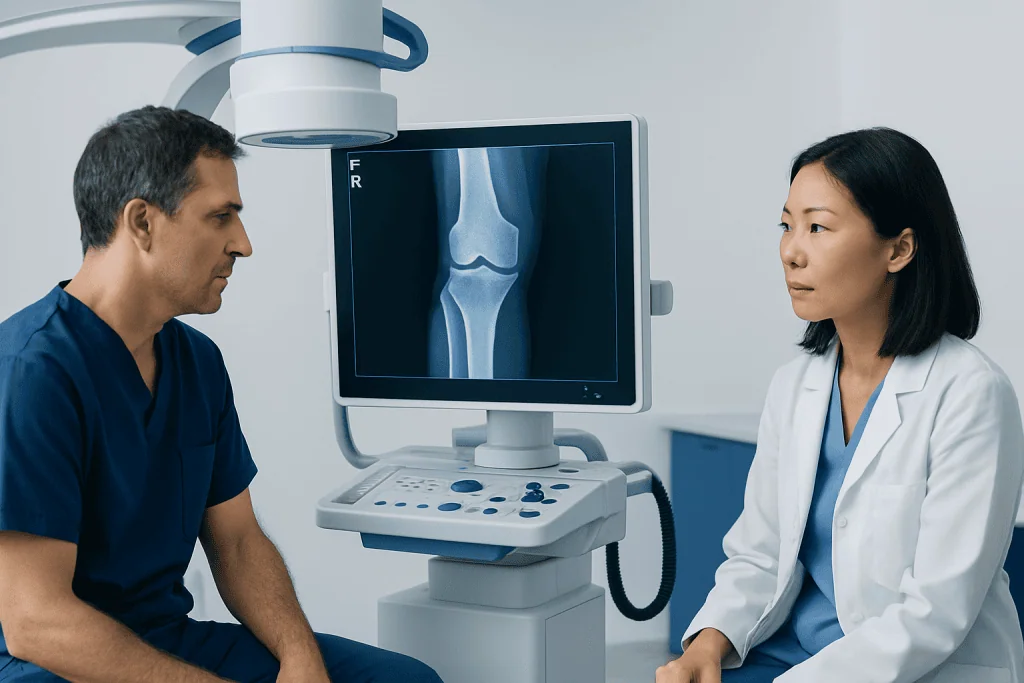
A second opinion can change treatment when the original diagnosis is incomplete or when more than one condition could explain the symptoms. For example, back pain may be related to a disc problem, spinal stenosis, muscle strain, joint degeneration, or nerve irritation. A new evaluation may lead to different imaging, a more specific diagnosis, or a different treatment pathway.
It is also valuable when surgery has been proposed. Another specialist may agree that surgery is appropriate, but suggest a different approach, a different timing, or a period of structured rehabilitation first. In some cases, the second opinion may show that conservative care is still reasonable and surgery can be postponed or avoided.
Patients may benefit from a second opinion if they have persistent knee, hip, shoulder, hand, or spine pain; if treatment has not worked as expected; if they have a complex injury; or if they are uncertain about the risks and benefits of a procedure. A second review can also help patients better understand whether pain is likely to improve with time, therapy, medication, injections, or surgery.
Common situations where it is especially helpful

Second opinions are often helpful for people with arthritis, sports injuries, fractures that are slow to heal, nerve-related pain, spinal deformities, or chronic joint swelling. They may also be useful when symptoms do not match the test results, or when the problem affects daily activities, sleep, work, or mobility.
People may seek a second opinion after receiving a recommendation for spinal surgery, joint replacement, arthroscopy, ligament repair, or fracture fixation. It can also be useful when a condition is rare or complex, such as infection around a joint, a bone tumor, or pain after a previous operation. In these situations, review by a specialist with broad experience may help clarify the safest and most effective approach.
Patients may also choose a second opinion when they simply want reassurance before making an important decision. Wanting clarity is not overreacting; it is part of making informed choices.
What a second specialist reviews
During a second opinion, the specialist usually reviews the medical history, symptoms, physical examination findings, imaging, laboratory results, and any previous treatment response. This may include X-rays, MRI scans, CT scans, ultrasound reports, blood tests, physical therapy notes, and operative reports if a prior procedure has already been done.
The specialist may ask when the pain started, what worsens or relieves it, whether there is swelling or stiffness, and whether the patient has weakness, numbness, instability, or reduced range of motion. These details help identify whether the issue is mechanical, inflammatory, nerve-related, or caused by a combination of factors.
Sometimes the review leads to a different interpretation of existing studies. In other cases, the main value is confirming the diagnosis and explaining why a particular plan makes sense. A careful review can also identify missing information that should be obtained before treatment begins.
How the diagnosis may differ
Bone and joint symptoms can be caused by several overlapping problems, so it is not unusual for two specialists to focus on different aspects of the same condition. One doctor may emphasize joint degeneration, while another may identify inflammation, instability, referred pain, tendon injury, or spinal nerve compression as the main issue.
A second opinion may lead to additional imaging, repeat examination, or referral to another specialty such as rheumatology, neurology, or pain medicine. In some cases, the diagnosis becomes more precise after the patient is examined by a physician who regularly treats similar conditions. More precision can mean a better-targeted treatment plan.
For patients, this process can feel reassuring. Instead of simply choosing between “yes” and “no” for surgery, they may receive a more complete explanation of what is causing the pain and what options are available at each stage.
Treatment options that may be recommended
A second opinion may support the original plan or suggest a different one. Treatment for bone and joint problems may include activity modification, physical therapy, pain-relief medicines, braces or supports, injections, lifestyle adjustments, or surgery when appropriate. The right option depends on the diagnosis, symptom severity, functional limitations, and the patient’s overall health.
For some conditions, a specialist may recommend a more conservative approach first, such as guided exercise, posture correction, weight management, or temporary rest from certain activities. For others, a second opinion may confirm that delaying treatment could lead to more pain, instability, or damage. In these cases, timely surgery or another procedure may be the better choice.
Useful treatment planning often includes discussion of expected recovery time, rehabilitation needs, and what improvement is realistic. Patients may find it helpful to ask how the proposed plan compares with other options, including the pros and cons of each.
Where appropriate, a specialist may discuss advanced orthopedic evaluation or procedures such as orthopedic surgery or joint replacement as part of a broader treatment plan. For spine-related concerns, a careful review may also include whether spine surgery is truly needed or whether non-operative care should be tried first.
How to prepare for a second opinion
Preparation helps the second specialist give the most useful advice. Patients should bring previous clinic notes, imaging scans or reports, laboratory results, a list of medications and supplements, and any records of physical therapy or prior procedures. A concise timeline of symptoms can also be helpful.
It is useful to write down questions in advance. Common questions include whether the diagnosis is certain, whether more testing is needed, whether surgery is urgent, what would happen if treatment is delayed, and whether there are less invasive alternatives. Patients may also ask how the proposed treatment is expected to improve pain, movement, and daily function.
If possible, patients should not stop treatments on their own before the appointment. Any change in medication or therapy should be discussed with a qualified clinician. Bringing complete information allows the second opinion to be faster, clearer, and more accurate.
When to see a doctor
Anyone with ongoing bone, joint, or spine pain should see a doctor if symptoms are lasting, worsening, or interfering with normal activities. A second opinion is especially appropriate when the diagnosis is unclear, the recommended treatment feels major, or the patient wants more confidence before deciding.
Patients should also seek prompt medical review if they notice new weakness, numbness, repeated falls, significant swelling, reduced ability to bear weight, fever with joint pain, or pain after a major injury. These symptoms do not always mean a serious problem, but they do deserve medical assessment without delay.
In Acibadem International hospitals, multidisciplinary specialists and JCI-accredited teams evaluate and treat bone and joint conditions for international patients, helping provide coordinated reviews when a second opinion is needed.
Frequently asked questions
What is a second opinion for bone and joint problems?
It is a review by another qualified specialist after a diagnosis or treatment plan has already been given. The goal is to confirm the diagnosis, explain the condition clearly, and see whether a different approach may be better.
When should a patient consider getting one?
It is especially helpful when surgery is being considered, pain is not improving, the diagnosis is uncertain, or symptoms are complex. It is also reasonable when a patient wants more confidence before making a major treatment decision.
Can a second opinion avoid surgery?
Sometimes it can. A second specialist may suggest more testing, rehabilitation, injections, lifestyle changes, or observation before surgery is chosen, depending on the condition and how severe it is.
Will the second doctor think the first doctor was wrong?
Not necessarily. Often the second opinion confirms the original plan or adds useful details. Different specialists may simply emphasize different aspects of the same condition.
What records should be brought to the appointment?
Patients should bring imaging reports or scans, clinic notes, test results, a medication list, and records of past therapy or procedures. A symptom timeline and a list of questions can also be very helpful.
Is it appropriate to ask for a second opinion?
Yes. It is a normal part of informed medical care and does not mean the patient is being difficult. Most clinicians understand that patients may want extra clarity before deciding on treatment.
References
- American Academy of Orthopaedic Surgeons
- National Institute of Arthritis and Musculoskeletal and Skin Diseases
- NHS
- Mayo Clinic
This article is for general information only and is not a substitute for professional medical advice. Please consult a qualified doctor about your individual situation.
Joint and spine care in Turkey — expert assessment & treatment
JCI-accredited · board-certified surgeons · reply within 24h
Add us as a Preferred Source to see more of our trusted health content across Google Search, AI Overviews and Discover.

More from the Health Library



Related Specialists

Dr. Mehmet Severcan
Aesthetic Plastic & Reconstructive Surgery
Prof. Dr. Mustafa Çorum
Manual Therapy
Dr. İsmail Tamer
General Surgery
Prof. Dr. Mehmet Veli Karaaltın
Aesthetic Plastic & Reconstructive Surgery