Second Puberty: What Patients Need to Know

Second puberty is a common phrase, but it is not a formal medical diagnosis. Many changes blamed on second puberty are caused by normal aging, stress, lifestyle, or hormone fluctuations.
Key Takeaways
- Second puberty is a common phrase, but it is not a formal medical diagnosis.
- Many changes blamed on second puberty are caused by normal aging, stress, lifestyle, or hormone fluctuations.
- Persistent, sudden, or severe symptoms may point to a hormone disorder and should be assessed by a doctor.
- Evaluation may include a medical history, physical exam, and targeted blood tests rather than one single test.
- Treatment depends on the cause and may involve lifestyle measures, symptom relief, or care from an endocrinology, gynecology, dermatology, or urology specialist.
Second puberty is not an official medical term. People often use it to describe body, skin, mood, weight, or sexual health changes that happen in the late teens, 20s, 30s, or around midlife, and these changes may be normal, lifestyle-related, or linked to a medical condition.
What does second puberty mean?
Second puberty is not a medical diagnosis, but many people use the term to describe body changes that seem to echo the teenage years. These changes can include acne, mood shifts, changes in body odor, weight redistribution, altered sex drive, irregular periods, breast changes, or more noticeable body hair. In most cases, this phrase refers to normal adult development or hormone fluctuations rather than a true second round of puberty.
The reason the term feels relatable is that the body keeps changing long after adolescence ends. Hormones continue to influence the skin, metabolism, reproductive system, sleep, and emotions throughout adult life. Changes can become more noticeable during early adulthood, after pregnancy, during periods of stress, with weight changes, or as part of perimenopause and aging.
It is also important to separate internet language from medical language. A doctor would usually look for a specific explanation such as menstrual hormone changes, polycystic ovary syndrome, thyroid disease, low testosterone, medication effects, or natural age-related changes. When symptoms are disruptive or unexpected, the goal is not to decide whether second puberty is real, but to understand what is driving the changes.
Common changes people describe as second puberty
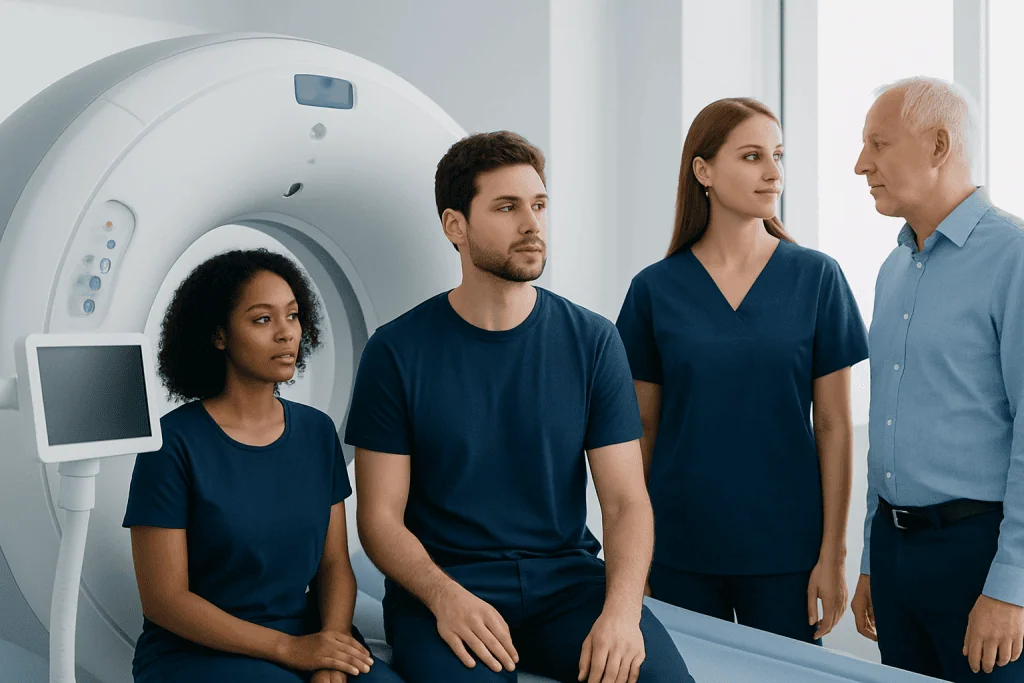
The experience varies widely from person to person. Some people mainly notice skin and hair changes, while others feel shifts in mood, weight, sleep, or sexual health. These symptoms can happen alone or together, and they do not always mean that hormone levels are abnormal.
Common changes include:
- Acne or oilier skin
- Body odor changes
- Weight gain or changes in body shape
- Breast tenderness or breast size changes
- Irregular periods or stronger premenstrual symptoms
- Lower or higher sex drive
- Mood swings, irritability, or feeling more emotional
- New facial or body hair, or scalp hair thinning
- Changes in sleep, energy, or appetite
These changes may be temporary. For example, a person in their early 20s may develop adult acne despite having clear skin as a teenager. Someone in their late 30s or 40s may notice cycle changes related to perimenopause. Another person may connect weight gain and fatigue to second puberty when the main contributors are poor sleep, stress, or reduced physical activity.
The key point is that symptoms should be viewed in context. A single mild change is often not concerning. A pattern of symptoms, especially if it appears suddenly or disrupts daily life, deserves a closer look.
Why these changes happen
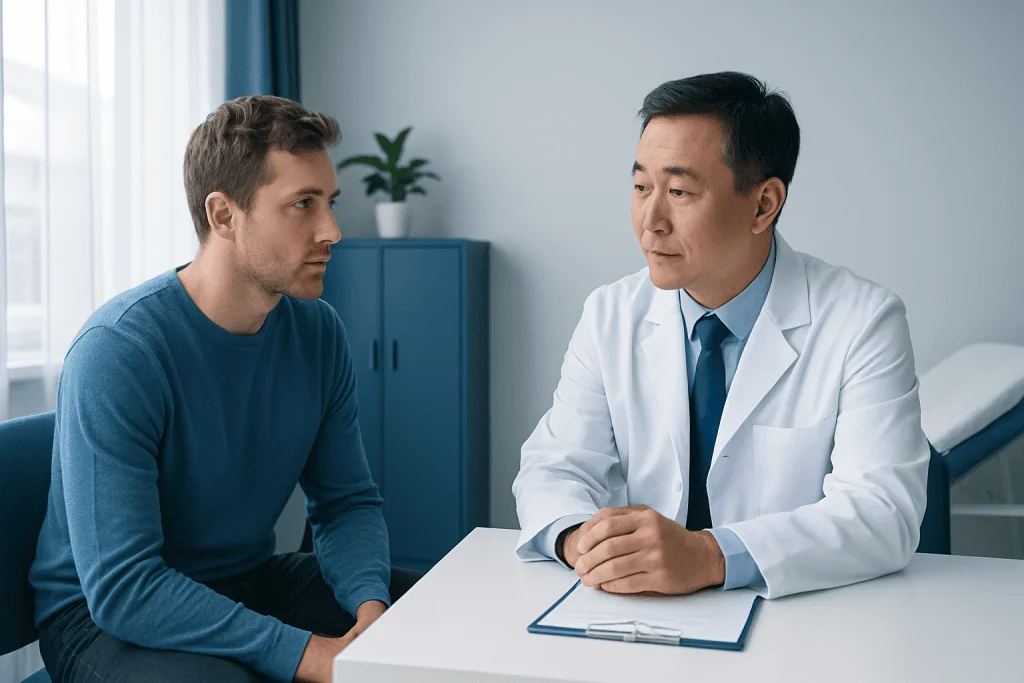
There is no single cause of so-called second puberty. Instead, several normal and medical factors can produce similar effects. Hormones such as estrogen, progesterone, testosterone, cortisol, insulin, and thyroid hormones all influence how the body feels and functions, and even modest shifts can be noticeable.
Normal life stages are a common explanation. In women, hormone patterns change across the menstrual cycle, after childbirth, during breastfeeding, and during perimenopause. In men, testosterone levels change gradually with age, and body composition may shift over time. During young adulthood, the brain and body are still maturing, and lifestyle patterns often change at the same time, affecting sleep, weight, skin, and mood.
Non-hormonal factors matter too. Stress can raise cortisol and worsen acne, sleep, and appetite. Rapid weight gain or loss can affect periods and energy levels. Certain medications, including some contraceptives, steroids, antidepressants, and acne treatments, may contribute to noticeable physical or emotional changes. Intense exercise, under-eating, and chronic illness can also alter hormone function.
Sometimes an underlying condition is involved. Examples include polycystic ovary syndrome, thyroid disorders, insulin resistance, high prolactin levels, premature ovarian insufficiency, and less commonly pituitary or adrenal problems. In these situations, what seems like second puberty is really a clue to a condition that can be diagnosed and managed.
How doctors evaluate second puberty symptoms
Because second puberty is not a diagnosis, medical evaluation focuses on the specific symptoms and their timing. A clinician usually starts by asking when the changes began, whether they are getting worse, whether menstrual cycles or sexual function have changed, and whether there are related symptoms such as headaches, nipple discharge, heat or cold intolerance, or rapid weight change.
A physical exam may include weight, blood pressure, skin and hair assessment, and signs of thyroid or hormonal imbalance. If periods are irregular, pregnancy may need to be ruled out. Depending on the symptoms, doctors may recommend blood tests to check thyroid function, blood sugar, reproductive hormones, or other markers. In some cases, pelvic ultrasound or other imaging may be useful.
The evaluation is tailored rather than one-size-fits-all. Adult acne may lead to a skin-focused and hormone-focused review. Irregular periods with facial hair may prompt evaluation for PCOS. Low libido, erectile changes, or fatigue in men may lead to hormone and metabolic testing. If symptoms suggest a thyroid issue, doctors may investigate for conditions such as thyroid disease or other thyroid disorders, depending on the full clinical picture.
The purpose of testing is to identify whether symptoms are part of normal life changes or linked to a treatable medical issue. Many people are reassured when serious causes are ruled out, and others benefit from early treatment when a disorder is found.
Treatment and management options
Treatment depends on the cause. If symptoms reflect normal adult hormonal variation, lifestyle and symptom-directed care may be enough. If there is a specific medical condition, treatment is aimed at that condition. A doctor may involve different specialists, such as endocrinology, gynecology, dermatology, or urology, depending on the symptom pattern.
For skin concerns, treatment may range from gentle skincare and prescription creams to specialist care such as acne treatment when breakouts are persistent or scarring. For irregular periods, pelvic pain, or signs of hormone imbalance, gynecologic assessment may be useful, including gynecology care when appropriate. When symptoms suggest a broader hormone problem, evaluation through endocrinology can help clarify the diagnosis and treatment plan.
Some people benefit from addressing related lifestyle factors such as sleep, nutrition, exercise habits, and stress management. If symptoms are tied to medications, a prescribing clinician may adjust treatment. If weight changes are significant or linked to insulin resistance, targeted nutritional and metabolic support may help.
Symptoms should not be self-diagnosed as second puberty for long periods if they are persistent, severe, or worsening. Effective treatment starts with identifying the real cause rather than assuming the body is simply going through another puberty-like phase.
Self-care and healthy habits that may help
Even when symptoms are not caused by a disease, day-to-day habits can strongly affect how intense they feel. Regular sleep supports hormone balance, appetite regulation, mood, and skin health. Balanced meals with enough protein, fiber, and healthy fats can help steady energy and reduce wide swings in hunger or blood sugar.
Physical activity can improve body composition, sleep, stress, and insulin sensitivity. The goal does not need to be extreme exercise. Consistent movement, including walking and strength training, is often more helpful and sustainable than sudden, intense routines. Good skin habits, such as non-comedogenic products and gentle cleansing, may reduce breakouts without over-drying the skin.
Stress management also matters. Chronic stress may make body changes feel more dramatic by affecting sleep, appetite, and inflammation. Helpful approaches may include mindfulness, counseling, social support, or relaxation practices. People who track symptoms in a diary may also notice patterns linked to the menstrual cycle, sleep loss, or stress.
Self-care can support wellbeing, but it does not replace medical advice if symptoms are persistent or unusual. A health professional can help distinguish normal variation from a condition that needs diagnosis or treatment.
When to seek medical care
Many changes associated with second puberty are harmless, but some deserve medical attention. It is reasonable to seek care if symptoms are new, unexplained, or affecting daily life, work, relationships, or self-esteem. Medical review is especially important when several symptoms occur together or when they continue for more than a few months.
A doctor should be consulted for symptoms such as very irregular or absent periods, unusually heavy bleeding, milky nipple discharge when not breastfeeding, rapid weight change, marked fatigue, new facial hair growth, scalp hair loss, severe acne, erectile problems, breast enlargement in men, or major changes in libido. Sudden hot flashes at a young age, infertility concerns, or symptoms of depression or anxiety also merit evaluation.
Urgent care may be needed for severe pelvic pain, chest pain, shortness of breath, fainting, a new severe headache with vision changes, or any symptom that feels acute and significant. These problems are not typical of second puberty and may point to another condition.
For people seeking coordinated evaluation, Acibadem International’s multidisciplinary specialists in JCI-accredited hospitals diagnose and treat hormone, skin, gynecologic, and metabolic conditions for international patients.
Frequently asked questions
Is second puberty real?
Second puberty is a popular phrase, not a medical diagnosis. People often use it to describe adult body changes that resemble teenage changes, such as acne, mood shifts, or changes in body shape. These symptoms may be normal, lifestyle-related, or caused by an underlying hormone or health issue.
At what age does second puberty happen?
There is no official age because second puberty is not a defined medical stage. People may use the term in their late teens and 20s, after pregnancy, or later in life during perimenopause or other hormonal transitions. The timing depends on the underlying reason for the changes.
Can second puberty cause acne?
Yes, adult acne is one of the most common changes people associate with second puberty. Hormone fluctuations, stress, genetics, skincare products, and some medications can all contribute. Persistent, painful, or scarring acne should be assessed by a healthcare professional.
Does second puberty affect men and women?
Yes, both men and women can notice adult changes that they describe this way. Women may notice menstrual changes, breast tenderness, or acne, while men may notice body composition changes, hair changes, or shifts in libido. In both cases, symptoms can be normal or related to a medical condition.
How do I know if my symptoms are hormonal?
Symptoms such as irregular periods, hot flashes, new facial hair growth, breast changes, low libido, or unexplained fatigue can sometimes suggest a hormonal cause. However, stress, sleep problems, diet, and medications may create similar symptoms. A doctor can determine whether hormone testing or other evaluation is needed.
Should I get tested if I think I have second puberty?
Testing is not always necessary for mild, short-lived symptoms. It becomes more important if symptoms are severe, persistent, sudden, or interfering with daily life, or if there are red flags such as absent periods, rapid weight change, or significant hair loss. A clinician can decide which tests, if any, are appropriate.
References
- World Health Organization
- National Institutes of Health
- American College of Obstetricians and Gynecologists
- Endocrine Society
- American Academy of Dermatology
This article is for general information only and is not a substitute for professional medical advice. Please consult a qualified doctor about your individual situation.
Hair transplant in Turkey — costs, graft counts & a free assessment
JCI-accredited · board-certified surgeons · reply within 24h
Add us as a Preferred Source to see more of our trusted health content across Google Search, AI Overviews and Discover.
Check your numbers in seconds
BMI, calories, due date, blood pressure and 30+ more clinical calculators — free, instant, doctor-reviewed ranges.

More from the Health Library

Meaning of Welts — Explained by Medical Evidence, Not Myths

Dark spot on breast: Symptoms, Causes, and Treatment — Complete Patient Guide

Duodenalulcus: A Complete Medical Overview
Mouth Sores: What Patients Need to Know
Black Spot on Inside Cheek of Mouth: A Complete Medical Overview