Secondary Syphilis: A Complete Medical Overview
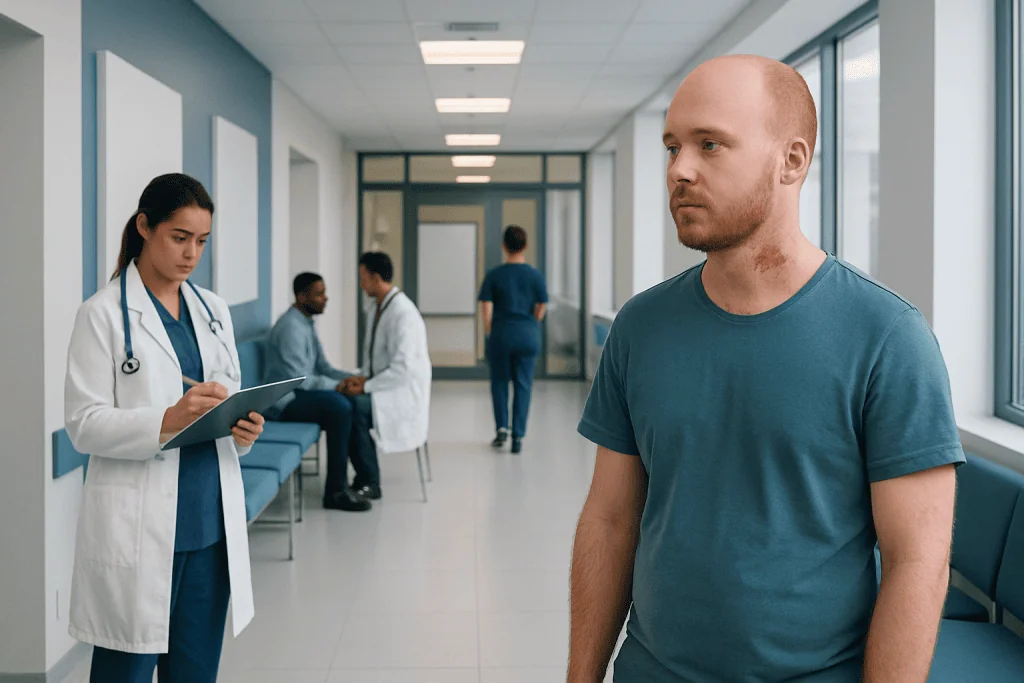
Secondary syphilis can develop weeks to months after the first painless sore of primary syphilis. A rash on the palms of the hands or soles of the feet is a notable feature, although many other conditions can also cause rashes.
Key Takeaways
- Secondary syphilis can develop weeks to months after the first painless sore of primary syphilis.
- A rash on the palms of the hands or soles of the feet is a notable feature, although many other conditions can also cause rashes.
- Blood tests are usually used to diagnose syphilis and to monitor the response to treatment.
- Antibiotics can cure syphilis, but they cannot reverse permanent damage caused by untreated late infection.
- Sexual partners may need testing and treatment to prevent reinfection and further transmission.
Secondary syphilis is the stage of a bacterial sexually transmitted infection that may cause a body rash, swollen lymph nodes and flu-like symptoms. It is treatable with antibiotics, but prompt testing and treatment are important because symptoms can disappear while the infection remains active.
What Is Secondary Syphilis?
Secondary syphilis is the second clinical stage of syphilis, an infection caused by the bacterium Treponema pallidum. It usually occurs after primary syphilis, the stage that may cause a painless sore, often on the genitals, anus, mouth or another area exposed during sexual contact. The original sore can heal without treatment, but this does not mean the infection has gone away.
During secondary syphilis, the bacteria have spread through the body. A skin rash and general symptoms such as tiredness, fever or swollen glands may develop. Symptoms can be mild, intermittent or mistaken for another illness, so some people do not realize they have syphilis. Testing is the only reliable way to confirm the infection.
Syphilis is transmitted mainly through direct contact with a syphilis sore or rash during vaginal, anal or oral sex. It can also pass from a pregnant person to a fetus, which can lead to congenital syphilis. Casual contact such as sharing food, hugging, using a toilet seat or swimming in the same pool does not spread syphilis.
Symptoms and Signs of Secondary Syphilis
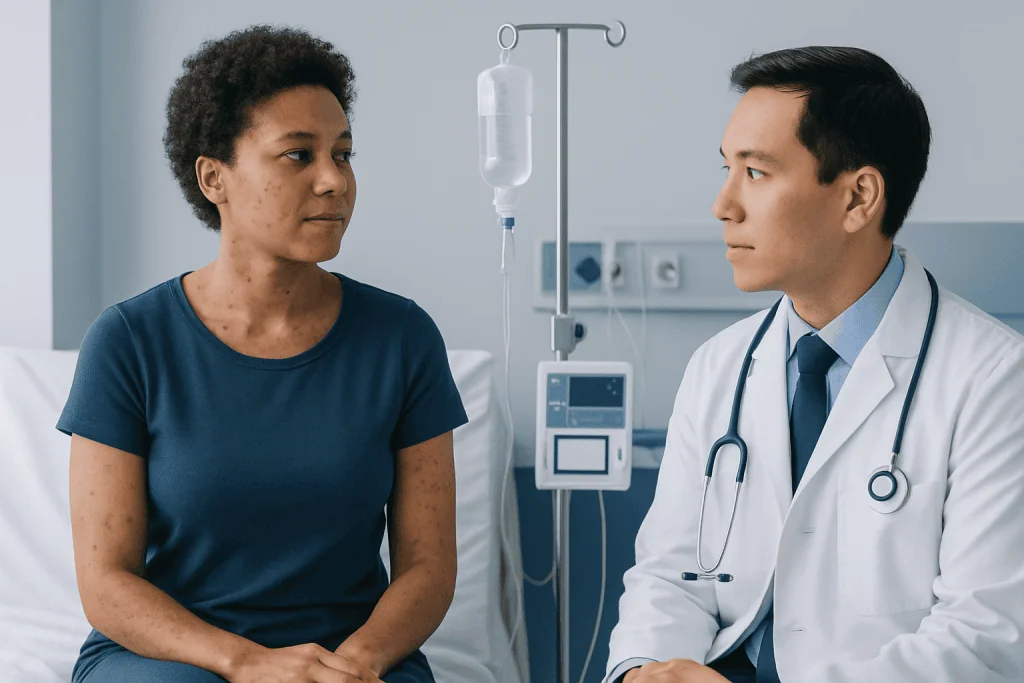
The most recognized sign of secondary syphilis is a non-itchy rash. It may appear as rough, reddish-brown or red spots on the trunk, chest, back, arms or legs. In people with darker skin tones, the rash may be subtler and look darker, purplish, grayish or slightly scaly. Unlike many rashes, it can involve the palms of the hands and soles of the feet.
Other skin and mucous membrane changes may occur. These can include raised moist lesions in the genital or anal area, painless patches in the mouth, or patchy hair loss sometimes described as a “moth-eaten” pattern. These findings are not unique to syphilis, and a clinician should assess them rather than relying on appearance alone.
Because the infection affects the body more widely at this stage, people may also experience swollen lymph nodes, sore throat, low-grade fever, headache, muscle aches, fatigue, reduced appetite or unintentional weight loss. Symptoms commonly resolve over several weeks even without treatment. However, untreated infection can then enter a latent stage, when there may be no outward signs but the bacteria remain in the body.
How Secondary Syphilis Is Acquired and Who Is at Risk

Syphilis is most commonly acquired through sexual contact with an infectious sore, rash or mucous membrane lesion. The infection can spread during oral, vaginal or anal sex. The risk is higher when a person has sex without barrier protection, has multiple partners, has a partner diagnosed with syphilis, or has another sexually transmitted infection (STI).
Anyone who is sexually active can acquire syphilis. Regular screening is particularly important for people with new or multiple partners, men who have sex with men, people living with HIV, people using HIV pre-exposure prophylaxis, and people whose partners have an STI. Local public health guidance may recommend different screening intervals depending on individual risk.
Pregnancy deserves particular attention. Syphilis can cross the placenta at any stage of pregnancy and may seriously affect the fetus or newborn. Screening early in pregnancy, and repeat testing when risk is ongoing or local guidance advises it, supports timely treatment. A positive result during pregnancy should be discussed urgently with an obstetric and sexual health care team.
Diagnosis: Testing and Evaluation
Diagnosis usually begins with a conversation about symptoms, sexual health history, previous syphilis testing and possible exposures. A clinician may examine the skin, mouth, genital area and lymph nodes. It is helpful to mention any prior painless sores, even if they have healed, and to share a complete list of medicines and relevant health conditions.
Syphilis is generally diagnosed with blood tests. Clinicians commonly use a combination of tests: one detects antibodies that react to syphilis-related infection, while another helps assess disease activity and response to treatment. Because test interpretation can depend on timing, prior infection and prior treatment, results should be reviewed by a qualified clinician.
If there are unusual neurological, eye or ear symptoms, additional assessment may be needed to look for involvement of the nervous system, eyes or ears. HIV testing and testing for other STIs are often recommended at the time of a syphilis diagnosis, since infections can occur together. Confidential partner notification is also an important part of preventing onward transmission.
Treatment and Follow-Up
Syphilis is treated with antibiotics prescribed by a clinician. The recommended medicine and schedule depend on the stage of infection, previous treatment history, pregnancy status and whether there is concern for neurological, eye or ear involvement. Penicillin-based treatment is the preferred approach during pregnancy because it is the regimen known to treat both the pregnant person and the fetus effectively.
After treatment, some people develop a short-lived reaction called the Jarisch-Herxheimer reaction, usually within the first 24 hours. Fever, chills, headache, muscle aches and worsening of existing symptoms can occur as bacteria are cleared. This reaction is not an allergy to penicillin, but people should contact their care team for guidance, especially during pregnancy or if symptoms are severe.
Follow-up blood tests are important because they show whether antibody levels are falling as expected and can help identify reinfection or treatment failure. A clinician will advise the appropriate testing schedule. People should avoid sexual contact until treatment is completed, lesions have healed if present, and partners have been evaluated and treated when needed.
Acibadem International’s multidisciplinary specialists and JCI-accredited hospitals evaluate and treat sexually transmitted infections for international patients, with care plans guided by clinical assessment and appropriate laboratory follow-up.
Prevention and Safer Sexual Health
Consistent and correct use of condoms or other barrier methods lowers the chance of acquiring or passing on syphilis. However, barriers may not cover every infectious sore or rash, so they do not eliminate risk completely. Dental dams or cut-open condoms can provide a barrier during oral sex.
Regular STI screening is a practical prevention tool because syphilis can be present with few or no noticeable symptoms. Testing before starting sex with a new partner, discussing recent test results, and returning for screening at intervals recommended by a clinician can help identify infection early. Testing is particularly important after a known exposure or if a partner has been diagnosed.
People who have had syphilis can get it again after successful treatment. Treatment does not create lasting immunity. Informing recent sexual partners, with support from a clinic or public health service if preferred, helps them access testing and care while reducing the likelihood of reinfection.
When to Seek Medical Care
Medical care should be sought promptly for a new unexplained rash, especially one involving the palms or soles, or for painless sores in or around the mouth, genitals or anus. Testing is also advisable after sexual contact with someone who has syphilis or another STI, even when there are no symptoms.
Urgent medical assessment is important for vision changes, eye pain, hearing changes, ringing in the ears, severe headache, weakness, numbness, confusion or problems with balance in someone who may have syphilis. These symptoms can have many causes, but they require timely evaluation.
Pregnant people who have a positive syphilis test, a new rash or sore, or possible exposure should contact their obstetric clinician without delay. Early assessment and appropriate treatment can greatly reduce the risk of infection-related complications during pregnancy.
Frequently asked questions
How long after infection does secondary syphilis appear?
Secondary syphilis often develops several weeks to a few months after the initial infection. It may follow the healing of the primary syphilis sore, although some people never notice that first sore. Timing varies, so testing is important after a possible exposure.
Is the secondary syphilis rash always itchy?
No. The rash of secondary syphilis is often not itchy, but symptoms vary from person to person. It may be faint or overlooked, particularly on darker skin tones. A clinician and blood testing are needed to determine the cause of a rash.
Can secondary syphilis go away without treatment?
Visible symptoms may disappear without treatment, but the infection usually remains in the body. It can progress to a latent stage and, in some cases, cause serious complications years later. Antibiotic treatment is needed to cure the infection.
Is secondary syphilis contagious?
Secondary syphilis can be highly infectious because bacteria may be present in skin and mucous membrane lesions. It is spread through direct sexual contact with these areas, including during oral sex. Avoiding sex until a clinician confirms it is safe helps protect partners.
Can a person get syphilis again after treatment?
Yes. Successful treatment clears the current infection but does not provide immunity against future infection. Follow-up testing and safer-sex practices can help identify and reduce the risk of reinfection.
Should partners be tested if someone has secondary syphilis?
Yes. Recent sexual partners should be informed, tested and assessed for treatment by a health professional. A sexual health clinic or public health service can often help notify partners confidentially if needed.
References
- Centers for Disease Control and Prevention
- World Health Organization
- European Centre for Disease Prevention and Control
- National Health Service
- American Sexual Health Association
This article is for general information only and is not a substitute for professional medical advice. Please consult a qualified doctor about your individual situation.
Explore treatments in Turkey — costs, top hospitals & a free quote
JCI-accredited · board-certified surgeons · reply within 24h
Add us as a Preferred Source to see more of our trusted health content across Google Search, AI Overviews and Discover.

More from the Health Library


Related Specialists

Assoc. Prof. Dr. Şafak Yılmaz Baran
Gynecology & Obstetrics
Dr. Bilge Şentürk Çataloğlu
Anesthesiology
Dr. Hakan Kutlu
Infectious Diseases & Clinical Microbiology
Prof. Dr. İsmail Çepni
Gynecology & Obstetrics