Secure Attachment Style: A Complete Medical Overview

A secure attachment style supports trust, communication, and emotional resilience. It usually develops from reliable, responsive early relationships, but it is not fixed for life.
Key Takeaways
- A secure attachment style supports trust, communication, and emotional resilience.
- It usually develops from reliable, responsive early relationships, but it is not fixed for life.
- People with secure attachment can be close to others while also maintaining independence.
- Attachment patterns may affect stress responses, conflict styles, and relationship satisfaction.
- Therapy and supportive relationships can help improve insecure attachment patterns.
Secure attachment style is a relationship pattern marked by trust, emotional safety, and a healthy balance between closeness and independence. It often develops through consistent, responsive caregiving, but it can also be strengthened later in life through supportive relationships, self-awareness, and mental health care.
Overview
Secure attachment style is a healthy pattern of relating to others. A person with this attachment style generally feels worthy of care, expects that close relationships can be safe, and is able to balance intimacy with autonomy. In everyday life, this often shows up as comfort with closeness, confidence in asking for support, and the ability to respect another person’s boundaries.
Attachment theory began as a way to understand how infants bond with caregivers, but it is also used to describe emotional patterns in adolescence and adulthood. Attachment style is not a medical diagnosis, and it does not define a person’s character. Instead, it is a framework that helps explain how early experiences and later relationships can shape trust, coping, and connection.
Secure attachment is often associated with better emotional regulation, more stable relationships, and healthier communication. Still, even people with a secure pattern can experience stress, grief, conflict, or periods of emotional difficulty. Attachment exists on a spectrum, and many people show different patterns in different relationships or at different times in life.
How secure attachment looks in daily life
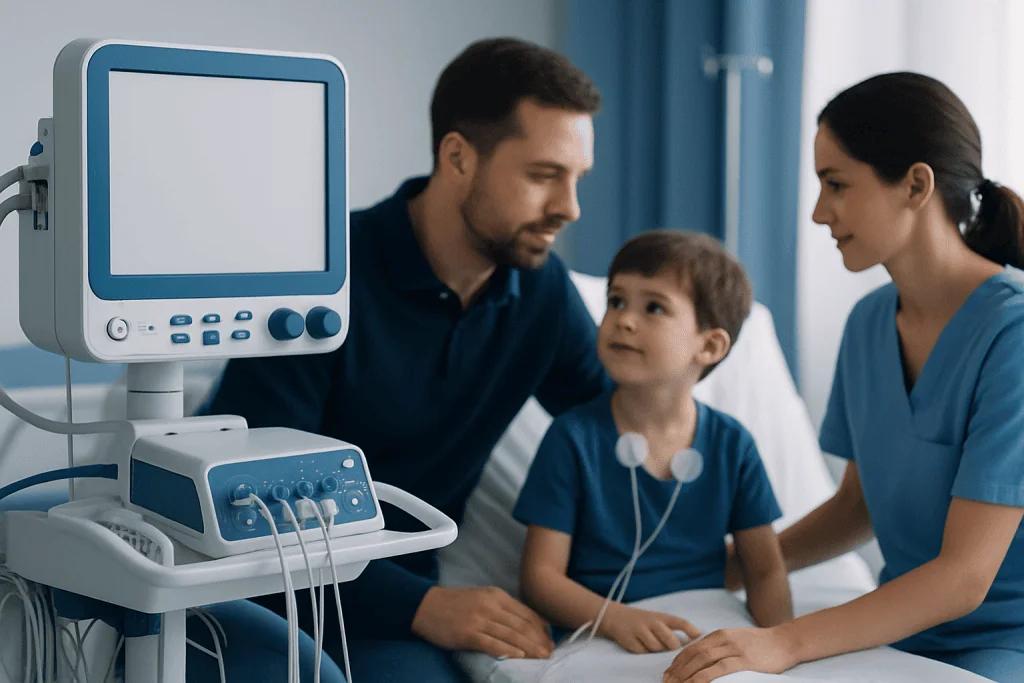
In children, secure attachment often appears as confidence to explore while using a trusted caregiver as a safe base. A securely attached child may become upset when separated, but can usually be comforted when the caregiver returns. Over time, this repeated experience helps the child learn that needs can be expressed and met in a reliable way.
In adults, secure attachment may be seen in relationships that allow both closeness and personal space. A securely attached person can usually express feelings directly, tolerate reasonable dependence without feeling trapped, and cope with temporary distance without becoming overwhelmed. They are also more likely to repair conflict rather than avoid it or escalate it.
Common features of secure attachment include:
- Comfort with emotional intimacy
- Ability to trust others gradually and realistically
- Confidence in setting and respecting boundaries
- Willingness to ask for help when needed
- Better recovery after disagreement or disappointment
- A generally stable sense of self-worth
These qualities do not mean a person never feels jealous, anxious, or hurt. Rather, secure attachment tends to make it easier to recognize emotions, communicate needs, and return to a sense of balance after stress.
What shapes attachment style

Attachment patterns are influenced by repeated relationship experiences, especially in early life. When caregivers are consistently responsive, emotionally available, and predictable, children are more likely to develop a secure internal sense that relationships are dependable. This does not require perfect parenting. What matters more is overall reliability, repair after mistakes, and an environment where emotional needs are noticed and taken seriously.
Many factors can affect attachment development. These may include caregiver stress, parental mental health, trauma, separation, loss, family conflict, neglect, or frequent changes in caregiving. Temperament also plays a role, since some children are naturally more sensitive to stress and soothing. Later life experiences, including friendships, romantic relationships, therapy, and major life events, can reinforce or gradually reshape attachment expectations.
Insecure attachment patterns may include anxious, avoidant, or disorganized features. These are not illnesses, but they can be associated with distress, relationship difficulties, or mental health concerns in some people. When attachment-related stress overlaps with conditions such as depression or persistent anxiety, professional support may be helpful.
Effects on mental and physical well-being
Secure attachment is linked to healthier emotional functioning across the lifespan. People with this pattern often cope better with stress because they can use both internal skills and outside support. They may be more likely to interpret setbacks realistically, regulate strong emotions, and recover after conflict or disappointment.
Relationship security can also influence physical health indirectly. Supportive relationships may improve sleep, daily functioning, treatment adherence, and stress management. By contrast, chronic relationship stress can contribute to ongoing tension, poor sleep, and emotional exhaustion. Although attachment style alone does not cause disease, it can shape how a person responds to health problems and how readily they seek care.
In some cases, attachment difficulties may exist alongside symptoms such as panic, low mood, irritability, or persistent worry. If these symptoms are significant, clinicians may evaluate for conditions such as anxiety and other mental health concerns. Understanding attachment can be one part of a broader, person-centered assessment.
How attachment is assessed
There is no blood test or scan that diagnoses attachment style. Assessment is usually based on clinical interviews, psychological questionnaires, and a careful review of relationship patterns over time. A mental health professional may ask about early caregiving, current relationships, reactions to conflict, fear of abandonment, comfort with closeness, and ways of coping under stress.
Attachment style should be interpreted with care. Online quizzes can be interesting, but they are simplified tools and may not reflect the complexity of a real person’s history. Cultural background, trauma exposure, neurodevelopmental differences, and current life stress can all influence how attachment-related behavior appears.
When relationship difficulties are causing distress, a broader evaluation may help identify contributing issues such as depression, trauma-related symptoms, sleep problems, or chronic stress. Depending on symptoms, a clinician may recommend a mental health assessment and, when appropriate, supportive care such as psychology support or psychiatric evaluation and treatment.
Can insecure patterns become more secure?
Yes. Attachment is shaped by experience, and many people become more secure over time. This process usually happens through repeated relationships that are safe, respectful, and emotionally consistent. Therapy can also help by improving self-awareness, emotional regulation, communication, and beliefs about trust and self-worth.
Different approaches may be useful depending on the person’s needs. Individual therapy may focus on relationship patterns, trauma, stress responses, and practical coping skills. Couples therapy can help partners understand triggers, improve communication, and create more predictable support. In some situations, treatment may also address coexisting concerns such as depression, anxiety, or trauma-related symptoms.
Helpful steps often include learning to identify emotional needs, expressing them clearly, setting realistic boundaries, and practicing repair after conflict. For some people, structured therapies or supportive counseling may be part of broader mental health treatment. Progress is usually gradual, and setbacks do not mean change is impossible.
Prevention, self-care, and relationship habits
For parents and caregivers, secure attachment is supported by consistent, warm, and responsive care. This includes noticing cues, providing comfort, setting appropriate limits, and repairing connection after stressful moments. Perfection is neither possible nor necessary; children benefit when caregivers are generally reliable and emotionally available most of the time.
For adults, self-care around attachment means building skills that support emotional safety. These may include naming feelings, pausing before reacting, communicating needs directly, and choosing relationships that are respectful and dependable. Healthy routines such as sleep, movement, social support, and stress management can also strengthen emotional resilience.
Useful habits may include:
- Practicing calm, direct communication
- Recognizing personal triggers and patterns
- Allowing trust to build gradually
- Respecting boundaries, both personal and others’
- Seeking support early during times of stress
- Considering professional help when patterns feel hard to change
Near the end of care planning, some people prefer support from a multidisciplinary team. Acibadem International’s specialists in JCI-accredited hospitals provide assessment and treatment for international patients when emotional or relationship difficulties are affecting health and daily life.
When to seek medical care
Attachment concerns alone are not always a reason for medical treatment, but professional help is appropriate when relationship patterns are causing significant distress or affecting daily functioning. A person should consider seeking care if they have repeated conflict, intense fear of abandonment, inability to trust anyone, severe emotional swings, or persistent loneliness despite wanting closeness.
Medical or mental health care is especially important when symptoms occur with panic, depression, trauma, self-harm thoughts, substance misuse, or major sleep problems. Urgent help is needed if there are thoughts of suicide, risk of harm to self or others, or inability to care for basic needs. In these situations, contacting emergency services or a local crisis resource is the safest step.
Early support can be helpful even when symptoms seem mild. Speaking with a primary care doctor, psychologist, psychiatrist, or licensed therapist can clarify whether the concern is mainly an attachment pattern, a mental health condition, or both. Timely care often makes change easier and can improve both emotional well-being and relationship health.
Frequently asked questions
What is a secure attachment style?
A secure attachment style is a pattern of relating to others that includes trust, emotional safety, and a healthy balance between connection and independence. People with this style are generally comfortable giving and receiving support and can usually manage conflict without feeling overwhelmed.
Is secure attachment style something a person is born with?
No. Temperament may influence how a person responds to stress, but secure attachment develops mainly through repeated relationship experiences. Consistent, responsive care in childhood can support it, and supportive adult relationships or therapy can strengthen it later.
Can an adult develop a more secure attachment style?
Yes. Attachment patterns can change over time, especially through healthy relationships, self-reflection, and therapy. Many adults become more secure by learning to regulate emotions, communicate clearly, and build trust gradually.
How is secure attachment different from being overly dependent?
Secure attachment is not the same as dependence. A securely attached person can be close to others while also maintaining personal boundaries, separate interests, and a stable sense of self. They can ask for support without feeling helpless and give support without losing themselves.
Is attachment style a mental health diagnosis?
No. Attachment style is a psychological framework, not a formal diagnosis by itself. However, attachment-related difficulties can overlap with mental health concerns such as anxiety, depression, or trauma-related stress, which may need professional evaluation.
When should someone get professional help for attachment-related concerns?
Professional help is a good idea when relationship patterns cause repeated distress, interfere with work or family life, or are linked to severe anxiety, low mood, or trauma symptoms. Urgent care is needed if there are thoughts of self-harm, suicide, or harm to others.
This article is for general information only and is not a substitute for professional medical advice. Please consult a qualified doctor about your individual situation.
Explore treatments in Turkey — costs, top hospitals & a free quote
JCI-accredited · board-certified surgeons · reply within 24h
Add us as a Preferred Source to see more of our trusted health content across Google Search, AI Overviews and Discover.

More from the Health Library
Swan Ganz Catheter — Explained by Medical Evidence, Not Myths
Skin Diagram — Explained by Medical Evidence, Not Myths

HPV Aptima: A Complete Medical Overview

Lgsil — Explained by Medical Evidence, Not Myths

Psychologist: A Complete Medical Overview