Lgsil — Explained by Medical Evidence, Not Myths

Lgsil means low-grade changes in cervical cells seen on screening, not a cancer diagnosis. Most cases are linked to HPV infection, especially temporary infections that the immune system may clear.
Key Takeaways
- Lgsil means low-grade changes in cervical cells seen on screening, not a cancer diagnosis.
- Most cases are linked to HPV infection, especially temporary infections that the immune system may clear.
- Follow-up may include repeat HPV testing, repeat Pap testing, or colposcopy depending on age, history, and test results.
- Many people with lgsil have no symptoms, so regular cervical screening remains important.
- Stopping smoking, keeping follow-up appointments, and discussing HPV vaccination can support cervical health.
Lgsil is a Pap test result that describes mild changes in cervical cells, most often related to human papillomavirus (HPV). It is not cancer, and in many people it clears on its own, but it does need appropriate follow-up to make sure the cervix stays healthy.
What lgsil means
Lgsil stands for low-grade squamous intraepithelial lesion. It is a term used in cervical screening to describe mild abnormalities in cells collected from the cervix, usually during a Pap test. In simple terms, the cells look slightly different from typical cervical cells, most often because of changes related to human papillomavirus, or HPV.
Medical evidence shows that lgsil is usually a low-risk finding rather than an emergency. It does not mean a person has cervical cancer, and it does not automatically mean treatment is needed right away. In many cases, especially in younger people, these mild cell changes improve or disappear as the immune system clears the HPV infection.
What matters most is follow-up. The next step depends on several factors, including age, whether high-risk HPV was found, prior screening results, pregnancy status, and whether the person has a weakened immune system. A clinician uses these details to decide whether repeat testing is enough or whether a closer examination of the cervix is needed.
How lgsil fits into cervical screening
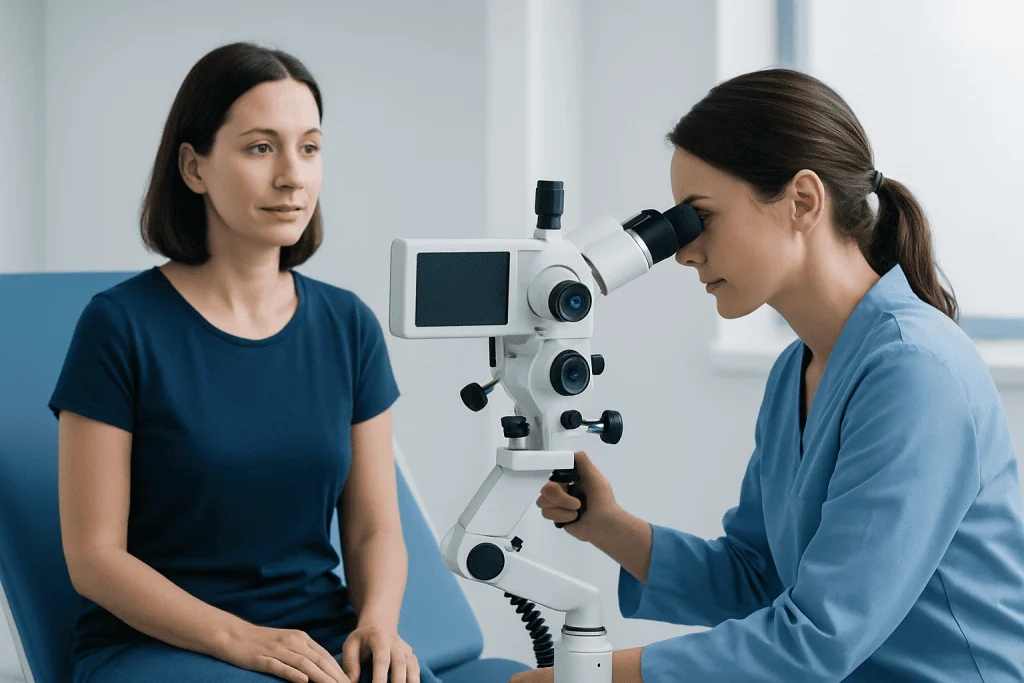
Cervical screening is designed to find cell changes before they become more serious. A Pap test examines cervical cells, while an HPV test looks for high-risk types of the virus that can lead to cervical precancer over time. Lgsil is one possible Pap result and is considered a mild abnormality on this spectrum.
Lgsil is sometimes discussed alongside terms such as ASC-US, HSIL, CIN 1, CIN 2, and CIN 3. These labels are related but not identical. Lgsil is a cytology term, meaning it comes from looking at cells on a screening sample. CIN, or cervical intraepithelial neoplasia, is a tissue diagnosis made after biopsy during procedures such as colposcopy.
Because of this, lgsil does not tell the full story by itself. Some people with lgsil will have only very mild tissue changes, while a smaller group may have more significant changes that need closer management. That is why guidelines focus on combining the lgsil result with HPV findings and previous screening history rather than treating every person the same way.
People who want to better understand the broader setting of abnormal cervical screening may also hear terms related to cervical cancer prevention. Screening aims to detect HPV-related changes long before cancer develops, which is why timely follow-up is so valuable.
Symptoms, causes, and risk factors

Most people with lgsil have no symptoms at all. It is usually found on routine screening rather than because someone feels unwell. Mild cervical cell changes generally do not cause pain, unusual discharge, or bleeding. If such symptoms are present, they do not automatically mean lgsil is severe, but they do deserve medical assessment because other gynecologic conditions can cause similar concerns.
The most common cause of lgsil is HPV infection. HPV is very common and often temporary. Many infections clear naturally without causing lasting problems. However, certain high-risk HPV types can persist and lead to changes in cervical cells over time. Lgsil often reflects an early or mild effect of HPV on the cervix.
Some factors can increase the chance of persistent HPV infection or cervical cell changes. These include smoking, a weakened immune system, long gaps in cervical screening, and a history of previous abnormal cervical results. Starting sexual activity at a younger age or having multiple sexual partners can increase exposure to HPV, but lgsil can also occur in people with few or no obvious risk factors.
- Usually causes no symptoms
- Most often linked to HPV infection
- Smoking can make HPV-related changes more likely to persist
- Immune suppression may raise the risk of progression
- Routine screening is essential because symptoms are often absent
How doctors evaluate lgsil
After an lgsil result, the next step is based on risk, not just the label alone. A doctor reviews the current Pap result, any HPV test results, age, past screening history, pregnancy status, and whether there are conditions that affect the immune system. In some cases, repeat testing after a recommended interval is appropriate. In others, direct examination of the cervix is advised.
Colposcopy is a common follow-up test. During this office-based procedure, the cervix is viewed with magnification so the clinician can identify areas that look abnormal. If needed, a small biopsy may be taken for laboratory review. This helps determine whether the tissue shows mild changes only or a higher-grade lesion that may need treatment.
Patients often worry that an abnormal result means an invasive procedure is inevitable. In reality, management is individualized. Some people with lgsil and a low-risk history may only need repeat HPV or Pap testing, while others benefit from closer evaluation. During the work-up, clinicians may also discuss related conditions such as HPV and how vaccination and screening work together in prevention.
If a biopsy shows only low-grade tissue changes, observation with follow-up is common. If it shows more significant abnormalities, treatment may be considered to remove the affected area and reduce the risk of progression.
Treatment and follow-up options
Lgsil itself often does not require immediate treatment, especially when follow-up testing suggests a low short-term risk. Many mild cervical changes return to normal over time, so careful monitoring is often the safest and most evidence-based approach. This may involve repeat Pap testing, repeat HPV testing, or both at intervals recommended by a clinician.
If colposcopy and biopsy show more significant changes than expected, treatment may be advised. The goal is to remove or destroy abnormal tissue before it can progress. One commonly used approach is LEEP, which removes a thin layer of cervical tissue for both diagnosis and treatment. Other procedures may be considered depending on biopsy findings, reproductive plans, and overall health.
Follow-up remains important even after a reassuring result or successful treatment. The cervix needs continued surveillance because HPV-related changes can recur, particularly if high-risk HPV persists. A doctor will explain the timing of future tests and whether any additional steps are needed.
For international patients who need evaluation or treatment planning, Acibadem International’s multidisciplinary specialists at JCI-accredited hospitals diagnose and manage cervical screening abnormalities with individualized follow-up and procedure options when necessary.
Self-care, prevention, and reducing future risk
There is no home remedy that can remove lgsil, but there are practical steps that support cervical health. Keeping all follow-up appointments is the most important action. Since most people feel well, it can be tempting to delay care, but repeat screening is what confirms whether the changes have cleared, stayed the same, or need further attention.
Stopping smoking is one of the clearest ways to reduce future risk. Smoking can interfere with the body’s ability to clear HPV and is linked with ongoing cervical cell changes. General measures that support overall health, such as sleep, balanced nutrition, and management of chronic conditions, may also help immune function, even though they do not replace medical follow-up.
HPV vaccination remains an important preventive tool. It does not treat an existing lgsil result, but it can protect against HPV types that cause many cervical precancers and cancers. People who are unsure whether vaccination is still appropriate should ask a clinician, since eligibility can depend on age and personal circumstances.
- Attend every recommended follow-up visit
- Avoid smoking or seek help to quit
- Ask whether HPV vaccination is appropriate
- Continue routine gynecologic care
- Use safer sex practices to reduce HPV exposure, while understanding they do not eliminate risk completely
When to seek medical care
An lgsil result should be discussed with a qualified doctor, even though it is usually not urgent. The key reason to seek care is to understand the correct follow-up plan. Recommendations differ from person to person, so relying on general advice alone may lead to missed testing or unnecessary worry.
Medical review is especially important if there is bleeding after sex, bleeding between periods, unusual vaginal discharge, pelvic pain, pregnancy, or a history of abnormal cervical results. People with immune suppression, including those taking certain medications or living with conditions that weaken immunity, may need closer follow-up than others.
If a person has been told to return for repeat testing or colposcopy, that appointment should not be skipped. Prompt follow-up helps identify whether the changes are temporary or whether more evaluation is needed. If symptoms are severe, persistent, or rapidly changing, a doctor should be contacted sooner.
Frequently asked questions
Is lgsil cancer?
No. Lgsil is not cancer; it is a description of mild changes in cervical cells seen on screening. It can be associated with HPV and needs follow-up, but many cases do not become serious.
Can lgsil go away on its own?
Yes, it often can. Many low-grade cervical changes improve or disappear, especially when the body clears the HPV infection. That is why repeat testing is commonly recommended instead of immediate treatment for everyone.
Does lgsil mean I have HPV?
Lgsil is very often linked to HPV, but the exact meaning depends on whether HPV testing was done and which types were found. A doctor may recommend HPV testing if it has not already been performed. The combination of Pap and HPV results helps guide next steps.
Will I need a colposcopy for lgsil?
Not always. Some people need colposcopy, while others can be followed with repeat testing depending on age, HPV status, and previous screening history. A clinician uses current management guidelines to estimate risk and choose the safest plan.
Can I still get pregnant if I have lgsil?
Lgsil itself does not usually affect fertility. If a procedure is ever needed, the doctor will consider future pregnancy plans when discussing options. People who are pregnant or planning pregnancy should tell their clinician, because follow-up timing may differ.
Should I be worried if I have no symptoms?
No symptoms are common with lgsil. Cervical cell changes are often silent, which is why routine screening is so important. Even without symptoms, the result should still be followed as advised by a doctor.
References
- World Health Organization
- American College of Obstetricians and Gynecologists
- Centers for Disease Control and Prevention
- National Cancer Institute
- American Society for Colposcopy and Cervical Pathology
This article is for general information only and is not a substitute for professional medical advice. Please consult a qualified doctor about your individual situation.
Oncology care in Turkey — second opinion and treatment plan
JCI-accredited · board-certified surgeons · reply within 24h
Add us as a Preferred Source to see more of our trusted health content across Google Search, AI Overviews and Discover.