Serosanguineous Drainage: What Patients Need to Know

Serosanguineous drainage is usually a thin, pink or pale red fluid from a healing wound. A small amount can be normal after surgery, injury, or a procedure, particularly in the first days of healing.
Key Takeaways
- Serosanguineous drainage is usually a thin, pink or pale red fluid from a healing wound.
- A small amount can be normal after surgery, injury, or a procedure, particularly in the first days of healing.
- Heavy drainage, foul odor, worsening pain, fever, or redness spreading around the wound should be evaluated promptly.
- Good wound care includes clean dressings, hand hygiene, and following the care plan given by a clinician.
- People with diabetes, poor circulation, or weakened immunity may need closer monitoring during healing.
Serosanguineous drainage is a light pink, watery fluid made of serum mixed with a small amount of blood. It is often seen in the early stages of wound healing, especially after surgery or a skin injury, but changes in amount, color, odor, or associated symptoms can signal a problem that needs medical attention.
Overview: what serosanguineous drainage means
Serosanguineous drainage is wound fluid that contains mostly clear yellow serum with a small amount of blood, giving it a pink, light red, or watery reddish appearance. In many cases, this type of drainage is part of normal healing. It may appear after surgery, after a cut or scrape, or around a healing incision where tiny blood vessels and tissues are recovering.
Patients often notice this drainage on a bandage, dressing, or around stitches or staples. The key point is that serosanguineous drainage is not automatically a sign of infection or a failed wound repair. A small to moderate amount can be expected, especially early on, as the body sends fluid and healing cells to the area.
What matters most is the overall pattern. Drainage that gradually lessens over time is usually reassuring. Drainage that suddenly becomes heavier, thicker, more deeply bloody, cloudy, or foul-smelling may suggest irritation, wound reopening, infection, or another healing problem that should be assessed by a clinician.
What it looks like and how it differs from other wound drainage
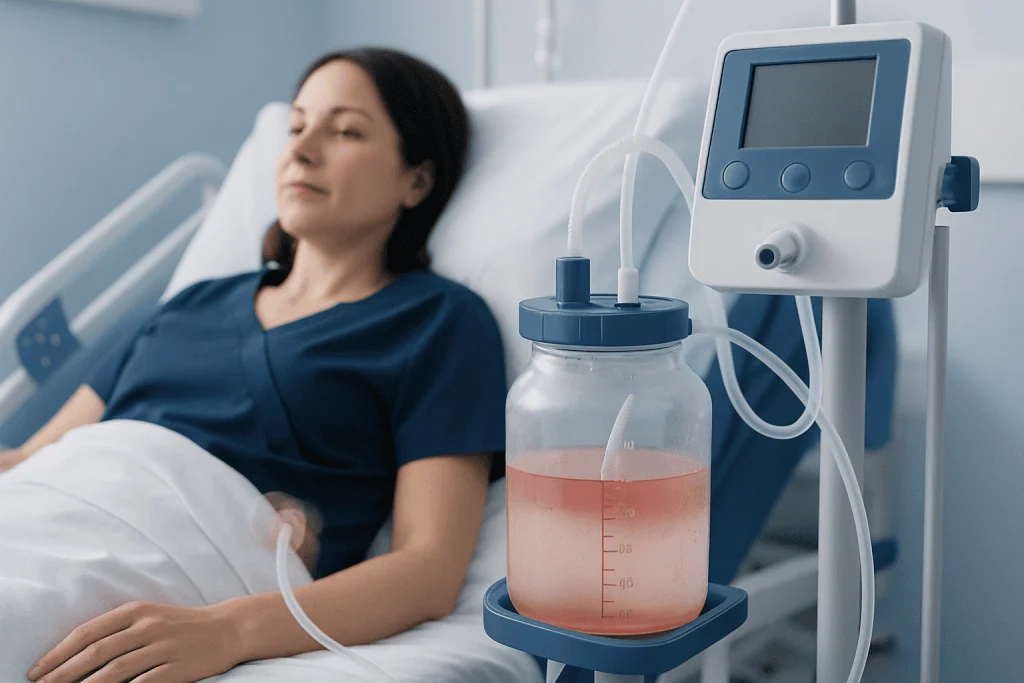
Understanding the appearance of drainage can help patients know what is expected and what may need review. Serosanguineous drainage is typically thin and watery rather than thick. Its color often ranges from pale pink to light red because clear healing fluid is mixed with a small amount of blood.
It helps to compare it with other common types of wound drainage:
- Serous drainage: clear to pale yellow and watery; commonly seen in normal healing.
- Serosanguineous drainage: pink or red-tinged, thin fluid; often normal in the early healing phase.
- Sanguineous drainage: mostly fresh blood; may be seen right after injury or surgery, but ongoing heavy bleeding is not expected.
- Purulent drainage: thick, cloudy, yellow, green, brown, or white fluid; may point to infection, especially with odor, redness, or fever.
Drainage should also be judged by the amount. A few spots on a dressing are very different from fluid that quickly soaks through bandages. Looking at color, thickness, smell, amount, and whether the wound is improving as a whole gives a more accurate picture than any single feature alone.
Common causes and who is more likely to have it

The most common cause of serosanguineous drainage is normal wound healing. After a surgical incision or skin injury, the body creates inflammation in a controlled way. Tiny blood vessels can leak a small amount of fluid and blood cells into the wound space, which then appears as light pink drainage on the dressing.
It may also occur when a wound is irritated by friction, pressure, movement, or dressing changes. For example, areas that bend often, such as the knee, abdomen, or shoulder, may show a little more drainage because the tissues are under tension. Drainage can also be seen after procedures involving tissue removal, drains, or sutures.
Some factors can make persistent drainage more likely or slow healing overall. These include diabetes, smoking, obesity, poor nutrition, poor circulation, immune suppression, advanced age, and certain medications such as steroids or blood thinners. People with chronic wounds or wound infection concerns may need closer follow-up because a normal healing pattern can change more quickly.
In some cases, serosanguineous drainage appears because a wound edge has partially separated, a pocket of fluid has formed under the skin, or the area has been strained too soon after surgery. These situations do not always mean an emergency, but they do justify medical review to protect healing and reduce the risk of complications.
When it is usually normal and when it may be a warning sign
A small amount of serosanguineous drainage is often normal during the first days after surgery or injury. Many healing incisions release a little fluid before they dry out and seal more fully. If the drainage is light, the wound edges stay together, and pain and swelling gradually improve, the healing process is generally moving in the right direction.
It becomes more concerning when the trend changes rather than improves. Warning signs include drainage that suddenly increases, becomes bright red like active bleeding, turns thick or cloudy, develops a bad smell, or continues longer than expected without decreasing. These changes can suggest bleeding, infection, or delayed healing.
Other symptoms matter too. Patients should be more cautious if drainage is accompanied by increasing redness around the wound, warmth, swelling, worsening pain, fever, chills, or separation of the wound edges. In some cases, these may be early signs of a surgical site infection or another complication requiring prompt care.
For people recovering after an operation, it is best to compare what they see with the discharge instructions given by their surgeon. If there is any uncertainty, a clinician can decide whether the drainage fits normal postoperative recovery or whether further evaluation, such as a wound check or medical assessment, is needed.
How doctors evaluate serosanguineous drainage
Assessment starts with a careful history and physical examination. A doctor or nurse usually asks when the drainage began, whether the amount is changing, what the fluid looks and smells like, and whether there are symptoms such as pain, fever, redness, or pressure. They will also review the type of wound, the date of surgery or injury, and any medical conditions that could affect healing.
The wound itself is examined for depth, tissue color, edge separation, swelling, warmth, and signs of dead tissue or infection. Dressings may be checked to estimate how much fluid is coming out over time. In many straightforward cases, this physical assessment is enough to guide treatment.
If infection or a deeper problem is suspected, the clinician may order tests. These can include blood tests, a wound culture in selected situations, or imaging to look for a fluid collection under the skin. For some patients, especially those with postoperative concerns, care may involve specialists in wound care or surgery to support safe healing.
Treatment and everyday wound care
Treatment depends on the cause. If the drainage is consistent with normal healing, the main approach is supportive wound care: keeping the area clean, protecting it with the right dressing, and avoiding unnecessary irritation. Many wounds simply need time, routine observation, and follow-up according to the clinician’s instructions.
Dressings may be chosen to absorb light drainage while maintaining a moist environment that supports healing. Patients are usually advised to wash their hands before touching the wound, change dressings as directed, avoid picking at scabs or stitches, and watch for changes in color, smell, or amount of drainage. If a surgical drain is in place, its output and appearance may need to be recorded.
When drainage is caused by pressure, friction, swelling, or movement, treatment may include reducing strain on the area, elevating the affected part when appropriate, and using better-fitting dressings. If the wound is not closing properly, a clinician may recommend more advanced approaches such as debridement, negative pressure therapy, or review by a surgeon. In selected cases, general surgical care may be needed if there is bleeding, fluid buildup, or wound separation.
If infection is suspected, the doctor may clean the wound, obtain testing when necessary, and prescribe treatment based on the likely cause and severity. Patients should not start leftover antibiotics or apply unapproved products without guidance, since inappropriate treatment can delay proper care and make the wound harder to assess.
Prevention and self-care during healing
Prevention focuses on creating the best conditions for tissue repair. Following postoperative or wound-care instructions closely is one of the most effective steps. This includes keeping dressings dry when advised, attending follow-up appointments, taking medications as prescribed, and avoiding activities that pull on the incision too early.
General health also affects drainage and healing. Good nutrition, adequate fluid intake, stopping smoking, and controlling conditions such as diabetes can all support better recovery. Blood sugar control is especially important because high glucose levels can slow healing and increase infection risk.
Patients can help by checking the wound once or twice a day in good light. A simple record of the drainage amount, color, and any new symptoms can be useful if they need to contact their care team. If a clinician has recommended dressings or products through a dedicated wound care program, using them consistently often improves comfort and healing.
Near the end of recovery planning, some patients benefit from multidisciplinary follow-up, especially after major surgery or if healing is slow. Acibadem International’s multidisciplinary specialists and JCI-accredited hospitals diagnose and treat wound-related concerns for international patients when further evaluation is needed.
When to seek medical care
Patients should contact a doctor promptly if serosanguineous drainage becomes heavier instead of lighter, repeatedly soaks through dressings, or changes to thick, cloudy, green, yellow, or foul-smelling fluid. Medical advice is also important if the wound opens, the skin around it becomes increasingly red or warm, or pain is getting worse rather than better.
Urgent care is appropriate for active bleeding that does not slow with gentle pressure, fever, chills, rapidly spreading redness, severe swelling, or signs of feeling unwell. These symptoms do not always mean a serious complication, but they should be checked without delay.
People with diabetes, circulation problems, immune suppression, or recent major surgery should have a lower threshold for asking for help. If there is uncertainty about whether drainage is expected, it is safer to contact a qualified healthcare professional than to wait and guess.
Frequently asked questions
Is serosanguineous drainage normal?
Yes, a small amount is often normal, especially in the early days after surgery or a skin injury. It usually reflects healing fluid mixed with a little blood. What matters most is that the amount gradually decreases and the wound otherwise looks better over time.
What color is serosanguineous drainage?
It is usually light pink, pale red, or watery reddish in appearance. The color comes from clear serum mixed with a small amount of blood. It should not look thick, pus-like, or heavily bloody.
How long should serosanguineous drainage last?
The timing varies by the size and type of wound, as well as the person's general health. Many wounds produce a small amount only for a short period early in healing. If it continues without improving or increases suddenly, a doctor should review it.
Does serosanguineous drainage mean infection?
Not usually. By itself, serosanguineous drainage can be a normal part of healing. Infection is more likely when drainage becomes thick, cloudy, foul-smelling, or is accompanied by fever, redness, warmth, swelling, or worsening pain.
Should a wound with serosanguineous drainage be kept covered?
Many healing wounds benefit from a clean, appropriate dressing because it protects the area and absorbs fluid. The best type of covering depends on the wound and the amount of drainage. Patients should follow the instructions given by their doctor or nurse.
Can I shower if my wound has serosanguineous drainage?
That depends on the kind of wound and the advice given after the procedure or injury. Some wounds can be gently cleaned in the shower after a certain time, while others need to stay dry longer. It is best to follow the specific instructions from the treating clinician.
This article is for general information only and is not a substitute for professional medical advice. Please consult a qualified doctor about your individual situation.
Explore treatments in Turkey — costs, top hospitals & a free quote
JCI-accredited · board-certified surgeons · reply within 24h
Add us as a Preferred Source to see more of our trusted health content across Google Search, AI Overviews and Discover.

More from the Health Library

Astragalus Benefits: An Evidence-Based Guide for Patients

Stages of a Wart Falling Off Pictures: A Complete Medical Overview

Topical Finasteride — Explained by Medical Evidence, Not Myths

Nail Matrix — Explained by Medical Evidence, Not Myths

Lamisil: An Evidence-Based Guide for Patients