Sessile Polyp — Explained by Medical Evidence, Not Myths

A sessile polyp is attached directly to the tissue surface rather than growing on a stalk. Many sessile polyps cause no symptoms and are found during screening tests such as colonoscopy.
Key Takeaways
- A sessile polyp is attached directly to the tissue surface rather than growing on a stalk.
- Many sessile polyps cause no symptoms and are found during screening tests such as colonoscopy.
- Some sessile polyps, especially certain serrated or adenomatous types, can develop into cancer if left untreated.
- Diagnosis usually depends on endoscopy and laboratory examination of removed tissue.
- Treatment often involves removing the polyp and planning follow-up based on its size, number, and pathology.
- Routine screening and timely medical review of bowel symptoms help reduce colorectal cancer risk.
A sessile polyp is a flat or broad-based growth that can develop on the lining of the colon and other organs. Many are harmless, but some can become cancerous over time, which is why proper evaluation and removal are important.
Overview
A sessile polyp is a growth that sits flat against the inner lining of an organ or has a wide base rather than a narrow stalk. In everyday practice, the term is most often used for polyps in the colon or rectum, where they are commonly found during screening colonoscopy. A sessile polyp may be benign, precancerous, or, less commonly, already cancerous, so the shape alone does not determine how serious it is.
Medical evidence shows that sessile polyps matter because some types are easier to miss and some carry a meaningful risk of turning into colorectal cancer over time. This is especially true for certain serrated and adenomatous polyps. However, finding a sessile polyp does not automatically mean cancer; in many cases, removal during endoscopy is both diagnostic and therapeutic.
Polyps can form in other parts of the body as well, such as the stomach, nose, or uterus, but colon polyps are the best-studied and the most relevant for cancer prevention. When people search for information about a sessile polyp, they are usually asking whether it is dangerous, what symptoms it causes, and whether it should be removed. In most cases, the safest answer is yes: it should be assessed by a qualified doctor and, if appropriate, removed and examined under a microscope.
What Makes a Sessile Polyp Different
Polyps are often described by their shape. A pedunculated polyp grows on a stalk, looking somewhat like a mushroom. A sessile polyp is flatter, broader, and attached more directly to the lining. Because of this shape, sessile lesions can sometimes be harder to detect during endoscopy and may require more careful removal techniques.
Doctors also classify polyps by their tissue type, which is usually more important than shape when deciding cancer risk. Common categories include adenomatous polyps, hyperplastic polyps, and serrated polyps. A sessile serrated polyp, sometimes called a sessile serrated lesion, is especially important because it can be part of a pathway that leads to colon cancer if not found and removed.
Not every sessile polyp behaves the same way. Small hyperplastic polyps in certain parts of the colon may carry little risk, while larger sessile serrated lesions or adenomas usually need closer follow-up. This is why pathology results, size, location, and the number of polyps all help guide next steps after a colonoscopy.
- Shape: flat or broad-based rather than stalked
- Location: often found in the colon and rectum
- Risk: depends on tissue type, size, and number
- Management: usually removal and lab analysis
Symptoms and Possible Signs

Many people with a sessile polyp have no symptoms at all. This is one reason routine colorectal screening is so valuable. A polyp may be discovered in someone who feels completely well and had a colonoscopy only because of age, family history, or a positive stool-based screening test.
When symptoms do occur, they are often not specific. A larger polyp may bleed slowly and cause blood in the stool, darker stools, or iron-deficiency anemia. Some people notice changes in bowel habits, such as constipation, diarrhea, or a feeling that the bowel does not empty fully. Larger lesions can occasionally contribute to abdominal discomfort.
These symptoms do not always mean a sessile polyp is present, and they may be caused by many other conditions, including hemorrhoids, inflammation, or colorectal cancer. Still, persistent bowel changes or rectal bleeding should not be ignored. Careful assessment is important because early polyps and early cancer can look similar without proper testing.
- Blood in or on the stool
- Unexplained anemia or fatigue
- Change in bowel habits lasting more than a short time
- Abdominal discomfort or bloating in some cases
- No symptoms at all, especially in small polyps
Causes and Risk Factors
Sessile polyps develop when cells in the lining of the bowel begin to grow in an abnormal way. This process is influenced by age, genetic changes, and environmental factors. In the colon, the risk of developing polyps generally increases with age, although younger adults can also have them, especially if there is a strong family history or an inherited syndrome.
Risk factors overlap with those for other colorectal polyps and cancer. These include a personal history of polyps, a family history of colorectal cancer or advanced polyps, inflammatory bowel disease, obesity, smoking, heavy alcohol use, and diets low in fiber and high in processed or red meat. Conditions such as ulcerative colitis can also increase long-term colorectal risk and require individualized surveillance.
Some polyps form because of inherited conditions such as Lynch syndrome or familial adenomatous polyposis, though these are much less common than sporadic polyps. Even without a known inherited disorder, a person who develops multiple polyps or polyps at a younger age may need more detailed evaluation. A doctor may suggest genetic counseling when the pattern raises concern for a hereditary cause.
How a Sessile Polyp Is Diagnosed
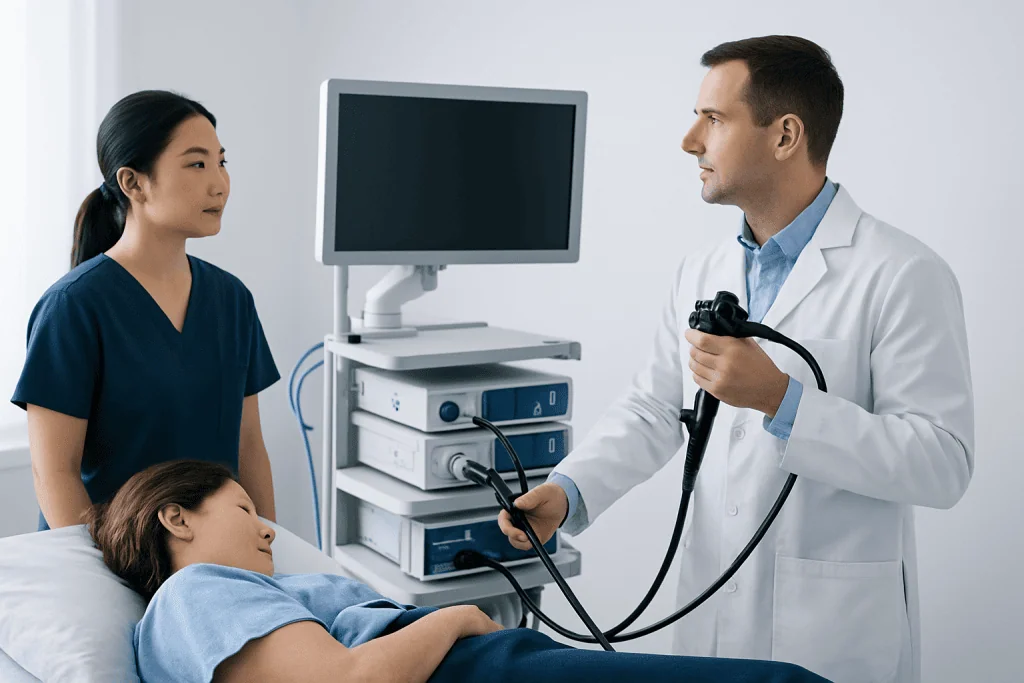
The most common way to diagnose a sessile polyp in the colon is colonoscopy. During this test, a specialist examines the lining of the rectum and colon using a flexible camera. Colonoscopy not only detects polyps but often allows them to be removed during the same procedure. This makes it the key test for both diagnosis and prevention.
Other tests may suggest that a polyp is present, such as stool tests that detect hidden blood or abnormal DNA, or imaging studies like CT colonography. These tests can be useful screening tools, but they cannot provide a tissue diagnosis. If a suspicious lesion is found, a standard colonoscopy is usually needed to confirm the finding and remove or sample it.
Once removed, the polyp is examined by a pathologist to determine its exact type, whether there are precancerous changes, and whether the entire lesion appears to have been removed. The pathology report strongly influences follow-up plans. If there are many polyps, a large flat lesion, or technical concerns about complete removal, the doctor may recommend repeat colonoscopy on a shorter schedule.
Treatment Options and Follow-Up
For most people, treatment means endoscopic removal of the sessile polyp. Small polyps may be removed with a snare or biopsy tool during colonoscopy. Larger or flatter lesions can need more advanced techniques so that removal is as complete and safe as possible. Depending on the location and size, a specialist may use colonoscopy with polypectomy, or more specialized procedures such as endoscopic mucosal resection when appropriate.
If the pathology shows high-grade dysplasia, early cancer, or uncertain margins, additional treatment may be needed. In selected cases, surgery is recommended if the lesion cannot be fully removed endoscopically or if cancer has invaded deeper layers of tissue. When surgery is needed, the exact operation depends on the location and extent of disease, and it may be part of broader colon cancer treatment planning.
Follow-up after removal is very important because new polyps can form over time. The timing of the next colonoscopy depends on factors such as the number of polyps, their size, whether they were serrated or adenomatous, and whether they were removed completely. Patients should follow the schedule recommended by their gastroenterologist rather than assuming a single negative result ends the need for surveillance.
Prevention and Self-Care
There is no guaranteed way to prevent every sessile polyp, but healthy habits and regular screening can significantly lower the chance of advanced disease being missed. The most effective prevention strategy for colorectal polyps is timely screening based on age, personal history, family history, and any bowel symptoms. Screening allows doctors to find and remove polyps before they become more serious.
Lifestyle choices also matter. A balanced diet rich in vegetables, fruits, legumes, and whole grains may support bowel health. Regular physical activity, maintaining a healthy weight, avoiding tobacco, and limiting alcohol are sensible steps that may reduce colorectal risk. These measures do not replace screening, but they work alongside it.
People who have already had a sessile polyp removed should keep all follow-up appointments and tell close relatives if the doctor identifies a pattern that may affect family risk. It can also help to ask for a copy of the pathology report and colonoscopy findings so future doctors have accurate information. Near the end of the care pathway, some international patients may choose centers such as Acibadem International, where multidisciplinary specialists in JCI-accredited hospitals evaluate digestive conditions and arrange appropriate treatment and follow-up.
When to Seek Medical Care
Medical care should be sought promptly for rectal bleeding, persistent changes in bowel habits, unexplained weight loss, ongoing abdominal pain, or symptoms of anemia such as unusual fatigue and shortness of breath. These symptoms do not always indicate a sessile polyp, but they should be assessed, especially if they continue or worsen.
People should also speak with a doctor if they have a family history of colorectal cancer or advanced polyps, a personal history of inflammatory bowel disease, or a previous history of colon polyps. In these situations, screening may need to begin earlier or occur more often than in average-risk adults.
Urgent medical review is important if there is heavy rectal bleeding, severe abdominal pain, vomiting, dizziness, or signs of bowel obstruction. While these problems are not typical of most small polyps, they can signal a more serious condition that needs timely attention. A qualified clinician can decide whether symptoms call for office evaluation, imaging, or direct endoscopic assessment such as gastroenterology evaluation.
Frequently asked questions
Is a sessile polyp always cancer?
No. Many sessile polyps are benign or precancerous rather than cancerous. The exact risk depends on the polyp type, size, location, and what the pathology shows after removal.
Can a sessile polyp go away on its own?
Polyps generally do not disappear reliably on their own. Because some can change over time, doctors usually recommend removal or close surveillance rather than waiting without evaluation.
What is the difference between a sessile polyp and a sessile serrated polyp?
Sessile polyp describes the shape of a lesion, meaning it is flat or broad-based. Sessile serrated polyp, also called a sessile serrated lesion, describes a specific tissue type that can carry a meaningful risk of progressing to colorectal cancer over time.
Are sessile polyps harder to remove?
They can be. Because they are flatter and do not have a stalk, some sessile polyps require more advanced endoscopic techniques for complete removal. An experienced specialist can decide the safest and most effective approach.
Do sessile polyps cause symptoms?
Often they do not cause any symptoms at all. When symptoms happen, they may include rectal bleeding, bowel habit changes, anemia, or abdominal discomfort, but these signs are not specific to polyps alone.
How often is follow-up needed after a sessile polyp is removed?
The timing varies from person to person. Doctors base follow-up on the number of polyps, their size, whether they were serrated or adenomatous, and whether removal was complete, so it is important to follow the recommended surveillance plan.
References
- World Health Organization
- American Cancer Society
- National Cancer Institute
- U.S. Multi-Society Task Force on Colorectal Cancer
- American College of Gastroenterology
This article is for general information only and is not a substitute for professional medical advice. Please consult a qualified doctor about your individual situation.
Persistent digestive symptoms? Get evaluated in Turkey
JCI-accredited · board-certified surgeons · reply within 24h
Add us as a Preferred Source to see more of our trusted health content across Google Search, AI Overviews and Discover.