Shingles Symptoms: Common Causes, Related Conditions, and When to See a Doctor

Shingles symptoms commonly start with pain, tingling, or sensitivity before a rash appears. The rash usually affects one side of the body or face and forms fluid-filled blisters.
Key Takeaways
- Shingles symptoms commonly start with pain, tingling, or sensitivity before a rash appears.
- The rash usually affects one side of the body or face and forms fluid-filled blisters.
- Older adults and people with weakened immune systems have a higher risk of shingles and complications.
- Antiviral treatment works best when started early, ideally within the first few days of rash onset.
- Urgent medical review is important if symptoms involve the eye, face, severe pain, fever, or widespread rash.
Shingles symptoms often begin before a rash appears, with burning, tingling, itching, or pain in one area of the body. A blistering rash usually follows on one side, and prompt medical care can help shorten the illness and lower the risk of complications.
Overview: what shingles symptoms usually feel like
Shingles symptoms usually begin with unusual skin sensations rather than a rash. Many people notice burning, tingling, itching, stabbing pain, or increased sensitivity in a narrow area on one side of the body or face. Within a few days, a rash often appears in the same place and develops into clusters of small fluid-filled blisters.
Shingles is caused by reactivation of the varicella-zoster virus, the same virus that causes chickenpox. After a person recovers from chickenpox, the virus stays inactive in nerve tissue and can become active again later in life. When this happens, the symptoms follow the path of the affected nerve, which is why the rash is typically one-sided and limited to a band-like area.
Recognizing early shingles symptoms matters because treatment is most effective when started promptly. Early antiviral medicines may reduce how long the illness lasts and may lower the chance of long-term nerve pain. Although shingles can be uncomfortable, many people recover well with timely care and supportive treatment.
Early and common shingles symptoms
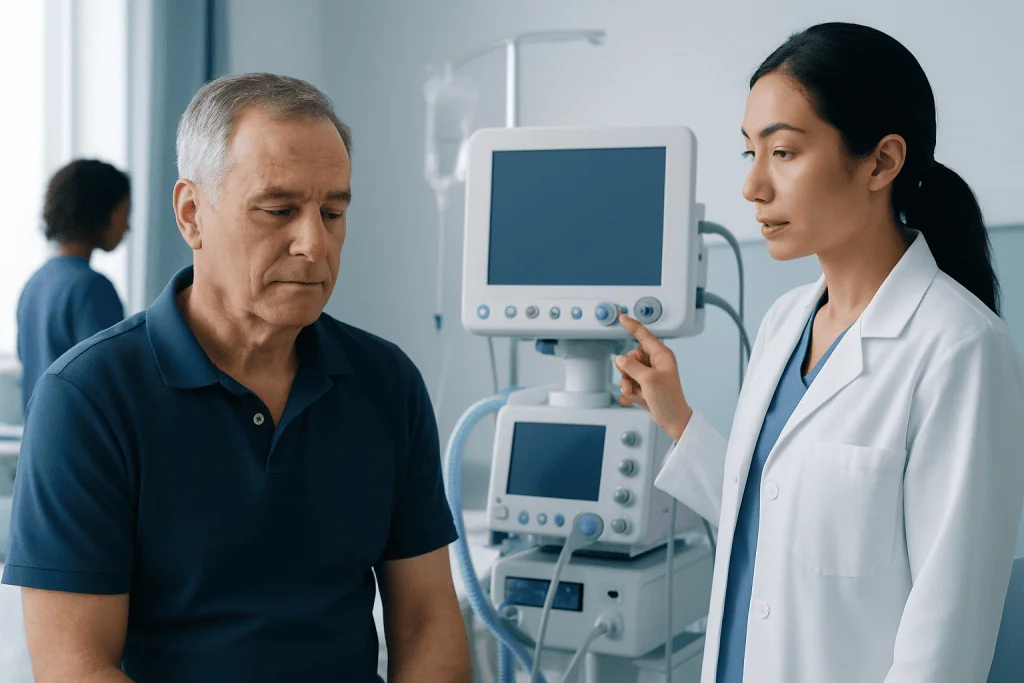
The earliest shingles symptoms may feel vague at first. Before the rash appears, a person may experience localized pain, tingling, numbness, itching, or a burning sensation. Some also feel generally unwell, with fatigue, headache, mild fever, or sensitivity to light. Because the discomfort can begin before visible skin changes, shingles may initially be mistaken for a muscle strain, dental pain, or another skin condition.
Once the rash develops, it usually starts as red patches and quickly turns into grouped blisters. These blisters may break open, ooze, and then crust over. The rash most often appears on the chest, back, abdomen, or face, and it usually stays on one side of the body without crossing the midline.
Common shingles symptoms include:
- Pain, burning, or sharp stabbing discomfort in one area
- Tingling, itching, or skin sensitivity
- A red rash followed by clusters of blisters
- Touch sensitivity, including pain from clothing or light contact
- Headache, tiredness, or mild fever in some cases
The severity of symptoms varies. Some people have only a mild rash and moderate discomfort, while others develop intense nerve pain. In older adults, pain can be more pronounced and may continue even after the skin has healed.
How shingles differs from other rashes and related conditions
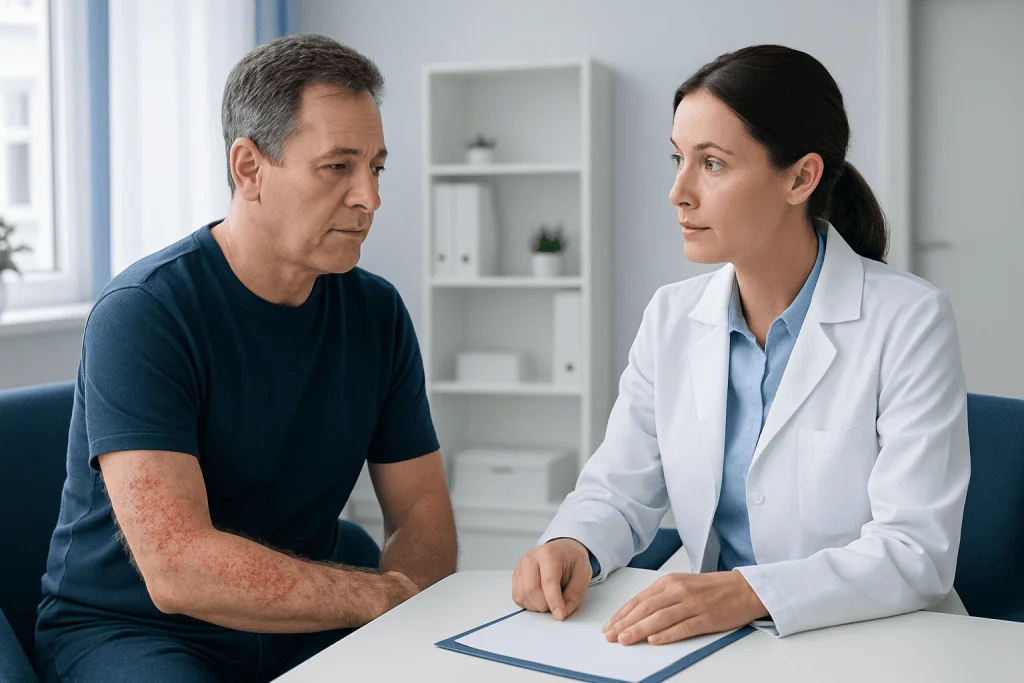
A key feature of shingles symptoms is their one-sided pattern. The rash usually follows a stripe or patch linked to a single nerve pathway, called a dermatome. This helps distinguish shingles from more widespread allergic rashes, eczema, or heat rash, which often affect both sides of the body or appear in scattered areas.
Shingles can sometimes be confused with herpes simplex, insect bites, contact dermatitis, or bacterial skin infections. However, shingles typically causes nerve-related pain before the blisters appear, and the lesions tend to cluster in a band-like distribution. When symptoms affect the forehead, eyelid, or tip of the nose, doctors pay special attention because the eye may be involved.
One of the most important related conditions is postherpetic neuralgia, which is persistent nerve pain after the rash has resolved. This is more common in older adults and can interfere with sleep, mood, and daily activities. In some cases, clinicians may also consider whether a person has an underlying immune problem if shingles is unusually severe, recurrent, or widespread.
Causes and risk factors
Shingles happens when the varicella-zoster virus becomes active again after remaining dormant in the body for years. The exact reason for reactivation is not always clear, but it is closely linked to changes in immune function over time. A person cannot develop shingles without having had chickenpox in the past, although some may not remember the earlier infection.
Risk increases with age, especially after 50, because the immune system naturally changes over time. People with weakened immunity are also more vulnerable, including those receiving cancer treatment, transplant-related medicines, or long-term immunosuppressive therapy, and people living with certain chronic illnesses.
Factors associated with a higher risk include:
- Older age
- A weakened immune system
- Physical or emotional stress
- Recent illness or major surgery
- Cancer or treatments that suppress immunity
Shingles itself is not spread from one person to another in the same way as a cold. However, the virus in the blisters can infect someone who has never had chickenpox or has not been vaccinated, causing chickenpox rather than shingles. Covering the rash and avoiding direct contact with vulnerable individuals can help reduce this risk.
Diagnosis and when symptoms need quick attention
Doctors usually diagnose shingles based on the pattern of symptoms and the appearance of the rash. The one-sided distribution, nerve pain, and grouped blisters are often enough to make the diagnosis during a clinical examination. If the presentation is unusual, a doctor may take a sample from a blister for laboratory testing.
Prompt assessment is especially important because antiviral treatment works best early in the course of the illness. A person should seek medical advice as soon as possible if they suspect shingles, particularly if the rash appeared within the past 72 hours. Early care may help reduce the duration and intensity of symptoms.
Medical care should be sought quickly if:
- The rash or pain involves the eye, eyelid, or forehead
- The pain is severe or rapidly worsening
- The rash is widespread or appears on both sides of the body
- There is fever, marked weakness, confusion, or signs of secondary infection
- The person is pregnant, immunocompromised, or very young
When eye symptoms are present, doctors may arrange specialist evaluation because untreated ocular shingles can threaten vision. If shingles affects the face or is associated with nerve-related complications, consultation with specialists in neurology care or ophthalmology evaluation may be appropriate.
Treatment options and symptom relief
Treatment for shingles focuses on controlling the virus, easing pain, and preventing complications. Doctors may prescribe antiviral medicines to help shorten the illness, especially when treatment begins early. Pain relief may involve standard pain medicines, topical measures, or other treatments tailored to nerve pain.
Skin care is also important. Keeping the rash clean and dry, avoiding scratching, and wearing loose clothing can make the area more comfortable. Cool compresses may help soothe irritation. If a secondary bacterial infection is suspected, a doctor may recommend additional treatment.
For people with persistent or severe nerve pain, further assessment may be needed. In selected cases, support from specialists in pain management can help improve comfort and function. If the diagnosis is uncertain or symptoms overlap with another skin disorder, evaluation in dermatology may also be useful.
Near the end of care planning, some patients benefit from coordinated input across specialties, especially if the eye, nervous system, or immune system is involved. Acibadem International’s multidisciplinary specialists and JCI-accredited hospitals diagnose and treat shingles and its complications for international patients.
Prevention and self-care during recovery
Vaccination is the most effective way to reduce the risk of shingles and some of its complications in eligible adults. A doctor can advise whether vaccination is appropriate based on age, medical history, and immune status. Even people who have had shingles before may still benefit from vaccination, depending on clinical guidance.
During recovery, rest, hydration, and gentle skin care can support healing. The blisters should be left alone as much as possible, and the area can be covered with a loose, non-stick dressing if needed. Good hand hygiene and avoiding sharing towels or close skin contact with vulnerable people are sensible precautions until the blisters have crusted.
Self-care steps that may help include:
- Using cool compresses for comfort
- Wearing soft, loose-fitting clothing
- Avoiding scratching or picking at blisters
- Getting enough sleep and fluids
- Following the prescribed treatment plan closely
Persistent pain, low mood, or sleep disturbance during recovery should not be ignored. Ongoing symptoms can often be managed with medical support, and follow-up care may help reduce the impact of longer-term nerve pain.
When to see a doctor
A person should contact a doctor promptly if shingles symptoms are suspected, especially if pain, tingling, or a rash appears on one side of the face or body. The earlier the condition is evaluated, the sooner treatment can begin. This is particularly important for older adults and anyone with a weakened immune system.
Same-day or urgent review is advised if the symptoms affect the eye, vision, ear, or face; if the pain is severe; or if the rash is widespread. Medical attention is also important if fever, increasing redness, pus, or marked swelling suggests a secondary infection.
Even after the rash fades, ongoing burning or stabbing pain deserves follow-up. Persistent nerve pain after shingles is treatable, and a doctor can discuss options to improve comfort, sleep, and daily functioning. When in doubt, professional assessment is the safest approach.
Frequently asked questions
What are the first shingles symptoms?
The first shingles symptoms are often pain, burning, tingling, itching, or unusual skin sensitivity in one area of the body or face. A rash usually appears a few days later in the same location.
Can shingles start without a rash?
Yes, shingles can begin with pain or tingling before any visible rash appears. In uncommon cases, nerve pain may occur with minimal or hard-to-recognize skin changes, which can make diagnosis more difficult.
How can a person tell if a rash might be shingles?
A shingles rash usually appears on one side of the body or face and forms grouped fluid-filled blisters. It is often preceded or accompanied by burning, stabbing, or sensitive skin pain, which helps distinguish it from many other rashes.
Is shingles contagious?
Shingles itself is not passed from one person to another. However, the virus from open blisters can cause chickenpox in someone who has never had chickenpox or has not been vaccinated.
When should someone seek urgent care for shingles symptoms?
Urgent medical care is important if shingles affects the eye, forehead, nose, ear, or causes severe pain, confusion, or a widespread rash. People who are pregnant or immunocompromised should also seek prompt medical advice.
How long do shingles symptoms last?
The rash often crusts over within about 7 to 10 days and may clear over several weeks. Pain can improve as the skin heals, but some people develop longer-lasting nerve pain that needs follow-up treatment.
References
- Centers for Disease Control and Prevention
- National Institute on Aging
- Mayo Clinic
- National Health Service
- American Academy of Dermatology
This article is for general information only and is not a substitute for professional medical advice. Please consult a qualified doctor about your individual situation.
Shingles in Turkey — costs, top hospitals & a free quote
JCI-accredited · board-certified surgeons · reply within 24h
Add us as a Preferred Source to see more of our trusted health content across Google Search, AI Overviews and Discover.