Shock Loss After Hair Transplant: Why It Happens and When Hair Returns

Shock loss is usually a temporary shedding phase after hair transplant surgery. It can affect transplanted grafts, surrounding native hair, or both.
Key Takeaways
- Shock loss is usually a temporary shedding phase after hair transplant surgery.
- It can affect transplanted grafts, surrounding native hair, or both.
- Visible regrowth often starts after several months, with fuller results taking longer.
- Gentle scalp care and following post-procedure instructions support recovery.
- Persistent redness, pain, pus, or patchy non-regrowth should be assessed by a doctor.
Shock loss hair transplant describes temporary shedding that can happen in transplanted hair, nearby existing hair, or both after a procedure. In most cases it is part of the healing cycle, and hair gradually returns as the follicles recover and move back into active growth.
Overview: what shock loss means after a hair transplant
Shock loss hair transplant refers to temporary shedding that may happen after a hair restoration procedure. It can affect the newly transplanted hairs, the person’s existing hair around the treated area, or both. Although it can be unsettling, this shedding is usually expected and does not automatically mean the transplant has failed.
In a typical pattern, the visible hair shafts fall out first while the follicles remain in place under the skin. Those follicles then enter a resting phase before beginning a new growth cycle. Because hair grows slowly, the return is gradual rather than immediate.
This process is different from permanent hair loss conditions, even though they can look similar in the short term. People who already have ongoing pattern hair loss may also notice that the change is harder to interpret during recovery. For background on progressive hereditary hair loss, patients may also read hair loss.
Understanding this timeline can make recovery less stressful. A hair transplant is not judged by the first few weeks of appearance, but by how the follicles heal and regrow over the following months after hair transplant treatment.
Symptoms and what it looks like
The most common sign of shock loss is shedding in the weeks after surgery. Patients may see short transplanted hairs falling out while washing or combing. Some also notice thinning in the surrounding native hair, especially where grafts were placed between existing strands.
The scalp itself may go through normal healing changes at the same time. Mild redness, tenderness, itching, and small crusts can appear early in recovery and generally improve with routine aftercare. These signs are usually related to healing rather than to poor growth.
Shock loss can look different from person to person. In some, the area simply appears similar to how it looked before surgery. In others, it may briefly seem thinner than before, particularly if many native hairs enter a resting phase. This can be emotionally difficult, but it does not always predict the final result.
- Shedding of transplanted hairs within the first several weeks
- Temporary thinning of nearby native hair
- A scalp that may look pink, dry, or mildly irritated during healing
- Gradual return of new growth over the following months
Why shock loss happens

Shock loss happens because hair follicles are sensitive to physical stress. During a transplant, follicles are removed, prepared, and implanted into tiny recipient sites. Even when this is done carefully, the follicles and nearby skin go through a controlled injury and healing response, which can push some hairs into the shedding phase of the hair cycle.
Inflammation is one of the main reasons. The scalp responds to surgery by increasing blood flow and activating repair pathways. This is a normal part of healing, but it can briefly disrupt the growth cycle of both transplanted and existing hairs. The hair shaft may fall out while the follicle remains alive and able to produce a new strand later.
Native hair can be especially vulnerable if it is already miniaturized from androgenetic alopecia. These weaker hairs are more likely to shed after the stress of surgery and may take longer to recover. Patients interested in the broader recovery process can also explore hair transplant recovery.
The technique used, the density of implantation, scalp characteristics, and individual healing patterns may all influence how noticeable shock loss becomes. However, even with excellent technique and appropriate care, some degree of temporary shedding can still occur.
Risk factors and who is more likely to notice it
Shock loss is not limited to one type of patient, but some situations make it more noticeable. People who still have many natural hairs in the recipient area may be more aware of thinning because existing hair can shed along with the transplanted shafts. This is common in procedures designed to increase density rather than cover a fully bald area.
Advanced thinning, fragile miniaturized hair, and ongoing male or female pattern hair loss can also increase the chance that native hairs temporarily drop out. If those hairs were already close to the end of their growth cycle, the stress of surgery may bring that shedding forward.
Other factors that may affect recovery include smoking, poor scalp care, excessive scratching, and not following post-procedure instructions. General health, nutritional status, and the presence of scalp inflammation may also play a role, although they do not mean shock loss will definitely happen.
- Pre-existing thinning or miniaturized hair in the treated area
- Dense packing between many native hairs
- A naturally sensitive scalp or more visible inflammation after surgery
- Mechanical trauma from rubbing, picking, or scratching
- Continued progression of underlying pattern hair loss
When hair returns: the usual timeline
The key point for most patients is that shock loss is usually temporary. The shed hairs often enter a resting phase first, and then the follicles start producing new hair. This means there is often a quiet period when little seems to change, even though the follicles are recovering underneath the skin.
Many patients notice shedding in the first few weeks after surgery. Visible regrowth commonly begins after a few months, and density then improves gradually. The final appearance usually takes much longer than the early healing period, so patience is an important part of recovery.
Not all hairs regrow at the same speed. Some areas may fill in sooner, while others lag behind. Curl, thickness, and texture can also change temporarily before settling into a more natural look. Reading about the broader hair transplant timeline can help patients place shock loss within the full course of recovery.
If there is little visible improvement within the expected follow-up period, the surgeon may assess whether the delay reflects slow but normal growth, continuing native hair loss, or another scalp issue that needs attention. Follow-up visits are useful because progress is often easier to judge clinically than by day-to-day self-observation.
How doctors assess shock loss and rule out other problems
Diagnosis is usually based on the timing, pattern, and appearance of the scalp after surgery. A doctor will ask when shedding started, whether it involves transplanted hair or surrounding hair, and whether there are symptoms such as redness, pain, drainage, or severe itching. The examination helps distinguish expected shedding from infection, scarring, or ongoing pattern hair loss.
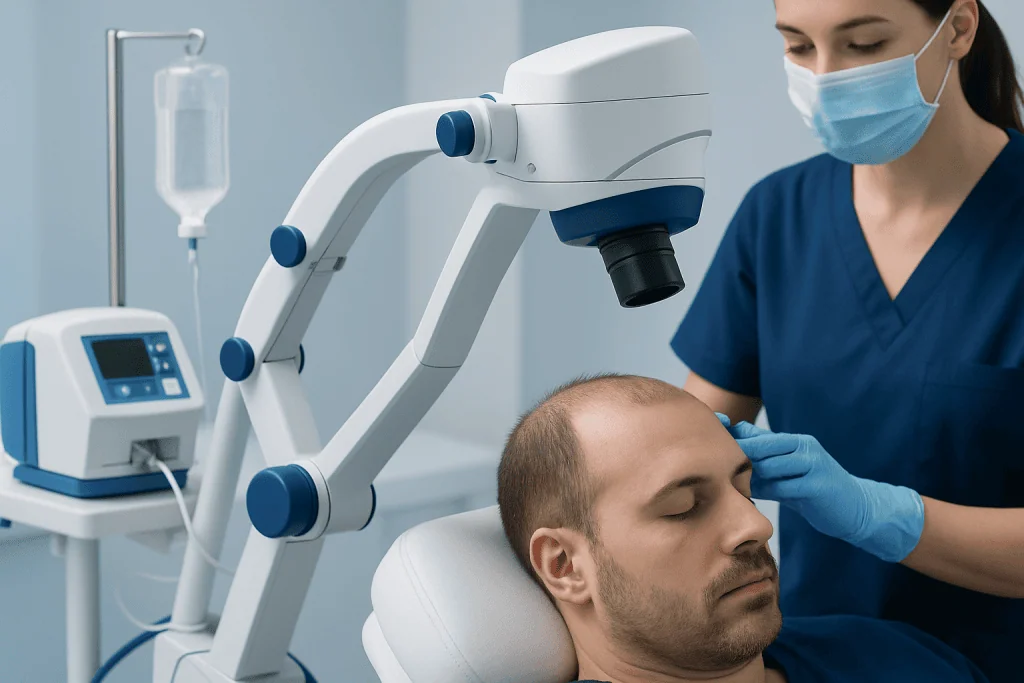
Photographs taken before and after the transplant can be very helpful. They allow the team to compare the baseline density, map the treated zones, and see whether the current appearance fits normal recovery. In some cases, dermoscopy or magnified scalp examination may be used to look at follicle openings, healing, and early regrowth.
If the scalp looks inflamed or if shedding is more extensive than expected, a doctor may evaluate for conditions that can affect the outcome, including dermatitis, folliculitis, or non-transplant-related shedding. Patients with broader hair concerns sometimes benefit from a dermatology review alongside the transplant team.
At centers such as Acibadem International, multidisciplinary specialists in JCI-accredited hospitals evaluate recovery carefully and guide international patients through diagnosis and follow-up when concerns arise after hair restoration procedures.
Treatment options and what supports recovery
In many cases, the main treatment for shock loss is time and proper aftercare. Because the follicles usually remain alive, the goal is to protect the scalp while normal healing continues. Patients are advised to follow washing instructions, avoid trauma to the grafts, and attend scheduled follow-up visits.
Doctors may recommend supportive measures depending on the individual case. These can include medical therapy for ongoing pattern hair loss, treatment for scalp inflammation, or a review of nutritional or general health factors that could affect recovery. Any medication should be used only under the direction of a qualified doctor.
Some patients are candidates for additional supportive therapies during recovery planning, especially when there is underlying thinning beyond the transplant zone. Depending on the clinician’s assessment, related options may include PRP treatment or management aimed at the root cause of hair loss treatment.
It is important not to self-treat aggressively with harsh products, frequent rubbing, or unadvised supplements. More intervention is not always better, and an irritated scalp may take longer to settle. When concerns arise, individualized medical advice is safer than trying multiple remedies at once.
Self-care, prevention, and when to seek medical care
Although shock loss cannot always be prevented, gentle recovery habits may reduce unnecessary stress on the scalp. Patients should follow the surgeon’s instructions on washing, sleeping position, sun protection, and activity restrictions. Avoiding smoking, scratching, and tight headwear during early healing may also help protect both grafts and native hair.
Good self-care also means managing expectations. Recovery after transplantation is gradual, and the appearance can temporarily worsen before it improves. Taking regular photos in consistent lighting can provide a more accurate view of progress than daily mirror checks, which often make subtle changes feel more dramatic.
Medical review is important if there are signs that do not fit ordinary healing. Patients should seek medical care if they develop increasing pain, spreading redness, swelling, pus, fever, a foul odor, or sudden patchy loss that seems to be worsening rather than stabilizing. It is also sensible to contact the doctor if there is little or no sign of regrowth within the expected follow-up period given by the surgical team.
Early communication can prevent avoidable problems and provide reassurance when healing is actually on track. Most cases of shock loss improve with time, but professional follow-up is the best way to confirm that recovery is proceeding normally.
Frequently asked questions
Is shock loss after a hair transplant permanent?
Most shock loss is temporary. The visible hair shaft sheds, but the follicle usually remains alive and can grow a new hair over time. Permanent loss is less common and should be assessed by a doctor if recovery does not follow the expected pattern.
How soon does shock loss start after hair transplant surgery?
It often starts within the first few weeks after the procedure. The exact timing varies from person to person, and some people notice mainly transplanted hair shedding while others also see thinning in nearby native hair.
When will hair start growing back after shock loss?
Visible regrowth commonly begins after a few months, but the pace is gradual. Hair follicles first enter a resting phase, so there is often a period when little seems to happen before new growth becomes noticeable.
Can shock loss affect existing hair, not just transplanted grafts?
Yes. Existing native hair around the recipient area can also shed temporarily, especially if it was already thinning or miniaturized. This is one reason the scalp may briefly look thinner than before surgery.
Does shock loss mean the transplant failed?
No, not usually. Early shedding is a common part of the healing and growth cycle after transplantation. The success of the procedure is judged over months, not by the appearance in the first few weeks.
Can anything reduce the chance of shock loss?
There is no guaranteed way to prevent it completely, but careful surgical technique and good aftercare may help. Following washing instructions, avoiding trauma to the scalp, and discussing treatment for ongoing pattern hair loss with a doctor are sensible steps.
References
- American Academy of Dermatology
- International Society of Hair Restoration Surgery
- British Association of Dermatologists
- National Institutes of Health
- Mayo Clinic
This article is for general information only and is not a substitute for professional medical advice. Please consult a qualified doctor about your individual situation.
Hair transplant in Turkey — costs, graft counts & a free assessment
JCI-accredited · board-certified surgeons · reply within 24h
Add us as a Preferred Source to see more of our trusted health content across Google Search, AI Overviews and Discover.