Short Term Effects and Long Term Effects of Alcohol: A Complete Medical Overview
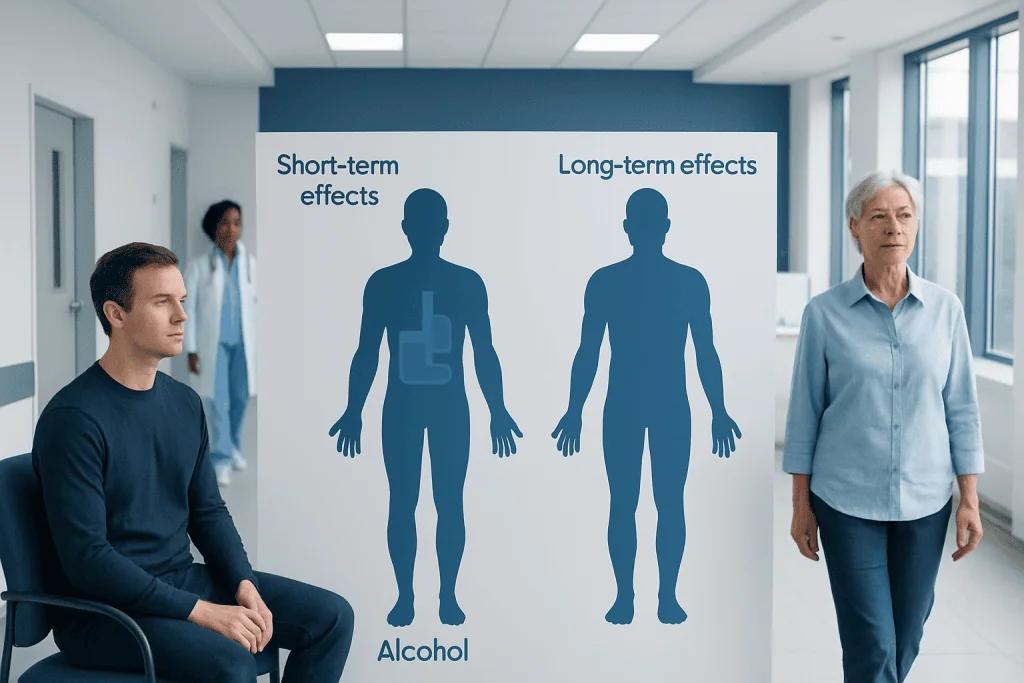
Alcohol can quickly affect the brain, balance, reaction time, mood, and decision-making, even after a small amount. Repeated heavy drinking may increase the risk of liver disease, heart problems, nerve damage, some cancers, and mental health disorders.
Key Takeaways
- Alcohol can quickly affect the brain, balance, reaction time, mood, and decision-making, even after a small amount.
- Repeated heavy drinking may increase the risk of liver disease, heart problems, nerve damage, some cancers, and mental health disorders.
- Risk depends on how much, how often, and how long a person drinks, as well as age, sex, genetics, medications, and overall health.
- Warning signs such as confusion, trouble breathing, seizures, vomiting, or inability to wake a person need urgent medical care.
- Reducing or stopping alcohol use can improve sleep, blood pressure, liver health, mood, and daily functioning over time.
Short term effects and long term effects of alcohol can affect nearly every organ system. In the short term, alcohol may impair judgment, coordination, sleep, and hydration; over time, repeated heavy use can harm the liver, heart, brain, digestive system, and mental health.
Overview: How alcohol affects the body over time
The short term effects and long term effects of alcohol differ, but both are medically important. In the short term, alcohol acts mainly on the brain and nervous system, slowing reaction time, reducing coordination, changing mood, and impairing judgment. With repeated use over months or years, alcohol may affect the liver, heart, digestive tract, immune system, hormones, and brain function.
Alcohol is absorbed through the stomach and small intestine and then carried through the bloodstream. Because it reaches many organs quickly, its effects can begin within minutes. How strongly a person feels those effects depends on body size, biological sex, age, food intake, medications, drinking speed, and overall health.
Not everyone who drinks alcohol will develop long-term medical problems, but risk rises with frequent drinking, binge drinking, and long-term heavy use. Even so, occasional drinking can still lead to accidents, injuries, poor decisions, dehydration, or dangerous interactions with medicines.
Understanding these differences helps people make informed choices. It also helps families recognize when alcohol use may be moving beyond a social habit and becoming a health concern that deserves medical attention.
Short-term effects: what can happen soon after drinking

Alcohol can affect the body and mind soon after it is consumed. Common short-term effects include relaxation, lowered inhibitions, slower thinking, reduced concentration, poor balance, and slurred speech. Some people also develop flushing, headache, nausea, vomiting, or heartburn, especially if they drink quickly or on an empty stomach.
As blood alcohol levels rise, the nervous system becomes more depressed. This can lead to delayed reflexes, unsafe driving, risky behavior, emotional swings, memory gaps, and trouble making decisions. Sleep may feel easier at first, but alcohol often disrupts sleep quality later in the night and can worsen snoring or breathing-related sleep problems.
Short-term physical effects may include:
- Dehydration and increased urination
- Dizziness and unsteady walking
- Blurred vision
- Stomach irritation and vomiting
- Lowered body temperature
- Temporary changes in blood sugar
In larger amounts, alcohol poisoning can occur. This is a medical emergency. Warning signs include confusion, repeated vomiting, seizures, slow or irregular breathing, bluish skin or lips, and difficulty waking the person. Emergency help is needed right away in these situations.
Long-term effects: how repeated alcohol use can harm health

Long-term alcohol use can affect nearly every major organ. The liver is especially vulnerable because it processes most of the alcohol a person drinks. Over time, alcohol may contribute to fatty liver, inflammation of the liver, scarring, and advanced liver disease. People may also be evaluated for complications related to cirrhosis if there are signs of chronic liver injury.
The heart and blood vessels can also be affected. Long-term heavy drinking may contribute to high blood pressure, irregular heart rhythms, weakened heart muscle, and a higher risk of stroke in some individuals. Alcohol can also raise triglyceride levels and worsen sleep quality, both of which may affect cardiovascular health over time.
The brain and mental health are another major concern. Persistent alcohol use may lead to memory problems, poor concentration, slower thinking, depression, anxiety, irritability, and nerve damage. In some people, drinking gradually shifts from a behavior to a medical condition known as alcohol addiction, where craving, tolerance, and loss of control become prominent.
Other long-term concerns include stomach inflammation, reflux, pancreatitis, weakened immunity, fertility problems, sexual dysfunction, and a higher risk of certain cancers. If complications such as pancreatitis are suspected, prompt medical assessment is important.
Why some people are at higher risk
The health effects of alcohol are not the same for everyone. Risk is influenced by the amount consumed, how often a person drinks, and whether drinking happens in binges. Regular heavy use generally creates more medical risk than occasional low-level intake, but even short episodes of heavy drinking can be dangerous.
Biological differences also matter. Age, sex, body composition, genetics, and liver function can all change how alcohol is metabolized. Older adults may be more sensitive to alcohol’s effects on balance, memory, and medication interactions. Younger people may be more vulnerable to risk-taking behaviors, injuries, and the effects of alcohol on the developing brain.
Certain health conditions and medicines can increase harm. Alcohol can interact with sleep aids, pain medicines, antidepressants, anti-anxiety drugs, diabetes medicines, and many other treatments. People with liver disease, stomach ulcers, heart rhythm problems, depression, or a history of substance misuse may need especially careful medical guidance.
Pregnancy is a special case because no amount of alcohol is known to be completely risk-free for fetal development. People who are pregnant, trying to become pregnant, or concerned about alcohol exposure during pregnancy should discuss this with a qualified clinician.
How doctors assess alcohol-related health effects
Assessment begins with a clear, nonjudgmental discussion of symptoms, drinking pattern, medical history, and current medicines. Doctors may ask how much alcohol is typically consumed, how often drinking occurs, and whether there are signs of tolerance, withdrawal, blackouts, work or family problems, or loss of control over drinking.
A physical examination may focus on blood pressure, heart rate, hydration, mood, balance, memory, abdominal tenderness, liver enlargement, or nerve changes. If there are warning signs of organ damage, a clinician may recommend blood tests to check liver function, blood counts, electrolytes, glucose, and markers of inflammation or nutritional deficiency.
In some cases, imaging or specialist evaluation is useful. For example, abdominal MRI or other imaging may help evaluate complications affecting the liver, pancreas, or brain when symptoms suggest more advanced disease. For digestive symptoms, some patients may need endoscopy to look for inflammation, ulcers, or bleeding in the upper digestive tract.
The goal of diagnosis is not only to identify current harm, but also to estimate future risk and guide next steps. This may include counseling, treatment for withdrawal, nutritional support, medication review, mental health care, or referral to a specialist team.
Treatment and recovery options
Treatment depends on the pattern of alcohol use and whether organ damage is already present. For some people, the best step is reducing intake with medical guidance. For others, especially those with withdrawal symptoms, cravings, or repeated unsuccessful attempts to stop, a structured treatment plan is safer and more effective.
Alcohol withdrawal can range from mild shakiness and anxiety to severe complications such as seizures or delirium. Because withdrawal can be dangerous, anyone who drinks heavily and wants to stop should speak with a doctor before doing so suddenly. Medical supervision may be needed, along with hydration, nutritional support, and close monitoring.
Longer-term care often combines medical and psychological support. This may include counseling, behavioral therapy, family support, treatment of anxiety or depression, and management of complications such as liver disease or digestive problems. Some people benefit from care in a specialized alcohol addiction treatment program, especially when drinking has begun to affect safety, relationships, or physical health.
If alcohol has caused liver injury, stomach bleeding, pancreatitis, nerve problems, or heart symptoms, treatment also focuses on those conditions. Near the end of the care pathway, some international patients choose multidisciplinary evaluation at Acibadem International, where JCI-accredited hospitals and specialists assess alcohol-related conditions and related organ complications.
Prevention and self-care
The safest way to prevent alcohol-related harm is to avoid alcohol or keep intake low and infrequent. Practical steps include eating before drinking, drinking slowly, alternating alcoholic drinks with water, avoiding mixing alcohol with sedating medicines, and never driving or operating machinery after drinking.
People who notice that alcohol is affecting sleep, mood, work, memory, or relationships may benefit from tracking how much they drink and in what situations. Common triggers include stress, social pressure, loneliness, poor sleep, and easy access to alcohol. Identifying patterns can make change more realistic and sustainable.
General self-care measures that support recovery and reduce harm include:
- Regular meals and good hydration
- Consistent sleep habits
- Physical activity appropriate for overall health
- Support from family, friends, or counseling services
- Medical review of medications and chronic conditions
People should not try to manage severe withdrawal symptoms on their own. If shakiness, sweating, rapid heartbeat, confusion, hallucinations, or seizures occur after reducing alcohol, urgent medical care is necessary.
When to seek medical care
Medical care should be sought promptly if alcohol use is causing repeated vomiting, falls, blackouts, chest pain, jaundice, severe abdominal pain, worsening depression, or problems at home or work. These symptoms may point to complications that need evaluation rather than simple rest or hydration.
Urgent or emergency care is especially important for suspected alcohol poisoning. Immediate help is needed if a person cannot be awakened, is breathing slowly or irregularly, has a seizure, turns blue, or is choking on vomit. If there is any doubt, it is safer to call emergency services.
A doctor should also be consulted before stopping alcohol suddenly after long-term heavy use. Withdrawal can be unpredictable, and supervised care may prevent serious complications. Early medical support often makes treatment safer and recovery more manageable.
Even without an emergency, anyone concerned about the short term effects and long term effects of alcohol can benefit from a professional assessment. Early guidance can help protect liver, heart, brain, and mental health before more serious problems develop.
Frequently asked questions
What are the short term effects and long term effects of alcohol?
Short-term effects can include impaired judgment, poor coordination, slower reaction time, dehydration, nausea, and sleep disruption. Long-term effects may involve damage to the liver, heart, brain, nerves, digestive system, and mental health, especially with repeated heavy drinking.
How quickly does alcohol affect the body?
Alcohol can begin affecting the brain and behavior within minutes because it is absorbed into the bloodstream relatively quickly. The timing and intensity depend on how much was consumed, how fast it was consumed, whether food was eaten, and individual factors such as body size and metabolism.
Can alcohol cause permanent damage?
Yes, long-term heavy alcohol use can lead to lasting organ damage in some people, including liver scarring, nerve injury, memory problems, and heart complications. However, some effects may improve after reducing or stopping alcohol, especially when medical care begins early.
What are the warning signs of alcohol poisoning?
Important warning signs include repeated vomiting, confusion, seizures, slow or irregular breathing, bluish lips or skin, and difficulty waking the person. Alcohol poisoning is a medical emergency and needs immediate care.
Is it dangerous to stop drinking suddenly?
It can be dangerous for people who drink heavily or regularly over time. Withdrawal may cause shakiness, sweating, anxiety, high blood pressure, seizures, or severe confusion, so medical advice is important before stopping suddenly.
Can moderate drinking still affect health?
Yes, even lower levels of drinking can affect sleep, concentration, reflux, medication safety, and injury risk. For some people, such as those who are pregnant, take certain medicines, or have liver disease, even small amounts may be inappropriate.
References
- World Health Organization
- National Institute on Alcohol Abuse and Alcoholism
- Centers for Disease Control and Prevention
- National Health Service
- Mayo Clinic
This article is for general information only and is not a substitute for professional medical advice. Please consult a qualified doctor about your individual situation.
Persistent digestive symptoms? Get evaluated in Turkey
JCI-accredited · board-certified surgeons · reply within 24h
Add us as a Preferred Source to see more of our trusted health content across Google Search, AI Overviews and Discover.
Check your numbers in seconds
BMI, calories, due date, blood pressure and 30+ more clinical calculators — free, instant, doctor-reviewed ranges.

More from the Health Library

Ankle-brachial Indices: A Complete Medical Overview

Bc Powder: What Patients Need to Know

Glutamine Benefits: What Patients Need to Know

Mulberry: A Complete Medical Overview

Pathologist: What Patients Need to Know