Short Term Memory: A Complete Medical Overview

Short term memory allows a person to briefly store and use information such as a phone number, directions, or the next step in a task. Occasional memory lapses are common, especially during stress, fatigue, illness, or distraction.
Key Takeaways
- Short term memory allows a person to briefly store and use information such as a phone number, directions, or the next step in a task.
- Occasional memory lapses are common, especially during stress, fatigue, illness, or distraction.
- Persistent or worsening short term memory problems can have many causes, including medication effects, mood disorders, sleep disorders, neurological conditions, and vitamin deficiencies.
- Diagnosis usually starts with a medical history, physical examination, medication review, and sometimes blood tests or brain imaging.
- Treatment focuses on the underlying cause and may include lifestyle changes, cognitive support strategies, counseling, medication adjustment, or specialist care.
- Urgent medical attention is needed if memory problems begin suddenly or happen with confusion, weakness, speech difficulty, severe headache, or head injury.
Short term memory is the brain’s ability to hold small amounts of information for a brief time so it can be used right away. Difficulties with short term memory are common and may relate to stress, poor sleep, aging, medications, or an underlying medical condition, so evaluation depends on the pattern and severity of symptoms.
Overview: what short term memory means
Short term memory is the mental system that temporarily holds small pieces of information for a few seconds to minutes. It helps a person remember a number long enough to dial it, keep track of spoken instructions, or follow the steps of a task. In daily life, this function works closely with attention, concentration, and what clinicians often call working memory.
When people say they have “poor short term memory,” they may mean different things. Some are truly forgetting recent information, while others are having trouble paying attention in the first place. If information is not focused on clearly, it may never be stored well enough to be remembered later. For that reason, memory complaints are not always caused by a disease of memory itself.
Short term memory can be affected by many factors, from normal aging and sleep deprivation to depression, anxiety, medication side effects, and neurological illness. A careful evaluation looks at the overall pattern: when the problem started, how often it happens, whether it is getting worse, and whether it affects safety, work, school, or independence.
How short term memory works in everyday life
Short term memory is part of a broader network of brain functions rather than a single isolated process. The brain first needs to notice information through attention. It then briefly holds that information, manipulates it if needed, and either lets it go or transfers some of it into longer-term memory. This is why distraction, multitasking, and mental fatigue can make memory feel much worse.
Examples of short term memory in action include remembering where a person just placed their keys, keeping a shopping item in mind while walking down an aisle, or following a short conversation without losing track. Problems may show up as repeating questions, forgetting what was just said, losing track in the middle of tasks, or needing frequent reminders.
Short term memory also depends on healthy brain systems involved in language, planning, and processing speed. Conditions that affect the brain more broadly, such as Alzheimer’s disease or other cognitive disorders, may disrupt this function. However, many people with memory complaints do not have dementia, which is why context and medical assessment are important.
Symptoms and signs of short term memory problems

Short term memory problems can be mild and occasional or persistent enough to interfere with daily life. A person may forget recent conversations, misplace items more often, lose track of tasks, or have trouble recalling instructions that were just given. Some notice difficulty learning new information, especially when they are tired or under stress.
Memory difficulties may appear alongside other symptoms that help point to the cause. These can include poor concentration, low mood, anxiety, sleep problems, headaches, dizziness, confusion, or slowed thinking. In some cases, family members notice the changes first, especially if the affected person repeats stories or questions more than usual.
Some memory changes are more concerning than others. Warning signs include a noticeable decline over time, trouble managing medicines or finances, getting lost in familiar places, marked personality changes, or problems with speech and judgment. These patterns suggest the need for medical evaluation rather than simple self-care alone.
- Frequently forgetting recent events or conversations
- Repeating questions or statements
- Difficulty following steps or directions
- Misplacing belongings in unusual places
- Needing lists or reminders much more than before
- Feeling mentally “foggy” or easily distracted
Causes and risk factors
There is no single cause of short term memory problems. Very common contributors include inadequate sleep, emotional stress, anxiety, depression, burnout, alcohol use, dehydration, and poor nutrition. In these situations, memory often improves when the underlying issue is addressed. Attention and mental overload play a major role, so people may feel forgetful even when the brain’s memory systems are otherwise healthy.
Medication effects are another important cause. Certain sleep medicines, sedatives, antihistamines, pain medications, and some drugs used for bladder symptoms, seizures, or mood disorders can affect alertness and memory. This does not mean a person should stop medicines on their own, but a clinician may review whether a prescription or combination of drugs could be contributing.
Medical conditions can also impair short term memory. Examples include thyroid disorders, vitamin B12 deficiency, infections, uncontrolled diabetes, liver or kidney disease, concussion, stroke, epilepsy, and sleep apnea. Neurological conditions such as Parkinson’s disease or degenerative disorders may affect memory, attention, or executive functioning. In older adults, normal aging may slow recall somewhat, but significant new forgetfulness is not considered a routine part of aging.
Risk factors include advancing age, cardiovascular risk factors, poor sleep, untreated hearing or vision loss, social isolation, chronic stress, and a history of brain injury. Family history can matter in some neurodegenerative diseases, but it is only one part of the overall picture.
How doctors evaluate short term memory
Evaluation begins with a detailed history. The doctor will ask when the memory problem started, whether it came on suddenly or gradually, what kinds of information are being forgotten, and how symptoms affect daily activities. Input from a family member or close friend can be helpful because changes are not always fully noticed by the person experiencing them.
A medical review usually includes current medications, alcohol and substance use, sleep patterns, mood symptoms, recent illnesses, and past neurological events such as head injury or stroke. The physical and neurological examination looks for clues involving balance, movement, language, reflexes, sensation, and mental status. Brief cognitive screening tests may be used to assess attention, recall, language, and problem-solving.
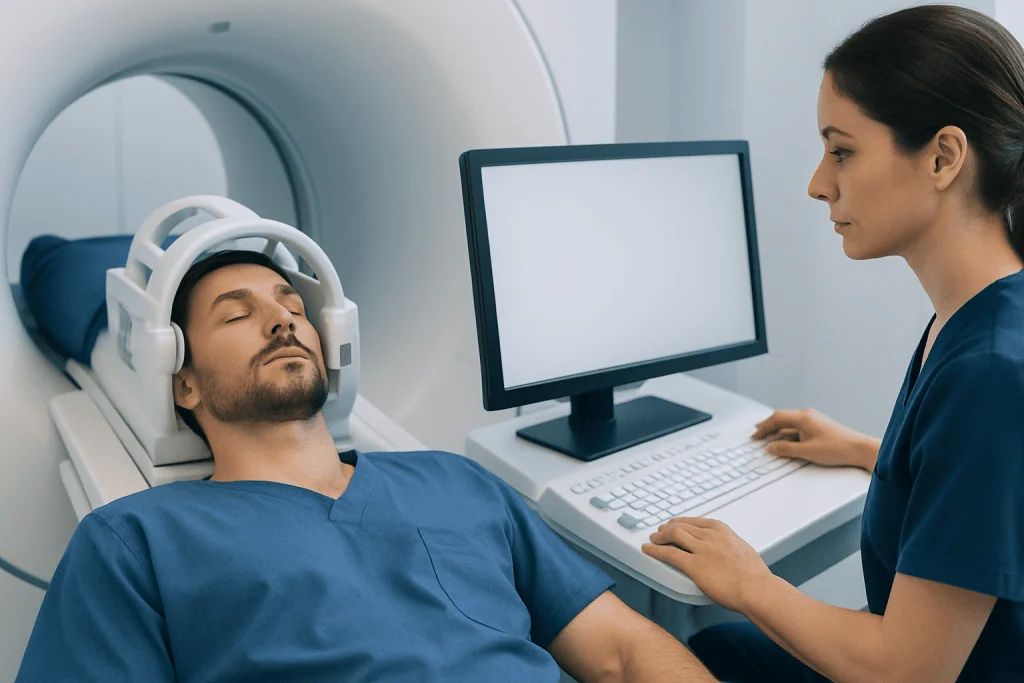
Depending on the findings, laboratory tests may check for reversible causes such as thyroid disease, vitamin deficiencies, infection, or metabolic imbalance. If a structural brain problem is suspected, imaging such as MRI imaging or a CT scan may be recommended. Some patients may also benefit from formal neuropsychological testing, sleep evaluation, hearing assessment, or referral to a neurologist.
If a stroke or another urgent brain disorder is a concern, faster assessment is needed, especially when memory change is sudden and comes with weakness, facial drooping, speech problems, or severe confusion. In that situation, emergency care may include CT scanning to help identify the cause quickly.
Treatment and management options
Treatment for short term memory problems depends on the underlying cause. If the issue is related to sleep deprivation, stress, anxiety, depression, alcohol use, or medication side effects, improvement often begins with addressing those factors. This may involve better sleep habits, counseling, treatment for mood symptoms, hydration, nutrition support, or a supervised medication review with a healthcare professional.
When an underlying medical condition is identified, treatment is directed toward that condition. For example, correcting vitamin deficiencies, improving blood sugar control, treating thyroid disease, managing sleep apnea, or addressing hearing loss can all help memory function. If there is concern about neurological disease, specialist care may be needed, and sometimes doctors use electroencephalography (EEG) when seizures or abnormal brain electrical activity are part of the evaluation.
Practical coping strategies can make daily life easier. Many people benefit from using calendars, written reminders, smartphone alerts, labeled storage spaces, and routines that reduce mental load. Breaking tasks into smaller steps, limiting distractions, and focusing on one activity at a time can improve how information is registered and remembered.
If a progressive cognitive condition is diagnosed, care usually focuses on symptom management, safety, functional support, and regular follow-up. Near the end of the care pathway, some patients may seek multidisciplinary assessment; Acibadem International’s specialists in JCI-accredited hospitals diagnose and treat memory-related conditions for international patients when appropriate.
Prevention and self-care for brain health
Not every cause of short term memory problems can be prevented, but many healthy habits support brain function. Regular sleep is one of the most important. During sleep, the brain processes and organizes information, so chronic sleep loss often leads to poor focus, slower thinking, and forgetfulness the next day.
Physical activity, a balanced diet, blood pressure control, and management of diabetes or high cholesterol also support brain health. Limiting alcohol, avoiding recreational drugs, staying hydrated, and not smoking may further reduce risk. Sensory health matters too: correcting hearing and vision problems can improve attention and reduce mental strain during communication.
Mental and social activity can help maintain cognitive function. Reading, conversation, learning new skills, music, and mentally engaging hobbies may support attention and memory networks. Just as importantly, treatment for depression, anxiety, and chronic stress should not be overlooked, because emotional health strongly affects concentration and recall.
- Keep a regular sleep schedule
- Exercise most days if medically appropriate
- Use one calendar or reminder system consistently
- Reduce multitasking and background distractions
- Review medicines regularly with a clinician
- Seek help for hearing, vision, mood, or sleep concerns
When to seek medical care
A person should seek medical advice if short term memory problems are persistent, worsening, or interfering with work, school, relationships, or independent living. Evaluation is also important if family members notice repeated questions, unsafe mistakes, getting lost, trouble managing medicines, or clear changes in judgment or personality.
Urgent medical care is needed when memory loss starts suddenly or appears with warning signs such as severe headache, one-sided weakness, facial drooping, trouble speaking, fainting, seizure, new confusion, or head injury. These symptoms may point to a medical emergency, including stroke, bleeding, infection, or another serious brain condition.
Even when symptoms are mild, a professional assessment can be helpful if they continue beyond a short period or cause concern. Early evaluation may identify reversible causes, provide reassurance when the issue is temporary, and guide treatment when a more complex condition is present.
Frequently asked questions
Is short term memory loss always a sign of dementia?
No. Short term memory problems can happen for many reasons, including stress, poor sleep, depression, medication effects, illness, and normal distraction. Dementia is only one possible cause, and a doctor looks at the full pattern of symptoms before making that diagnosis.
What is the difference between short term memory and long term memory?
Short term memory briefly holds information needed right away, such as a phone number or a recent instruction. Long term memory stores information for much longer periods, including learned facts, personal experiences, and skills.
Can anxiety or stress affect short term memory?
Yes. Anxiety and stress can interfere with attention, making it harder for the brain to take in and organize information in the first place. This can feel like memory loss even when the main problem is concentration.
At what age do short term memory changes become normal?
Mild slowing of recall can occur with aging, but significant new forgetfulness is not considered a normal or inevitable part of getting older. If memory changes are noticeable, progressive, or disruptive, medical review is appropriate at any age.
How is short term memory tested?
Doctors often begin with questions about daily function and a brief cognitive screening exam that checks attention, recall, language, and problem-solving. Depending on the situation, blood tests, brain imaging, sleep assessment, or formal neuropsychological testing may also be recommended.
Can short term memory improve?
Often, yes. Memory may improve when contributing factors such as poor sleep, stress, depression, medication side effects, or vitamin deficiencies are treated. The outlook depends on the underlying cause, which is why proper evaluation matters.
This article is for general information only and is not a substitute for professional medical advice. Please consult a qualified doctor about your individual situation.
Explore treatments in Turkey — costs, top hospitals & a free quote
JCI-accredited · board-certified surgeons · reply within 24h
Add us as a Preferred Source to see more of our trusted health content across Google Search, AI Overviews and Discover.

More from the Health Library

Magnesium Powder: An Evidence-Based Guide for Patients

Wormwood Benefits: What Patients Need to Know

Phlegm Color: What Patients Need to Know

Ssris and Heat: A Complete Medical Overview

Dumbbell for Arms Workout: A Complete Medical Overview