Should You Pop a Blister? A Doctor-Reviewed Answer

Most simple friction blisters should be left intact because the overlying skin protects healing tissue. Popping a blister at home can raise the risk of infection, especially if the skin is torn away.
Key Takeaways
- Most simple friction blisters should be left intact because the overlying skin protects healing tissue.
- Popping a blister at home can raise the risk of infection, especially if the skin is torn away.
- Medical care is important for blisters with redness, warmth, pus, severe pain, or if they occur in people with diabetes or poor circulation.
- Doctors assess the cause, size, location, and signs of infection before deciding whether a blister should be drained.
- Good foot care, properly fitting shoes, and reducing friction can help prevent many common blisters.
In most cases, the answer to should you pop a blister is no. A blister usually heals best when the skin over it stays intact, but some blisters may need careful drainage or medical review if they are painful, large, or infected.
Overview: Should a Blister Be Popped?
For most people, a blister is a minor and common skin problem. In answer to the question should you pop a blister, doctors usually advise leaving it alone if it is small, clean, and not very painful. The thin layer of skin on top acts like a natural dressing, helping protect the area while new skin forms underneath.
That said, not every blister is the same. Some are caused by rubbing from shoes, while others may result from burns, cold exposure, allergic reactions, viral infections, or underlying skin conditions. A large blister on the foot may interfere with walking, and a blister that looks infected needs different care from a simple friction blister.
The safest approach depends on the cause, location, and appearance of the blister. If it is uncomfortable but otherwise uncomplicated, it may be managed at home with protection and reduced friction. If it has warning signs such as increasing redness, warmth, pus, fever, or severe pain, medical review is the better choice.
What a Blister Is and Why It Forms
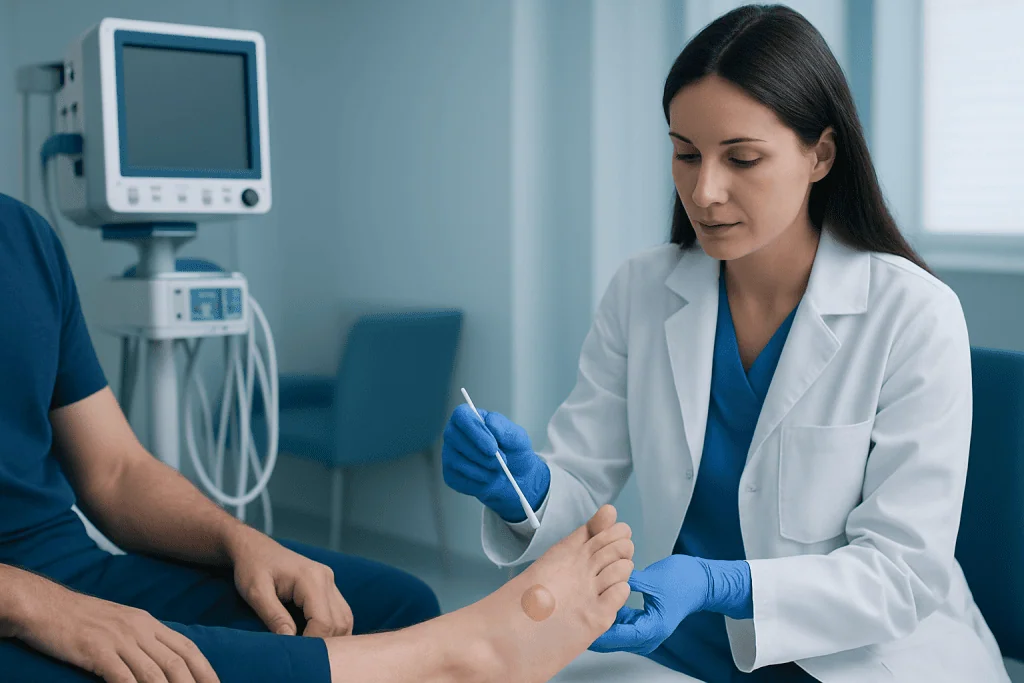
A blister is a small pocket of fluid that forms between layers of skin. It develops when the skin is injured or irritated, and the body sends fluid to cushion and protect the damaged area. This is why a blister can be helpful, even if it feels inconvenient.
Many blisters are caused by friction, especially on the feet and hands. Tight shoes, long walks, sports activity, or repeated tool use can all trigger them. Burns, including sunburn, can also lead to blistering. In some situations, blisters may be linked to infections such as herpes or to inflammatory skin problems that need a clinician’s assessment.
The fluid inside a blister is usually clear, but it may sometimes look yellowish or blood-tinged. A blood blister can happen when tiny blood vessels are injured along with the skin. This can look more dramatic, but it still often heals on its own if the area is protected and kept clean.
When Leaving It Intact Is Best

For a typical friction blister, leaving it intact is usually the best way to support healing. The skin roof helps keep out bacteria, reduces irritation, and lowers the chance of the raw skin underneath becoming more painful. This is especially true for small blisters that are not under heavy pressure.
Home care is often enough if the blister is clean, closed, and not showing signs of infection. Gentle washing with soap and water, keeping the area dry, and covering it with a soft bandage or blister pad can help. If the blister is on the foot, changing footwear and using cushioned socks may prevent more rubbing.
It is also important not to peel away the top layer of skin if the blister breaks on its own. That skin may still protect the area. Instead, the loose skin should be left in place as much as possible, the area should be cleaned gently, and a fresh dressing should be applied.
- Small, painless blisters usually do not need draining.
- Intact skin lowers infection risk.
- Protection from pressure and friction helps the blister heal.
When a Blister May Need Draining
Some blisters are so large, tense, or painful that they may need to be drained. This is more likely when a blister is on a weight-bearing part of the foot, interferes with movement, or is likely to burst from continued pressure. Even then, the goal is usually to release the fluid while keeping the overlying skin in place.
Doctors generally recommend caution with at-home popping because it can introduce bacteria and turn a simple blister into an infected wound. If a person decides to drain a blister at home despite this advice, the area should be washed well, hands should be clean, and the roof of the blister should not be removed. However, when there is any uncertainty, professional care is safer.
Medical drainage may be appropriate for very painful blisters, blisters caused by burns, or blisters in people at higher risk of complications. Individuals with diabetes, nerve damage, weak immunity, or circulation problems should be especially careful, because even a small blister can become a more serious foot wound. In those settings, a doctor may also evaluate for related concerns such as diabetic foot problems.
Red Flags: When to Seek Medical Care
Most blisters are harmless, but certain warning signs mean medical advice is important. A blister should be assessed if it becomes more red, swollen, warm, or painful over time, or if thick fluid or pus develops. These changes can suggest infection, especially if there is a fever or red streaking from the area.
Medical care is also recommended if the blister is very large, keeps returning, appears without a clear reason, or affects sensitive areas such as the face, eyes, genitals, or a large burned surface. A doctor should evaluate blisters that follow chemical exposure, significant burns, severe sunburn, or possible frostbite.
People with diabetes, poor circulation, reduced sensation, or a weakened immune system should not ignore blisters on the feet or hands. The same is true for blisters that do not improve, those associated with widespread rash, or blistering that may be part of another skin disorder requiring specialist input through dermatology care.
How Doctors Diagnose a Blister Problem
If a blister needs medical review, diagnosis often starts with a simple examination. The doctor will ask how the blister started, whether there was rubbing, heat, chemical exposure, or recent illness, and whether there are symptoms such as pain, itching, fever, or drainage. Many uncomplicated blisters can be diagnosed from the history and appearance alone.
The examination usually focuses on the blister’s size, location, fluid, and whether the surrounding skin looks healthy or infected. If the blister is on the foot, the doctor may also check pressure points, footwear, skin integrity, and circulation. In people with diabetes or poor healing, careful foot assessment is especially important.
Further tests are not always needed, but they may be considered when the cause is unclear or infection is suspected. A clinician might take a sample of fluid or skin in selected cases, or evaluate for related conditions if there are many blisters or repeated episodes. If a burn is involved, assessment may lead to treatment planning through a burn treatment service.
Treatment Options and Safe Self-Care
Treatment depends on the cause and severity. For a simple friction blister, care usually includes cleaning the skin gently, protecting the area with a non-stick dressing, and avoiding the source of rubbing. If the blister has opened, keeping it clean and covered is important until new skin forms.
If a doctor decides a blister should be drained, it is usually done in a way that preserves the skin roof as a protective layer. Infection, if present, may need wound care and sometimes additional treatment based on the clinician’s assessment. Blisters linked to burns, eczema, viral infection, or another skin disease are treated according to the underlying cause.
Supportive care can also reduce discomfort. Cushioned pads, shoe changes, moisture-wicking socks, and rest from repetitive activity are often helpful. For people with recurrent or difficult-to-heal wounds, specialized wound care may be part of the plan. Near the end of the care pathway, patients who need broader evaluation may also be seen by multidisciplinary specialists at Acibadem International’s JCI-accredited hospitals.
Prevention Tips for Common Blisters
Preventing friction is the most effective way to avoid many blisters. Shoes should fit well without tight pressure points, and new shoes are often best broken in gradually. Soft, breathable socks and dry skin surfaces can reduce repeated rubbing during walking, sports, or work.
On the hands, gloves may help during activities that involve repeated gripping or pressure. If a person already feels a “hot spot” where a blister may form, adding a protective dressing early may stop the problem from getting worse. For athletes, hikers, and workers who stand for long periods, routine foot checks are useful.
General skin care also matters. Skin that is overly moist from sweat or water can be more prone to friction injury, while very dry, cracked skin can become fragile. People with diabetes or reduced sensation should inspect their feet daily and seek medical advice early for any blister, cut, or sore.
Frequently asked questions
Should you pop a blister if it hurts?
Usually, no. A painful blister often still heals best when the skin stays intact, but a very large or pressure-filled blister may sometimes need careful drainage. If pain is severe or the blister is on the foot and affects walking, a doctor can advise the safest next step.
What happens if a blister pops on its own?
If a blister opens by itself, the area should be washed gently and covered with a clean, non-stick dressing. The loose skin should generally be left in place if possible, because it still protects the raw skin underneath. The dressing should be changed regularly and the area watched for signs of infection.
How can someone tell if a blister is infected?
Warning signs include increasing redness, warmth, swelling, worsening pain, pus, bad odor, or red streaks in the nearby skin. Fever or feeling unwell can also be a concern. A blister with these changes should be checked by a medical professional.
Are blood blisters treated differently?
A blood blister is usually caused by deeper tissue injury along with friction or pressure. It often looks darker red or purple, but many blood blisters can still be managed by protecting the area and avoiding more pressure. They should not be deliberately opened unless a clinician advises it.
Should people with diabetes pop a blister at home?
People with diabetes are generally advised not to pop a blister on their own. Even a small wound can heal more slowly or become infected, especially on the feet. Early medical advice is the safest choice.
How long does a simple blister usually take to heal?
Many simple friction blisters improve within a few days and heal over about one to two weeks. Healing depends on the size of the blister, its location, and whether the area keeps getting rubbed. Protecting the skin and reducing pressure can help speed recovery.
References
- American Academy of Dermatology
- American Diabetes Association
- National Health Service
- Mayo Clinic
- American Academy of Family Physicians
This article is for general information only and is not a substitute for professional medical advice. Please consult a qualified doctor about your individual situation.
Explore treatments in Turkey — costs, top hospitals & a free quote
JCI-accredited · board-certified surgeons · reply within 24h
Add us as a Preferred Source to see more of our trusted health content across Google Search, AI Overviews and Discover.