Sickle Cell Anemia: Diagnosis, Outlook, and Modern Treatment Approaches

Sickle cell anemia is a lifelong inherited condition affecting hemoglobin in red blood cells. Symptoms can include fatigue, pain episodes, infections, swelling of the hands and feet, and delayed growth in children.
Key Takeaways
- Sickle cell anemia is a lifelong inherited condition affecting hemoglobin in red blood cells.
- Symptoms can include fatigue, pain episodes, infections, swelling of the hands and feet, and delayed growth in children.
- Diagnosis is made with blood tests, including newborn screening and hemoglobin testing.
- Treatment may include vaccines, antibiotics in some children, pain control, disease-modifying medicines, transfusions, and selected advanced therapies.
- Regular follow-up with a hematology team helps prevent complications and supports a better outlook.
Sickle cell anemia is an inherited blood disorder that changes the shape of red blood cells, which can reduce oxygen delivery and lead to pain, anemia, and organ complications. Diagnosis is usually confirmed with blood testing, and modern care focuses on preventing crises, treating symptoms early, and improving long-term health and quality of life.
Overview: What sickle cell anemia is
Sickle cell anemia is a type of sickle cell disease, an inherited condition that affects hemoglobin, the protein in red blood cells that carries oxygen. In this disorder, red blood cells can become rigid and crescent or “sickle” shaped. These cells break down sooner than normal and may also block small blood vessels, which can reduce blood flow and oxygen delivery to tissues.
The condition is present from birth because it is caused by changes in the genes passed down from parents. A person develops sickle cell anemia when they inherit two affected hemoglobin genes, usually one from each parent. This is different from sickle cell trait, in which a person carries one altered gene but often has few or no symptoms.
Although sickle cell anemia is lifelong, care has improved greatly. Earlier diagnosis, better infection prevention, supportive medicines, transfusion strategies, and selected advanced treatments have helped many people live longer and healthier lives. Management is usually tailored to the person’s age, symptoms, complications, and overall health.
Symptoms and how the condition affects the body
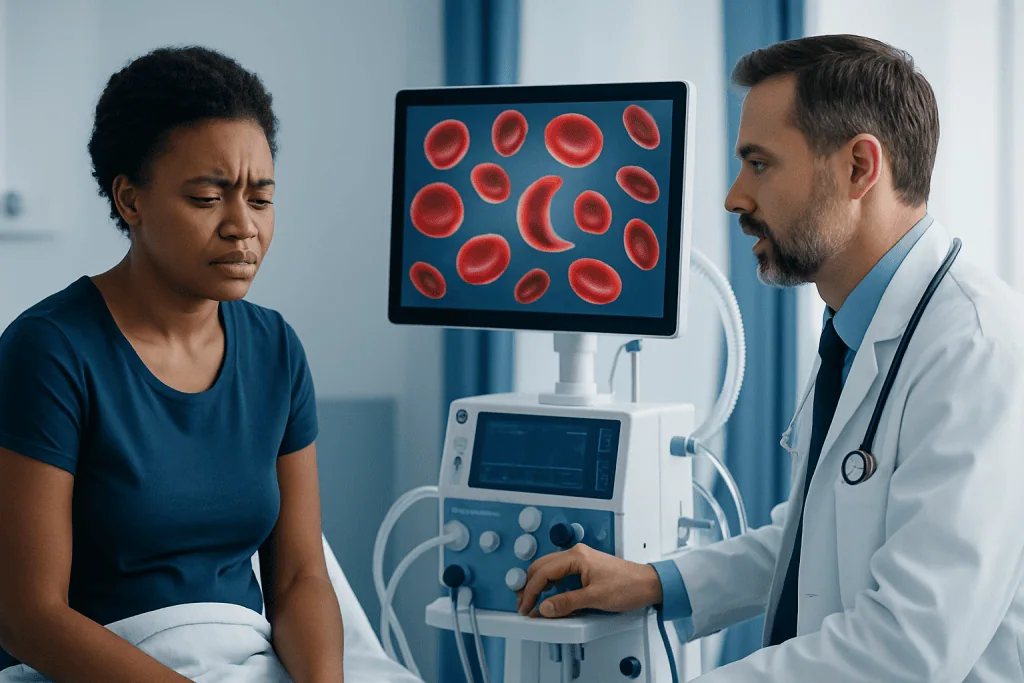
Symptoms of sickle cell anemia can vary from person to person and may change over time. Because sickled cells break apart more quickly than normal red blood cells, many people develop chronic anemia. This can lead to tiredness, weakness, shortness of breath with activity, pale skin, or reduced exercise tolerance.
Another key feature is episodes of pain, often called pain crises or vaso-occlusive crises. These happen when sickled cells block blood flow in small vessels. Pain may affect the chest, abdomen, back, arms, or legs and can range from mild to severe. Some people have occasional episodes, while others experience them more often.
Children may develop swelling of the hands and feet, especially early in life. The condition can also increase the risk of infections because the spleen may become damaged over time. In some children, growth and puberty may be delayed. Ongoing blood vessel blockage can also affect organs such as the lungs, kidneys, bones, eyes, and brain.
- Fatigue and pale skin from anemia
- Repeated pain episodes
- Swelling in hands and feet
- Frequent infections
- Jaundice, caused by red blood cell breakdown
- Vision changes, chest symptoms, or signs of stroke in some cases
Causes, inheritance, and risk factors

Sickle cell anemia is caused by a change in the gene that helps make hemoglobin. When a person inherits two abnormal hemoglobin genes, red blood cells can become stiff and sickle shaped under certain conditions. This is why the condition is not contagious and cannot be “caught” from another person.
The main risk factor is family inheritance. If both parents carry sickle cell trait, each pregnancy has a chance of resulting in a child with sickle cell anemia, a child with sickle cell trait, or a child without either. Genetic counseling can help families understand inheritance patterns and discuss testing options before or during pregnancy.
Sickle cell disease is more common in people whose family origins are in parts of Africa, the Mediterranean, the Middle East, India, and some regions of Central and South America. However, it can occur in people of many backgrounds. Triggers such as dehydration, infection, extreme temperatures, stress, low oxygen levels, and high altitude may increase the chance of symptoms or crises in someone who already has the disease.
How sickle cell anemia is diagnosed
Diagnosis usually begins with a blood test. In many countries, newborn screening identifies sickle cell disease soon after birth, allowing treatment and follow-up to begin early. If symptoms appear later or screening was not done, doctors may order a complete blood count and specialized tests to identify abnormal hemoglobin.
Hemoglobin electrophoresis or similar laboratory methods are commonly used to confirm the diagnosis and determine the specific hemoglobin pattern. These tests help distinguish sickle cell anemia from other related conditions and from sickle cell trait. Family history is also important when interpreting results.
After diagnosis, additional tests may be used to monitor complications and guide care. These can include checks of kidney and liver function, imaging when needed, eye examinations, and ultrasound screening of brain blood flow in some children to estimate stroke risk. Because sickle cell disease can affect many organs, diagnosis is often only the first step in a broader long-term care plan.
When symptoms overlap with other blood conditions, specialists may also evaluate for related disorders such as thalassemia or other causes of chronic anemia.
Modern treatment approaches and long-term care
Treatment for sickle cell anemia aims to reduce symptoms, prevent complications, and support normal daily life as much as possible. Care often includes routine vaccines, prompt treatment of infections, good hydration, and regular follow-up with a hematology team. Children may receive preventive antibiotics during early years, depending on specialist advice and local practice.
Medicines may be used to reduce pain crises or improve anemia in selected patients. Pain management is individualized and can include home measures for mild episodes and hospital care when pain is severe or when complications are suspected. Some people benefit from disease-modifying therapy, while others may need occasional or regular blood transfusions to treat anemia or lower the risk of complications such as stroke.
Advanced care may include blood transfusion therapy and, for carefully selected patients, bone marrow transplantation, which may offer a potential cure in some cases. Because transfusions can lead to iron buildup over time, doctors monitor iron levels and may recommend additional treatment if needed. Hospital-based care is also important for emergencies such as acute chest syndrome, severe infection, or stroke symptoms.
Many patients benefit from coordinated care that may include hematology, pediatrics or adult medicine, pain specialists, cardiology, pulmonology, nephrology, and eye care. In some situations, imaging such as MRI can help assess complications involving the brain, bones, or other organs. Near the end of the care journey, some international patients may choose evaluation at Acibadem International, where multidisciplinary specialists in JCI-accredited hospitals diagnose and treat sickle cell disease.
Outlook, daily living, and prevention of complications
The outlook for sickle cell anemia has improved significantly with early diagnosis and consistent care. Many people attend school, work, form families, and lead active lives. Prognosis depends on the type and severity of disease, access to specialist follow-up, how often complications occur, and how well preventive care is maintained.
Daily self-care plays an important role. Drinking enough fluids, avoiding smoking, staying up to date with vaccines, managing stress, and seeking prompt treatment for fever or infection can help reduce complications. People are also often advised to dress appropriately in very hot or cold weather and to discuss travel plans, high altitude exposure, and strenuous exercise with their doctor.
Regular checkups help detect problems early, even when a person feels well. Follow-up may include blood tests, medication review, assessment of pain patterns, and screening for organ effects over time. In children, growth, learning, and emotional well-being are also important parts of care.
Families may also want guidance on reproductive planning and genetic counseling. Understanding the difference between sickle cell trait and sickle cell disease can be helpful when planning for future pregnancies and testing other family members.
When to seek medical care
People with sickle cell anemia should contact a doctor promptly if symptoms change or a pain episode is more severe than usual. Fever needs urgent attention because infections can become serious more quickly in this condition. Chest pain, trouble breathing, severe weakness, confusion, or new neurological symptoms should be treated as emergencies.
Medical care is also important for prolonged pain, marked paleness, dehydration, persistent vomiting, a swollen abdomen, or reduced urination. Parents should seek advice quickly if a child is unusually sleepy, irritable, breathing fast, or not drinking well. Early treatment may reduce the risk of more serious complications.
Routine care matters as much as urgent care. Anyone with known or suspected sickle cell disease should have regular follow-up with a qualified physician, ideally a hematologist or a team experienced in inherited blood disorders. This supports timely screening, safer treatment decisions, and a clearer plan for managing both everyday symptoms and emergencies.
Frequently asked questions
Is sickle cell anemia the same as sickle cell disease?
Sickle cell anemia is one form of sickle cell disease. It usually refers to the type in which a person inherits two sickle hemoglobin genes. Other forms of sickle cell disease can involve different hemoglobin combinations.
Can sickle cell anemia be cured?
Most treatment focuses on controlling symptoms and preventing complications. In selected patients, a stem cell or bone marrow transplant may offer a potential cure. Whether this is appropriate depends on age, disease severity, donor availability, and overall health.
How early can sickle cell anemia be diagnosed?
It can often be diagnosed shortly after birth through newborn screening. If screening is not available or was not done, the condition can be confirmed later with blood tests that identify abnormal hemoglobin. Early diagnosis helps doctors start preventive care sooner.
What can trigger a sickle cell pain crisis?
Common triggers include dehydration, infection, extreme temperatures, stress, and low oxygen levels. Sometimes a pain crisis happens without a clear trigger. Learning personal patterns and following a care plan may help reduce episodes.
Can people with sickle cell anemia live a normal life?
Many people with sickle cell anemia live active and meaningful lives, especially with regular specialist care. The condition does require ongoing monitoring and treatment. Good preventive care and early attention to symptoms can improve long-term outlook.
Is exercise safe with sickle cell anemia?
Physical activity is often beneficial, but it should be approached thoughtfully. Hydration, rest breaks, and avoiding extreme exertion are important, and exercise plans should be discussed with a doctor. Advice may differ depending on symptoms and complications.
References
- World Health Organization
- Centers for Disease Control and Prevention
- National Heart, Lung, and Blood Institute
- American Society of Hematology
- MedlinePlus
This article is for general information only and is not a substitute for professional medical advice. Please consult a qualified doctor about your individual situation.
Sickle Cell Anemia in Turkey — costs, top hospitals & a free quote
JCI-accredited · board-certified surgeons · reply within 24h
Add us as a Preferred Source to see more of our trusted health content across Google Search, AI Overviews and Discover.

Organ Transplantation
Kidney, liver and bone-marrow transplantation programs with dedicated coordination.
4 specialists in this unit