Side Effects of Hormone Therapy for Prostate Cancer: What to Expect and How to Manage

Hormone therapy lowers or blocks testosterone, which prostate cancer cells often use to grow. Common effects include hot flashes, fatigue, sexual changes, weight and body-composition changes, and emotional symptoms.
Key Takeaways
- Hormone therapy lowers or blocks testosterone, which prostate cancer cells often use to grow.
- Common effects include hot flashes, fatigue, sexual changes, weight and body-composition changes, and emotional symptoms.
- Longer-term treatment can affect bone density, muscle mass, heart and metabolic health, so regular monitoring matters.
- Many side effects can be reduced with exercise, nutrition, symptom-directed medicines and support from relevant specialists.
- Hormone levels and some side effects may improve after treatment ends, but recovery time differs by treatment type, duration and age.
Side effects of hormone therapy for prostate cancer may include hot flashes, tiredness, reduced sexual desire, erection difficulties, mood changes, weight gain and loss of bone or muscle strength. Effects vary widely, and a proactive plan with the cancer care team can help many people stay active and protect their long-term health during treatment.
Overview: what hormone therapy does and why side effects happen
Side effects of hormone therapy for prostate cancer happen because treatment reduces the action of testosterone and related male hormones, called androgens. Prostate cancer cells commonly depend on these hormones to grow. Lowering hormone stimulation can slow cancer growth, shrink cancer deposits and improve the effectiveness of other treatments, but it can also affect normal functions throughout the body.
Hormone therapy is also called androgen deprivation therapy (ADT). It may be given as injections or implants that reduce testosterone production, tablets that block androgen signaling, medicines that prevent testosterone from reaching cancer cells, or, less commonly, surgery to remove the testicles. The exact pattern of side effects depends on the medicine, dose, length of treatment, other health conditions and whether treatment is combined with radiotherapy or other cancer therapies.
For many people, ADT is an important part of care for intermediate-risk, high-risk, recurrent or metastatic prostate cancer. It is not usually a cure when used alone for cancer that has spread, but it can control disease for a meaningful period and relieve symptoms. Decisions about treatment should be individualized with a urologist, medical oncologist and radiation oncologist where appropriate.
How hormone therapy is given: candidacy and the treatment process
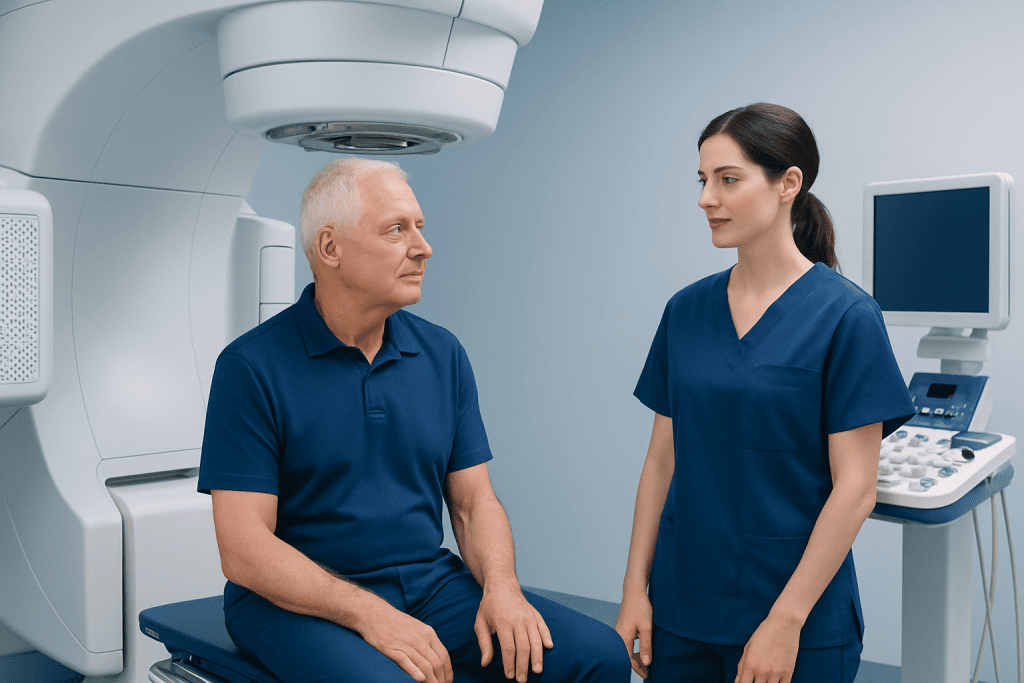
A clinical team may recommend hormone therapy before, during or after radiotherapy for certain localized prostate cancers, when prostate-specific antigen (PSA) rises after previous treatment, or as a main treatment for cancer that has spread beyond the prostate. It may also be used to reduce symptoms from advanced disease. Whether it is appropriate depends on cancer stage, PSA results, biopsy findings, imaging, previous treatment, overall health and personal priorities.
Before treatment, the team typically reviews current medicines and health history, including heart disease, diabetes, osteoporosis, fracture risk, depression and sexual health concerns. Baseline assessments may include PSA and testosterone blood tests, weight, blood pressure, blood sugar and cholesterol measurements. Some people may need a bone-density scan or input from a cardiologist, endocrinologist, dietitian or mental health professional.
Injections or small implants are usually administered under the skin or into a muscle at intervals determined by the specific medicine. Oral hormone-blocking treatments are taken at home as prescribed. Follow-up appointments generally include symptom review, examination when needed, PSA testing and checks for treatment-related health changes. The team can adjust supportive care without automatically stopping cancer treatment.
For a broader explanation of diagnosis and treatment planning, see prostate cancer.
Common side effects and their day-to-day impact

Hot flashes and sweating are among the most common effects. A person may suddenly feel warm in the face, chest or whole body, sometimes with perspiration, disturbed sleep or embarrassment in social settings. Wearing light layers, keeping the bedroom cool and identifying triggers such as alcohol, spicy food or hot drinks can help. When symptoms are disruptive, clinicians may discuss non-hormonal medicines or other options.
Sexual effects are also common. These can include lower sexual desire, fewer spontaneous erections, erectile dysfunction and changes in orgasm. Fertility can be affected. These changes can be difficult for individuals and partners, and they deserve open discussion rather than being treated as an unavoidable private concern. Sexual-health counseling, pelvic health support and treatment for erectile dysfunction may be considered when suitable.
Many people report fatigue, reduced physical stamina, sleep disruption or difficulty concentrating. Mood changes, irritability, anxiety or low mood can occur as well, particularly when symptoms affect identity, relationships or independence. Emotional symptoms do not mean that someone is coping poorly; discussing them early allows the care team to arrange practical and psychological support.
- Weight gain, especially around the abdomen
- Loss of muscle mass and reduced strength
- Breast tenderness or enlargement with some hormone-blocking medicines
- Reduced body hair or changes in skin texture
- Anemia, which can contribute to tiredness in some people
Longer-term risks and the benefits of monitoring
With ongoing testosterone suppression, bones may gradually lose mineral density. This increases the risk of osteoporosis and fractures, particularly in people with existing bone loss, older age, low body weight, smoking history or long-term steroid use. Weight-bearing and resistance exercise, adequate calcium and vitamin D from food or supplements when recommended, and bone-density testing can form part of a prevention plan. Some people at higher risk may need bone-protective medicines.
Hormone therapy can also change metabolism. It may increase body fat, reduce lean muscle, raise blood sugar or alter cholesterol levels. These changes can contribute to diabetes and cardiovascular risk over time, especially in people who already have high blood pressure, diabetes, high cholesterol or heart disease. Regular monitoring and coordination with primary care or cardiology are important parts of safe cancer treatment.
The benefits of ADT may be substantial. In the appropriate setting, it can make radiotherapy more effective, delay cancer progression, lower PSA levels and reduce pain or urinary symptoms caused by advanced disease. The goal is to balance these benefits against likely effects on quality of life. Intermittent treatment, in which therapy is paused under close monitoring for selected patients, may be an option in certain situations but is not suitable for everyone.
How to reduce side effects of hormone therapy for prostate cancer
Side-effect management works best when it begins before symptoms become severe. Regular aerobic activity and resistance training, tailored to fitness and medical needs, can help preserve muscle, support bone health, reduce fatigue and assist with weight control. A clinician or physiotherapist can advise on a safe plan, particularly for people with bone metastases, heart disease or balance problems.
A balanced eating pattern that emphasizes vegetables, fruit, whole grains, beans, lean protein and healthy fats can support metabolic health. Limiting highly processed foods, excess sugar and alcohol may help with weight, blood sugar and hot flashes. There is no proven special diet that replaces medical treatment, and supplements should be reviewed by the oncology team because some can interact with medicines or be unsuitable in certain conditions.
Sleep routines, light breathable clothing, cool-room strategies and relaxation techniques may lessen hot-flash disruption. Counseling, support groups and treatment for anxiety or depression can be valuable when mood or relationships are affected. For erectile concerns, a clinician may discuss erectile dysfunction treatment as part of a personalized sexual-health plan.
People should not stop or alter hormone therapy on their own because a sudden change may affect cancer control. New symptoms should be reported so the team can identify treatable causes, such as anemia, thyroid disease, depression, medication interactions or sleep problems, rather than assuming every symptom is due to ADT.
Recovery timeline after hormone therapy
Recovery after hormone therapy is not the same for everyone. Hot flashes, energy changes and sexual side effects may improve as testosterone levels recover after treatment is stopped, but this can take months and sometimes longer. Recovery is often slower after long courses of treatment, with increasing age, or after certain long-acting injections. Some effects, such as bone loss or metabolic changes, may need continuing attention even after hormone levels rise.
People receiving short-term ADT with radiotherapy may notice gradual improvement over the months following their final injection or implant. With long-term ADT, testosterone recovery may take a year or more and may be incomplete in some individuals. Surgical removal of the testicles produces permanent testosterone reduction, so associated hormonal effects do not reverse in the same way.
Follow-up care usually continues after ADT ends. Clinicians monitor PSA and, when useful, testosterone levels, alongside bone, heart and metabolic health. Recovery is not only measured by hormone levels: sleep, activity, mood, sexual well-being and confidence are meaningful outcomes that should be discussed during follow-up visits.
When to seek medical care
Contact the cancer care team promptly for side effects that interfere with eating, drinking, sleep, mobility or daily activities. They should also be told about persistent low mood, anxiety, severe fatigue, new pain, falls, weakness or symptoms that may suggest infection or anemia. Early assessment can often identify practical treatments and prevent symptoms from becoming more difficult to manage.
Urgent medical assessment is needed for chest pain, sudden shortness of breath, fainting, signs of stroke such as facial drooping or new speech difficulty, severe allergic symptoms, or thoughts of self-harm. These symptoms may not necessarily be caused by hormone therapy, but they require immediate evaluation.
Acibadem International’s multidisciplinary specialists and JCI-accredited hospitals diagnose and treat prostate cancer for international patients, coordinating urology, medical oncology, radiation oncology, cardiology and supportive care when needed.
Frequently asked questions
How awful is hormone therapy for prostate cancer?
Hormone therapy can be challenging for some people, but experiences differ greatly. Some have mild and manageable symptoms, while others have more noticeable hot flashes, fatigue, sexual changes or mood effects. A care team can often reduce the impact through monitoring, lifestyle support and treatments targeted to specific symptoms.
What is the average life expectancy for people with prostate cancer?
Life expectancy depends mainly on the cancer stage, grade, PSA level, response to treatment, age and overall health. Many prostate cancers are localized and can be treated successfully, while advanced prostate cancer can often be controlled for extended periods with modern therapies. The treating clinician is best placed to discuss an individual's outlook using their specific test results.
How to reduce side effects of hormone therapy for prostate cancer?
Regular exercise, strength training, nutritious eating, good sleep routines and early reporting of symptoms can make a meaningful difference. Monitoring bone density, blood pressure, blood sugar and cholesterol is also important during longer treatment courses. Medicines, counseling and specialist referrals may be used for troublesome hot flashes, sexual symptoms, depression, bone loss or metabolic changes.
How long does it take to recover from hormone therapy for prostate cancer?
Some symptoms start to improve within months after therapy ends, but testosterone recovery may take many months or longer. Recovery tends to be slower after longer treatment, in older adults and after long-acting injections. Bone, muscle and metabolic effects may improve gradually and may require continued lifestyle measures or medical treatment.
Does hormone therapy for prostate cancer cause permanent side effects?
Some side effects improve when treatment ends and testosterone levels recover, particularly hot flashes and changes in energy or sexual desire. However, recovery may be incomplete after prolonged therapy, and bone loss, weight gain or erectile difficulties can persist for some people. Individual follow-up is important to address lasting concerns.
Can exercise help during hormone therapy for prostate cancer?
Yes, appropriately planned physical activity can help reduce fatigue, preserve muscle and bone strength, support mood and limit weight gain. A combination of aerobic activity, resistance exercise and balance work is often useful. People with heart disease, osteoporosis, severe fatigue or cancer spread to bone should ask their clinical team for an individualized plan.
References
- National Cancer Institute
- American Cancer Society
- European Association of Urology
- National Comprehensive Cancer Network
- Prostate Cancer Foundation
This article is for general information only and is not a substitute for professional medical advice. Please consult a qualified doctor about your individual situation.
Hormone Therapy in Turkey — costs, top hospitals & a free quote
JCI-accredited · board-certified surgeons · reply within 24h
Add us as a Preferred Source to see more of our trusted health content across Google Search, AI Overviews and Discover.
Check your numbers in seconds
BMI, calories, due date, blood pressure and 30+ more clinical calculators — free, instant, doctor-reviewed ranges.

Medical Oncology Department
Medical treatment of cancer with chemotherapy, immunotherapy and targeted therapies under a multidisciplinary tumor board.
60 specialists in this unit