Sigmoidoscopy vs Colonoscopy: Which Test Looks at What?
A sigmoidoscopy examines the rectum and lower part of the colon, while a colonoscopy examines the entire colon and rectum. Colonoscopy is more comprehensive and is commonly used for colorectal cancer screening and polyp removal.
Key Takeaways
- A sigmoidoscopy examines the rectum and lower part of the colon, while a colonoscopy examines the entire colon and rectum.
- Colonoscopy is more comprehensive and is commonly used for colorectal cancer screening and polyp removal.
- Sigmoidoscopy may be used for focused symptoms affecting the lower bowel or when a shorter test is appropriate.
- Both tests can help diagnose causes of bleeding, bowel habit changes, inflammation, and abdominal symptoms.
- Preparation, sedation, recovery time, and follow-up needs can differ between the two procedures.
Sigmoidoscopy and colonoscopy are both tests used to examine the large intestine, but they do not look at the same areas. Understanding what each test shows, how they are used, and when one may be preferred can help patients feel more prepared for care decisions.
Overview: how these two tests differ
Sigmoidoscopy and colonoscopy are endoscopic tests that allow a doctor to look inside the large intestine using a thin, flexible tube with a light and camera. They are used to investigate symptoms, screen for disease, and sometimes treat problems during the same procedure. Although they are similar in technique, the main difference is how much of the bowel they examine.
A sigmoidoscopy usually looks at the rectum and the lower part of the colon, often called the sigmoid colon and sometimes the descending colon. A colonoscopy examines the rectum and the entire colon, from the lower left side all the way around to the beginning of the large intestine. Because of this wider view, colonoscopy can detect problems that are higher up in the bowel that a sigmoidoscopy would not reach.
Both tests may help identify inflammation, ulcers, bleeding sources, polyps, and signs of colorectal cancer. In many cases, doctors choose between them based on the person’s symptoms, age, medical history, screening needs, and whether treatment such as biopsy or polyp removal may be needed.
What each test looks at
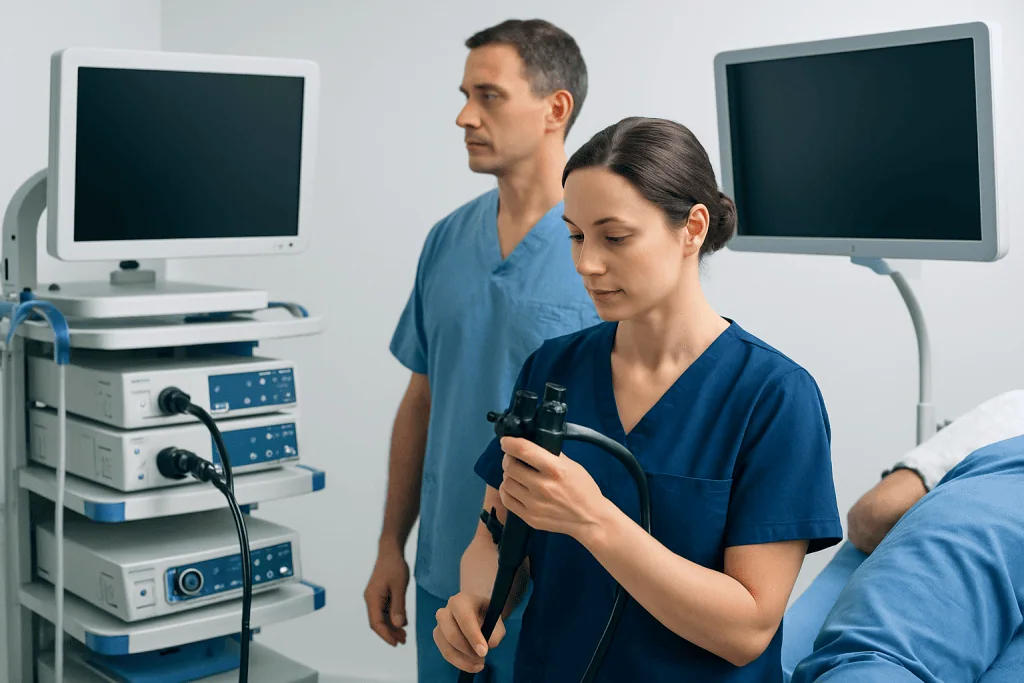
The large intestine includes the rectum, sigmoid colon, descending colon, transverse colon, ascending colon, and cecum. Sigmoidoscopy focuses on the lower section, especially the rectum and sigmoid colon. This can be enough when symptoms are believed to come from the lower bowel, such as rectal bleeding, suspected hemorrhoids, or inflammation close to the rectum.
Colonoscopy gives a complete view of the entire large intestine. That broader view is important because polyps, cancer, and inflammatory changes can occur anywhere in the colon. A normal sigmoidoscopy does not rule out disease in portions of the colon that were not examined.
Both procedures may allow the doctor to take tissue samples for biopsy. However, colonoscopy is generally more versatile because it can assess the whole colon and often allows removal of polyps in a single session. If a sigmoidoscopy finds a polyp or another concerning finding, a full colonoscopy may still be recommended afterward.
- Sigmoidoscopy: rectum and lower colon
- Colonoscopy: rectum and entire colon
- Shared uses: visual inspection, biopsy, and evaluation of symptoms
Why a doctor may recommend one instead of the other
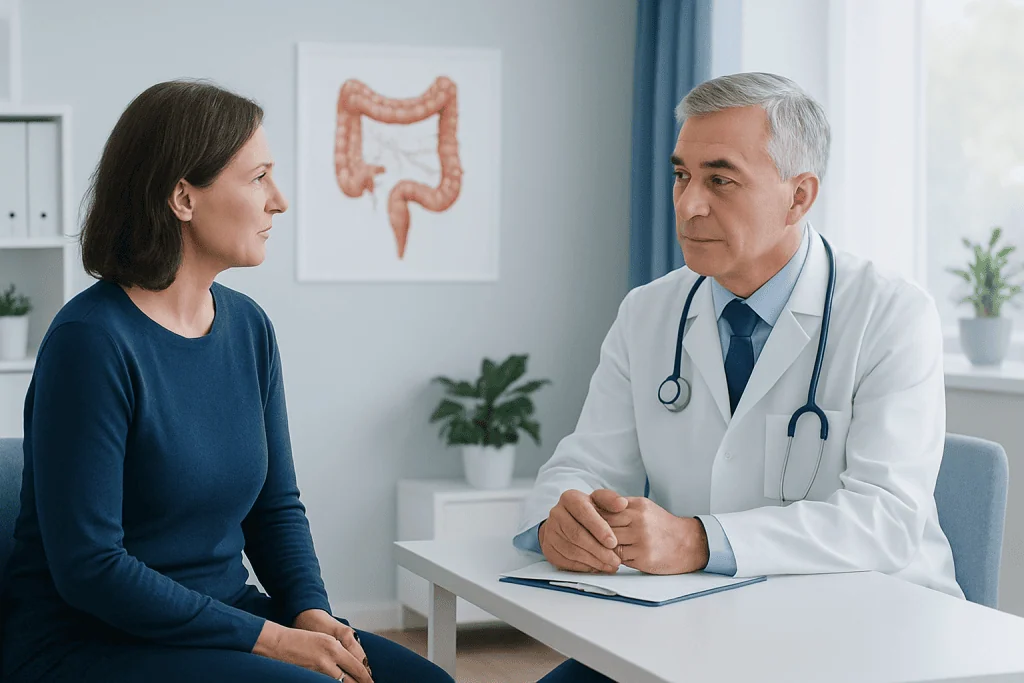
A doctor may recommend sigmoidoscopy when symptoms are limited to the lower bowel or when a quicker, more targeted examination is appropriate. It may be used for rectal bleeding, ongoing diarrhea, follow-up of known lower-colon inflammation, or evaluation of changes seen on another test. In some settings, it may also be used as part of colorectal cancer screening, though it is less comprehensive than colonoscopy.
Colonoscopy is often preferred when a full evaluation is needed. This includes routine colorectal cancer screening, unexplained iron deficiency anemia, positive stool-based screening tests, persistent abdominal symptoms, or a personal or family history that raises the chance of polyps or cancer. It is also commonly used when a doctor wants to inspect the entire colon for conditions such as colon cancer or inflammatory bowel disease.
Another practical reason to choose colonoscopy is that it can combine diagnosis and treatment. If a polyp is found, it can often be removed immediately. If a sigmoidoscopy is done first and an abnormality is found outside its reach or if more complete assessment is needed, a second procedure with colonoscopy may still be necessary.
How the procedures are done and what to expect
Both procedures are usually performed by a trained specialist using a flexible scope inserted gently through the rectum. During sigmoidoscopy, the scope is advanced only through the lower part of the colon. During colonoscopy, it is advanced through the entire colon. Air or carbon dioxide is introduced to open the bowel slightly so the lining can be seen clearly.
Preparation is important for both tests because stool can block the view. Sigmoidoscopy preparation is often simpler and may involve a special diet and enemas or a limited bowel cleansing routine. Colonoscopy usually requires a more complete bowel preparation, often with a clear-liquid diet and laxative solution so the whole colon is clean enough to inspect safely and accurately.
Sedation practices differ. Sigmoidoscopy is often done without sedation or with minimal sedation, so recovery may be quicker. Colonoscopy more commonly involves sedation, which helps comfort but means the patient usually needs someone to accompany them home. During either test, biopsies can be taken, and during colonoscopy, some patients may also have a colonoscopy with polyp removal or other minor interventions at the same time.
Symptoms and conditions these tests can help evaluate
Doctors use sigmoidoscopy and colonoscopy to investigate a wide range of digestive symptoms. These include rectal bleeding, blood in the stool, long-lasting diarrhea or constipation, unexplained changes in bowel habits, abdominal pain, weight loss, and ongoing anemia. The test selected depends on how urgent the symptoms are, how extensive an evaluation is needed, and whether there is concern for disease higher in the colon.
These tests can help detect or monitor several conditions. Examples include polyps, colorectal cancer, diverticular disease, ulcers, and inflammation from infections or chronic bowel conditions. Colonoscopy is especially valuable when doctors need to assess the whole colon for ulcerative colitis or other inflammatory disorders that may extend beyond the lower bowel.
Neither test examines the upper digestive tract, such as the esophagus, stomach, or small intestine in full. If symptoms suggest a problem in those areas, another test may be more suitable. A doctor may also combine endoscopy with stool tests, blood tests, or imaging to create a complete picture before recommending treatment.
Benefits, limits, and possible risks
The main benefit of sigmoidoscopy is that it is shorter, often easier to prepare for, and may not require sedation. This can make it a practical option in selected cases. Its main limitation is that it does not assess the entire colon, so abnormalities in the upper sections can be missed.
The major advantage of colonoscopy is completeness. It is considered the most comprehensive endoscopic test for the colon and is widely used for screening and prevention because polyps can often be removed before they become more serious. The trade-off is that bowel preparation is more extensive, sedation is more common, and the procedure may take longer and involve a longer recovery that day.
Both tests are generally safe when performed by experienced teams, but all medical procedures carry some risk. Possible complications include bleeding, especially after biopsy or polyp removal, discomfort, reaction to sedation, and very rarely a tear in the bowel wall called a perforation. A doctor explains the risks and benefits based on the individual’s health, medications, and the reason for the test.
After the test, results, and follow-up
After sigmoidoscopy, many people can return to normal activities fairly quickly, especially if no sedation was used. Mild bloating or cramping can happen for a short time because of the air used during the procedure. After colonoscopy, rest is usually advised for the remainder of the day if sedation was given, and driving should be avoided until the medical team says it is safe.
Doctors may discuss some findings immediately after the procedure, such as whether the bowel lining looked normal or whether polyps were seen and removed. If biopsies are taken, final results often take several days. Follow-up depends on what was found, the quality of bowel preparation, and the patient’s overall risk factors.
If the test shows polyps, inflammation, or another concern, further monitoring or treatment may be advised. This might include medication, lifestyle changes, repeat endoscopy, or consultation with a specialist. In centers such as Acibadem International, multidisciplinary specialists in JCI-accredited hospitals evaluate digestive symptoms and provide endoscopic diagnosis and treatment for international patients, including gastroenterology care and, when needed, advanced endoscopy services.
When to speak with a doctor
A person should speak with a doctor if they have rectal bleeding, persistent changes in bowel habits, ongoing abdominal pain, unexplained weight loss, fatigue related to anemia, or a positive stool screening test. Even symptoms that seem mild can sometimes need proper evaluation, especially if they continue or return repeatedly.
People with a family history of colorectal cancer or colon polyps should also ask when screening should begin and which test is most appropriate. Those with inflammatory bowel disease or a history of prior polyps may need more individualized surveillance plans than the general population.
In general, sigmoidoscopy and colonoscopy are not competing tests so much as different tools for different situations. The best choice depends on the area of the bowel that needs to be assessed, the reason for testing, and whether treatment might be needed during the procedure. A qualified doctor can explain which option fits the person’s needs and how to prepare safely.
Frequently asked questions
Is sigmoidoscopy the same as colonoscopy?
No. Both tests use a flexible camera to examine the large intestine, but sigmoidoscopy looks only at the rectum and lower colon, while colonoscopy examines the entire colon. Because colonoscopy covers more area, it can find problems that sigmoidoscopy may miss.
Which test is better for colon cancer screening?
Colonoscopy is generally more comprehensive for colorectal cancer screening because it evaluates the whole colon and can remove polyps during the same procedure. Sigmoidoscopy may still be used in some screening settings, but it does not inspect the full length of the colon. A doctor can recommend the most suitable screening approach based on age, risk factors, and local guidelines.
Does a sigmoidoscopy require bowel prep?
Yes, but the preparation is often simpler than for colonoscopy. Because only the lower colon is examined, cleansing may involve a shorter diet adjustment and enemas or a limited bowel prep routine. The exact instructions depend on the medical center and the reason for the test.
Are patients asleep during colonoscopy?
Many patients receive sedation for colonoscopy, which helps them feel relaxed and more comfortable. Some may be sleepy and remember little of the procedure, while others may have lighter sedation depending on the plan. Sigmoidoscopy is more often done without sedation or with minimal sedation.
Can polyps be removed during both tests?
Biopsies can be taken during both procedures, and some lower-colon polyps may be removed during sigmoidoscopy if appropriate. However, colonoscopy is more commonly used for polyp removal because it allows the doctor to examine and treat the entire colon in one session. If a sigmoidoscopy finds a concerning lesion, a full colonoscopy may still be needed.
How long does recovery take after these tests?
Recovery after sigmoidoscopy is often quick, especially if no sedation was used, and many people return to usual activities soon after. Recovery after colonoscopy may take longer that day because sedation can cause drowsiness. Mild bloating or cramping can happen after either test but usually improves quickly.
References
- World Health Organization
- National Institute of Diabetes and Digestive and Kidney Diseases
- American Cancer Society
- American Society for Gastrointestinal Endoscopy
- Centers for Disease Control and Prevention
This article is for general information only and is not a substitute for professional medical advice. Please consult a qualified doctor about your individual situation.
Persistent digestive symptoms? Get evaluated in Turkey
JCI-accredited · board-certified surgeons · reply within 24h
Add us as a Preferred Source to see more of our trusted health content across Google Search, AI Overviews and Discover.