Signs of Prostate Issues: Common Causes, Related Conditions, and When to See a Doctor

Common signs of prostate issues include urinary frequency, urgency, weak stream, hesitancy, and feeling that the bladder does not empty fully. Not all prostate symptoms mean cancer; benign prostate enlargement and prostatitis are common causes.
Key Takeaways
- Common signs of prostate issues include urinary frequency, urgency, weak stream, hesitancy, and feeling that the bladder does not empty fully.
- Not all prostate symptoms mean cancer; benign prostate enlargement and prostatitis are common causes.
- Blood in the urine, fever, severe pain, or inability to urinate need prompt medical attention.
- Doctors diagnose prostate problems using symptom review, physical examination, urine tests, blood tests, and imaging when needed.
- Treatment depends on the cause and may include monitoring, lifestyle changes, medicines, or procedures.
Signs of prostate issues most often involve changes in urination, such as a weak stream, urgency, frequent nighttime urination, or trouble emptying the bladder. These symptoms can be caused by several conditions, including benign prostate enlargement, inflammation, infection, or, less commonly, prostate cancer, so a medical evaluation helps clarify the cause.
Overview: what signs of prostate issues usually mean
The signs of prostate issues are often first noticed in the bathroom rather than as pain. A person may begin urinating more often, wake repeatedly at night, have trouble starting the flow, or feel that the bladder is still partly full after finishing. These symptoms are common, especially with age, and they do not point to just one diagnosis.
The prostate is a small gland below the bladder that surrounds part of the urethra, the tube that carries urine out of the body. When the prostate becomes enlarged, inflamed, or infected, it can affect urine flow and sometimes cause pelvic discomfort or sexual symptoms. In some cases, prostate cancer causes no symptoms at all in its early stages, which is why symptom awareness and routine medical advice both matter.
A helpful way to think about signs of prostate issues is to separate them into symptom patterns rather than assume one cause. Gradual urinary slowing often suggests benign enlargement, sudden burning or fever may suggest inflammation or infection, and blood in the urine or semen always deserves medical attention. A clinician can use this pattern-based approach to decide which tests are needed and whether the problem is urgent.
Common symptoms to watch for
Urinary symptoms are the most frequent signs of prostate issues. These may build slowly over months or appear more suddenly. Many people notice that the symptoms are more bothersome at night or after drinking caffeine or alcohol.
Common urinary signs include:
- Needing to urinate more often than usual
- Urgency, or a sudden strong need to urinate
- Frequent nighttime urination
- Difficulty starting urination
- A weak or interrupted urine stream
- Dribbling at the end of urination
- Feeling that the bladder does not empty fully
- Pain or burning while urinating
Some people also have symptoms outside the urinary tract. These can include pressure or discomfort in the lower abdomen, pelvis, groin, lower back, or the area between the scrotum and anus. Pain with ejaculation, changes in sexual function, or blood in the urine or semen can also occur, depending on the underlying cause.
Symptoms can vary in intensity. Mild urinary slowing may be more of an inconvenience than a danger, while sudden inability to pass urine is an urgent problem. The pattern, duration, and severity of symptoms help the doctor decide whether the likely cause is a condition such as benign prostatic hyperplasia, inflammation, stones, a bladder problem, or another urinary condition.
Common causes and related conditions

Several different conditions can cause signs of prostate issues. The most common is age-related benign enlargement of the prostate, also called benign prostatic hyperplasia, or BPH. This is not cancer. As the prostate grows, it may press on the urethra and make it harder for urine to pass freely, leading to hesitancy, weak stream, dribbling, and nighttime urination.
Another important cause is prostatitis, which means inflammation of the prostate. Prostatitis may be linked to a bacterial infection or may occur without a clearly identified infection. It can cause pelvic pain, discomfort while urinating, painful ejaculation, urinary urgency, and sometimes fever or chills if an infection is present.
Prostate cancer is a less common cause of urinary symptoms than many people fear, but it still needs consideration, especially in older adults or those with risk factors such as family history. Early prostate cancer may cause no symptoms. When symptoms do appear, they can overlap with BPH, which is why testing may be recommended rather than relying on symptoms alone.
Not every symptom that seems prostate-related actually starts in the prostate. Urinary tract infection, bladder stones, overactive bladder, nerve-related bladder problems, urethral narrowing, and some medications can create similar complaints. Because of this overlap, a careful evaluation is more useful than self-diagnosing based on one symptom.
Risk factors and symptom patterns that help doctors narrow the cause
Age is one of the strongest risk factors for prostate-related symptoms, especially for BPH. The chance of urinary changes rises as men get older. Family history can also matter, particularly for prostate cancer and, in some cases, enlarged prostate. A doctor may also ask about prior urinary infections, catheter use, pelvic procedures, sexual history, and chronic medical conditions.
Lifestyle and general health can influence symptom burden too. Caffeine and alcohol may worsen urgency and frequency. Some cold or allergy medicines can tighten muscles around the bladder outlet and temporarily increase difficulty urinating. Constipation may also worsen pressure in the pelvis and make urinary symptoms more noticeable.
Doctors often listen closely to the time course of symptoms. A slow, progressive change over months or years may fit benign enlargement. Sudden pain, burning, fever, or feeling unwell may suggest infection or acute inflammation. Weight loss, persistent bone pain, or visible blood in the urine are not typical of simple enlargement and call for further assessment.
This symptom-pattern approach helps avoid assumptions. Two people can both report frequent urination, yet one may have an enlarged prostate while the other has diabetes, a bladder disorder, or a urinary infection. The goal is not to label every symptom as a prostate disease, but to identify the most likely source and rule out serious causes.
How prostate problems are diagnosed
Diagnosis usually starts with a detailed conversation about symptoms, how long they have been present, what makes them better or worse, and whether there is pain, fever, blood, or sexual symptoms. The doctor may ask how often the person urinates during the day and night and whether there is leakage, urgency, or a weak stream. This symptom history often provides strong clues.
A physical examination may include an abdominal exam and a digital rectal exam to assess the size, shape, and tenderness of the prostate. This exam is brief but can help identify enlargement, irregularity, or marked tenderness. Depending on the situation, the doctor may also check for bladder distention or signs of pelvic floor tension.
Tests commonly include a urine test to look for infection, blood, or other abnormalities. Blood tests may include kidney function tests and, in some patients, a prostate-specific antigen test. PSA is not a diagnosis by itself; it is one piece of information that must be interpreted together with age, symptoms, examination, and other findings.
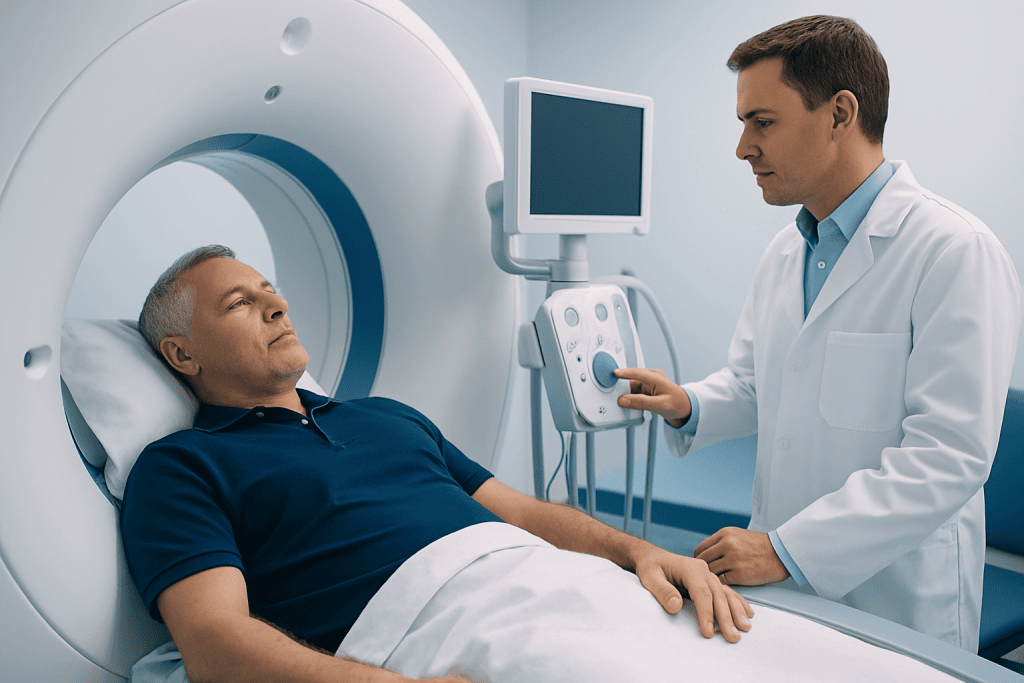
If symptoms are significant or the diagnosis is unclear, further evaluation may be suggested. This can include ultrasound, measurement of residual urine left in the bladder after urination, urine flow studies, cystoscopy, or MRI in selected cases. When cancer is a concern, the work-up may move toward prostate cancer treatment planning after appropriate specialist assessment.
Treatment options and symptom relief
Treatment depends on the cause, the severity of symptoms, and how much those symptoms affect daily life. Some people with mild symptoms only need monitoring and practical changes, while others benefit from medication or a procedure. The aim is to improve comfort, protect bladder and kidney function, and treat any underlying infection, inflammation, or cancer when present.
For benign enlargement, initial care may include limiting evening fluids, reducing caffeine and alcohol, double-voiding to help empty the bladder more fully, and reviewing medications that may worsen urination. Medicines may be prescribed to relax the muscles around the prostate and bladder outlet or to reduce prostate size over time. If symptoms remain bothersome or complications occur, options such as HoLEP or transurethral resection of the prostate may be considered by a urologist.
When prostatitis or infection is suspected, treatment may include antibiotics when bacterial infection is confirmed or strongly suspected, along with pain relief and supportive care. Some cases of chronic pelvic pain require a broader plan that may involve anti-inflammatory strategies, pelvic floor therapy, and close follow-up rather than one single medicine.
If evaluation suggests prostate cancer, treatment may range from active surveillance to surgery, radiation therapy, or other therapies depending on stage, overall health, and patient preferences. Near the end of the care pathway, patients seeking international evaluation may be assessed by Acibadem International, where multidisciplinary specialists in JCI-accredited hospitals diagnose and treat prostate conditions with individualized planning.
Prevention, self-care, and monitoring symptoms
Not all prostate conditions can be prevented, but practical steps may reduce symptom burden and support urinary health. Staying hydrated during the day while avoiding large volumes of fluid close to bedtime can help with nighttime urination. Cutting back on caffeine and alcohol may ease urgency and frequency in some people.
Regular physical activity, maintaining a healthy weight, and managing constipation can also help reduce pelvic pressure and improve bladder habits. It may be useful to keep a short symptom diary noting fluid intake, trips to the bathroom, urgency, pain, and nighttime awakenings. This gives the doctor a clearer picture than memory alone.
People should be cautious with self-treatment. Over-the-counter cold remedies and certain antihistamines can make urination harder for some individuals. Herbal products marketed for prostate health are not all supported by strong evidence, and they can interact with medications or delay proper diagnosis.
Routine checkups become more important with age or if there is a family history of prostate cancer. A doctor can advise whether screening or follow-up is appropriate based on personal risk. Monitoring is especially important when symptoms are changing, becoming more frequent, or affecting sleep, travel, work, or quality of life.
When to seek medical care
Medical care is advisable if urinary symptoms persist for more than a short period, become progressively bothersome, or interfere with sleep and daily activities. A planned appointment is appropriate for symptoms such as a weak stream, frequent nighttime urination, urgency, dribbling, or a feeling of incomplete emptying. These symptoms are often treatable, and early assessment can prevent complications.
Prompt medical attention is needed if there is fever, chills, severe pelvic or back pain, visible blood in the urine, or burning urination with feeling unwell. These features may suggest infection, significant inflammation, or another condition that should not be ignored. Sudden inability to urinate is an urgent problem and requires immediate evaluation.
People should also seek care if symptoms are accompanied by unexplained weight loss, ongoing bone pain, or repeated urinary infections. While these symptoms do not always mean a serious diagnosis, they warrant a fuller work-up. The most useful step is to consult a qualified doctor rather than guessing the cause from symptoms alone.
Frequently asked questions
Do signs of prostate issues always mean prostate cancer?
No. Many prostate-related symptoms are caused by benign enlargement or prostatitis rather than cancer. Because symptoms can overlap, a doctor may recommend tests to identify the cause instead of relying on symptoms alone.
What are the earliest signs of prostate issues?
Early signs often involve urination, such as going more often, waking at night to urinate, trouble starting, or a weaker stream. Some people also notice pelvic discomfort or a feeling that the bladder is not fully empty.
Can younger men have prostate problems?
Yes. Although benign enlargement becomes more common with age, younger men can develop prostatitis or other urinary conditions that mimic prostate symptoms. That is why age alone does not determine the diagnosis.
When is a prostate symptom an emergency?
Sudden inability to urinate is an emergency. Fever with urinary symptoms, severe pain, or visible blood in the urine also needs urgent medical assessment because infection or another serious problem may be present.
How do doctors check for prostate problems?
Doctors usually begin with a symptom review, physical examination, and urine testing. Depending on the situation, they may also use blood tests such as PSA, ultrasound, urine flow studies, or other imaging and specialist evaluation.
Can lifestyle changes help prostate symptoms?
Yes, especially when symptoms are mild. Reducing evening fluids, limiting caffeine and alcohol, staying active, and avoiding medicines that worsen urination can make symptoms easier to manage, though medical review is still important if symptoms persist.
References
- National Institute of Diabetes and Digestive and Kidney Diseases
- American Urological Association
- National Cancer Institute
- European Association of Urology
- Mayo Clinic
This article is for general information only and is not a substitute for professional medical advice. Please consult a qualified doctor about your individual situation.
Oncology care in Turkey — second opinion and treatment plan
JCI-accredited · board-certified surgeons · reply within 24h
Add us as a Preferred Source to see more of our trusted health content across Google Search, AI Overviews and Discover.