

Simple Fracture Treatment: How It Works, Results and What to Expect
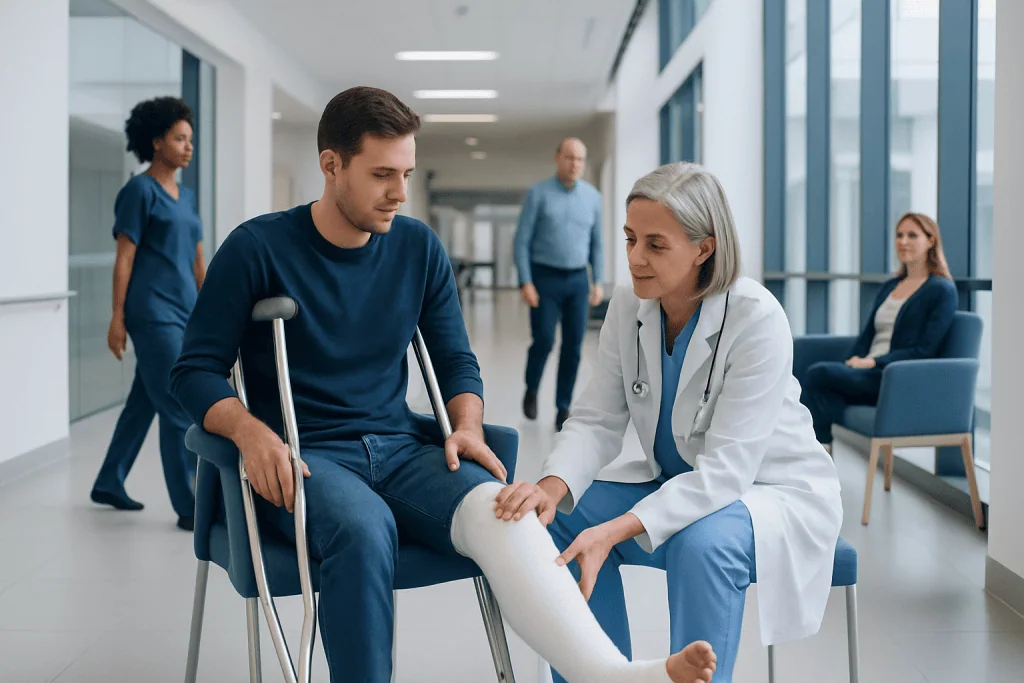
A simple fracture is generally a closed fracture, meaning the bone has not broken through the skin. Treatment may include splinting, casting, bracing, reduction, pain management and rehabilitation.
Key Takeaways
- A simple fracture is generally a closed fracture, meaning the bone has not broken through the skin.
- Treatment may include splinting, casting, bracing, reduction, pain management and rehabilitation.
- Healing time varies by bone, fracture pattern, age, health and how well the injury is protected.
- Follow-up examinations and X-rays help confirm that the bone remains aligned and is healing as expected.
- New or worsening pain, numbness, color changes or a tight cast require prompt medical assessment.
Simple fracture treatment aims to place the broken bone in a stable position and protect it while the body repairs it. Most uncomplicated fractures heal with a cast, splint, brace or boot, although some need a reduction procedure or surgery to restore alignment.
Overview: How simple fracture treatment works
Simple fracture treatment stabilizes a broken bone so its natural repair process can take place in the correct position. A simple fracture usually refers to a closed fracture: the bone is broken, but the skin over it remains intact. The injury can still range from a small crack to a complete break, so medical assessment is important even when swelling or pain seems manageable.
Care begins with checking the injured area, controlling pain and protecting nearby nerves, blood vessels and soft tissues. If the broken bone is well aligned, a clinician may use a splint, cast, brace or walking boot. If the pieces have shifted, the bone may need to be carefully moved back into position before immobilization.
The central aim is stable healing with the best possible return of movement, strength and everyday function. Fracture treatment may involve orthopedic assessment, imaging, immobilization, reduction procedures, rehabilitation and, when needed, fixation surgery.
Who may need treatment and how fractures are assessed
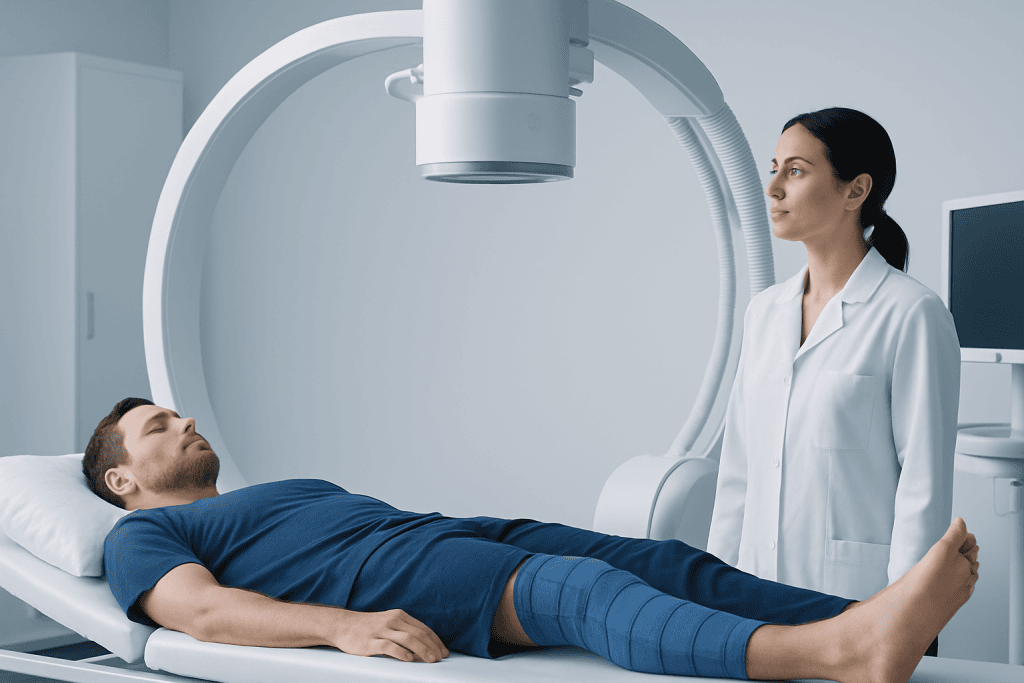
Anyone with localized pain, swelling, bruising, deformity, loss of movement or difficulty bearing weight after an injury should be assessed for a fracture. Falls, sports injuries, road traffic accidents and direct impacts are common causes. In older adults, lower bone density can allow a fracture to occur after a relatively minor fall.
A clinician asks how the injury happened and examines the skin, tenderness, movement, circulation and sensation below the injury. X-rays are commonly used to identify the location and pattern of the break and to assess alignment. CT or MRI may be helpful when a fracture is complex, involves a joint, is difficult to see on X-ray or is suspected alongside a soft-tissue injury.
Treatment planning takes account of the bone involved, whether the fragments are displaced, joint stability, the person’s activity needs and overall health. Conditions that affect bone strength or healing, including osteoporosis, diabetes, smoking and poor nutrition, may require closer follow-up. For related information about fragile bones, see osteoporosis.
Simple fracture treatment: step by step
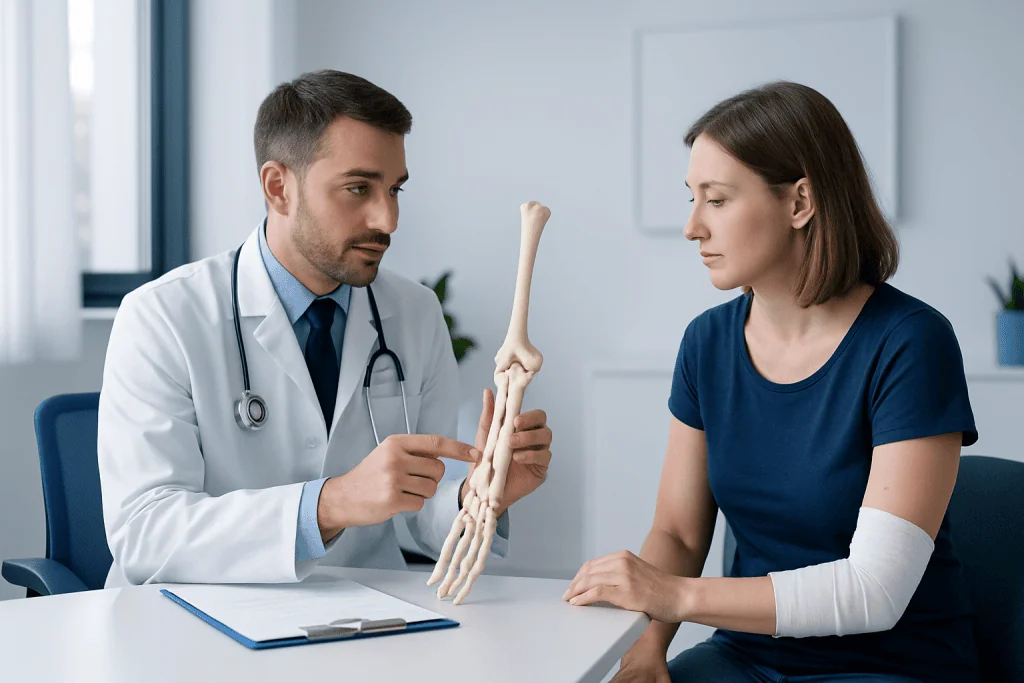
Initial treatment often follows a practical sequence. The injured limb is supported to limit movement, and pain relief is offered as appropriate. If there is swelling, a temporary splint may be preferred initially because it can accommodate changes in swelling more safely than a full cast.
When the bone fragments are out of position, a clinician may perform a closed reduction. This means gently realigning the bone without making a surgical incision, usually with pain relief, local anesthesia, sedation or anesthesia depending on the injury. X-rays may be repeated afterward to check the position.
Once alignment is satisfactory, the fracture is immobilized in a cast, splint, brace or boot for the recommended period. Certain unstable fractures, fractures involving a joint, or fractures that cannot be kept in position may require surgery with plates, screws, rods, pins or external fixation. Orthopedic surgery is considered when operative stabilization is the safest way to support healing and function.
Review appointments are part of treatment rather than an optional extra. The team may assess symptoms, skin condition, movement and repeat imaging to make sure the bone has not moved and is joining properly.
Recovery timeline, rehabilitation and expected results
During early recovery, rest, elevation when advised and protecting the injured area can help manage swelling and discomfort. Patients should follow instructions on using crutches, a sling or a walking aid, and should not put weight through the affected area unless their clinician says it is safe. Casts and splints should be kept dry and should not be altered at home.
As the bone becomes stable, movement exercises may be introduced for nearby joints to reduce stiffness. After immobilization ends, muscles can feel weak and joints may feel stiff because they have been used less. Physical therapy and rehabilitation can help restore mobility, balance, strength and confidence in returning to work, sport or daily activities.
Most simple fractures heal without major long-term problems when alignment is maintained and aftercare is followed. However, recovery is not identical for every person. Even after the bone has joined on an X-ray, strength, flexibility and endurance may continue improving for weeks or months.
Benefits, risks and factors that can delay healing
The main benefit of appropriate fracture treatment is that it allows the bone to heal in a stable position while reducing pain and protecting surrounding tissues. Good alignment is particularly important near joints, where an uneven surface can affect future movement. Timely rehabilitation can also reduce the risk of prolonged stiffness and loss of function.
Possible complications include the bone healing in a poor position (malunion), healing slowly (delayed union) or failing to unite fully (nonunion). Stiffness, muscle weakness, skin irritation under a cast, blood clots after some leg injuries and infection after surgery are other potential concerns. These complications are not inevitable, and follow-up care is designed to identify problems early.
Smoking and nicotine exposure can interfere with bone healing. Poorly controlled medical conditions, inadequate protein or vitamin intake, infection, severe soft-tissue injury and returning to impact activity too early can also affect recovery. A clinician can provide individualized advice on nutrition, medication use and safe activity progression.
How long does a simple fracture take to heal?
Many simple fractures show substantial healing within about 6 to 8 weeks, but this is a general guide rather than a deadline. Small bones and some uncomplicated upper-limb fractures may heal sooner, while lower-limb fractures, larger bones and injuries near joints often need longer protection and rehabilitation.
Children commonly heal faster than adults, while older age, smoking, osteoporosis, diabetes and more severe injury patterns may lengthen recovery. The treating clinician uses symptoms, examination findings and imaging to decide when the bone is sufficiently healed for activities such as weight-bearing, driving, manual work or sport.
It is important not to judge healing by pain alone. Pain can improve before the fracture is strong enough for normal loading, and some stiffness or weakness may remain after the cast or brace is removed.
What are the 5 stages of fracture healing?
Fracture healing is often described in five overlapping stages rather than as separate events with exact dates. First, bleeding at the break forms a hematoma, or blood clot. This is followed by inflammation, during which immune cells clear damaged tissue and signal the start of repair.
Next, the body develops a soft callus made of fibrous tissue and cartilage around the fracture. This gradually becomes a hard callus as new bone forms and bridges the break. Finally, remodeling reshapes and strengthens the new bone in response to normal, carefully guided use.
The process is biologically active for months after the initial union. Stable immobilization, adequate blood supply and appropriate activity help these stages progress, while excessive movement at the fracture site can interfere with healing.
What is the hardest fracture to fix, and will the bone be the same?
There is no single fracture that is always the hardest to fix. Complex open fractures, fractures with severe soft-tissue damage, breaks involving major joints, fractures with poor blood supply and fractures that do not heal normally can be especially challenging. Examples may include some pelvic, spinal, ankle, tibial and joint-surface injuries, but difficulty depends on the exact pattern and the individual’s health.
After an uncomplicated fracture heals well, the bone can regain excellent strength and function. The healing area may initially be thicker because of callus formation, and remodeling can continue over time. Some people have no meaningful long-term limitation, while others may have residual stiffness, altered shape, pain or a higher risk of joint wear if the fracture involved a joint or healed out of alignment.
Orthopedic teams may coordinate care with radiology, anesthesia, rehabilitation and other specialties when an injury needs more complex management. Acibadem International’s multidisciplinary specialists and JCI-accredited hospitals provide diagnosis and treatment for international patients with fractures and orthopedic injuries.
When to seek medical care
Urgent medical assessment is needed after an injury with obvious deformity, severe pain, inability to use the limb, rapidly increasing swelling, numbness, weakness, pale or blue fingers or toes, or a bone visible through the skin. A suspected fracture should be immobilized as comfortably as possible; the injured area should not be forced back into place.
People wearing a cast or splint should seek prompt advice if pain becomes severe or worsening, the cast feels excessively tight, there is burning or pressure, fingers or toes become cold or discolored, sensation changes, or there is an unusual smell, drainage or fever. These symptoms may signal pressure, circulation or skin problems that need timely review.
Follow-up should also be arranged if pain and function are not gradually improving, or if a new injury occurs during recovery. Early reassessment can help identify delayed healing or loss of alignment before it creates a more difficult problem.
Frequently asked questions
Can a simple fracture heal without a cast?
Some stable fractures can be treated with a removable brace, boot or splint rather than a traditional cast. The correct option depends on the bone, fracture pattern, alignment and the person’s ability to protect the injury. A clinician should confirm that the fracture is stable before using a less rigid support.
Is a simple fracture the same as a closed fracture?
In common use, a simple fracture usually means a closed fracture, where the skin has not been broken. However, clinicians also describe fractures by their location, direction, displacement and stability. A closed fracture can still be serious and may require reduction or surgery.
Can I walk on a simple fracture?
Walking may be safe for some fractures only when a clinician has specifically allowed weight-bearing. Walking too early on an unstable leg, foot or ankle fracture can move the bone fragments and delay healing. Use prescribed crutches, a boot or other support as instructed.
What should I avoid while a fracture is healing?
Avoid activities that place stress, impact or twisting force on the injured area until a clinician clears them. Do not smoke or use nicotine products, and do not insert objects into a cast to scratch the skin. It is also important to attend follow-up appointments and follow weight-bearing instructions.
Why does a healed fracture sometimes ache?
Mild aching, stiffness and muscle weakness can occur during recovery, especially when activity increases after immobilization. Symptoms should generally improve with time and rehabilitation. Persistent, worsening or new pain should be discussed with a clinician to assess alignment, healing and surrounding joints or soft tissues.
When can I return to sports after a fracture?
Return to sport depends on the location and severity of the fracture, the sport’s demands, bone healing on assessment and recovery of strength and movement. A person should return gradually after clearance from their treating clinician or rehabilitation professional. Returning before the bone is ready increases the risk of reinjury.
References
- American Academy of Orthopaedic Surgeons
- National Institute of Arthritis and Musculoskeletal and Skin Diseases
- OrthoInfo
- National Health Service
- Mayo Clinic
This article is for general information only and is not a substitute for professional medical advice. Please consult a qualified doctor about your individual situation.
Joint and spine care in Turkey — expert assessment & treatment
JCI-accredited · board-certified surgeons · reply within 24h
Add us as a Preferred Source to see more of our trusted health content across Google Search, AI Overviews and Discover.

More from the Health Library



Related Specialists

Dr. Bülent Özmen
Orthopedic Surgery & Traumatology
Prof. Dr. Ertuğrul Zencirci
Cardiology
Prof. Dr. M. Sinan Ersin
General Surgery
Fzt. Melisa İpar
Physical Medicine & Rehabilitation