Skin after Radiation Treatment: How It Works, Results and What to Expect

Radiation-related skin reactions are local, meaning they usually occur only where radiation beams enter or exit the body. Skin changes often build up gradually and may peak in the week or two after radiation treatment ends.
Key Takeaways
- Radiation-related skin reactions are local, meaning they usually occur only where radiation beams enter or exit the body.
- Skin changes often build up gradually and may peak in the week or two after radiation treatment ends.
- Gentle washing, moisturizing products approved by the care team, loose clothing and sun protection can support comfort and healing.
- Open skin, blisters, drainage, fever, rapidly worsening pain or spreading redness should be reported promptly to the treatment team.
- Skin response does not reliably show whether radiation is working; follow-up examinations and imaging assess treatment response.
Skin after radiation treatment commonly changes only in the area being treated. Redness, dryness, itching, peeling and color changes can develop gradually during treatment or shortly afterward, and most improve with gentle care and support from the radiation oncology team.
Overview: Skin After Radiation Treatment
Skin after radiation treatment may look and feel different because radiation affects rapidly dividing cells in the outer layers of the skin as well as cancer cells in the planned treatment area. The reaction is usually limited to the treated field and may include redness, warmth, dryness, itching, tenderness, darkening of the skin or peeling. These effects are often temporary, although some longer-term changes are possible.
Radiation therapy is carefully planned to deliver a prescribed dose to a target area while limiting exposure to nearby healthy tissues. Even with modern planning techniques, the skin can receive some radiation when the treatment target is close to the body surface, such as in breast, head and neck, skin, pelvic or chest treatment. The radiation oncology team should explain the likely skin effects before treatment begins and provide individualized skin-care instructions.
Many people notice changes after the first few weeks of treatment rather than immediately. Skin reactions may continue to develop for a short time after the final session, then gradually settle. The pace of recovery varies with the treatment site, total dose, individual skin sensitivity, other medical conditions and treatments such as chemotherapy.
How Radiation Affects the Skin
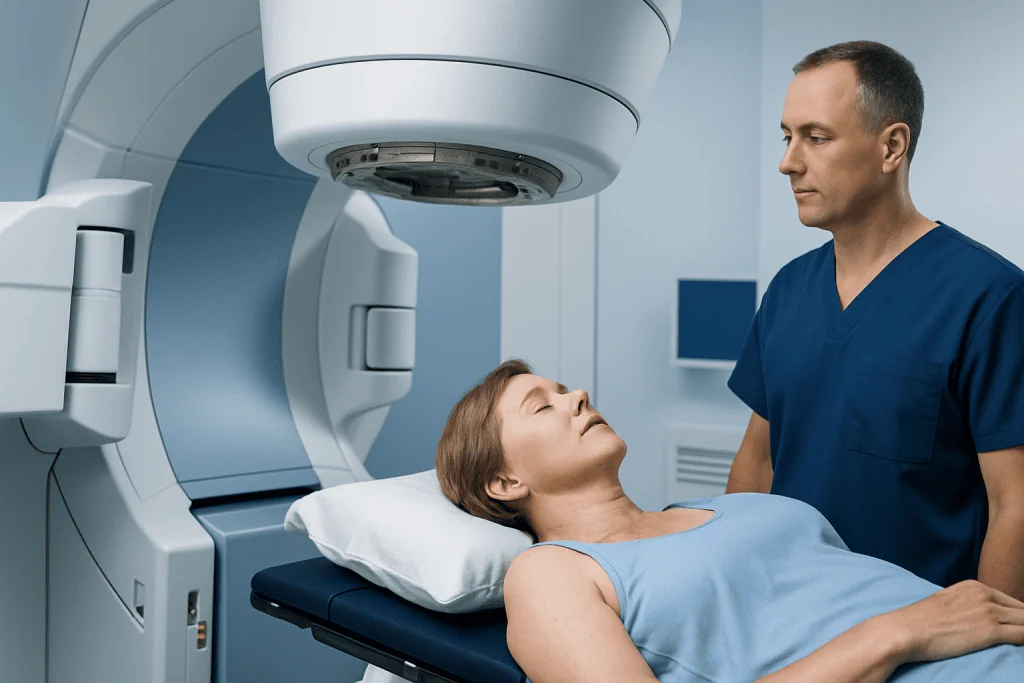
Radiation works by damaging the genetic material inside cells. Cancer cells are generally less able than healthy cells to repair this damage, which is why radiation can control or destroy tumors. However, healthy skin cells in the treatment path may also be temporarily affected. When the skin renews itself more slowly, inflammation and irritation can occur.
The most common reaction is called radiation dermatitis. It ranges from mild dryness or pinkness to more marked redness, soreness and moist peeling in skin folds or areas exposed to friction. Modern radiation techniques aim to reduce unnecessary exposure, but they cannot always prevent skin reactions when treating disease close to the surface.
Several factors can influence the likelihood and severity of a reaction. These include the body area treated, dose and treatment schedule, skin folds, smoking, diabetes, poor nutrition, previous radiation in the same area and medicines that affect the skin or immune system. The treatment team considers these factors during planning and reviews the skin regularly throughout care.
Radiation treatment is only one part of cancer care for many patients. Depending on the diagnosis, care may also involve surgery, systemic treatments and supportive services. A coordinated radiotherapy treatment plan helps the team balance tumor control with protection of healthy tissue.
What Does Skin Look Like After Radiation Therapy?
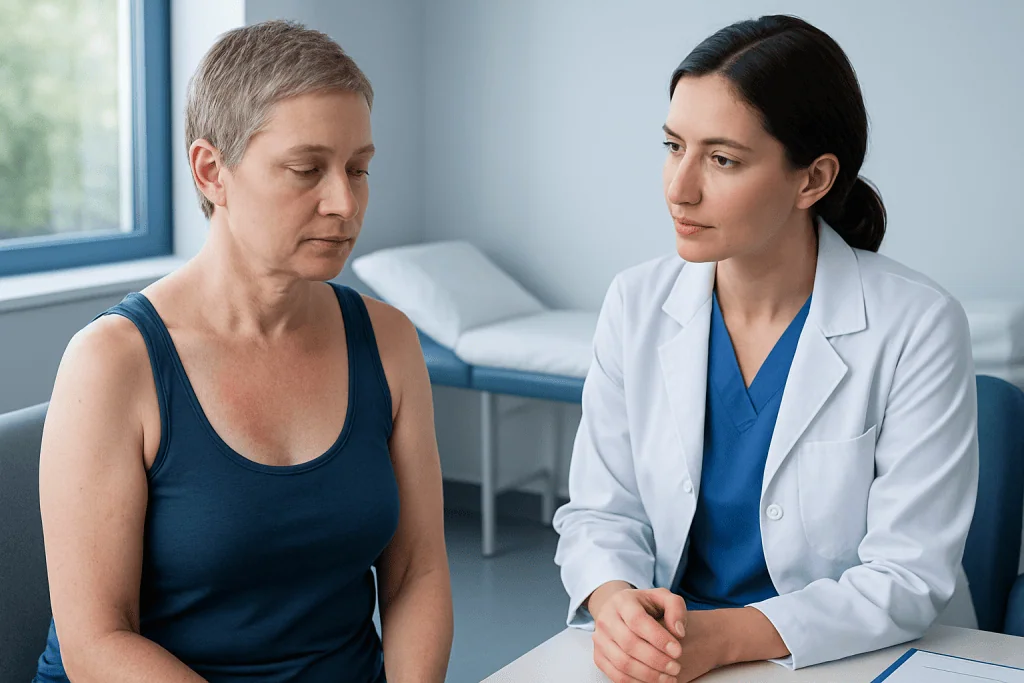
What skin looks like after radiation therapy depends on skin tone, the location treated and the intensity of the reaction. On lighter skin, early changes can resemble sunburn, with pink or red coloring and mild swelling. On darker skin, the area may become darker, purplish, grayish or appear less even in color; redness can be harder to see, so warmth, tenderness and texture changes are also important signs.
As treatment continues, the skin may become dry, flaky, itchy or more sensitive. Some people develop peeling, particularly in areas where skin rubs together, such as under the breast, in the groin, armpit or neck. If the surface layer breaks down, the area can look moist, weepy or raw. This needs assessment by the radiation team because dressings and targeted skin care may be helpful.
After healing, the treated skin may remain slightly darker or lighter than surrounding skin, feel firmer, have fewer hairs or sweat less. Small visible blood vessels or a change in texture may occur months to years later in some people. These late effects are not inevitable, and the care team can discuss the particular risks for the planned treatment site.
Photographs taken at intervals can help a clinician judge whether the skin is changing as expected. They should not replace direct medical advice, especially if there is worsening pain, drainage, a new wound or signs of infection.
Who Is More Likely to Develop Skin Reactions?
Any person receiving external-beam radiation near the skin surface can develop a skin reaction. It is especially common when treating the breast or chest wall, head and neck, pelvis, anus, vulva, skin, or areas with natural folds. Treatment to deeper organs may cause little or no visible skin change, depending on the technique and beam arrangement.
People who have sensitive skin, a history of inflammatory skin conditions, diabetes, reduced circulation or impaired wound healing may need closer monitoring. Smoking can reduce blood flow and delay healing. Friction, heat, perspiration, tight clothing and adhesive products can also make irritated skin more uncomfortable.
Some cancer medicines can increase skin sensitivity or affect healing. It is important to tell the radiation oncologist about all prescription medicines, over-the-counter products, supplements and topical creams. The team may advise changes before or during treatment, but patients should not stop prescribed medicines without discussing this with the clinician who prescribed them.
A pre-treatment consultation is an opportunity to discuss individual risks, expected timing and practical preparation. The radiation team may mark the skin or use positioning aids to ensure treatment is delivered accurately; these markings should be protected according to the team’s instructions.
The Treatment Process and Recovery Timeline
Before radiation begins, patients usually have a planning appointment called simulation. Imaging is used to map the treatment area, and the team determines the position, dose and number of sessions. During each treatment session, the person lies in the planned position while the radiation machine delivers treatment. The radiation itself is painless, and a session generally lasts only a short time, although setup may take longer.
Skin reactions typically do not appear after the first session. Mild changes may begin after approximately one to two weeks of daily treatment and can increase toward the end of a course. For some people, symptoms are most noticeable in the one to two weeks after treatment finishes because the skin is still responding to earlier radiation exposure.
Most acute reactions begin improving over the following few weeks. Dryness, sensitivity or altered pigmentation can take longer to settle, and a small number of people have lasting changes in color, texture or firmness. Follow-up appointments allow the team to assess recovery and address any persistent symptoms.
Recovery is also influenced by the reason radiation was given and whether other treatment is continuing. People should follow the specific instructions supplied by their oncology team, as recommendations may differ for different treatment sites and degrees of skin reaction.
What Is the Best Cream to Use on My Skin After Radiation Treatment?
There is no single best cream for every person after radiation treatment. The most appropriate choice depends on whether the skin is intact, dry, itchy, peeling or open, and it should be approved by the radiation oncology team. For intact skin, many teams recommend a simple, fragrance-free moisturizer or emollient applied gently and regularly to reduce dryness and support the skin barrier.
A person should avoid putting any cream, lotion, powder, deodorant or topical product on the treatment area immediately before a session unless the radiation team has specifically said it is acceptable. Products containing fragrance, alcohol, strong acids, retinoids or exfoliating ingredients may sting or worsen irritation. New products should be introduced cautiously, since even familiar items can irritate sensitive skin.
If there is significant itching, pain or moist peeling, a clinician may recommend a different product, medicated cream, protective dressing or wound-care approach. Creams intended for unbroken skin should not be used on an open or weeping area without professional advice. Avoid self-treating with antibiotic ointments, herbal preparations or numbing products unless they have been reviewed by the care team.
It can be useful to bring all skin products to an appointment or provide photographs of their labels. This lets the team confirm whether they are appropriate for the treatment area and stage of healing.
What Helps Skin Heal After Radiation?
Gentle, consistent care helps the skin recover after radiation. Wash the area with lukewarm water and a mild, fragrance-free cleanser if the team agrees, then pat rather than rub it dry. Apply an approved moisturizer with clean hands, and wear loose, soft clothing that reduces friction. Some people find that avoiding shaving in the treatment field until the skin settles improves comfort.
Protecting the area from sun exposure is important during treatment and after healing. The treated skin may be more sensitive to ultraviolet light and can darken or burn more easily. Covering the area with clothing is often the simplest method; a clinician can advise when sunscreen is suitable for fully healed skin. Hot packs, ice packs, adhesive tapes, perfumes and very hot baths may irritate the area and are best avoided unless approved by the team.
Good overall recovery also benefits from adequate fluids, balanced nutrition, sleep and avoiding tobacco. Protein and energy needs can be higher during cancer treatment, especially if there is weight loss or poor appetite. A dietitian or oncology clinician can offer individualized advice where needed.
- Use only skin products recommended or approved by the radiation team.
- Keep the area clean, dry and protected from rubbing.
- Do not scratch, scrub or pick peeling skin.
- Attend scheduled reviews so the team can adjust care early if symptoms worsen.
Acibadem International’s multidisciplinary specialists and JCI-accredited hospitals support international patients receiving cancer care, including management of treatment-related skin concerns.
What Are the Signs That Radiation Is Working?
Skin redness, peeling or soreness is not a reliable sign that radiation is working against cancer. A skin reaction shows that normal skin in the treatment area has been affected, but it does not measure how well the tumor is responding. Some effective radiation treatments cause little visible skin change, particularly when the target is deeper inside the body.
Response is assessed through the methods appropriate for the condition being treated. These may include symptom changes, physical examination, blood tests, endoscopy or imaging performed at a planned interval. In some situations, treatment effects take weeks or months to become fully visible, so scans are not always done immediately after radiation ends.
The oncology team will explain what follow-up is planned and when results can be interpreted accurately. Patients should share new or persistent symptoms, but should avoid assuming that a change in the skin means either success or failure of treatment.
If concern about the cancer response is causing distress, discussing it with the radiation oncologist can provide clear, individualized information. Supportive care, nursing teams and cancer counselors may also help patients manage uncertainty during recovery.
When to Seek Medical Care
Patients should contact their radiation oncology team promptly if the treated skin becomes very painful, develops blisters, breaks down extensively, produces pus or foul-smelling drainage, or has rapidly spreading redness or swelling. Fever, chills or feeling generally unwell alongside a skin wound may indicate infection and needs timely medical assessment.
Urgent advice is also appropriate for new bleeding, severe swelling, difficulty swallowing or breathing after head and neck treatment, or symptoms that make it difficult to drink fluids, sleep or carry out daily activities. The care team can recommend same-day assessment, dressings, pain support or referral to wound-care and dermatology specialists when required.
For milder dryness, itching or discoloration, patients should still mention symptoms at regular treatment visits rather than waiting until treatment is complete. Early advice can prevent discomfort from escalating and can help keep the planned radiation schedule on track whenever possible.
After treatment, ongoing follow-up remains important. Any new lump, ulcer, persistent wound or changing skin lesion in or near a previously treated area should be evaluated by a qualified clinician, even if radiation ended months or years earlier.
Frequently asked questions
How long does skin take to heal after radiation treatment?
Many skin reactions start improving within a few weeks after radiation ends, although they may peak briefly during the first one to two weeks afterward. Changes in color, dryness or sensitivity can last longer, and some people have longer-term texture or pigment changes. The timeline depends on the treatment area, dose, other treatments and individual healing factors.
Can I shower after radiation therapy?
Most people can shower during and after radiation therapy, but they should use lukewarm water and avoid scrubbing the treated area. A mild, fragrance-free cleanser may be suitable if approved by the radiation team. Pat the area dry gently and follow the team’s advice about moisturizers and other products.
Should I put aloe vera on radiation-damaged skin?
Aloe vera is not automatically suitable for every radiation skin reaction, particularly if the skin is broken, moist or very inflamed. Products vary and may contain fragrance, alcohol or other ingredients that irritate sensitive skin. It is safest to ask the radiation oncology team before applying aloe vera or any new topical product.
Can radiation cause permanent skin darkening?
Radiation can cause the treated skin to become darker or lighter than the surrounding area, especially after inflammation settles. For many people, pigment changes fade gradually, but they can persist in some cases. The likelihood of long-term changes depends on skin tone, treatment location and radiation dose.
Why is my skin worse after radiation treatment has finished?
Radiation effects can continue for a short period after the final session because skin cells are still responding to earlier exposure. It is common for irritation to peak about one to two weeks after treatment ends before healing begins. However, worsening pain, open skin, drainage, fever or spreading redness should be reported promptly.
Can I use sunscreen on skin after radiation treatment?
Sun protection is important because treated skin can be more sensitive to ultraviolet light. Covering the area with clothing is often preferred while the skin is irritated or healing. Once the skin is fully healed, the radiation team can advise whether and when to use a broad-spectrum sunscreen suitable for sensitive skin.
References
- National Cancer Institute
- American Cancer Society
- Cancer Research UK
- European Society for Medical Oncology
- Radiotherapy UK
This article is for general information only and is not a substitute for professional medical advice. Please consult a qualified doctor about your individual situation.
Oncology care in Turkey — second opinion and treatment plan
JCI-accredited · board-certified surgeons · reply within 24h
Add us as a Preferred Source to see more of our trusted health content across Google Search, AI Overviews and Discover.