Skin Cancer Natural Treatment: How It Works, Results and What to Expect
No herbal product, supplement, essential oil, or home remedy is proven to cure skin cancer. A suspicious spot should be examined and, when needed, biopsied before treatment decisions are made.
Key Takeaways
- No herbal product, supplement, essential oil, or home remedy is proven to cure skin cancer.
- A suspicious spot should be examined and, when needed, biopsied before treatment decisions are made.
- Surgery, cryotherapy, topical medicines, radiation therapy, and systemic therapies may be appropriate depending on the cancer type and stage.
- Early skin cancers are often highly treatable, but delaying care can allow some cancers to grow deeper or spread.
- Sun protection and regular skin checks help reduce future skin cancer risk.
Skin cancer natural treatment is often searched as an alternative to medical procedures, but no natural remedy has been proven to cure skin cancer safely. Prompt assessment and evidence-based treatment offer the best chance of removing cancer while supportive lifestyle measures can complement, not replace, professional care.
Overview: Can Natural Treatment Cure Skin Cancer?
Skin cancer natural treatment refers to products or approaches such as herbal remedies, supplements, oils, diet changes, or topical home preparations. Although some may support general wellbeing or help a person feel more involved in their care, they have not been shown to reliably eliminate skin cancer. They should not be used instead of diagnosis and treatment by a qualified dermatologist or oncology team.
Skin cancer develops when damaged skin cells begin to grow abnormally. The most common forms are basal cell carcinoma, squamous cell carcinoma, and melanoma. Each behaves differently, so the safest approach is to identify the exact type through clinical examination and, often, a biopsy. Treatment is then selected according to the cancer’s type, size, depth, location, and whether it has spread.
Many early skin cancers can be treated successfully. However, trying unproven remedies while a changing mole, sore, or growth remains untreated can delay effective care. Natural measures are best viewed as supportive strategies alongside medical treatment, such as avoiding ultraviolet exposure, eating a balanced diet, and following a clinician’s aftercare advice.
How Evidence-Based Skin Cancer Treatment Works
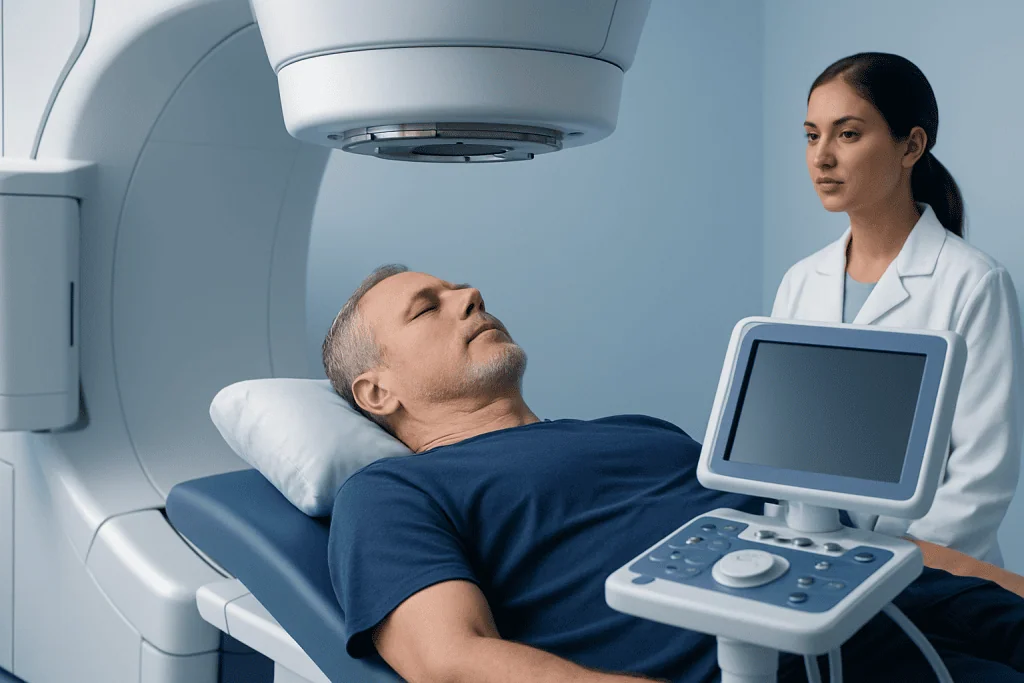
Medical treatment works by physically removing cancer cells, destroying them locally, or targeting cancer cells with medicines. For many basal cell and squamous cell cancers, the main goal is complete removal while preserving as much healthy tissue and function as possible. A dermatologist may recommend excision, Mohs micrographic surgery, curettage and electrodessication, cryotherapy, topical treatment, or radiation therapy.
Mohs surgery is often considered for cancers in areas where tissue preservation matters, such as the face, ears, hands, or genitals, and for tumors with a higher risk of recurrence. It removes thin layers of tissue and examines them during the procedure until no cancer is found at the margins. Patients can learn more about Mohs surgery for selected skin cancers when discussing suitable treatment approaches with their specialist.
Melanoma is usually treated first with surgical removal. Depending on its thickness and other pathology features, additional procedures, imaging, lymph node assessment, or medicines such as immunotherapy or targeted therapy may be considered. The treatment plan should always be individualized after accurate diagnosis and staging.
Who May Be a Candidate and What Happens During Care?
Anyone with a suspicious lesion may be a candidate for skin cancer assessment. Warning signs include a spot that is new, enlarging, bleeding, crusting, painful, itchy, or not healing. A mole with asymmetry, irregular borders, varied colors, increasing diameter, or ongoing evolution should also be checked. Not every changing spot is cancer, but examination is the only safe way to know.
The first step is usually a medical history and a full skin examination, often using dermoscopy, a magnified lighted device. If a lesion appears concerning, the doctor may remove all or part of it in a biopsy. A laboratory specialist examines the tissue to confirm whether cancer is present and to identify the type and relevant features.
Once the diagnosis is confirmed, the team explains the recommended procedure and alternatives. Minor procedures are commonly performed with local anesthetic. Depending on the method, the lesion may be excised, frozen, scraped and treated with controlled heat, or treated with a prescription cream over a planned period. More advanced disease may require coordinated care involving dermatology, surgical oncology, medical oncology, radiation oncology, and pathology.
Acibadem International’s multidisciplinary specialists and JCI-accredited hospitals diagnose and treat skin cancers for international patients, with treatment planning guided by tumor type and individual needs.
Step-by-Step Treatment and Recovery Expectations
For a simple surgical excision, the skin is cleaned and numbed, the visible tumor plus a small margin of nearby tissue is removed, and the wound is closed or repaired as needed. The specimen is sent to pathology to confirm the diagnosis and check the edges of the removed tissue. The procedure itself is often completed on an outpatient basis, though the time required varies with the site and complexity.
After treatment, mild tenderness, swelling, bruising, or minor bleeding can occur. Wound care instructions typically include keeping the area clean, protecting it from friction and sun exposure, and attending follow-up appointments. Stitches, if used, are removed according to the body location and the clinician’s advice. Scars usually mature gradually over months.
Topical prescription treatments can cause redness, scaling, burning, crusting, or soreness because they create a controlled inflammatory reaction in abnormal cells. These effects need medical monitoring, since the medicine, duration, and treatment area must be selected carefully. Cryotherapy may lead to a blister or scab before healing occurs.
Recovery time depends on the treatment type, lesion size, location, and a person’s health. A small wound may heal in a few weeks, while more extensive surgery or reconstruction can take longer. A doctor should be contacted for increasing pain, spreading redness, pus, fever, persistent bleeding, wound separation, or other unexpected changes.
Benefits, Risks, and the Limits of Natural Remedies
The main benefit of evidence-based treatment is that it is selected to remove or control a confirmed cancer. It also provides pathology information that helps guide follow-up. For early nonmelanoma skin cancers, local treatment is often enough. Melanoma and high-risk squamous cell carcinoma may need closer surveillance because their behavior can be more serious.
All treatments have possible risks. Surgical care can leave a scar and may involve bleeding, infection, changes in sensation, or need for reconstruction. Radiation may cause skin irritation and longer-term skin changes. Systemic treatments can have broader side effects and require careful monitoring. The care team weighs these considerations against the risks of leaving cancer untreated.
Natural products can also cause harm. Caustic ointments marketed as “black salve,” for example, can destroy healthy skin, cause deep injury and scarring, and may leave cancer cells behind. Essential oils, acids, and unregulated creams may trigger burns or allergic reactions. Supplements can interact with medicines or affect bleeding risk around procedures.
Nutrition, stress management, smoking cessation, sleep, and physical activity may support overall health during cancer care, but they do not replace tumor-directed treatment. It is important for patients to tell their clinician about every supplement, topical product, and complementary therapy they are using or considering.
What Kills Skin Cancer Cells?
Skin cancer cells can be killed or removed by treatments that have been tested in clinical care. These include surgical excision and Mohs surgery, which remove cancerous tissue; cryotherapy, which freezes selected superficial lesions; and certain prescription topical medicines or light-based treatments for appropriate precancerous changes and superficial cancers. Radiation therapy can damage cancer-cell DNA when surgery is not suitable or when additional local control is needed.
For advanced melanoma or certain advanced squamous cell and basal cell cancers, systemic medicines may help the immune system recognize cancer cells or block pathways that help tumors grow. These include immunotherapy and targeted therapies in selected cases. They are prescribed and monitored by oncology specialists because suitability and side effects vary widely.
No food, vitamin, herbal preparation, or topical home remedy has been proven to consistently kill skin cancer cells safely. A lesion should not be treated at home before diagnosis, because the visible surface does not reveal how deep it extends or whether it has features that require more specialized care.
What Is the 2 Week Rule for Skin Cancer?
The “2 week rule” is a practical reminder rather than a diagnostic test. In general, a skin lesion that has not healed within about two weeks, particularly when it bleeds, crusts, grows, or repeatedly returns, should be assessed by a healthcare professional. This can be especially important for a persistent sore on sun-exposed skin.
Some benign cuts and inflammatory skin conditions can take longer than two weeks to resolve, so the rule does not mean every slow-healing mark is cancer. Conversely, some skin cancers do not hurt or ulcerate at all. A new or changing mole, a pearly bump, a scaly patch, or a nonhealing sore deserves timely evaluation even if it seems small.
People at increased risk, including those with previous skin cancer, substantial ultraviolet exposure, fair skin that burns easily, immune suppression, or a strong family history, may benefit from regular professional skin examinations. A clinician can recommend an appropriate follow-up schedule.
How Long Does It Take for Skin Cancer to Develop, and How Long Can Someone Live With It?
Skin cancer usually develops over years after cumulative ultraviolet damage, but the timeline varies considerably. Basal cell carcinoma often grows slowly and rarely spreads, although it can damage nearby tissue if ignored. Squamous cell carcinoma can grow more quickly and has a greater potential to spread than basal cell carcinoma, especially when it is large, deep, recurrent, or occurs in someone with a weakened immune system.
Melanoma may develop from an existing mole or appear as a new dark or unusual lesion. Some melanomas grow slowly, while others can change over weeks or months. This unpredictability is why a changing lesion should not be observed indefinitely without medical advice.
How long a person lives with skin cancer depends on the type, stage, location, tumor features, overall health, and response to treatment. Many skin cancers found early are highly treatable, while advanced cancers require more complex care and may be life-threatening. A treating doctor can provide the most meaningful outlook after pathology and staging results are available.
There is no safe period to wait after noticing a suspicious spot. Early consultation allows clinicians to distinguish harmless changes from cancer and provide treatment before a lesion has more opportunity to grow.
Prevention, Self-Care, and When to Seek Medical Care
Sun protection is an important part of prevention for people of all skin tones. Practical measures include seeking shade when ultraviolet levels are high, wearing protective clothing and a broad-brimmed hat, using broad-spectrum sunscreen as directed, and avoiding tanning beds. Sunscreen is useful but should be combined with clothing and shade rather than used to extend time in intense sunlight.
People can check their skin regularly in good light, including the scalp, soles, between the toes, nails, and back with help if needed. Photographing a lesion can help document change, but images should not replace examination. After a diagnosis of skin cancer, follow-up visits and sun-protection habits are important because further skin cancers can occur.
When to seek medical care: A person should arrange a prompt medical review for a mole or mark that changes in size, shape, color, or sensation; a sore that does not heal; a lesion that bleeds without clear injury; or a new rapidly growing bump. Urgent advice is appropriate for significant bleeding, signs of infection after a procedure, or a rapidly worsening wound. People should avoid applying corrosive products or attempting to remove suspicious lesions themselves.
For concerns about a possible melanoma or other suspicious lesion, professional assessment is more reliable than self-treatment. Related information about melanoma may help patients understand why early evaluation and appropriate staging matter.
Frequently asked questions
Can skin cancer be treated naturally at home?
No natural home treatment has been proven to cure skin cancer safely. Herbal products, oils, supplements, and corrosive salves can delay diagnosis, injure healthy skin, and leave cancer untreated. A suspicious lesion should be assessed by a dermatologist or other qualified clinician.
Can diet cure skin cancer?
A nutritious diet supports general health, recovery, and wellbeing, but it does not cure skin cancer. There is no specific food plan that can replace surgery, medication, radiation, or other treatment recommended for a confirmed cancer. Patients should discuss supplements or major dietary changes with their care team.
What does early skin cancer look like?
Early skin cancer may look like a new or changing mole, a scaly red patch, a shiny or pearly bump, a dark streak under a nail, or a sore that does not heal. Appearance differs by cancer type and skin tone. Any persistent, changing, bleeding, or unusual spot should be examined.
Is skin cancer always removed with surgery?
No. Surgery is common and highly effective for many skin cancers, but some superficial lesions may be treated with prescription topical therapy, cryotherapy, photodynamic therapy, or radiation in selected situations. Advanced cancers may also require systemic medicines. The best option depends on the diagnosis and tumor characteristics.
How quickly should a suspicious mole be checked?
A changing or unusual mole should be assessed promptly, especially if it is growing, bleeding, painful, itchy, or has irregular shape or multiple colors. A sore that does not heal in about two weeks also deserves medical review. Early assessment does not mean cancer is present; it helps provide clarity and timely care if needed.
Can skin cancer return after treatment?
A treated skin cancer can sometimes recur, and people who have had one skin cancer have a higher chance of developing another. Follow-up examinations, regular self-checks, and consistent sun protection help identify new or recurrent lesions early. The clinician will recommend a follow-up schedule based on the cancer type and individual risk.
References
- American Academy of Dermatology
- National Cancer Institute
- American Cancer Society
- World Health Organization
- National Comprehensive Cancer Network
This article is for general information only and is not a substitute for professional medical advice. Please consult a qualified doctor about your individual situation.
Skin Cancer in Turkey — costs, top hospitals & a free quote
JCI-accredited · board-certified surgeons · reply within 24h
Add us as a Preferred Source to see more of our trusted health content across Google Search, AI Overviews and Discover.

More from the Health Library

Related Specialists
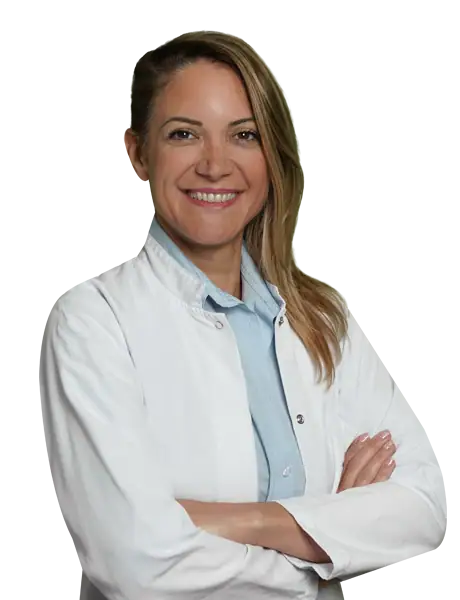
Assoc. Prof. Dr. Elif Ganime Aygün
Gynecology & Obstetrics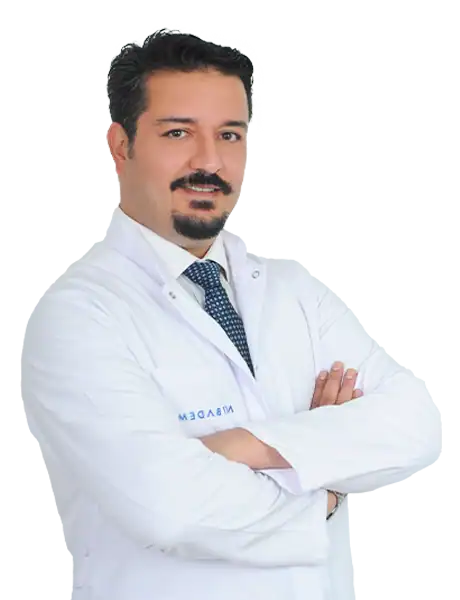
Dr. Doğan Öncü
Pediatrics
Prof. Dr. Uğur Öziç
Orthopedic Surgery & Traumatology
Dr. Bülent Bolat
Cardiovascular Surgery