Skin Rejuvenation Treatments: Symptoms, Causes, and Treatment Options
Skin rejuvenation treatments can address wrinkles, uneven tone, acne scars, sun damage, enlarged pores, and skin laxity. There is no single best treatment; care is usually personalized after a skin examination and discussion of goals.
Key Takeaways
- Skin rejuvenation treatments can address wrinkles, uneven tone, acne scars, sun damage, enlarged pores, and skin laxity.
- There is no single best treatment; care is usually personalized after a skin examination and discussion of goals.
- Options range from daily skincare and minimally invasive procedures to energy-based therapies and surgery.
- A qualified dermatologist or plastic surgeon can help match treatment choice to skin type, recovery time, and safety considerations.
- Sun protection and consistent skincare are essential to maintain results and help prevent future skin damage.
Skin rejuvenation treatments are medical and cosmetic approaches used to improve skin texture, tone, pigmentation, fine lines, and overall appearance. The best option depends on the skin concern, skin type, medical history, and whether the goal is prevention, repair, or longer-term maintenance.
Overview: What skin rejuvenation treatments are
Skin rejuvenation treatments are used to improve the appearance and health of the skin by targeting concerns such as fine lines, wrinkles, uneven pigmentation, rough texture, acne scarring, enlarged pores, and loss of firmness. These treatments may be preventive, restorative, or corrective, depending on a person’s age, skin condition, and goals. They may involve skincare products, office-based procedures, or surgical techniques in selected cases.
The term covers a wide range of approaches rather than one single procedure. Some treatments work by removing damaged outer layers of skin, while others stimulate collagen production, tighten tissue, reduce pigment changes, or improve hydration. Many people benefit from a combined plan that includes lifestyle changes, medical-grade skincare, and a carefully selected procedure.
Skin aging and damage are influenced by both internal and external factors. Natural aging gradually reduces collagen, elastin, and cell turnover. At the same time, sun exposure, smoking, air pollution, stress, and previous inflammation can lead to premature skin changes. Because these factors vary from person to person, treatment plans should be individualized rather than based only on age.
Common concerns and signs that lead people to seek treatment
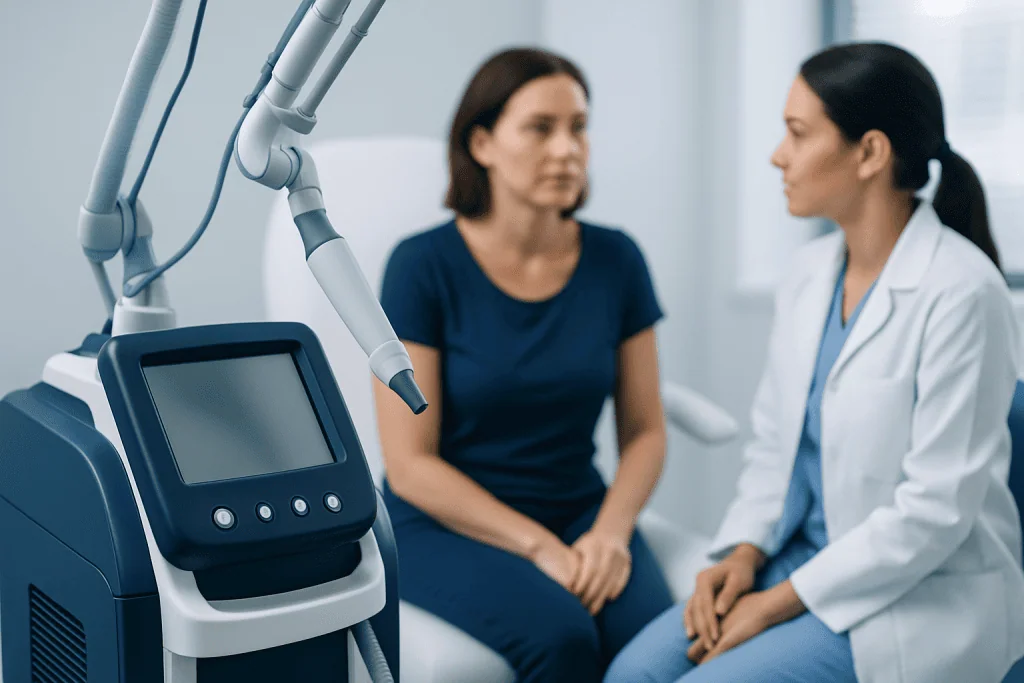
People usually explore skin rejuvenation treatments when they notice visible changes that affect skin quality or confidence. Common concerns include fine lines around the eyes and mouth, uneven skin tone, sun spots, redness, dullness, acne scars, rough texture, and mild to moderate skin laxity. Some seek care after skin changes become more noticeable, while others begin earlier to support healthy aging.
These changes are not a disease in most cases, but they can overlap with medical skin conditions that also need evaluation. For example, persistent redness may reflect sensitive skin or rosacea, while dark patches may be related to melasma. A clinician can help distinguish cosmetic concerns from conditions that need targeted treatment, such as acne or eczema.
Symptoms and visible features that often prompt consultation include:
- Fine lines and deeper wrinkles
- Loss of skin firmness or elasticity
- Uneven pigmentation, age spots, or sun damage
- Acne marks or depressed scars
- Dry, dull, or rough skin texture
- Visible pores or uneven surface smoothness
- Facial redness or blotchy skin tone
Causes and risk factors behind skin aging and damage
Skin changes develop through a combination of intrinsic aging and environmental exposure. Intrinsic aging is the natural process that comes with time. It leads to slower cell turnover, reduced collagen and elastin, thinner skin, and gradual loss of facial volume. These changes can make the skin look less smooth, less firm, and less reflective.
Extrinsic aging is strongly influenced by outside factors. Ultraviolet radiation from the sun is one of the most important causes of premature aging, often leading to wrinkles, pigmentation, broken capillaries, and a coarse texture. Smoking can impair blood flow and collagen health, while pollution and repeated inflammation may contribute to oxidative stress and uneven skin quality.
Other factors can also affect how the skin ages and responds to treatment. These include skin type, genetic background, hormone changes, nutrition, hydration, sleep, chronic stress, and a history of acne or inflammatory skin disease. Some people are also more prone to post-inflammatory pigmentation or sensitivity after procedures, which makes professional assessment especially important before treatment begins.
How doctors assess the skin and choose the right option
Choosing among skin rejuvenation treatments starts with a detailed consultation. The clinician usually asks about the main concern, how long it has been present, previous procedures, skincare products, sun exposure, medical conditions, allergies, medication use, and any history of abnormal scarring or pigment changes. Expectations, available recovery time, and preferred treatment intensity are also important.
The skin examination looks at texture, pigmentation, hydration, elasticity, pore size, scar type, and the depth and pattern of wrinkles. Skin tone matters because certain procedures carry different risks for darker or more reactive skin, particularly pigment changes. The doctor may also assess whether the issue comes mainly from the skin surface, deeper structural changes, or both.
In many cases, treatment planning involves deciding whether the goal is resurfacing, tightening, pigment correction, scar improvement, or overall refreshment. A patient may be advised to begin with medical skincare, then consider procedures such as laser skin resurfacing, chemical peeling, microneedling, or other targeted approaches. For more advanced facial aging with sagging and tissue descent, a surgical option such as facelift surgery may sometimes be discussed.
Treatment options for skin rejuvenation
There are many effective skin rejuvenation treatments, and they differ in strength, recovery time, and the specific problem they address. Topical skincare may help with mild texture change, pigmentation, dryness, or early fine lines. Depending on the person, a doctor may recommend products that support exfoliation, hydration, barrier repair, antioxidant protection, or collagen stimulation. These are often part of treatment even when a procedure is planned.
Office-based non-surgical procedures are commonly used for visible but moderate concerns. These may include chemical peels, microneedling, radiofrequency-based treatments, light and laser therapies, and injectable treatments when volume loss or dynamic lines are contributing factors. For selected patients, botulinum toxin injections can soften expression-related wrinkles, while resurfacing procedures can improve texture and pigment changes.
More intensive treatments are usually considered when concerns are deeper or more widespread. Fractional lasers can improve photodamage, wrinkles, and scars by promoting controlled skin renewal. In some people, surgical facial rejuvenation provides a better correction of laxity than skin-only procedures. For example, if significant sagging around the neck and lower face is present, a clinician may explain the role of neck lift surgery as part of an overall rejuvenation plan.
No treatment is ideal for everyone. The best results usually come from matching the method to the skin concern, skin type, healing profile, and expectations. Many people need more than one session, and maintenance is often recommended because the skin continues to age naturally over time.
Recovery, results, and possible side effects
Recovery depends on the treatment used. Light procedures may cause temporary redness, dryness, or mild swelling that settles within days. More intensive resurfacing methods can involve a longer healing period, peeling, crusting, or social downtime while the skin recovers. Following aftercare instructions closely helps support healing and reduces the risk of irritation or complications.
Expected results also vary. Some treatments improve hydration, radiance, or smoothness quite quickly, while collagen-stimulating procedures may take weeks to months to show their full effect. It is helpful for patients to understand that rejuvenation usually means improvement rather than perfection. Ongoing skin aging, sun exposure, and lifestyle habits still influence long-term outcomes.
Potential side effects include redness, swelling, sensitivity, temporary breakouts, infection, delayed healing, scarring, or pigment changes. These risks are usually lower when treatment is performed by appropriately trained professionals who assess skin type and medical history carefully. People with active skin infections, uncontrolled medical conditions, certain medications, or a tendency to <a href="https://acibademinternational.com/diseases/keloid-scars/”>keloid scars may need modified plans or may need to postpone treatment.
Prevention and self-care to maintain healthier skin
Skin rejuvenation is not only about procedures. Daily habits play a major role in both prevention and maintenance. The most important step is broad-spectrum sun protection, because ultraviolet exposure is a leading cause of premature aging and pigment changes. Regular use of sunscreen, protective clothing, and shade-seeking can help preserve treatment results and reduce further damage.
A consistent skincare routine can also support healthier skin over time. Gentle cleansing, regular moisturizing, and products chosen for individual skin type are often more helpful than using many harsh products at once. People with sensitive or acne-prone skin should avoid over-exfoliation and should introduce active ingredients gradually, especially after professional treatments.
General health measures contribute as well. Not smoking, eating a balanced diet, managing stress, sleeping well, and staying hydrated may all support skin function. If a person has recurring inflammation, breakouts, or worsening pigmentation, medical review is worthwhile because addressing the underlying issue can improve both comfort and appearance.
Near the end of treatment planning, some patients also want coordinated care that combines dermatology, plastic surgery, and follow-up support. Acibadem International’s multidisciplinary specialists and JCI-accredited hospitals diagnose and treat skin concerns for international patients when advanced evaluation or procedure-based care is needed.
When to seek medical care
Medical advice is important before starting skin rejuvenation treatments if there is a history of severe sensitivity, unusual scarring, recurrent cold sores, pigment problems, recent isotretinoin use, or chronic skin disease. Professional assessment is also wise when a person is unsure whether a skin change is cosmetic or could reflect a medical condition that needs treatment first.
A doctor should be consulted promptly if there is a changing mole, a non-healing sore, sudden rash, significant pain, signs of infection, or rapidly worsening discoloration. These issues should not be treated as routine cosmetic concerns without proper evaluation. Likewise, if a previous cosmetic treatment caused persistent redness, blistering, scarring, or prolonged darkening or lightening of the skin, follow-up care is recommended.
People considering a procedure should seek a qualified dermatologist or plastic surgeon who can explain benefits, limitations, alternatives, and recovery clearly. A careful consultation helps ensure that treatment is appropriate, safe, and aligned with realistic expectations.
Frequently asked questions
What are skin rejuvenation treatments used for?
Skin rejuvenation treatments are used to improve concerns such as fine lines, uneven tone, sun damage, acne scars, dullness, enlarged pores, and mild skin laxity. The goal may be to refresh the skin’s appearance, correct specific changes, or support healthier aging over time.
Which skin rejuvenation treatment is best?
There is no single best option for everyone. The most suitable treatment depends on the skin concern, skin type, age, medical history, expected recovery time, and whether the goal is prevention, resurfacing, tightening, or scar improvement.
Are skin rejuvenation treatments safe?
Many skin rejuvenation treatments are safe when they are properly selected and performed by qualified professionals. Safety depends on careful skin assessment, correct technique, aftercare, and consideration of factors such as skin tone, active skin disease, medications, and scarring risk.
How long do results from skin rejuvenation treatments last?
Results vary by treatment type and by the skin concern being treated. Some improvements may be visible for months or longer, but maintenance is often needed because skin continues to age naturally and remains affected by sun exposure and lifestyle factors.
Do skin rejuvenation treatments hurt?
Comfort levels vary depending on the procedure. Some treatments cause only mild warmth, stinging, or temporary sensitivity, while others may involve more noticeable discomfort and a longer recovery period. Clinicians often use measures to improve comfort during treatment.
Can darker skin tones have skin rejuvenation treatments?
Yes, but treatment choice should be especially careful because some procedures carry a higher risk of pigment changes in darker skin tones. An experienced clinician can select safer options and adjust settings or preparation to reduce the chance of complications.
References
- American Academy of Dermatology
- American Society of Plastic Surgeons
- National Institute on Aging
- British Association of Dermatologists
This article is for general information only and is not a substitute for professional medical advice. Please consult a qualified doctor about your individual situation.
Explore treatments in Turkey — costs, top hospitals & a free quote
JCI-accredited · board-certified surgeons · reply within 24h
Add us as a Preferred Source to see more of our trusted health content across Google Search, AI Overviews and Discover.

More from the Health Library


Related Specialists
Dr. Zülal Ünlüer
Radiology
Dr. Ioseb Gabunia
Inpatient Clinic Physicians Clinical Service
Prof. Dr. Sevgi Bilgen
Anesthesiology
Assoc. Prof. Dr. Halenur Bozdağ
Gynecology & Obstetrics