Skincare Treatments for Sensitive Skin: How Doctors Choose Safer Options

Sensitive skin does not mean no treatment is possible; it means treatment should be chosen carefully. Doctors usually start with the skin barrier, trigger avoidance, and simple routines before stronger procedures.
Key Takeaways
- Sensitive skin does not mean no treatment is possible; it means treatment should be chosen carefully.
- Doctors usually start with the skin barrier, trigger avoidance, and simple routines before stronger procedures.
- Patch testing, gradual introduction, and lower-strength formulas can improve safety.
- Common triggers include fragrance, harsh exfoliants, over-cleansing, heat, and too many active ingredients at once.
- A dermatologist can help separate sensitive skin from conditions such as eczema, rosacea, or allergic contact dermatitis.
Sensitive skin treatments are selected to improve concerns such as redness, dryness, acne, or uneven tone while reducing the chance of irritation. Doctors usually choose safer options by assessing the skin barrier, likely triggers, medical history, and how strongly the skin reacts to products or procedures.
Overview: What Doctors Mean by Sensitive Skin
Sensitive skin is not one single disease. It is a pattern of skin that reacts more easily to products, weather, friction, or procedures. People may notice stinging, burning, itching, tightness, flushing, or redness after using skincare products that others tolerate well. Some also develop dryness, scaling, or breakouts when the skin barrier becomes disrupted.
When doctors evaluate sensitive skin, they look beyond a person’s symptoms and ask why the skin is reacting. In some cases, the issue is a weakened skin barrier. In others, there may be an underlying condition such as eczema, rosacea, acne, seborrheic dermatitis, or allergic contact dermatitis. This distinction matters because the safest treatment depends on the true cause of the skin’s sensitivity.
For this reason, sensitive skin treatments are usually personalized rather than based on trends. A doctor may recommend avoiding a popular active ingredient if the barrier is inflamed, or delaying a cosmetic procedure until redness is better controlled. The goal is not only to improve appearance, but also to protect comfort and long-term skin health.
Common Symptoms and Triggers
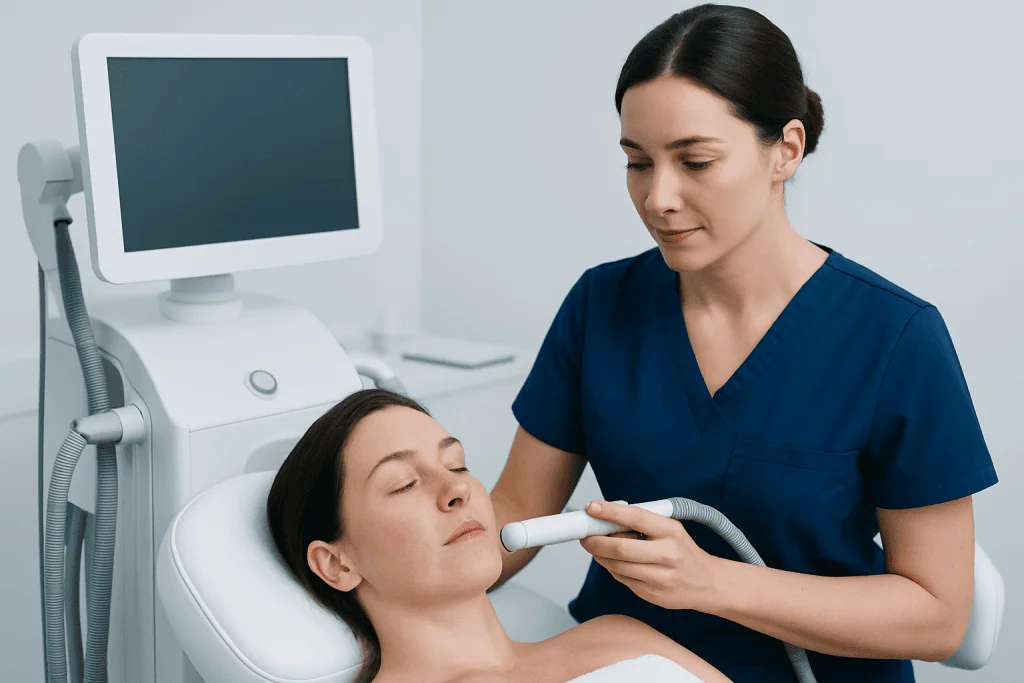
Sensitive skin can look different from person to person. Some people mainly feel discomfort, such as burning or stinging, while others have visible signs such as redness, dry patches, small bumps, or flaky skin. Reactions may happen immediately after product use or appear gradually over days.
Doctors often ask about common triggers because these can guide safer treatment choices. Heat, cold, sun exposure, wind, stress, heavy fragranced products, strong acids, scrubs, alcohol-based toners, and frequent washing can all increase reactivity. Using too many active ingredients at once is another common reason the skin becomes irritated.
Typical triggers include:
- Fragrance and essential oils
- Harsh cleansers or over-cleansing
- Physical scrubs and aggressive exfoliation
- Retinoids or acids introduced too quickly
- Sun exposure without protection
- Friction from masks, shaving, or rubbing
- Very hot water, saunas, or extreme weather
If symptoms are persistent or severe, doctors may consider whether the person has an underlying disorder such as rosacea or eczema rather than general sensitivity alone.
How Doctors Assess Sensitive Skin Before Treatment

Safe treatment starts with a careful assessment. A doctor usually asks when symptoms began, which products or procedures caused reactions, whether there is a history of allergies or skin conditions, and what the current routine includes. Even products labeled “natural” or “for sensitive skin” can trigger irritation in some people.
The skin is then examined for redness, dryness, scaling, visible blood vessels, acne-like bumps, or signs of allergy. This helps the doctor understand whether the problem is mainly barrier damage, inflammation, clogged pores, or another diagnosis. In some cases, the doctor may advise stopping all active ingredients for a short time to see how the skin behaves with a very simple routine.
If allergic contact dermatitis is suspected, patch testing may be recommended to identify ingredients that should be avoided. This is different from a home patch test of a skincare product. Medical patch testing can help find allergies to fragrance mixes, preservatives, metals, or other substances commonly found in cosmetics and topical products.
Doctors also consider a person’s skin goals. For example, treatment for acne, pigmentation, texture, or early aging may still be possible, but it may need to be introduced more slowly, with fewer products and milder methods than standard plans.
Safer Skincare Treatments Doctors Commonly Recommend
For many people, the first and most important treatment is barrier repair. Doctors often recommend a gentle, fragrance-free cleanser, a simple moisturizer, and broad-spectrum sunscreen used daily. This basic routine may continue for several weeks before stronger ingredients are added. If the skin is very inflamed, simplifying the routine can be more helpful than adding more products.
Once the skin is calmer, a doctor may introduce active ingredients one at a time. Lower-strength retinoids, azelaic acid, niacinamide, ceramide-rich moisturizers, or carefully selected acne treatments can be useful, depending on the skin concern. The choice depends on whether the person is dealing with redness, breakouts, pigmentation, dryness, or rough texture. In acne-prone but reactive skin, a dermatologist may also discuss acne management in a way that protects the barrier.
Doctors usually make treatment safer by adjusting how a product is used. They may advise applying it less often at first, using a small amount, applying moisturizer before or after it, or avoiding use on days when the skin feels irritated. This gradual approach often improves tolerance without fully giving up treatment goals.
In some cases, prescription creams or short-term anti-inflammatory treatments are used to settle flare-ups before cosmetic skincare is resumed. Patients should avoid self-prescribing multiple “active” products at the same time, as this can make it difficult to tell what is helping and what is causing harm.
Procedures for Sensitive Skin: Which Options May Be Safer
People with sensitive skin can sometimes benefit from procedures, but selection is important. Doctors generally favor treatments with a lower risk of heat injury, deep peeling, or strong mechanical irritation, especially if the skin is already red or barrier-damaged. Timing also matters; procedures are usually postponed during active flares.
Depending on the skin concern, safer options may include very gentle superficial peels, selected light-based treatments, or carefully planned laser treatment for redness or visible vessels. However, not every laser or peel is suitable for every patient. Settings, skin tone, underlying diagnosis, and recent use of irritating products all need review beforehand.
Some people seek texture improvement, pore refinement, or scar care, but these goals still require caution. Procedures such as chemical peels or microneedling may be considered only after the skin barrier is stable and only when performed with an individualized plan. Pre-procedure preparation and post-procedure care are especially important in reactive skin.
Doctors commonly reduce risk by using conservative settings, spacing sessions farther apart, avoiding multiple procedures on the same day, and checking how the skin responded to previous treatments. A test area may be used in selected cases. Patients should always mention any history of strong reactions, herpes outbreaks, allergies, or delayed healing before a procedure.
Prevention, Daily Care, and How to Introduce New Products
Good daily care helps sensitive skin stay calmer and often makes future treatments more successful. Most doctors recommend lukewarm water, gentle cleansing once or twice daily, regular moisturizing, and daily sunscreen that the person can tolerate consistently. Mineral-based sunscreens may suit some people better, although this varies from person to person.
When adding a new product, it is usually safest to introduce only one item at a time and use it every few days at first rather than every day. This makes it easier to notice early irritation and identify the cause if a reaction occurs. Applying too many new products in the same week is a common reason for setbacks.
Helpful self-care habits include:
- Choosing fragrance-free, simple formulations when possible
- Avoiding harsh scrubs, brushes, and frequent exfoliation
- Moisturizing after washing to support the skin barrier
- Using sunscreen daily and reapplying as directed
- Stopping a product if burning, intense stinging, or worsening redness develops
- Protecting skin from extreme cold, heat, and wind
People who frequently react to products may benefit from keeping a skincare diary. Writing down products, ingredients, and symptoms can help a doctor identify patterns and build a safer routine over time.
When to See a Doctor and What to Expect
A doctor’s review is important if sensitive skin symptoms are persistent, painful, worsening, or interfering with daily life. Medical advice is also helpful when redness does not settle, reactions happen with many different products, or over-the-counter routines have failed. Sudden swelling, blistering, crusting, or signs of infection need prompt assessment.
People should also seek medical guidance before cosmetic procedures if they have eczema, rosacea, very reactive skin, a history of allergies, or previous complications from treatments. What seems like “sensitive skin” may actually be an inflammatory skin disease that needs targeted care first.
At the appointment, the doctor may simplify the routine, identify likely triggers, diagnose an underlying condition, and build a step-by-step plan for treatment. This may include topical medication, product changes, patch testing, or a cautious procedure plan. Near the end of care planning, some patients may also discuss specialist evaluation at centers such as Acibadem International, where multidisciplinary specialists in JCI-accredited hospitals diagnose and treat skin conditions for international patients.
With the right diagnosis and a careful approach, many people with sensitive skin can still improve acne, redness, texture, and other concerns safely. The key is choosing treatment slowly, thoughtfully, and under qualified medical guidance when needed.
Frequently asked questions
Can people with sensitive skin use active ingredients?
Yes, many people with sensitive skin can use active ingredients, but they often need milder formulas and a slower introduction. Doctors usually recommend starting one product at a time and watching carefully for burning, redness, or dryness.
What is the safest basic routine for sensitive skin?
A simple routine usually includes a gentle cleanser, a fragrance-free moisturizer, and daily broad-spectrum sunscreen. This helps support the skin barrier and reduces the chance of irritation from unnecessary products.
Are natural or organic products always better for sensitive skin?
Not always. Natural ingredients, essential oils, and botanical extracts can still irritate the skin or cause allergies. Doctors focus more on how well a product is tolerated than on whether it is labeled natural.
How do doctors know if it is sensitive skin or a skin disease?
Doctors look at symptoms, triggers, medical history, and the appearance of the skin. If needed, they may diagnose conditions such as eczema, rosacea, acne, or allergic contact dermatitis and tailor treatment to that cause.
Can chemical peels or laser treatments be done on sensitive skin?
Sometimes, yes, but only with careful selection and planning. Doctors often use gentler methods, conservative settings, and stronger attention to preparation and aftercare to lower the risk of irritation.
When should someone stop a skincare product?
A product should be stopped if it causes intense burning, worsening redness, swelling, rash, or persistent discomfort. If symptoms do not settle quickly or are severe, a dermatologist should evaluate the reaction.
References
- American Academy of Dermatology
- National Eczema Association
- National Rosacea Society
- British Association of Dermatologists
- Mayo Clinic
This article is for general information only and is not a substitute for professional medical advice. Please consult a qualified doctor about your individual situation.
Explore treatments in Turkey — costs, top hospitals & a free quote
JCI-accredited · board-certified surgeons · reply within 24h
Add us as a Preferred Source to see more of our trusted health content across Google Search, AI Overviews and Discover.