Skinny Fat — Explained by Medical Evidence, Not Myths

Skinny fat usually refers to normal body weight with relatively high body fat and low muscle mass. BMI alone can miss unhealthy body composition, especially excess abdominal or visceral fat.
Key Takeaways
- Skinny fat usually refers to normal body weight with relatively high body fat and low muscle mass.
- BMI alone can miss unhealthy body composition, especially excess abdominal or visceral fat.
- This pattern may be linked with insulin resistance, abnormal cholesterol, fatty liver, and lower physical fitness.
- Improving muscle mass, physical activity, sleep, and nutrition often matters more than trying to weigh less.
- A doctor may use waist measurement, blood tests, and body composition assessment to clarify health risks.
- Medical advice is important if there is rapid body change, fatigue, weakness, or signs of metabolic disease.
Skinny fat is a non-medical term for a body composition pattern in which a person appears slim by weight or BMI but carries relatively high body fat and too little muscle. Medical evidence focuses less on appearance and more on body composition, waist size, strength, and metabolic health.
What “skinny fat” means in medical terms
“Skinny fat” is not a formal diagnosis. It is a popular term people use when someone looks thin or has a body mass index (BMI) in the normal range, but actually has a relatively high percentage of body fat and lower-than-ideal muscle mass. In clinical language, this may overlap with concepts such as normal-weight obesity, unfavorable body composition, or low lean mass with excess abdominal fat.
The key point is that body weight alone does not tell the full story. Two people can have the same BMI but very different health profiles depending on how much muscle they have, where fat is stored, and how active they are. Fat stored around internal organs, often called visceral fat, is more strongly linked with metabolic problems than fat stored under the skin.
This is why medical evidence does not judge health by appearance alone. A person can be slim and still have risk factors such as insulin resistance, high triglycerides, low fitness, or increased waist circumference. On the other hand, not everyone described as skinny fat has disease. The more useful question is whether body composition is affecting present or future health.
Why BMI can miss the full picture
BMI is a simple screening tool based on height and weight. It can be helpful at the population level, but it does not directly measure body fat, muscle, or fat distribution. For this reason, BMI may classify some people as “normal weight” even when their body composition is less healthy than it appears.
Someone with low muscle mass may weigh less without being metabolically healthier. Likewise, a person with more muscle may have a higher BMI despite good cardiometabolic health. This is one reason many clinicians also look at waist circumference, lifestyle, family history, blood pressure, blood sugar, cholesterol levels, and physical function.
In everyday practice, the most concerning pattern is often a relatively larger waist combined with poor strength or inactivity. That combination can suggest excess abdominal fat and reduced lean mass. These changes are common with aging, prolonged sitting, repeated crash dieting, poor sleep, and low protein intake, but they can also occur in younger adults.
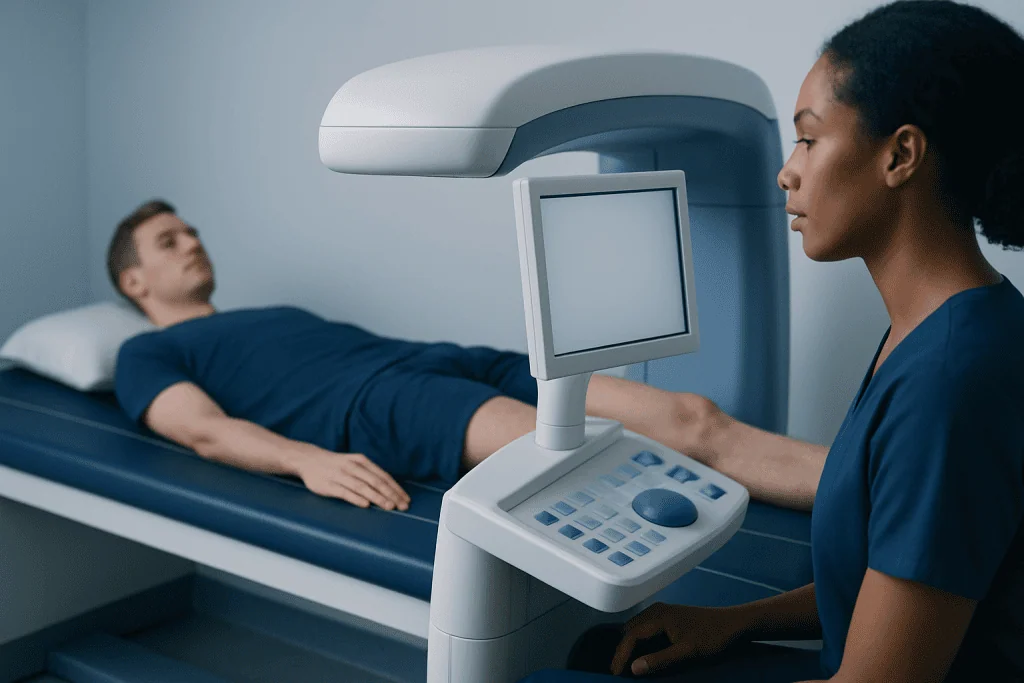
Body composition can be measured more directly with methods such as dual-energy X-ray absorptiometry, bioelectrical impedance, or specialized imaging in selected cases. These tests are not always necessary, but they can be useful when the health picture is unclear or when a person wants a more accurate baseline.
Signs, patterns, and possible health effects

There is no single symptom that proves someone is skinny fat. Many people feel well and discover the issue only when they notice low strength, reduced stamina, a softer midsection despite a normal weight, or blood test changes during a routine checkup. Others may find that they tire easily during exercise or have difficulty building muscle.
From a medical perspective, the main concern is not appearance but potential health effects. Excess visceral fat and low muscle mass may be associated with insulin resistance, elevated blood lipids, higher blood pressure, and inflammation. Over time, this pattern can increase the likelihood of conditions such as type 2 diabetes, cardiovascular disease, and fatty liver disease in some people.
Low muscle mass can also matter for daily function. Muscle supports posture, mobility, glucose regulation, and long-term bone health. When muscle is too low, a person may have poorer balance, lower exercise capacity, and less resilience during illness or recovery. These changes are not limited to older adults.
Still, risk varies from person to person. Genetics, ethnicity, age, hormonal status, diet quality, sleep, stress, alcohol use, and physical activity all influence how body fat is stored and how much it affects health. That is why a careful individual assessment is more useful than self-labeling.
What can cause a skinny-fat body composition?
The most common contributors are low physical activity, especially little resistance exercise, and long periods of sitting. Without regular muscle-loading activity, the body may gradually lose lean mass. If calorie intake remains the same or rises, the proportion of body fat can increase even if body weight stays stable.
Nutrition also matters. Diets that are high in ultra-processed foods and low in protein, fiber, and micronutrients may support fat gain while offering too little support for muscle maintenance. Repeated cycles of strict dieting and weight regain can also reduce muscle over time, particularly if weight loss is rapid and not paired with strength training.
Sleep loss, chronic stress, and alcohol use can further affect appetite regulation, physical recovery, and fat distribution. Hormonal changes, including those related to menopause, thyroid disease, or other endocrine conditions, may also influence body composition. In some cases, chronic illness, certain medications, or prolonged inactivity after injury can contribute.
Because body composition reflects many factors, there is rarely one single cause. For some people, an evaluation by specialists in endocrinology care or preventive medicine may help identify hidden contributors such as insulin resistance, hormonal imbalance, or reduced physical function.
How doctors assess it
Assessment usually begins with a medical history and physical examination. A doctor may ask about weight changes, exercise habits, eating patterns, sleep, medications, menstrual or menopausal history, family history, and symptoms such as fatigue or weakness. Waist circumference and blood pressure are often checked alongside height and weight.
Basic laboratory tests may include fasting glucose or HbA1c, a lipid profile, liver tests, and sometimes thyroid tests or other hormone-related studies depending on the person’s symptoms. These tests help identify whether body composition changes are affecting metabolic health. If there are concerns about fatty liver or other internal conditions, additional imaging or specialist referral may be advised.
Body composition testing can offer more detail. Some clinics use bioelectrical impedance analysis, while others may recommend dual-energy X-ray absorptiometry when a more precise estimate of fat mass and lean mass is needed. These tests are best interpreted as part of the larger clinical picture rather than in isolation.
If symptoms suggest a broader issue, doctors may also evaluate for related conditions such as obesity with central fat distribution despite a normal overall BMI, sarcopenia, or metabolic syndrome. The aim is not to apply a label but to understand risk and guide practical next steps.
What helps: evidence-based ways to improve body composition
The most effective approach usually focuses on improving body composition rather than simply reducing body weight. For many people, that means building or preserving muscle while reducing excess fat, especially around the abdomen. Resistance training is one of the strongest evidence-based tools for this goal. Exercises using body weight, machines, free weights, or resistance bands can all help when progressed safely and consistently.
Aerobic activity also matters for heart health, insulin sensitivity, and visceral fat reduction. Walking briskly, cycling, swimming, or interval-based exercise may all be useful depending on fitness level and medical history. Combining aerobic exercise with strength training is often more effective than relying on either alone. Some people benefit from guidance through physical therapy and rehabilitation if they are deconditioned, recovering from pain, or unsure how to train safely.
Nutrition should support muscle and metabolic health. In general, this means eating enough protein, choosing fiber-rich foods, including vegetables, fruit, legumes, nuts, and whole grains, and limiting excess alcohol and highly processed foods. Extreme calorie restriction is usually not helpful because it can worsen muscle loss. A structured plan with clinical nutrition and diet support may be helpful, especially when there are medical conditions such as diabetes, fatty liver, or digestive concerns.
Good sleep, stress management, and consistent routines are often overlooked but important. Sleep influences hormones related to appetite, recovery, and insulin sensitivity. Small sustainable changes usually work better than short, intense efforts. Progress is better judged by waist measurement, strength, energy, and lab markers than by scale weight alone.
Prevention and self-care in daily life
Prevention starts with maintaining muscle through regular activity across adulthood, not just trying to stay thin. Strength-focused exercise two or more times per week, along with regular movement throughout the day, can help counteract sedentary habits. Even simple changes such as walking more, breaking up long sitting periods, and carrying groceries can support long-term function.
Meals built around protein and whole foods can also help preserve lean mass and reduce overeating driven by low satiety. It is often useful to think in terms of quality and balance rather than dieting rules. Adequate hydration and moderate alcohol intake also support metabolic health.
Self-monitoring can be practical when done calmly. Helpful markers include waist circumference, exercise performance, sleep quality, and how clothes fit around the midsection. For those with a family history of diabetes, heart disease, or fatty liver, regular preventive checkups are especially important even if body weight seems normal.
Near the end of a longer care plan, some people may need coordinated support from physicians, dietitians, and rehabilitation experts. Acibadem International’s multidisciplinary specialists and JCI-accredited hospitals diagnose and manage metabolic and body-composition concerns for international patients when further assessment is needed.
When to seek medical care
Medical advice is appropriate if a person has a normal or near-normal weight but also has a growing waistline, unusual fatigue, reduced strength, poor exercise tolerance, or abnormal blood test results. Care is also important when there is a strong family history of diabetes, high cholesterol, heart disease, or liver disease. These clues can suggest that body composition deserves closer attention even when BMI does not seem concerning.
A prompt medical review is also sensible if body changes are rapid, muscle loss seems marked, or there are symptoms such as increased thirst, frequent urination, chest discomfort, shortness of breath, or unexplained weakness. These symptoms do not always mean a serious problem, but they should not be ignored. A clinician can check for metabolic, hormonal, nutritional, or other underlying causes.
If there is concern about exercise safety, persistent pain, or uncertainty about the right plan, a tailored assessment can help avoid frustration and reduce injury risk. In many cases, focused evaluation and steady lifestyle changes are enough to improve health markers significantly over time.
Frequently asked questions
Is skinny fat a real medical condition?
Skinny fat is not an official medical diagnosis. It is an informal term for having a normal body weight or BMI but relatively high body fat and lower muscle mass. Doctors usually discuss this in terms of body composition and metabolic risk rather than appearance.
Can someone be skinny fat and still be healthy?
Yes, some people who describe themselves this way may have normal blood pressure, healthy blood tests, and good physical fitness. However, others may have hidden risk factors such as high visceral fat, insulin resistance, or low muscle mass. That is why assessment should focus on waist size, labs, strength, and lifestyle rather than weight alone.
How can a person tell if they are skinny fat?
A person may suspect it if they have a normal body weight but low strength, poor fitness, and a relatively larger waist or softer midsection. A doctor can assess this more accurately with measurements, blood tests, and sometimes body composition testing. Self-judgment based on appearance alone is not reliable.
What is the best exercise for skinny fat?
In most cases, the best program includes resistance training plus regular aerobic activity. Strength training helps build or preserve muscle, while aerobic exercise supports heart health and can reduce visceral fat. The best plan is one that is safe, progressive, and sustainable for the individual.
Should a skinny-fat person try to lose weight?
Not always. For many people, the main goal is to improve body composition by increasing muscle and reducing excess abdominal fat, rather than simply lowering the number on the scale. A doctor or dietitian can help decide whether weight loss, weight maintenance, or muscle-focused training is the right strategy.
Can diet alone fix skinny fat?
Diet is important, but it is usually not enough on its own. Eating patterns that support protein intake, fiber, and overall nutrient quality work best when combined with resistance exercise and adequate sleep. Very restrictive dieting may lower weight temporarily but can also worsen muscle loss.
This article is for general information only and is not a substitute for professional medical advice. Please consult a qualified doctor about your individual situation.
Medical weight-loss options in Turkey — costs & eligibility
JCI-accredited · board-certified surgeons · reply within 24h
Add us as a Preferred Source to see more of our trusted health content across Google Search, AI Overviews and Discover.
Check your numbers in seconds
BMI, calories, due date, blood pressure and 30+ more clinical calculators — free, instant, doctor-reviewed ranges.

More from the Health Library

Lavender Flowers: A Complete Medical Overview

C O N T U S I O N: An Evidence-Based Guide for Patients

Hydrogen Peroxide Foot Soak — Explained by Medical Evidence, Not Myths

Ileum — Explained by Medical Evidence, Not Myths

Cod Liver Oil: A Complete Medical Overview