Sleep Attacks and Sudden REM Sleep: Could It Be Narcolepsy?

Narcolepsy is a neurological condition, not a sign of laziness or poor motivation. Common features include excessive daytime sleepiness, sleep attacks, vivid dream-like experiences, and sometimes cataplexy.
Key Takeaways
- Narcolepsy is a neurological condition, not a sign of laziness or poor motivation.
- Common features include excessive daytime sleepiness, sleep attacks, vivid dream-like experiences, and sometimes cataplexy.
- Diagnosis usually involves a sleep history, sleep studies, and specialist evaluation.
- Treatment often combines lifestyle strategies with medication tailored to symptoms.
- Early diagnosis can help reduce accidents, improve school or work performance, and support mental well-being.
Narcolepsy is a long-term neurological sleep disorder that affects how the brain regulates sleep and wakefulness. It can cause overwhelming daytime sleepiness, sudden sleep episodes, and REM sleep features that appear at unusual times.
Overview: what narcolepsy is
Narcolepsy is a chronic neurological sleep disorder in which the brain has difficulty controlling the normal boundaries between wakefulness and sleep. As a result, a person may feel very sleepy during the day even after what seems like enough nighttime sleep. Some people also enter rapid eye movement, or REM, sleep unusually quickly, which can lead to vivid dreams, dream-like hallucinations, or temporary muscle weakness at unexpected times.
The condition usually begins in childhood, adolescence, or young adulthood, but it can be recognized later as well. Because symptoms may develop gradually, narcolepsy is sometimes mistaken for stress, depression, insomnia, or simply being a “poor sleeper.” Many people live with symptoms for years before receiving the right diagnosis.
There are two main types. Narcolepsy type 1 includes cataplexy, a sudden loss of muscle tone often triggered by emotions such as laughter or surprise. Narcolepsy type 2 causes similar daytime sleepiness but without cataplexy. In both types, symptoms can affect learning, work, driving, relationships, and overall quality of life, but proper treatment can make a meaningful difference.
Symptoms and signs to recognize
The hallmark symptom of narcolepsy is excessive daytime sleepiness. This is more than ordinary tiredness. A person may feel an irresistible need to sleep, struggle to stay alert during meetings or classes, or doze off during quiet activities such as reading, watching television, or traveling. These episodes are often called sleep attacks, although they may not always happen suddenly.
Another important symptom is cataplexy, which occurs in some but not all people with narcolepsy. During cataplexy, strong emotions can trigger brief muscle weakness while the person remains conscious. This may cause the jaw to drop, eyelids to sag, speech to become slurred, knees to buckle, or in some cases the body to collapse for a short time.
REM-related symptoms are also common. Sleep paralysis is a temporary inability to move or speak when falling asleep or waking up. Hallucinations around sleep can feel very vivid and realistic, often like dreams occurring while awake. Nighttime sleep may also be fragmented, with frequent awakenings despite severe sleepiness during the day.
- Persistent daytime sleepiness
- Sudden naps or unintended sleep episodes
- Cataplexy triggered by emotion
- Sleep paralysis
- Vivid hallucinations at sleep onset or awakening
- Broken nighttime sleep and automatic behaviors
Some people also experience automatic behaviors, meaning they continue a simple activity while partially asleep and later do not remember it clearly. Because these symptoms can overlap with other conditions, specialist assessment is important rather than self-diagnosis.
Causes and risk factors

Narcolepsy is related to abnormal regulation of sleep-wake pathways in the brain. In narcolepsy type 1, many patients have a loss of brain cells that produce hypocretin, also called orexin, a chemical messenger that helps maintain wakefulness and stabilize transitions between sleep and alertness. Low hypocretin levels are strongly linked to cataplexy.
The exact reason this cell loss happens is not fully understood. Researchers believe that in many cases it may involve an autoimmune process, in which the immune system mistakenly damages these cells in genetically susceptible people. This means genes can increase risk, but narcolepsy is not usually inherited in a simple pattern and most family members will not develop it.
Environmental factors may also play a role in some people. Infections, major stress, disrupted sleep schedules, or other triggers have been studied, but they do not explain every case. Narcolepsy type 2 is less clearly understood and may involve similar but milder disruptions in sleep regulation.
Although the symptoms center on sleep, narcolepsy is not caused by poor habits alone. However, insufficient sleep, shift work, alcohol, sedating medications, and untreated sleep apnea can worsen daytime sleepiness and make the condition harder to recognize.
How narcolepsy is diagnosed
Diagnosis begins with a careful medical history. A doctor will ask about daytime sleepiness, sleep routines, cataplexy, hallucinations, sleep paralysis, nighttime awakenings, medications, and mental health symptoms. Input from a family member or partner can be helpful because they may notice patterns the patient does not fully remember.
Because several conditions can cause severe sleepiness, the evaluation often includes screening for other sleep disorders, mood disorders, thyroid disease, medication effects, and insufficient sleep. A sleep diary or actigraphy device may be used for one to two weeks to better understand sleep timing and duration before formal testing.
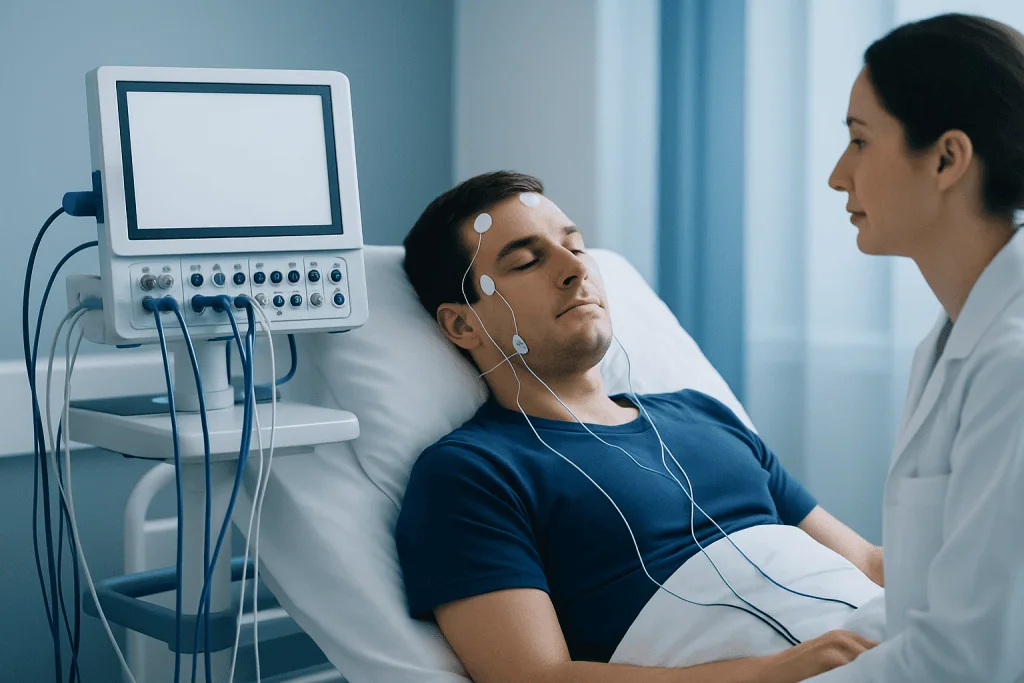
The standard sleep evaluation often includes overnight polysomnography followed by a multiple sleep latency test the next day. These tests measure brain activity, breathing, movement, and how quickly a person falls asleep during scheduled naps. Entering REM sleep very quickly on these tests can support the diagnosis of narcolepsy.
In selected cases, additional testing may include measuring hypocretin levels in cerebrospinal fluid. A neurologist or sleep specialist interprets all of the findings together rather than relying on one symptom alone. This is important because other conditions, including epilepsy or sleep deprivation, can sometimes appear similar at first.
Treatment options and daily management
There is no single cure for narcolepsy, but treatment can control symptoms and help people function more safely and comfortably. Care is individualized based on the main problems, such as daytime sleepiness, cataplexy, disturbed nighttime sleep, or hallucinations. Many patients benefit from combining medication with practical lifestyle measures.
Medications may be used to improve daytime alertness or reduce cataplexy and REM-related symptoms. The choice depends on age, overall health, daily schedule, and other medical conditions. Because treatment needs can change over time, regular follow-up is important to monitor benefits, side effects, and safety.
Behavioral strategies also matter. Scheduled short naps, a consistent sleep-wake routine, and avoiding sleep deprivation can reduce daytime symptoms. Patients may need school or workplace accommodations, especially if symptoms began before diagnosis. If another disorder such as sleep apnea treatment is needed, managing that condition can improve overall alertness as well.
When diagnosis is uncertain or symptoms overlap with other neurological disorders, a specialist may recommend broader evaluation through neurology care or a dedicated sleep laboratory assessment. Education for family members can also be helpful so that symptoms are understood as medical, not intentional.
Prevention, self-care, and staying safe
Narcolepsy itself cannot usually be prevented, but self-care can reduce symptom burden and support safety. One of the most important steps is protecting regular sleep. Going to bed and waking up at consistent times, even on weekends, helps stabilize the body clock and may reduce sudden sleepiness during the day.
Short planned naps can be more effective than fighting sleepiness for hours. Limiting alcohol and being cautious with sedating medicines is also important, as these can worsen drowsiness and fragmented sleep. Some people find that regular exercise and balanced meals support energy, although these steps do not replace medical treatment.
Safety planning is essential, especially before driving, operating machinery, climbing heights, or swimming alone. A doctor can advise whether symptoms are adequately controlled for driving and how local regulations apply. People with frequent sleep attacks or cataplexy should be especially cautious until treatment is working well.
Emotional support matters too. Narcolepsy can affect confidence, school or work performance, and mental health. Speaking openly with teachers, employers, or loved ones may reduce misunderstanding and stigma. Near the end of the care journey, some international patients seek specialist evaluation at centers such as Acibadem International, where multidisciplinary teams in JCI-accredited hospitals assess and treat sleep and neurological disorders.
When to see a doctor
A person should seek medical advice if daytime sleepiness is persistent, unexplained, or interfering with school, work, mood, memory, or safety. Falling asleep while driving, at work, or during conversations is not considered normal and deserves evaluation. Early assessment can also help identify other causes of sleepiness that may need treatment.
Medical review is especially important if sleepiness is accompanied by sudden muscle weakness triggered by emotion, vivid dream-like experiences while falling asleep or waking, or temporary inability to move upon awakening. These features can point toward narcolepsy, but a specialist is needed to confirm the diagnosis.
Urgent care may be needed if there are injuries from falls, episodes that might represent seizures, severe breathing problems during sleep, or dangerous drowsiness while driving. Anyone already diagnosed with narcolepsy should return to their doctor if symptoms worsen, new side effects appear, or treatment no longer provides enough control.
Frequently asked questions
What is the difference between being tired and having narcolepsy?
Ordinary tiredness usually improves with enough sleep, rest, or a change in routine. Narcolepsy causes persistent excessive daytime sleepiness and abnormal sleep-wake regulation, often despite adequate time in bed. It may also include cataplexy, sleep paralysis, or vivid hallucinations around sleep.
Do sleep attacks always happen without warning?
Not always. Some people feel mounting sleepiness before dozing off, while others seem to fall asleep very suddenly. The term sleep attack is commonly used, but the pattern can vary from person to person.
Can narcolepsy start in adulthood?
Yes. Narcolepsy often begins in the teens or twenties, but it can become noticeable later or be diagnosed years after symptoms first started. Adults sometimes realize that longstanding daytime sleepiness was not normal only after symptoms affect work or driving.
Is narcolepsy a mental health condition?
No. Narcolepsy is a neurological sleep disorder involving the brain's control of sleep and wakefulness. However, living with chronic symptoms can affect mood, concentration, and social life, so emotional support may be helpful alongside medical care.
Can narcolepsy be cured?
There is currently no definitive cure, but many people improve with treatment. Medications, scheduled naps, consistent sleep habits, and safety planning can reduce symptoms and help daily functioning. Regular follow-up is important because treatment may need adjustment over time.
Is it safe to drive with narcolepsy?
Safety depends on how well symptoms are controlled. People with untreated or poorly controlled sleep attacks or cataplexy may be at increased risk behind the wheel. A doctor can advise on driving safety, treatment response, and any local legal requirements.
References
- National Institute of Neurological Disorders and Stroke
- National Heart, Lung, and Blood Institute
- American Academy of Sleep Medicine
- National Health Service
- Mayo Clinic
This article is for general information only and is not a substitute for professional medical advice. Please consult a qualified doctor about your individual situation.
Narcolepsy in Turkey — costs, top hospitals & a free quote
JCI-accredited · board-certified surgeons · reply within 24h
Add us as a Preferred Source to see more of our trusted health content across Google Search, AI Overviews and Discover.