Sleep Attacks and Sudden Weakness: Early Signs of Narcolepsy

Narcolepsy is a neurological sleep disorder, not simply tiredness or poor sleep habits. Common early signs include excessive daytime sleepiness, sudden sleep attacks, and trouble staying alert.
Key Takeaways
- Narcolepsy is a neurological sleep disorder, not simply tiredness or poor sleep habits.
- Common early signs include excessive daytime sleepiness, sudden sleep attacks, and trouble staying alert.
- Sudden weakness triggered by emotions may be cataplexy, a key feature of some types of narcolepsy.
- Diagnosis often involves sleep history, overnight sleep testing, and a daytime nap study.
- Treatment usually combines healthy sleep routines, scheduled naps, and medications chosen by a specialist.
- People should seek medical advice if sleepiness affects driving, school, work, or daily safety.
Narcolepsy is a long-term neurological sleep disorder that can cause overwhelming daytime sleepiness, sudden sleep attacks, and in some people, brief episodes of muscle weakness called cataplexy. Recognizing early signs can help people seek evaluation sooner and start treatment and daily strategies that improve safety and quality of life.
Overview
Narcolepsy is a chronic neurological sleep disorder that affects the brain’s ability to regulate sleep-wake cycles. A person with narcolepsy may feel excessively sleepy during the day even after what seems like a full night’s sleep. This sleepiness can be so strong that it leads to unintended naps or sudden “sleep attacks” during daily activities.
One of the most recognized features of narcolepsy is cataplexy, which is a brief and sudden loss of muscle tone while a person remains awake. Cataplexy is often triggered by strong emotions such as laughter, excitement, surprise, or anger. It can be mild, such as jaw dropping or knees buckling, or more noticeable, causing a person to slump or fall for a short time.
Narcolepsy usually begins in childhood, adolescence, or young adulthood, but it may go unrecognized for years. Because symptoms can be mistaken for stress, depression, poor sleep, or lack of motivation, many people do not receive a diagnosis right away. Learning the early warning signs can make it easier to seek care before symptoms disrupt school, work, relationships, or safety.
Symptoms and Early Signs
The hallmark symptom of narcolepsy is excessive daytime sleepiness. This is more than feeling tired after a busy day. It is a persistent, difficult-to-resist sleepiness that may make it hard to focus, remember information, or stay awake during quiet activities such as reading, studying, meetings, or riding in a car.
Some people experience sudden sleep attacks, meaning they fall asleep quickly and unexpectedly. These episodes may last only a few minutes or longer, and the person may wake feeling briefly refreshed before the sleepiness returns. Children may show symptoms differently, such as irritability, restlessness, trouble paying attention, or changes in school performance.
Other symptoms can occur because the boundary between sleep and wakefulness becomes unstable. These may include vivid dream-like experiences when falling asleep or waking up, known as hallucinations, and temporary inability to move when waking or falling asleep, called sleep paralysis. Nighttime sleep may also be fragmented, with frequent awakenings despite strong daytime sleepiness.
- Persistent daytime sleepiness
- Unplanned naps or sudden sleep attacks
- Cataplexy triggered by emotions
- Sleep paralysis
- Vivid hallucinations at sleep onset or awakening
- Broken or restless nighttime sleep
Causes and Risk Factors

Narcolepsy is related to changes in the brain systems that control wakefulness and rapid eye movement, or REM, sleep. In many people with narcolepsy type 1, levels of hypocretin, also called orexin, are very low. Hypocretin is a brain chemical that helps stabilize wakefulness and muscle tone. Loss of these nerve cells is thought to play an important role in the disorder.
The exact reason this loss happens is not always clear. Researchers believe that a combination of genetic susceptibility and immune-related factors may be involved in some cases. Having a family member with narcolepsy can slightly increase risk, but most people with narcolepsy do not have a close relative with the condition.
There are two main forms of narcolepsy. Type 1 includes cataplexy or low hypocretin levels. Type 2 causes excessive daytime sleepiness without cataplexy and without documented low hypocretin. Secondary narcolepsy is less common and may occur after brain injury or conditions affecting the hypothalamus, the area that helps regulate sleep. Symptoms can overlap with other sleep disorders, which is one reason specialist evaluation is helpful.
How Narcolepsy Is Diagnosed
Diagnosis begins with a detailed medical and sleep history. A doctor will ask about daytime sleepiness, sleep habits, cataplexy-like episodes, medications, mood symptoms, and any other sleep problems such as snoring or restless legs. Keeping a sleep diary or using an actigraphy device for one to two weeks may help show patterns of sleep and alertness.
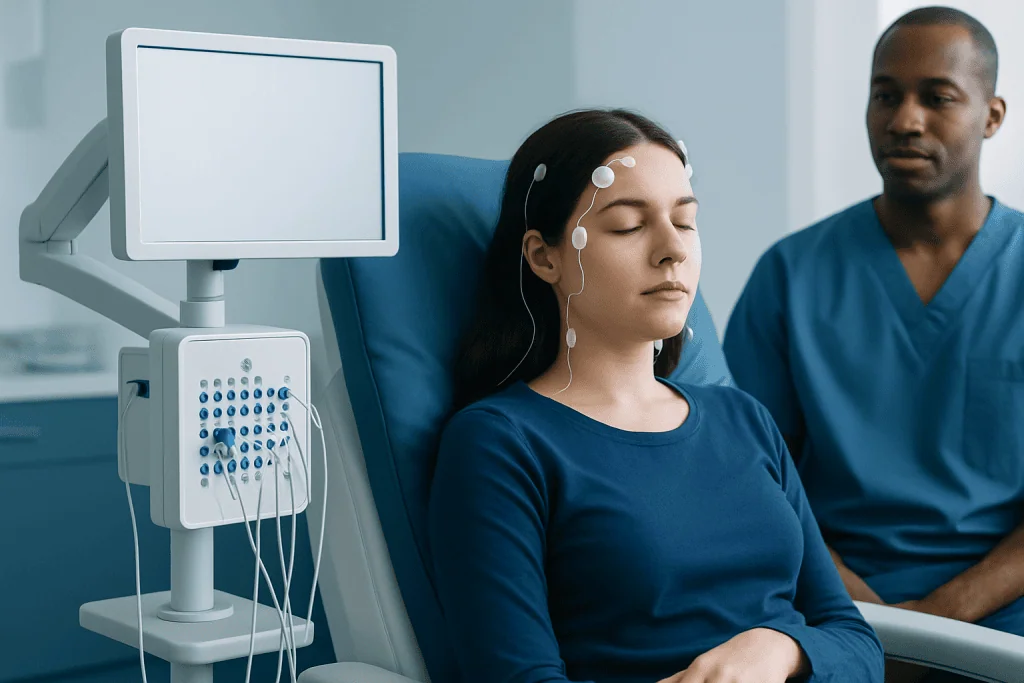
Sleep testing is often needed to confirm the diagnosis. An overnight sleep study, called polysomnography, is usually done first to look at sleep stages and rule out other causes of daytime sleepiness, such as obstructive sleep apnea. This is often followed the next day by a multiple sleep latency test, which measures how quickly a person falls asleep during scheduled naps and whether REM sleep appears unusually early.
In some cases, additional testing may be considered, such as hypocretin measurement from spinal fluid or selected blood tests to look for other explanations. Because symptoms may overlap with epilepsy, mental health conditions, chronic sleep deprivation, or other neurological issues, diagnosis should be made by a qualified sleep specialist or neurologist. Early and accurate assessment is important, especially when symptoms interfere with driving, school, work, or physical safety.
Treatment Options
There is no single cure for narcolepsy, but treatment can reduce symptoms and help people lead active lives. Care is usually individualized based on the person’s age, symptom pattern, work or school demands, and whether cataplexy is present. Most treatment plans combine medication with structured daily habits that support more stable alertness.
Doctors may prescribe medicines to improve wakefulness during the day or reduce cataplexy and related REM-sleep symptoms. The best choice depends on the person’s overall health and symptom burden, so treatment should be guided by a specialist. If another sleep problem is present, treating it can also improve daytime function. In some cases, clinicians may recommend formal sleep study testing and follow-up through a dedicated sleep medicine program.
Non-medication strategies matter as well. Short planned naps, a regular sleep schedule, and good sleep hygiene often help reduce sudden sleepiness. If symptoms are complex or diagnosis is uncertain, referral to a center experienced in neurology care can support long-term management. Treatment may need adjustments over time as school, work, pregnancy, aging, or other medical conditions change.
Prevention, Self-care, and Living With Narcolepsy
Narcolepsy cannot usually be prevented, but daily habits can make symptoms easier to manage. A consistent sleep-wake schedule is often one of the most useful tools. Going to bed and waking up at the same times each day, including weekends when possible, can support steadier alertness.
Planned short naps during the day may reduce sudden sleep episodes for some people. Limiting alcohol, avoiding sleep deprivation, and discussing sedating medicines with a doctor can also help. Regular physical activity and balanced meals may improve overall energy and well-being, although they do not replace medical treatment.
Safety is an important part of self-care. People with untreated or poorly controlled narcolepsy may need to be cautious about driving, swimming alone, climbing heights, or operating machinery. Families, teachers, and employers may be more supportive when they understand that narcolepsy is a medical condition rather than laziness. Near the end of the care journey, some patients choose evaluation at centers such as Acibadem International, where multidisciplinary specialists in JCI-accredited hospitals diagnose and treat sleep and neurological conditions for international patients.
When to See a Doctor
A person should consider medical evaluation if daytime sleepiness is frequent, severe, or starts interfering with daily life. Falling asleep during conversations, meals, work tasks, or classes is not typical and deserves attention. Sudden weakness triggered by laughter or strong emotions should also be assessed, as it may represent cataplexy.
Urgent attention is especially important when symptoms affect safety. This includes drowsy driving, near-miss accidents, injuries from falls, or trouble staying awake while caring for a child or using equipment. Children and teenagers should be evaluated if they seem constantly sleepy, inattentive, or emotionally affected by unexplained fatigue.
Because several conditions can mimic narcolepsy, self-diagnosis is not enough. A doctor can help determine whether symptoms are due to narcolepsy, chronic sleep loss, mood disorders, medication effects, or another sleep condition. Earlier diagnosis often means earlier support, better symptom control, and fewer disruptions to school, work, and everyday confidence.
Frequently asked questions
What are the first signs of narcolepsy?
The earliest sign is often excessive daytime sleepiness that does not improve enough with normal rest. Some people also notice sudden naps, trouble concentrating, vivid dream-like experiences when falling asleep, or brief weakness triggered by emotions.
Is narcolepsy the same as being very tired?
No. Narcolepsy is a neurological sleep disorder that affects how the brain regulates sleep and wakefulness. Ordinary tiredness after a short night of sleep is usually temporary, while narcolepsy causes ongoing symptoms that can interfere with daily life.
What is cataplexy?
Cataplexy is a sudden, brief loss of muscle tone that happens while a person is awake. It is often triggered by strong emotions such as laughter or surprise and may cause mild facial weakness, knee buckling, or, less commonly, a short collapse.
How do doctors test for narcolepsy?
Doctors usually begin with a careful history of symptoms and sleep habits. Testing often includes an overnight sleep study followed by a daytime nap test called a multiple sleep latency test to measure how quickly a person falls asleep and enters REM sleep.
Can narcolepsy be cured?
There is no cure at present, but symptoms can often be managed well. Treatment may include medication, scheduled naps, regular sleep routines, and steps to improve safety and daily functioning.
Can children and teenagers have narcolepsy?
Yes. Narcolepsy can begin in childhood or adolescence, although symptoms may be overlooked or mistaken for behavioral, mood, or attention problems. Evaluation is important if a young person has persistent sleepiness, sudden naps, or unusual weakness episodes.
References
- National Institute of Neurological Disorders and Stroke
- National Heart, Lung, and Blood Institute
- American Academy of Sleep Medicine
- Mayo Clinic
- National Health Service
This article is for general information only and is not a substitute for professional medical advice. Please consult a qualified doctor about your individual situation.
Narcolepsy in Turkey — costs, top hospitals & a free quote
JCI-accredited · board-certified surgeons · reply within 24h
Add us as a Preferred Source to see more of our trusted health content across Google Search, AI Overviews and Discover.

More from the Health Library



Related Specialists

Assoc. Prof. Dr. Selçuk Keskin
Urology
Prof. Dr. Kerem Bilsel
Orthopedic Surgery & Traumatology
Dr. Mahmut Esat Danişoğlu
Urology
Dt. Çiğdem Erginöz
Oral & Dental Health