Sleep Attacks: When Sudden Daytime Sleep Episodes Need Neurology Evaluation

Sleep attacks are not the same as ordinary tiredness and can interfere with safety, work, school, and driving. Common causes include sleep deprivation, narcolepsy, sleep apnea, circadian rhythm problems, medications, and some neurological or medical conditions.
Key Takeaways
- Sleep attacks are not the same as ordinary tiredness and can interfere with safety, work, school, and driving.
- Common causes include sleep deprivation, narcolepsy, sleep apnea, circadian rhythm problems, medications, and some neurological or medical conditions.
- A careful history, sleep testing, and sometimes neurological assessment help identify the cause.
- Treatment depends on the reason for the episodes and may include lifestyle changes, treating another sleep disorder, or prescribed medication.
- Anyone with sudden sleep episodes while driving, working, or caring for others should seek medical advice promptly.
Sleep attacks are sudden episodes of falling asleep or an overwhelming urge to sleep during the day, sometimes even during routine activities. While sleep loss can play a role, repeated sleep attacks may point to an underlying sleep, neurological, or medical condition that needs proper evaluation.
Overview
Sleep attacks are sudden episodes of falling asleep or an intense, difficult-to-resist urge to sleep during the day. They can happen with little warning and may occur in quiet situations, during conversations, while eating, or even during more active tasks. For many people, this feels very different from normal fatigue after a busy day.
The term “sleep attack” is descriptive rather than a single diagnosis. It can be associated with several conditions, including severe sleep deprivation, narcolepsy, obstructive sleep apnea, circadian rhythm disorders, medication effects, and certain neurological illnesses. Because the causes vary, a proper medical evaluation is important.
Sleep attacks matter not only because they affect quality of life, but also because they can create safety risks. Sudden daytime sleep episodes may affect driving, operating machinery, work performance, and school participation. They can also lead to embarrassment, anxiety, or social withdrawal if the episodes are misunderstood.
A neurologist or sleep specialist can help distinguish ordinary sleepiness from a medical problem. In many cases, identifying the underlying cause leads to effective treatment and better daily functioning.
Symptoms and How Sleep Attacks Feel
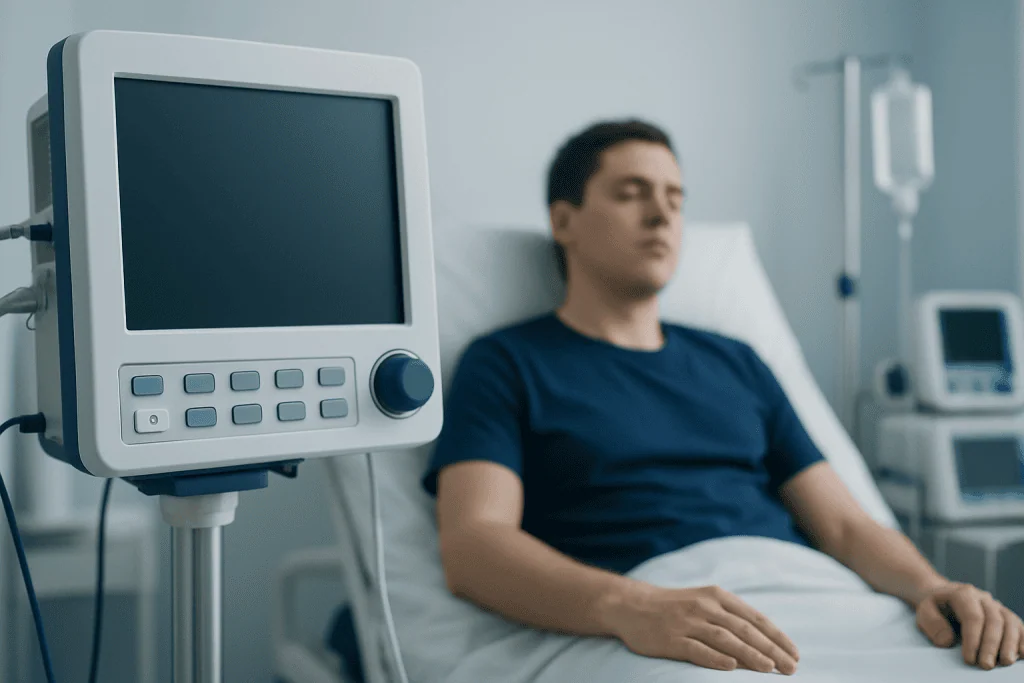
People describe sleep attacks in different ways. Some notice a sudden wave of overwhelming sleepiness that quickly becomes impossible to fight. Others may fall asleep unexpectedly without recognizing much warning beforehand. These episodes may last a few minutes or longer, and a person may wake feeling briefly refreshed or still sleepy.
Sleep attacks often occur alongside excessive daytime sleepiness, which means persistent difficulty staying awake and alert during the day. A person may struggle with concentration, memory, or attention. They may also find themselves dozing in passive situations such as meetings, reading, watching television, or riding in a car.
Additional symptoms can suggest a specific sleep disorder. For example, narcolepsy may involve vivid dream-like experiences at sleep onset, temporary inability to move when falling asleep or waking, or episodes of sudden muscle weakness triggered by emotions. Sleep apnea may be linked with loud snoring, witnessed pauses in breathing, morning headaches, and unrefreshing sleep.
- Repeated unplanned daytime naps
- Sudden irresistible urge to sleep
- Reduced alertness, concentration, or reaction time
- Sleepiness during driving or work
- Fragmented nighttime sleep
- Snoring, choking during sleep, or breathing pauses
Causes and Risk Factors

One of the most common reasons for sleep attacks is not getting enough sleep. Chronic sleep restriction, shift work, jet lag, and irregular sleep schedules can all lead to severe daytime sleepiness. Even when a person believes they are getting enough hours in bed, poor sleep quality may still leave them vulnerable to sudden sleep episodes.
Underlying sleep disorders are another major cause. Narcolepsy is a well-known condition linked to sleep attacks, especially when sleepiness is severe and persistent. Obstructive sleep apnea can repeatedly disturb breathing at night, fragmenting sleep and leading to excessive daytime sleepiness. Other possibilities include idiopathic hypersomnia, restless legs syndrome, periodic limb movement disorder, and circadian rhythm sleep-wake disorders.
Medical and neurological conditions may also contribute. Parkinson disease, epilepsy, traumatic brain injury, stroke, multiple sclerosis, and some neurodegenerative disorders can affect sleep-wake regulation. Mood disorders, thyroid disease, anemia, chronic pain, and infections may also worsen daytime sleepiness. In some people, a symptom that seems like a sleep attack may overlap with epilepsy or another neurological condition, which is why careful assessment matters.
Medication side effects should also be considered. Sedatives, some antihistamines, certain pain medicines, anti-seizure medicines, and alcohol can impair alertness. Risk factors include family history of sleep disorders, obesity, irregular schedules, untreated mental health conditions, and any illness that disrupts healthy sleep.
Why Neurology Evaluation May Be Needed
Not every person with daytime sleepiness needs a neurological workup, but sudden or recurrent sleep attacks may deserve one when symptoms are severe, unexplained, or associated with other neurological signs. A neurology-based sleep evaluation is especially useful when there is concern for narcolepsy, seizure-like episodes, movement symptoms, changes in thinking, or a known neurological disease.
A specialist will look at the full picture: sleep habits, medical history, medications, mental health, and any warning signs that point beyond simple sleep loss. They may ask whether episodes occur during active tasks, whether the person can be awakened easily, and whether confusion, muscle weakness, unusual movements, or vivid hallucinations happen around the event.
This kind of evaluation helps separate sleep attacks from conditions that can look similar. Fainting, seizures, medication-related sedation, metabolic problems, and even some cardiac conditions may occasionally be mistaken for sudden sleep episodes. Distinguishing among these possibilities is important because treatment differs significantly.
People with complex symptoms may benefit from coordinated care between neurology, sleep medicine, pulmonology, psychiatry, and internal medicine. The goal is not simply to label symptoms, but to identify the true cause and build a safe, effective treatment plan.
How Doctors Diagnose Sleep Attacks
Diagnosis begins with a detailed discussion of symptoms. The doctor will usually ask when the sleep attacks started, how often they happen, what the person is doing at the time, and whether there are triggers such as emotional stress, poor sleep, alcohol, or certain medicines. Input from a bed partner or family member can be very helpful, especially if the person snores, moves during sleep, or seems unaware of episodes.
Sleep diaries, symptom questionnaires, and sometimes wearable data can help show patterns. A physical examination may assess the airway, weight, blood pressure, and neurological status. Depending on the history, blood tests may be used to look for contributing medical causes such as thyroid problems or anemia.
Specialized sleep testing is often needed. An overnight sleep study, also called polysomnography, can identify breathing disturbances, abnormal movements, or disrupted sleep architecture. If narcolepsy or another hypersomnia disorder is suspected, a next-day nap test called a multiple sleep latency test may be recommended after the overnight study. In selected cases, doctors may use EEG testing if seizures are a concern or MRI imaging when structural neurological causes need evaluation.
Diagnosis is most accurate when testing is interpreted in context. For example, untreated sleep apnea, insufficient sleep, and some medications can affect test results and may need to be addressed before confirming disorders such as narcolepsy or idiopathic hypersomnia.
Treatment Options
Treatment depends on the underlying cause of the sleep attacks. If sleep deprivation or an irregular schedule is responsible, improving sleep habits and allowing adequate sleep time may significantly reduce symptoms. When a specific disorder is identified, treatment focuses on that condition rather than on sleepiness alone.
For sleep apnea, management may include weight-related strategies, positional measures, or devices such as sleep apnea treatment tailored to the patient’s needs. Narcolepsy and some other hypersomnia disorders may require prescription medicines to improve wakefulness or address associated symptoms. Doctors also review current medications to reduce or replace drugs that can worsen drowsiness when medically appropriate.
Behavioral strategies are often important. Planned short naps, consistent sleep and wake times, limiting alcohol, and addressing anxiety or depression can all help. If work schedules are contributing, practical adjustments may be discussed. Safety counseling is essential, especially regarding driving, heights, swimming alone, or operating machinery until symptoms are controlled.
In more complex cases, treatment may involve several specialists. If episodes are related to a neurological condition, care may be coordinated with specialists in neurology care. Near the end of the care pathway, some international patients choose centers such as Acibadem International, where multidisciplinary specialists in JCI-accredited hospitals evaluate and treat sleep-related neurological conditions.
Prevention and Self-care
Not all sleep attacks can be prevented, but healthy sleep habits can reduce risk and help doctors better assess symptoms. A regular sleep schedule is one of the most useful steps. Going to bed and waking up at similar times each day supports the body’s sleep-wake rhythm and can improve daytime alertness.
Creating a sleep-friendly environment also matters. A cool, dark, quiet bedroom and limiting screen use before bed may improve sleep quality. Avoiding heavy alcohol use and discussing sedating medicines with a doctor can also reduce daytime drowsiness. Caffeine may help some people temporarily, but it should not be used to hide severe or dangerous sleepiness.
People who experience possible sleep attacks should keep a record of episodes, including time of day, activity, sleep duration the previous night, and any associated symptoms. This can make diagnosis more accurate. It is also wise to avoid driving or other high-risk activities if there is any chance of suddenly falling asleep.
Self-care is supportive, but persistent or sudden daytime sleep episodes still need medical attention. Ongoing excessive sleepiness is a sign the body or brain may not be getting normal restorative sleep, or that another condition is affecting alertness.
When to See a Doctor
Medical advice is recommended when sleep attacks happen more than once, begin suddenly, or interfere with work, school, relationships, or daily safety. A prompt assessment is especially important if episodes occur while driving, during conversations, or during tasks that require constant attention.
Urgent evaluation may be needed if sleep attacks are accompanied by fainting, confusion, injury, chest symptoms, breathing pauses during sleep, sudden muscle weakness, seizures, or new neurological symptoms such as weakness, numbness, severe headaches, or changes in vision. These features may point to a problem that needs immediate medical review.
Children, teenagers, and older adults can also develop significant daytime sleepiness, but it may look different in each age group. In younger people it may appear as irritability, poor school performance, or hyperactivity rather than obvious drowsiness. In older adults, medications and coexisting illnesses often play a larger role.
Early evaluation can make a real difference. Identifying the cause of sleep attacks helps reduce risks, improve functioning, and guide the right treatment instead of relying on guesswork or simply pushing through fatigue.
Frequently asked questions
Are sleep attacks the same as being very tired?
No. Ordinary tiredness usually builds gradually and may improve with rest, while sleep attacks are more sudden and harder to resist. Recurrent episodes suggest that an underlying sleep or medical disorder should be considered.
Do sleep attacks always mean narcolepsy?
No. Narcolepsy is one possible cause, but sleep attacks can also happen with sleep deprivation, obstructive sleep apnea, medication side effects, circadian rhythm disorders, and some neurological or medical conditions. Proper testing is often needed to tell the difference.
Can sleep attacks be dangerous?
Yes, especially if they happen while driving, cooking, working at heights, or operating machinery. Even a brief loss of alertness can increase the risk of accidents, so safety precautions and medical assessment are important.
What kind of doctor should evaluate sleep attacks?
A sleep specialist or neurologist is often the most appropriate starting point, particularly when episodes are sudden, severe, or unexplained. Depending on symptoms, other specialists may also be involved, such as pulmonologists, psychiatrists, or internal medicine doctors.
How are sleep attacks tested?
Doctors usually begin with a detailed history, sleep diary, and examination. They may recommend an overnight sleep study and sometimes a daytime nap test to measure how quickly a person falls asleep and whether features of narcolepsy are present.
Can lifestyle changes help with sleep attacks?
They can help in some cases, especially when insufficient sleep or irregular schedules are major contributors. However, lifestyle changes alone may not be enough if the cause is narcolepsy, sleep apnea, or another medical condition.
References
- American Academy of Sleep Medicine
- National Institute of Neurological Disorders and Stroke
- National Heart, Lung, and Blood Institute
- National Institute for Health and Care Excellence
- Mayo Clinic
This article is for general information only and is not a substitute for professional medical advice. Please consult a qualified doctor about your individual situation.
Explore treatments in Turkey — costs, top hospitals & a free quote
JCI-accredited · board-certified surgeons · reply within 24h
Add us as a Preferred Source to see more of our trusted health content across Google Search, AI Overviews and Discover.