

Sleeve Gastrectomy vs Weight Loss Medications: Benefits, Limits, and Safety
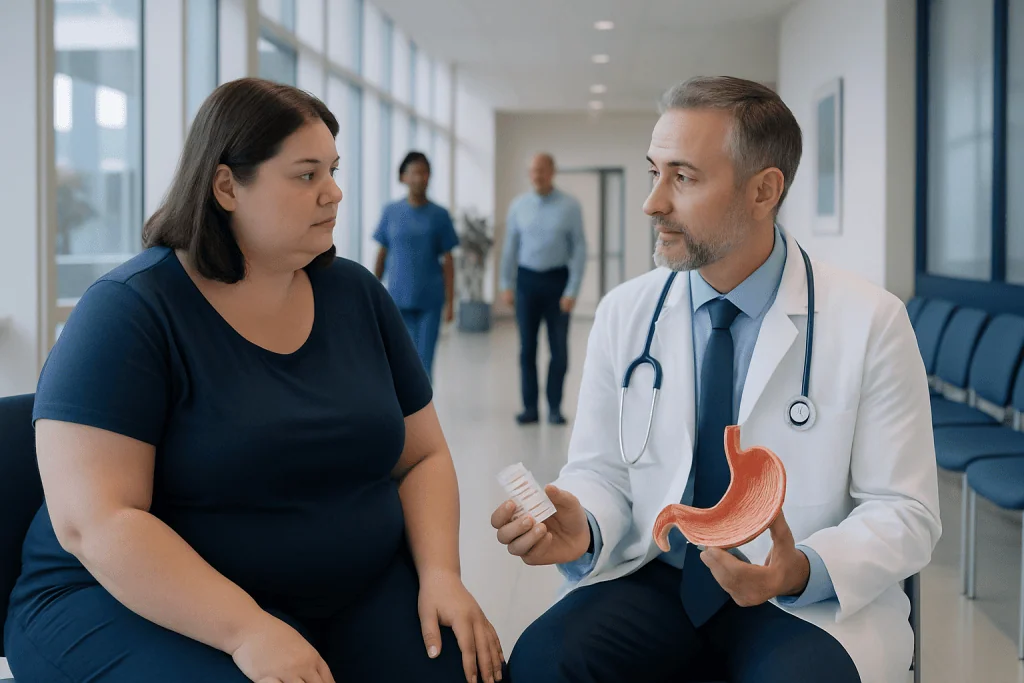
Sleeve gastrectomy is a surgical procedure that reduces stomach size and affects appetite-related hormones; weight loss medications work through hormonal, appetite, or absorption pathways. Surgery often provides more powerful and durable weight loss for people with severe obesity, while medications may be preferred by patients who are not ready for or not eligible for surgery.
Key Takeaways
- Sleeve gastrectomy is a surgical procedure that reduces stomach size and affects appetite-related hormones; weight loss medications work through hormonal, appetite, or absorption pathways.
- Surgery often provides more powerful and durable weight loss for people with severe obesity, while medications may be preferred by patients who are not ready for or not eligible for surgery.
- Both options require long-term lifestyle support, nutrition planning, follow-up visits, and monitoring for side effects or complications.
- Weight loss medications may need to be continued long term to maintain results, while sleeve gastrectomy is permanent and requires lifelong nutritional awareness.
- The best choice depends on BMI, obesity-related conditions, previous weight loss attempts, medication tolerance, surgical risk, pregnancy plans, and personal preferences.
Sleeve gastrectomy and modern weight loss medications can both support significant weight management, but they work in different ways and suit different patient needs. A careful medical assessment helps determine which option is safest, most effective, and most realistic for long-term health.
Overview: Two Different Paths to Weight Loss
Sleeve gastrectomy and weight loss medications are both evidence-based options for people living with obesity, but they are not interchangeable. Sleeve gastrectomy is a type of sleeve gastrectomy surgery in which a large portion of the stomach is removed, leaving a smaller, sleeve-shaped stomach. This limits meal size and also changes signals between the gut, brain, and metabolism that influence hunger and fullness.
Weight loss medications, including newer injectable medicines and some oral options, help reduce appetite, improve satiety, alter metabolic signals, or reduce fat absorption. They do not change the anatomy of the digestive system. For some patients, medication can be a first step, a bridge to surgery, or a long-term treatment; for others, surgery may offer the strongest chance of meaningful weight loss and improvement in obesity-related conditions.
Both approaches work best when combined with medical nutrition therapy, physical activity suited to the person’s abilities, sleep and stress support, and regular follow-up. The decision is not simply a choice between surgery and a prescription. It is a shared medical decision based on health status, goals, safety, access, and the likelihood of maintaining benefits over time.
How Sleeve Gastrectomy Works
Sleeve gastrectomy is usually performed with minimally invasive techniques as part of modern bariatric surgery. The stomach is reshaped into a narrow tube, which reduces the amount of food a person can comfortably eat at one time. Many patients also notice reduced hunger because the operation affects hormones involved in appetite regulation.
The procedure is permanent. Unlike a temporary device or a medication that can be stopped, the removed portion of the stomach cannot be restored. This is one reason careful preparation is essential. Before surgery, patients typically undergo nutritional, psychological, medical, and anesthetic evaluation to confirm that surgery is appropriate and to identify risks that can be reduced before the operation.
After surgery, eating patterns change gradually. Patients usually progress from liquids to soft foods and then to small, balanced meals under clinical guidance. Long-term success depends on protein intake, hydration, mindful eating, avoidance of frequent high-calorie liquids or snacks, and regular monitoring for vitamin and mineral needs. Some people need supplements, and all patients need follow-up to help prevent deficiencies and manage symptoms such as reflux or intolerance to certain foods.
How Weight Loss Medications Work
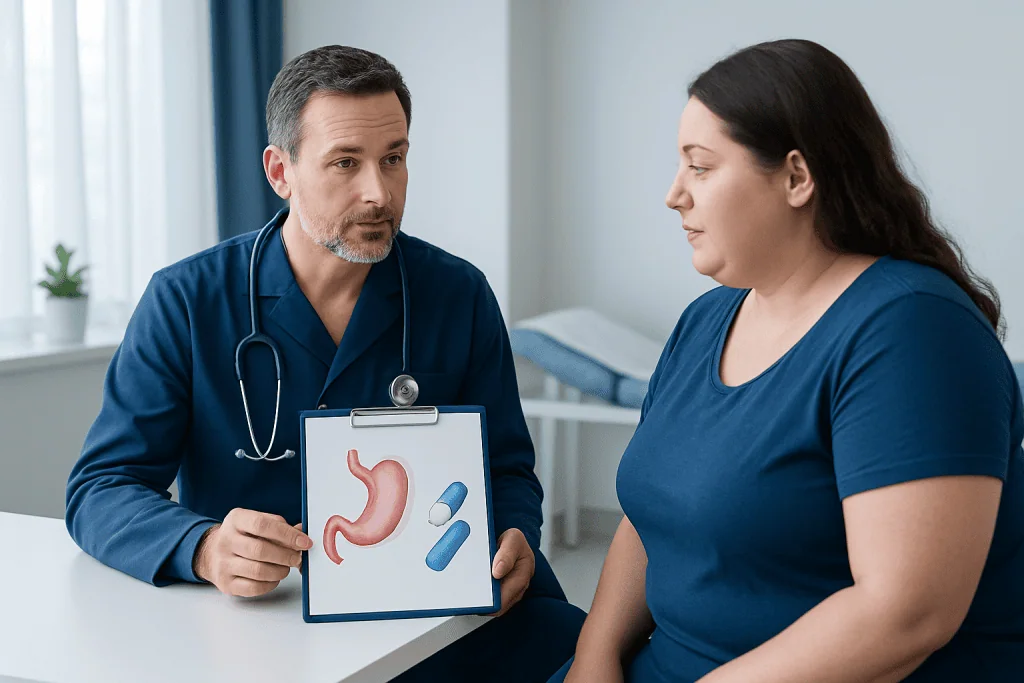
Prescription weight loss medications are used to support people with obesity or overweight with weight-related health problems, depending on local approval criteria and individual medical history. Some of the most discussed medications act on gut hormone pathways, such as GLP-1 receptor agonists or dual hormone-based medicines. These treatments can reduce appetite, slow stomach emptying, and help a person feel full sooner.
Other medications work differently, such as reducing fat absorption in the intestine or acting on appetite pathways in the brain. The best choice depends on medical conditions, other medicines, side effect risk, pregnancy plans, and contraindications. A doctor should review personal and family history before prescribing, because some medications are not suitable for people with certain endocrine conditions, pancreatitis history, severe gastrointestinal disease, or pregnancy.
Medication treatment requires ongoing follow-up. Side effects may include nausea, vomiting, constipation, diarrhea, reflux symptoms, abdominal discomfort, or changes in blood sugar, depending on the medicine. Some effects improve with time or dose adjustment, but persistent symptoms should be discussed with the prescribing clinician. If medication is stopped, weight regain can occur, so the long-term plan should be discussed before starting.
Benefits: What Each Option May Offer
Sleeve gastrectomy can produce substantial weight loss and may improve obesity-related conditions such as type 2 diabetes, high blood pressure, sleep apnea, fatty liver disease, joint pain, and reduced mobility. It may be especially relevant for people with more severe obesity or for those who have not achieved sufficient results with lifestyle changes and medication. Because it changes stomach anatomy and appetite signals, it can provide a powerful tool for long-term weight management when follow-up is consistent.
Weight loss medications offer an option that does not require an operation. They can be started, adjusted, or stopped under medical supervision, which may feel more acceptable to patients who are not ready for surgery or who have medical reasons to avoid an operation. Medication can also be useful for people who need to lose weight before another procedure, who have a lower BMI with weight-related complications, or who prefer a reversible treatment path.
Both options can improve health beyond the number on the scale. Even moderate weight loss may support better blood sugar control, mobility, sleep, blood pressure, and quality of life. The most meaningful benefits usually occur when the chosen treatment is part of comprehensive obesity care that addresses eating patterns, physical activity, emotional health, medications that may promote weight gain, and long-term relapse prevention.
Limits and Practical Considerations
Sleeve gastrectomy is not a quick fix. It requires preparation, an operation, recovery time, and lifelong changes in eating behavior. Some patients experience reflux after surgery, and others may develop vomiting, food intolerance, dehydration, gallstones during rapid weight loss, or nutritional deficiencies if follow-up is poor. Rare but serious surgical complications can include bleeding, infection, narrowing, or leakage from the staple line, which is why experienced surgical care and close monitoring matter.
Weight loss medications also have limits. Some patients do not lose enough weight, cannot tolerate side effects, have contraindications, or face cost and availability barriers. Many medicines work only while they are being taken, so stopping treatment may lead to weight regain. For patients with severe obesity or advanced obesity-related disease, medication alone may not provide enough benefit, although it may still have a role in a broader plan.
Practical questions are important. Patients should consider how often they can attend follow-up, whether they can maintain protein-focused meals after surgery, whether they are comfortable with injections if prescribed, and whether long-term medication access is realistic. The best treatment is not only medically effective; it also needs to fit the person’s health needs, daily life, values, and ability to continue care over time.
Safety: Comparing Risks and Monitoring
Safety profiles differ because surgery and medication affect the body in different ways. Sleeve gastrectomy carries surgical and anesthesia-related risks, particularly in people with complex medical conditions. However, careful preoperative assessment, minimally invasive techniques, and structured follow-up help reduce risks and support recovery. Patients are usually advised about eating progression, hydration, warning symptoms, and the need for long-term nutritional checks.
Weight loss medications avoid surgical risks but can still cause clinically important side effects. Gastrointestinal symptoms are common with several newer treatments. Rare complications, medication interactions, changes in blood sugar, gallbladder problems, or concerns related to specific medical histories must be considered. People with diabetes may need closer monitoring because weight loss and appetite changes can affect glucose levels and diabetes medication needs.
Patients should not use prescription weight loss medications without medical supervision or obtain them from unverified sources. They should also avoid comparing results with friends or online testimonials, because response varies widely. A safe plan includes baseline assessment, realistic goals, side effect management, review of other medications, and a plan for what happens if the treatment is ineffective or not tolerated.
Who May Be a Candidate?
Candidacy for sleeve gastrectomy is usually based on BMI, obesity-related diseases, previous weight loss attempts, and overall surgical fitness. Many guidelines consider metabolic and bariatric surgery for people with higher BMI levels, especially when conditions such as type 2 diabetes, hypertension, sleep apnea, or fatty liver disease are present. Some patients with lower BMI and significant metabolic disease may also be considered, depending on guidelines and specialist assessment.
Weight loss medications are often considered for adults with obesity or for those who are overweight and have weight-related health conditions, depending on the medication and local regulations. They may be appropriate for patients who prefer non-surgical treatment, need additional help after lifestyle therapy, or are seeking weight reduction before surgery. They may not be suitable during pregnancy, while trying to conceive without medical advice, or in certain medical histories specific to each drug.
A complete evaluation may include weight history, eating patterns, mental health screening, current medicines, blood tests, sleep apnea evaluation, diabetes and cardiovascular risk assessment, and discussion of previous treatments. For international patients, Acibadem International’s multidisciplinary specialists and JCI-accredited hospitals can provide assessment and treatment planning for obesity and related conditions, including surgical and non-surgical options, when appropriate.
When to See a Doctor and How to Decide
A person should speak with a qualified doctor if weight is affecting blood sugar, blood pressure, sleep, joints, fertility, liver health, breathing, mobility, or emotional well-being. Medical advice is also important if previous weight loss attempts have led to repeated weight regain, if appetite feels difficult to control, or if the person is considering online medications, injections, or surgery abroad. Professional assessment helps distinguish safe options from approaches that may be ineffective or risky.
The decision between surgery and medication should be made through shared decision-making. Useful questions include: What amount of weight loss is medically needed? Which obesity-related conditions need improvement? What are the risks of surgery for this patient? Is long-term medication treatment affordable and available? How will nutrition, activity, and emotional support be maintained?
Patients should seek prompt medical care if they are already using weight loss medication and develop severe or persistent abdominal pain, repeated vomiting, dehydration, fainting, or symptoms of low blood sugar. After sleeve gastrectomy, urgent evaluation is needed for worsening abdominal pain, fever, rapid heartbeat, difficulty drinking, chest pain, shortness of breath, black stools, or repeated vomiting. These symptoms do not mean a serious problem is certain, but they should be assessed without delay.
Frequently asked questions
Is sleeve gastrectomy more effective than weight loss medication?
For many people with severe obesity, sleeve gastrectomy tends to produce larger and more durable weight loss than medication alone. However, individual results vary, and some patients respond very well to medications. The most appropriate option depends on BMI, health conditions, treatment goals, and safety considerations.
Can weight loss medications replace bariatric surgery?
Medications can be an effective treatment for some patients and may delay or reduce the need for surgery in selected cases. For others, especially those with severe obesity or significant obesity-related disease, surgery may offer greater benefit. A specialist can help compare realistic outcomes for the individual patient.
Can medications be used after sleeve gastrectomy?
Yes, in some cases doctors may prescribe weight loss medications after bariatric surgery if weight loss is insufficient or if significant weight regain occurs. This should be done only after evaluating eating patterns, anatomy-related issues, nutrition, and other medical causes. Medication can be one part of a broader follow-up plan.
Is sleeve gastrectomy reversible?
No. Sleeve gastrectomy permanently removes part of the stomach, so it is not reversible in the way some temporary treatments are. This is why patients need careful counseling, nutritional education, and long-term follow-up before and after surgery.
Do weight loss medications need to be taken forever?
Some people may need long-term treatment to maintain weight loss, because obesity is a chronic condition and weight regain can occur after stopping medication. The decision to continue, pause, or change medication should be made with a doctor. Lifestyle support remains important whether medication is continued or not.
Which option is safer: surgery or medication?
Neither option is automatically safer for everyone. Surgery has operative and nutritional risks, while medications can have side effects, contraindications, and long-term access concerns. Safety depends on the patient’s medical history, the quality of follow-up, and choosing a treatment that matches the person’s health profile.
References
- World Health Organization
- American Society for Metabolic and Bariatric Surgery
- European Association for the Study of Obesity
- National Institute for Health and Care Excellence
- American Diabetes Association
This article is for general information only and is not a substitute for professional medical advice. Please consult a qualified doctor about your individual situation.
Sleeve Gastrectomy in Turkey — costs, top hospitals & a free quote
JCI-accredited · board-certified surgeons · reply within 24h
Check your numbers in seconds
BMI, calories, due date, blood pressure and 30+ more clinical calculators — free, instant, doctor-reviewed ranges.

Related Treatments
Related Conditions
More from the Health Library



Related Specialists

Prof. Dr. Tayfun Karahasanoğlu
General Surgery
Prof. Dr. Güralp Onur Ceyhan
General Surgery
Prof. Dr. Volkan Özben
General Surgery
Assoc. Prof. Dr. Halil Kara
General Surgery