Slipping Rib Syndrome: Diagnosis, Outlook, and Modern Treatment Approaches

Slipping rib syndrome is caused by abnormal movement of the lower ribs, usually the 8th to 10th ribs. Pain often feels sharp, clicking, or catching and may worsen with twisting, coughing, lifting, or certain positions.
Key Takeaways
- Slipping rib syndrome is caused by abnormal movement of the lower ribs, usually the 8th to 10th ribs.
- Pain often feels sharp, clicking, or catching and may worsen with twisting, coughing, lifting, or certain positions.
- Diagnosis is mainly based on history and physical examination, sometimes supported by dynamic ultrasound or diagnostic injections.
- Treatment usually starts with activity modification, pain relief, and physical therapy; some patients benefit from nerve blocks or surgery.
- The outlook is generally good when the condition is recognized and managed appropriately.
Slipping rib syndrome is a painful but often treatable cause of lower chest or upper abdominal discomfort. It happens when a lower rib becomes too mobile and irritates nearby tissues or nerves, and modern care can range from conservative measures to targeted procedures or surgery when needed.
Overview
Slipping rib syndrome is a condition in which one of the lower ribs moves more than it should and irritates the surrounding soft tissues or intercostal nerves. This usually involves the false ribs, most often the 8th, 9th, or 10th ribs, which are connected by cartilage rather than attaching directly to the breastbone. The result can be recurrent pain in the lower chest, upper abdomen, flank, or back.
For many people, the main issue is not a broken rib or a dangerous internal disease, but a mechanical problem: the rib tip shifts, catches, or “slips” during movement. Because symptoms can mimic muscle strain, gastrointestinal problems, or other causes of chest pain, the condition is often overlooked at first. Recognition matters, because once identified, slipping rib syndrome can often be managed effectively.
The condition may affect athletes, people who do repetitive twisting or lifting, and individuals after minor trauma, but it can also occur without a clear trigger. Some people notice a clicking or popping sensation; others feel only intermittent pain. Although the discomfort can be significant, the syndrome is usually benign, meaning it is not typically life-threatening.
Symptoms and How It Feels
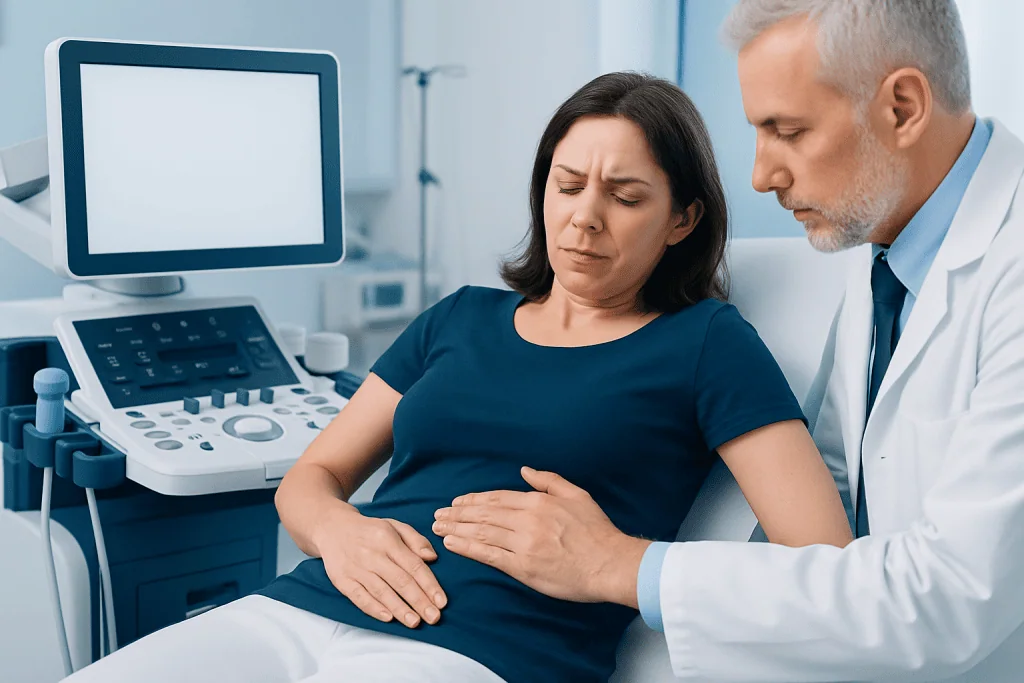
The most common symptom of slipping rib syndrome is pain in the lower chest or upper abdomen on one side, though it can occur on both sides. The pain may be sharp, stabbing, aching, or burning. Some patients describe a sudden catch with certain movements, followed by lingering soreness. Others feel a popping, clicking, or slipping sensation under the rib margin.
Symptoms often worsen with activities that move the rib cage, such as twisting, bending, reaching overhead, coughing, sneezing, deep breathing, laughing, or getting up from bed. In some people, lying in certain positions also triggers symptoms. Because the pain may radiate to the back, shoulder blade, or upper abdomen, it can be confused with costochondritis or other musculoskeletal causes of chest wall pain.
Common features may include:
- Tenderness along the lower rib edge
- Pain reproduced by pressure or certain movements
- A feeling of instability, clicking, or rib movement
- Intermittent symptoms that come and go
- Discomfort that limits sports, exercise, or daily activities
Symptoms vary from mild annoyance to persistent pain that affects sleep, work, or exercise. If chest pain is new, severe, or associated with shortness of breath, fainting, or other concerning symptoms, urgent medical assessment is important to rule out more serious conditions.
Why It Happens: Causes and Risk Factors

Slipping rib syndrome develops when the fibrous or cartilaginous attachments between the lower ribs become lax, irritated, or injured. This allows one rib tip to move excessively and sometimes slide under the rib above it. That movement can pinch or irritate an intercostal nerve, causing pain and a slipping or popping sensation.
In some people, the condition follows a direct blow to the chest, a sports injury, a sudden twist, repetitive overhead motion, or heavy lifting. In others, chronic coughing, intense exercise, or hypermobility may contribute. Occasionally, no single cause is found. The syndrome may be seen in younger active adults, but it can affect people of different ages.
Risk factors and contributing factors can include:
- Contact sports or activities involving rotation of the trunk
- Repetitive lifting, pulling, or overhead work
- Prior chest wall injury or strain
- Joint hypermobility or increased ligament laxity
- Persistent coughing that stresses the rib cage
It is important to distinguish slipping rib syndrome from other causes of chest and upper abdominal pain, including rib fracture, muscle injury, gallbladder disease, and lung or heart conditions. The cause is mechanical, but the pain can feel surprisingly widespread because of the nearby nerves and muscles.
How Doctors Diagnose Slipping Rib Syndrome
Diagnosis begins with a detailed history and physical examination. A doctor will ask when the pain occurs, what movements trigger it, whether there is clicking or popping, and whether there has been trauma or repetitive strain. A careful exam of the chest wall often provides the strongest clues, especially when symptoms can be reproduced by pressing on the lower rib margin or by certain positioning maneuvers.
One classic bedside assessment is the “hooking maneuver,” in which a clinician gently lifts under the lower rib margin to see whether this reproduces the typical pain or slipping sensation. Not every patient needs this exact maneuver, and doctors may use other examination methods that are more comfortable. The key is to identify abnormal mobility and to match the examination findings to the person’s symptom pattern.
Imaging is sometimes used to exclude other problems rather than to prove the diagnosis. Standard X-rays may look normal because the issue is movement, not always a visible structural change. In selected cases, dynamic ultrasound can help show rib motion during breathing or movement. If there is uncertainty, doctors may also consider other tests to rule out heart, lung, abdominal, or spinal causes of pain, including evaluation for conditions such as scoliosis when posture or spine alignment may be contributing to chest wall strain.
A diagnostic local anesthetic injection near the painful rib or intercostal nerve can sometimes help confirm the source of pain. If the symptoms improve clearly after the injection, that supports the diagnosis and may also provide temporary relief.
Modern Treatment Approaches
Treatment depends on symptom severity, how long the pain has been present, and whether conservative care has helped. Many people start with non-surgical treatment. This often includes avoiding provoking movements for a period of time, using pain-relief measures as advised by a doctor, and gradually returning to activity. Physical therapy may help improve posture, breathing mechanics, trunk stability, and muscle balance around the chest and core.
When pain persists, image-guided injections may be considered. These can include local anesthetic with or without anti-inflammatory medication around the painful rib articulation or intercostal nerve. In some cases, specialists may discuss targeted pain procedures to calm chronic nerve irritation. Depending on the broader pain pattern, a care team may also evaluate whether approaches used in pain management can support recovery.
If symptoms remain severe, recurrent, or disabling despite conservative treatment, surgery may be an option. Surgical treatment aims to stabilize or remove the problematic rib segment and prevent ongoing nerve irritation. The exact technique depends on the anatomy and the surgeon’s assessment. This is typically considered after a careful clinical workup and when the diagnosis is clear. For patients whose symptoms overlap with other chest wall or nerve-related conditions, coordinated evaluation with specialists in thoracic surgery or orthopedics and traumatology may be appropriate.
Outcomes are often favorable when treatment is matched to the individual problem. Some people improve with rest and rehabilitation alone, while others need a procedural or surgical solution to achieve durable relief.
Recovery, Prevention, and Self-care
Recovery varies by person and by treatment type. With conservative care, improvement may come gradually over weeks to months, especially if symptom triggers are identified and reduced. After an injection or surgery, the care team usually recommends a stepwise return to movement so the chest wall can settle and strength can be rebuilt safely.
Self-care focuses on reducing mechanical stress on the lower ribs. Helpful strategies may include modifying activities that involve heavy lifting, repeated twisting, or forceful overhead motion. Good posture, paced breathing during exercise, and core strengthening under professional guidance may also reduce strain on the rib cage. Heat or ice may help some people, depending on what feels best and what a clinician recommends.
General prevention is not always possible, especially when hypermobility is a factor, but the following steps may lower the chance of flare-ups:
- Warm up before sports or strenuous activity
- Use proper lifting technique
- Address chronic cough with medical advice
- Build trunk and shoulder stability gradually
- Avoid pushing through sharp, reproducible rib pain
People with ongoing or recurrent symptoms benefit from a structured plan rather than repeated rest alone. Toward the end of evaluation and treatment, some international patients choose centers such as Acibadem International, where multidisciplinary specialists in JCI-accredited hospitals assess chest wall pain and related conditions in a coordinated way.
When to Seek Medical Care
Medical review is appropriate if lower chest or upper abdominal pain keeps returning, limits movement, or is associated with a popping or slipping sensation. Care is also important if symptoms begin after trauma, if home measures are not helping, or if pain interferes with sleep, work, exercise, or daily tasks. A proper evaluation can help distinguish slipping rib syndrome from other causes of chest wall pain and guide effective treatment.
Urgent medical care is needed if chest pain is accompanied by shortness of breath, fainting, severe pressure-like pain, bluish lips, significant injury, fever, or new neurologic symptoms. These features are not typical of slipping rib syndrome and should not be assumed to be harmless. When in doubt, it is safest to seek prompt professional assessment.
Frequently asked questions
Is slipping rib syndrome dangerous?
Slipping rib syndrome is usually not dangerous, but it can be painful and disruptive. The main concern is making sure the pain is not coming from the heart, lungs, abdomen, or a serious injury. A doctor can help confirm the diagnosis and rule out other causes.
Can slipping rib syndrome show up on an X-ray?
Often, a standard X-ray is normal because the problem is abnormal rib movement rather than a clearly visible fracture or deformity. Diagnosis is usually based on symptoms and physical examination. In some cases, dynamic ultrasound can provide additional support.
Does slipping rib syndrome go away on its own?
Some people improve with rest, activity changes, and time, especially if symptoms are mild or recent. Others continue to have recurrent pain because the rib remains overly mobile. If symptoms persist, medical treatment or a procedure may be needed.
What movements make slipping rib syndrome worse?
Twisting, bending, lifting, reaching overhead, coughing, sneezing, and deep breathing often make symptoms worse. Some people also notice pain when getting out of bed or lying on one side. Keeping track of triggers can help guide treatment and self-care.
How is slipping rib syndrome treated without surgery?
Non-surgical treatment may include temporary activity modification, clinician-guided pain relief, physical therapy, and sometimes targeted injections. The goal is to reduce irritation, improve chest wall mechanics, and allow the area to settle. Many patients improve with this stepwise approach.
When is surgery considered for slipping rib syndrome?
Surgery is usually considered when symptoms are severe, clearly diagnosed, and not controlled with conservative treatment. The procedure is aimed at stabilizing or removing the problematic rib segment. A specialist will discuss whether the expected benefits outweigh the risks in an individual case.
References
- National Institute of Arthritis and Musculoskeletal and Skin Diseases
- American Academy of Orthopaedic Surgeons
- American College of Radiology
- MedlinePlus
- National Library of Medicine
This article is for general information only and is not a substitute for professional medical advice. Please consult a qualified doctor about your individual situation.
Explore treatments in Turkey — costs, top hospitals & a free quote
JCI-accredited · board-certified surgeons · reply within 24h
Add us as a Preferred Source to see more of our trusted health content across Google Search, AI Overviews and Discover.