

Small Intestine — Explained by Medical Evidence, Not Myths
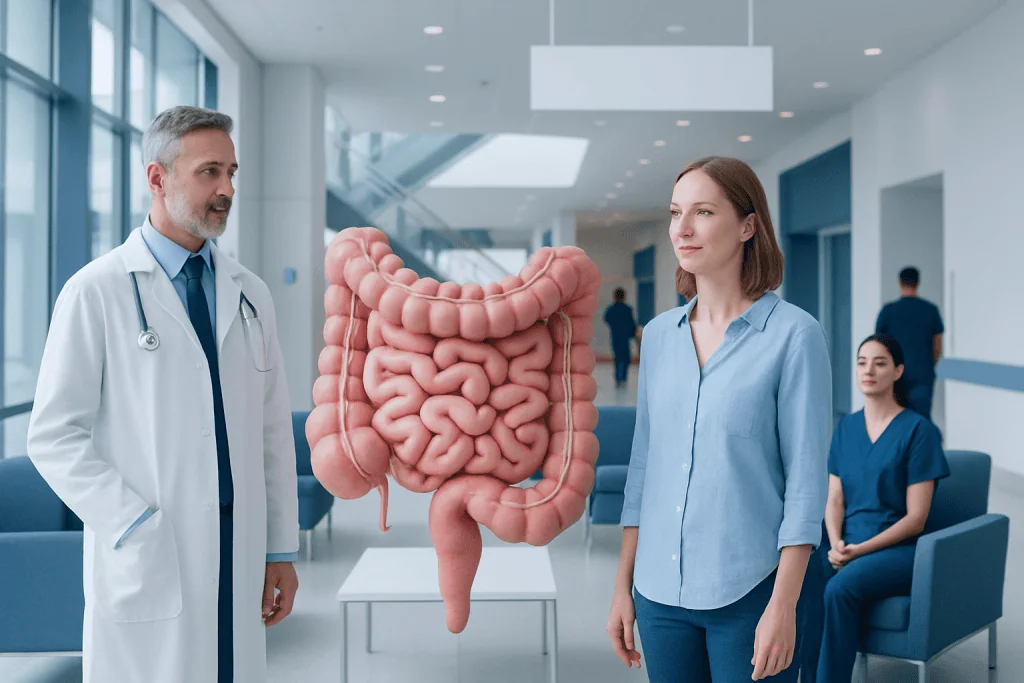
The small intestine digests food further and absorbs nutrients, water, vitamins, and minerals. Symptoms related to the small intestine can include pain, bloating, diarrhea, weight loss, anemia, or poor nutrition.
Key Takeaways
- The small intestine digests food further and absorbs nutrients, water, vitamins, and minerals.
- Symptoms related to the small intestine can include pain, bloating, diarrhea, weight loss, anemia, or poor nutrition.
- Problems may result from inflammation, infection, celiac disease, obstruction, ulcers, reduced blood flow, or tumors.
- Diagnosis often combines medical history, blood and stool tests, imaging, and sometimes endoscopy or biopsy.
- Treatment depends on the cause and may include dietary changes, medicines, nutritional support, or surgery.
- Persistent symptoms, bleeding, severe pain, dehydration, or unexplained weight loss should be medically assessed.
The small intestine is a long, folded part of the digestive tract where most digestion and nearly all nutrient absorption take place. Understanding how it works, what symptoms may signal a problem, and how doctors evaluate it helps separate medical facts from common myths.
What the Small Intestine Does
The small intestine is the part of the digestive system that does most of the body’s detailed digestive work. After food leaves the stomach, it enters the small intestine, where digestive enzymes and bile help break it down further so the body can absorb proteins, fats, carbohydrates, vitamins, minerals, and much of the water it needs.
Although it is called “small,” the small intestine is long and highly specialized. Its inner surface has folds, villi, and microscopic structures that greatly increase the area available for absorption. This efficient design allows nutrients to pass into the bloodstream and lymphatic system, where they can be used for energy, growth, tissue repair, and immune function.
The small intestine has three sections: the duodenum, jejunum, and ileum. The duodenum receives food from the stomach and mixes it with digestive juices from the pancreas and liver. The jejunum and ileum continue digestion and absorb most nutrients, with the ileum playing an especially important role in absorbing vitamin B12 and bile salts.
How the Small Intestine Fits Into Digestion
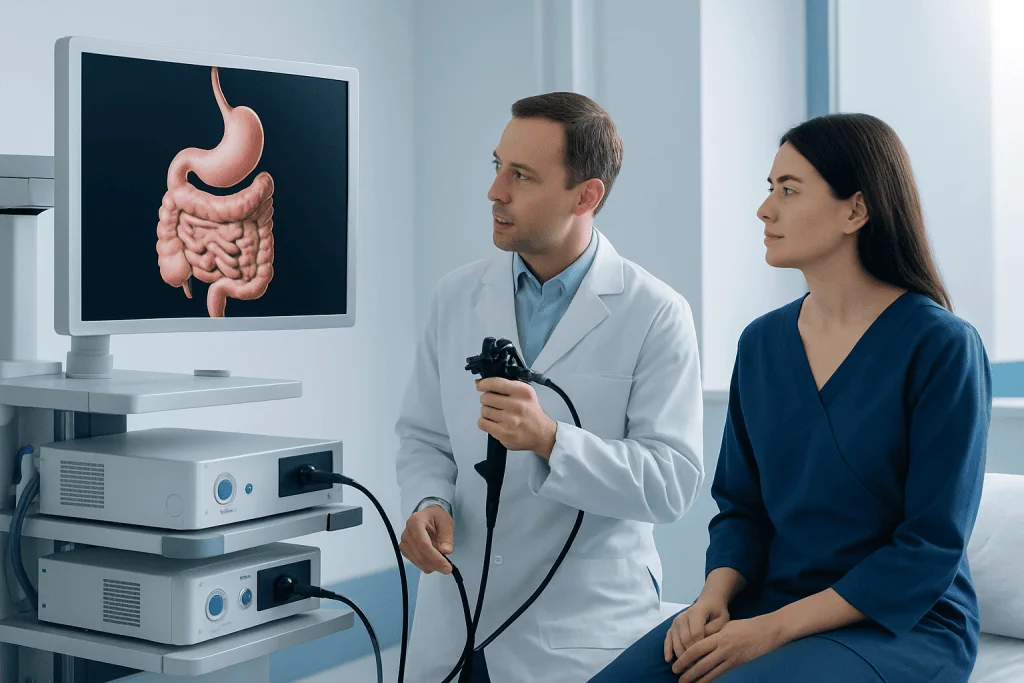
Digestion is a coordinated process rather than a single organ working alone. The stomach begins the breakdown of food, but the small intestine completes much of the chemical digestion. It depends on pancreatic enzymes to digest fats, proteins, and carbohydrates, and on bile from the liver and gallbladder to help emulsify fats.
The small intestine also moves food forward through rhythmic muscle contractions called peristalsis. This motion allows enough time for digestion and absorption while steadily pushing contents toward the large intestine. When this movement is disrupted, a person may develop symptoms such as cramping, bloating, nausea, diarrhea, or constipation.
Because it is central to nutrient absorption, even mild small intestine disease can affect the whole body. A person may not only develop digestive symptoms but also signs of poor absorption, such as tiredness, low iron, vitamin deficiencies, unintended weight loss, brittle nails, or bone weakness over time.
Some digestive conditions involve the small intestine directly, while others affect it indirectly. For example, chronic inflammatory disorders such as Crohn’s disease may involve the small bowel, and reduced digestive enzyme delivery from the pancreas can also impair its normal work.
Symptoms That May Suggest a Small Intestine Problem
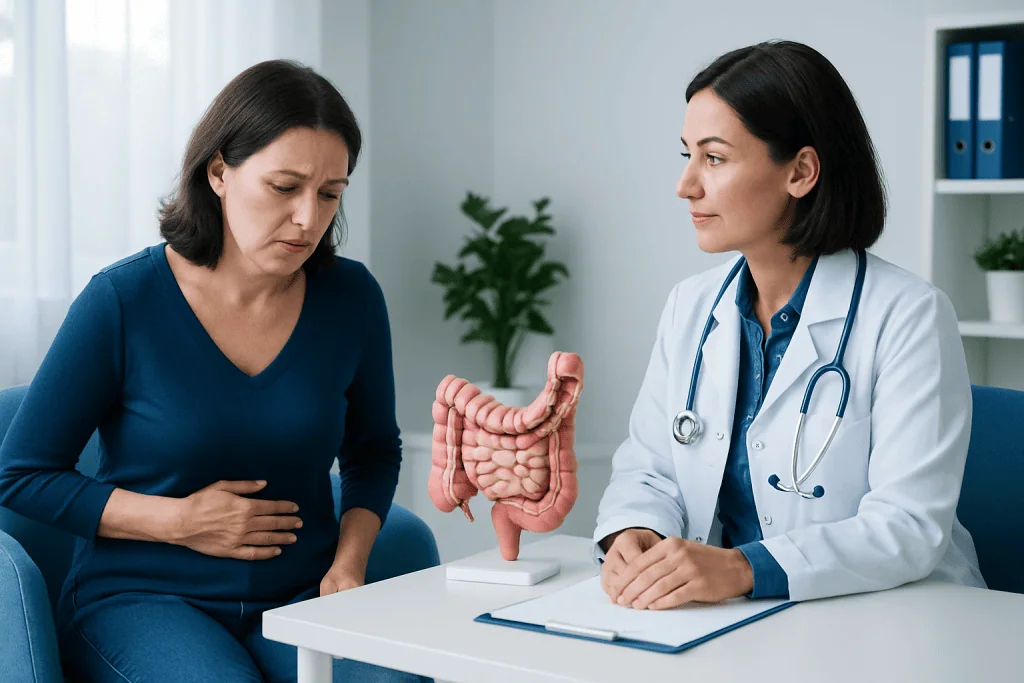
Symptoms linked to the small intestine are often non-specific, which is one reason myths and misunderstandings are common. Many people assume every digestive complaint starts in the stomach, but small intestine conditions can cause abdominal pain, bloating, gas, diarrhea, nausea, or a feeling of fullness after eating. The discomfort may be intermittent or persistent depending on the cause.
Malabsorption is an important clue. If the small intestine is not absorbing nutrients properly, a person may notice unexplained weight loss, fatigue, weakness, anemia, pale stools, greasy stools, swelling, or signs of vitamin deficiency. In children, poor growth or delayed development can sometimes point to a small intestine disorder.
Symptoms that deserve careful evaluation include:
- Persistent diarrhea or recurring abdominal pain
- Blood in the stool or black, tarry stool
- Ongoing bloating with weight loss
- Unexplained iron deficiency or vitamin deficiencies
- Vomiting, especially if severe or recurrent
- Fever along with digestive symptoms
These symptoms do not always mean there is serious disease, but they should not be dismissed. Conditions affecting the small intestine can overlap with stomach, colon, gallbladder, pancreas, and systemic illnesses, so a structured medical assessment is important.
Common Causes and Disorders
The small intestine can be affected by many different disorders. Inflammatory conditions include celiac disease, in which the immune system reacts to gluten and damages the intestinal lining, and inflammatory bowel disease, especially Crohn’s disease. Infections from bacteria, viruses, or parasites may also affect the small intestine and lead to diarrhea, cramping, and dehydration.
Other causes include ulcers in the upper small intestine, medication-related irritation, food intolerances, reduced blood supply, and structural problems such as narrowing, adhesions, or obstruction. A blockage may happen from scar tissue after surgery, hernias, inflammatory disease, or, less commonly, tumors. Some people also develop bacterial overgrowth, in which excess bacteria in the small intestine interfere with normal digestion and absorption.
Tumors of the small intestine are less common than those of the colon, but they can occur. These may be benign or malignant and may not cause symptoms early on. When symptoms do appear, they can include bleeding, anemia, abdominal pain, obstruction, or weight loss. If a suspicious growth is found, specialist evaluation is important, including assessment for possible digestive tract cancers when clinically relevant.
Doctors also consider nearby organs when evaluating small intestine symptoms. Problems with digestive secretions may contribute to symptoms, and in selected cases treatment may involve advanced procedures such as endoscopy or gastroenterology and hepatology care as part of a broader plan.
How Doctors Diagnose Small Intestine Conditions
Diagnosis begins with a careful review of symptoms, diet, medications, medical history, and family history. The timing and pattern of symptoms can be very useful. For example, chronic diarrhea with anemia may suggest malabsorption, while sudden severe pain with vomiting may raise concern for obstruction or reduced blood flow.
Blood tests can help check for anemia, inflammation, infection, dehydration, vitamin deficiencies, and markers of celiac disease. Stool tests may be used to look for infection, inflammation, bleeding, or evidence of poor digestion. These tests do not always identify the exact cause, but they can guide the next steps.
Imaging studies often play an important role. Depending on the symptoms, doctors may use ultrasound, CT, MRI, or special contrast studies to examine the bowel. Endoscopic procedures can directly evaluate certain parts of the digestive tract and allow biopsies if needed. Tissue samples are often essential when celiac disease, inflammatory disorders, or tumors are being considered.
In more complex cases, a specialist may recommend advanced testing to examine areas of the small intestine that are harder to reach. The goal is not simply to label symptoms, but to identify the underlying process so treatment can be tailored accurately and safely.
Treatment Options and Supportive Care
Treatment for a small intestine problem depends entirely on the cause. Infections may improve with hydration and supportive care, while some require specific antimicrobial treatment. Celiac disease is managed with a strict gluten-free diet. Inflammatory conditions may need medicines to reduce immune-driven inflammation and help the bowel heal.
When symptoms are related to ulcers, irritation, or digestive imbalance, treatment may involve changes to medications, acid control, nutritional adjustments, or management of related conditions. If a person has significant malabsorption, doctors may recommend vitamin and mineral replacement, specialized nutrition plans, or temporary nutritional support until the intestine recovers.
Structural problems may require procedures or surgery. Obstruction, severe narrowing, uncontrolled bleeding, or certain tumors may need operative treatment. In some situations, minimally invasive techniques are suitable; in others, more extensive surgery is necessary. If surgery is advised, options may be discussed within experienced general surgery and digestive care teams.
For international patients seeking evaluation, Acibadem International’s multidisciplinary specialists and JCI-accredited hospitals diagnose and treat small intestine conditions using coordinated medical, endoscopic, imaging, and surgical expertise when appropriate.
Prevention, Diet, and Everyday Self-Care
Not every small intestine disorder can be prevented, but healthy habits support digestive function and may reduce some risks. Good food hygiene, handwashing, safe water, and careful preparation of high-risk foods help lower the chance of intestinal infections. Avoiding unnecessary use of certain medications and discussing side effects with a clinician can also protect the digestive tract.
Nutrition matters, but “gut health” advice online is often oversimplified. There is no single food or supplement that cleanses or repairs the small intestine for everyone. A balanced diet that includes fiber as tolerated, adequate fluids, and enough protein, vitamins, and minerals is usually more helpful than restrictive trends unless a doctor has identified a specific condition such as celiac disease or a food intolerance.
People with ongoing symptoms should avoid self-diagnosing based on internet myths. Keeping a symptom and food diary may help reveal patterns, but persistent symptoms should still be evaluated professionally. When medically advised, targeted approaches such as gluten avoidance, lactose restriction, or nutritional supplementation can be useful, but only when matched to the right diagnosis.
Recovery from a small intestine problem may also involve rest, rehydration, gradual return to normal eating, and follow-up testing. Ongoing monitoring is especially important when the condition affects nutrition, growth, inflammation, or the risk of complications.
When to Seek Medical Care
Many digestive symptoms are temporary, but some require prompt medical attention. Medical care should be sought urgently for severe or worsening abdominal pain, repeated vomiting, signs of dehydration, fainting, persistent fever, blood in the stool, black stool, or a swollen abdomen that is painful or firm. These symptoms can suggest obstruction, significant bleeding, infection, or other conditions that should not be managed at home.
A planned medical appointment is also important for symptoms that continue beyond a short-lived stomach upset. Ongoing diarrhea, recurring cramping, unexplained weight loss, low iron, fatigue, poor appetite, or symptoms that regularly return after meals deserve evaluation. Early assessment can help identify treatable causes before complications such as nutrient deficiencies or dehydration develop.
People with known digestive conditions should seek advice if symptoms change, become more frequent, or stop responding to their usual plan. Children, older adults, pregnant people, and anyone with a weakened immune system may need assessment sooner because they can become dehydrated or nutritionally affected more quickly.
Frequently asked questions
What is the main function of the small intestine?
The small intestine is the main place where food is chemically broken down and nutrients are absorbed into the body. It works with bile from the liver and enzymes from the pancreas to absorb proteins, fats, carbohydrates, vitamins, minerals, and water.
Can small intestine problems cause symptoms outside the digestive system?
Yes. Because the small intestine is responsible for nutrient absorption, problems there can lead to fatigue, anemia, weight loss, vitamin deficiencies, bone weakness, or poor growth in children. Sometimes these signs appear before obvious digestive symptoms do.
How do doctors check the small intestine?
Doctors usually begin with a medical history, physical examination, and blood or stool tests. Depending on the suspected cause, they may also use imaging studies, endoscopy, or biopsy to look more closely at the bowel and confirm a diagnosis.
Is bloating always a sign of small intestine disease?
No. Bloating is common and can come from diet, swallowing air, constipation, food intolerance, stomach disorders, or bowel conditions. If bloating is persistent, painful, or linked with weight loss, diarrhea, vomiting, or anemia, medical evaluation is recommended.
Can the small intestine heal after illness or inflammation?
In many cases, yes. The lining of the small intestine can recover well when the cause is identified and treated, such as removing gluten in celiac disease or treating an infection. Recovery time varies depending on the condition, severity, nutrition status, and overall health.
When is surgery needed for a small intestine condition?
Surgery is not needed for most minor digestive complaints, but it may be necessary for obstruction, severe narrowing, uncontrolled bleeding, perforation, or certain tumors. The decision depends on the diagnosis, the urgency of the situation, and whether less invasive treatments are appropriate.
References
- National Institute of Diabetes and Digestive and Kidney Diseases
- National Health Service
- Mayo Clinic
- Merck Manual Consumer Version
- American College of Gastroenterology
This article is for general information only and is not a substitute for professional medical advice. Please consult a qualified doctor about your individual situation.
Persistent digestive symptoms? Get evaluated in Turkey
JCI-accredited · board-certified surgeons · reply within 24h
Add us as a Preferred Source to see more of our trusted health content across Google Search, AI Overviews and Discover.

More from the Health Library



Related Specialists
Assoc. Prof. Dr. Hasan Üstün
Medical Oncology
Fzt. A.Sercan Soyarslan
Physical Medicine & Rehabilitation
Assoc. Prof. Dr. Işıl Fazilet Kartaloğlu
Physical Medicine & Rehabilitation
Dr. Mehmet Fatih Korkmaz
General Surgery