Sneakers Diabetes: What Patients Need to Know

People with diabetes should choose sneakers that fit well, cushion the foot, and reduce rubbing. Poorly fitting shoes can contribute to blisters, calluses, ulcers, and infection, especially when nerve damage is present.
Key Takeaways
- People with diabetes should choose sneakers that fit well, cushion the foot, and reduce rubbing.
- Poorly fitting shoes can contribute to blisters, calluses, ulcers, and infection, especially when nerve damage is present.
- Daily foot checks and prompt care for cuts, redness, or swelling are an important part of diabetes self-care.
- Some people benefit from medical assessment, custom insoles, or specialist footwear.
- Footwear supports prevention, but blood sugar management and routine medical care remain essential.
Sneakers diabetes usually refers to choosing sneakers and everyday footwear that help protect the feet in people with diabetes. The right shoes cannot treat diabetes itself, but they can lower the risk of pressure points, blisters, wounds, and complications when paired with regular foot care and medical follow-up.
Overview: What “sneakers diabetes” means
Sneakers diabetes is not a medical diagnosis. It is a common search term people use when looking for sneakers or everyday shoes that are safer and more comfortable for someone living with diabetes. The main goal is to protect the feet from friction, pressure, and injury, because diabetes can make even small foot problems harder to notice and slower to heal.
Diabetes may affect the nerves, blood vessels, skin, and immune response. Over time, this can lead to reduced sensation in the feet, dry skin, poor circulation, or a greater risk of infection. Because of these changes, footwear becomes more than a comfort issue. A shoe that is too tight, too loose, or poorly shaped can contribute to blisters, calluses, ulcers, and other complications.
For many patients, well-chosen sneakers are a practical everyday option. They often provide cushioning, shock absorption, a stable sole, and room for the toes. However, the best choice depends on the person’s foot shape, activity level, circulation, skin condition, and whether there is nerve damage or a history of ulcers.
Why footwear matters in diabetes
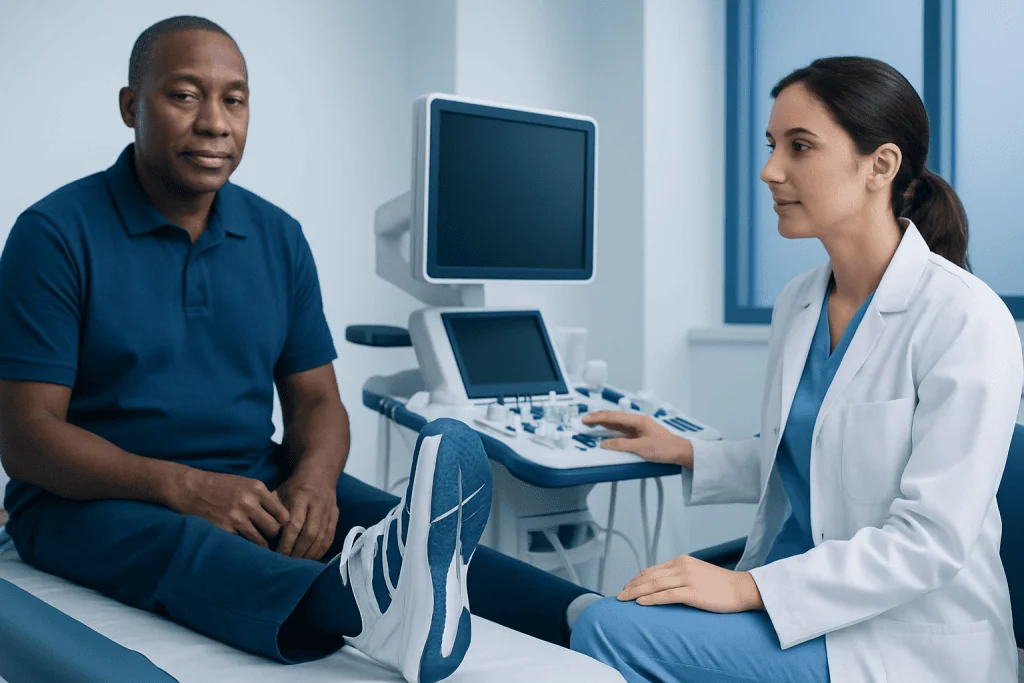
Healthy feet depend on a balance of sensation, blood flow, skin integrity, and pressure distribution. Diabetes can affect all of these. When feeling is reduced due to peripheral neuropathy, a person may not notice a seam rubbing the skin, a small stone inside the shoe, or a blister forming after a long walk. A minor problem can then become more serious before it is detected.
Reduced circulation may also slow healing. If the skin breaks down, the area may receive less oxygen and fewer nutrients, which can delay recovery. At the same time, high blood sugar can make infections more likely and harder to control. This is one reason clinicians place strong emphasis on prevention through proper footwear and daily foot inspection.
Sneakers can help by spreading pressure more evenly across the foot, supporting the arch and heel, and reducing repetitive impact. They are especially useful for people who spend long periods walking or standing. In patients with known diabetic foot problems, footwear choices may need to be more individualized and guided by a foot specialist.
What to look for in sneakers if someone has diabetes
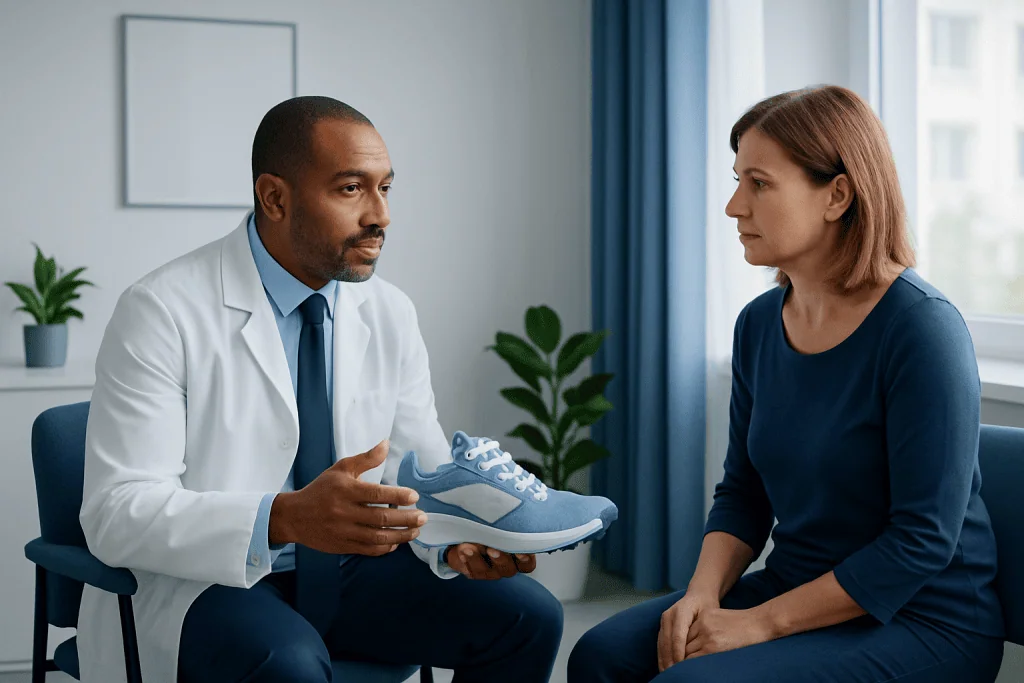
The best sneakers for a person with diabetes usually have a wide, deep toe box so the toes are not squeezed. They should feel secure around the heel without slipping, and they should not create tight pressure across the forefoot or instep. The upper material should be soft and breathable, and the inside should be smooth, with minimal seams that could rub against the skin.
Cushioning and sole design also matter. A moderately cushioned sole can reduce impact during walking, while a stable outsole can improve balance and reduce uneven pressure. Some people benefit from removable insoles, which allow room for prescribed orthotics or extra-depth inserts if needed. Laces or adjustable closures can help the shoe fit more consistently than loose slip-on styles.
Helpful features may include:
- A wide and rounded toe box
- Soft, seamless or low-seam interior lining
- Firm heel counter for stability
- Shock-absorbing midsole
- Non-slip outsole
- Breathable upper material
- Removable insoles for customization
A shoe should not need a “break-in” period that causes discomfort. If a sneaker feels tight, rubs in one area, or leaves marks on the skin after a short trial, it is usually not the right fit. In people with foot deformities, previous ulcers, or severe neuropathy, custom support or specialist assessment may be needed, including diabetic foot treatment planning.
Common warning signs that a shoe is not right
A sneaker may look supportive but still be unsuitable if it changes how pressure is placed on the foot. Warning signs include redness that lasts after the shoe is removed, blisters, corns, calluses, pain, swelling, or toenails repeatedly hitting the front of the shoe. Some people also notice that one side of the sole wears down quickly, which can suggest uneven gait or poor support.
Patients with neuropathy may not feel these early signs clearly. That is why visual checks are important. After wearing a new pair of sneakers, it helps to inspect the tops, sides, heels, soles, and spaces between the toes. A mirror or assistance from a family member can be useful if it is hard to see the underside of the foot.
It is also important to check inside the shoe before putting it on. Small objects, rough insoles, bunched socks, or torn lining can irritate the skin. People with diabetes should generally avoid walking barefoot, even indoors, because unnoticed cuts or burns can occur more easily.
How doctors assess foot risk and diagnose problems
Footwear advice is most effective when it is based on a proper foot assessment. A clinician may examine the skin, nails, pulses, temperature, foot shape, and areas of pressure. They may also test sensation using simple tools to see whether nerve function has been affected. This helps identify people at higher risk of ulcers or infection.
If there is a wound, persistent redness, swelling, deformity, or concern about circulation, additional evaluation may be needed. Depending on the situation, this can include blood tests, imaging, vascular studies, or referral to specialists in endocrinology, podiatry, orthopedics, wound care, or vascular care. The aim is to identify not only the visible problem, but also the reason it developed.
Because diabetes can contribute to nerve damage over time, some patients may also be assessed for diabetic neuropathy if they report numbness, tingling, burning, or loss of protective sensation. In a more complex case, a person may need coordinated management that includes glucose control, wound care, pressure relief, and treatment of infection or circulation problems.
Treatment and management: beyond the sneakers
Sneakers are part of prevention and long-term management, but they are only one piece of care. If there is already a blister, ulcer, infection, severe callus, or foot deformity, medical treatment is usually needed. Treatment depends on the problem and may involve wound dressings, pressure off-loading, infection management, better glucose control, nail care, or circulatory assessment.
Some people benefit from custom insoles, prescription footwear, or special off-loading devices designed to reduce pressure on vulnerable areas. Others may need care from a multidisciplinary team, especially if there is an active ulcer, deep infection, or concern about bone involvement. In selected patients, imaging or specialist procedures may be required to protect tissue and support healing.
Managing diabetes well also helps protect the feet. Stable blood sugar, blood pressure, and cholesterol support circulation and nerve health over time. If mobility is limited by foot pain or wounds, the care team may suggest a safer exercise plan while the foot heals. Where appropriate, broader diabetes treatment can be adjusted as part of the overall plan.
Near the end of the care pathway, some patients may also need rehabilitation, gait advice, or ongoing monitoring for recurrence. Acibadem International’s multidisciplinary specialists and JCI-accredited hospitals diagnose and treat diabetes-related foot concerns for international patients when specialist input is needed.
Prevention and daily self-care
Preventing foot complications starts with consistent daily habits. Feet should be checked every day for redness, cracks, blisters, cuts, swelling, drainage, or color changes. Skin should be kept clean and dry, especially between the toes, and moisturizer may help with dryness on the tops and soles of the feet, though it is usually best not to apply cream between the toes.
Socks matter as much as shoes. Soft, clean, well-fitting socks that wick moisture can reduce friction and help protect the skin. Socks that bunch up, have thick seams, or feel tight around the ankle may create pressure. Shoes should be worn with socks unless a clinician has advised otherwise.
Practical prevention steps include:
- Choosing sneakers later in the day, when feet may be slightly more swollen
- Measuring both feet and fitting to the larger one if there is a difference
- Replacing worn shoes whose soles or insides have broken down
- Trimming nails carefully or having them trimmed professionally if vision or mobility is limited
- Avoiding heat sources such as hot water bottles or heating pads on the feet
- Keeping regular diabetes and foot check appointments
People who have had an ulcer before, have neuropathy, or have significant foot shape changes should ask a qualified clinician whether ordinary retail sneakers are enough or whether medical-grade footwear is more appropriate.
When to seek medical care
Medical advice should be sought promptly if there is a blister, cut, sore, or red area that does not improve quickly, or if there is swelling, warmth, drainage, bad odor, new pain, or a change in skin color. Even a small wound deserves attention in a person with diabetes, especially if sensation is reduced or circulation is poor.
Urgent assessment is important if there are signs of infection such as spreading redness, pus, fever, or increasing tenderness. Care is also needed if walking suddenly becomes difficult, the foot changes shape, or numbness noticeably worsens. Patients should not try to treat deep wounds, severe calluses, or ingrown toenails on their own.
A healthcare professional can determine whether the issue is related to friction, neuropathy, infection, blood flow, or another cause. Early evaluation often makes treatment simpler and may help prevent complications.
Frequently asked questions
Can sneakers treat diabetes?
No. Sneakers do not treat diabetes itself. They help protect the feet by reducing friction and pressure, which may lower the risk of blisters, sores, and other foot complications.
What kind of sneakers are best for people with diabetes?
In general, the best sneakers are well-fitted, supportive, and roomy in the toe area. A soft interior, stable sole, and removable insole can also be helpful, but the best choice depends on the person's foot shape, sensation, and medical history.
Should a person with diabetes wear special diabetic shoes instead of regular sneakers?
Not everyone needs prescription diabetic shoes. Some people do well with high-quality, properly fitted sneakers, while others with neuropathy, deformities, or a history of ulcers may need medical-grade footwear or custom inserts.
Why are foot problems more serious in diabetes?
Diabetes can reduce feeling in the feet and may slow healing by affecting circulation and immune response. As a result, small injuries may go unnoticed and can become more serious if they are not treated early.
How often should feet be checked?
Feet should ideally be checked every day at home. Regular professional foot exams are also important, especially for people with neuropathy, poor circulation, previous ulcers, or visible changes in foot shape.
Is it safe to wear new sneakers all day right away?
It is usually safer to start gradually and inspect the feet after short periods of wear. This can help identify rubbing or pressure areas before they cause blisters or skin breakdown.
This article is for general information only and is not a substitute for professional medical advice. Please consult a qualified doctor about your individual situation.
Explore treatments in Turkey — costs, top hospitals & a free quote
JCI-accredited · board-certified surgeons · reply within 24h
Add us as a Preferred Source to see more of our trusted health content across Google Search, AI Overviews and Discover.

More from the Health Library

Human Metapneumovirus: What Patients Need to Know

Osmotic Laxative: An Evidence-Based Guide for Patients

Benlysta: A Complete Medical Overview

S I G H: An Evidence-Based Guide for Patients

Slap Tear Shoulder: What Patients Need to Know