Social Anxiety: What Patients Need to Know

Social anxiety involves intense fear in social situations and can interfere with daily life. Common signs include worry before events, physical symptoms such as sweating or trembling, and avoidance of social interactions.
Key Takeaways
- Social anxiety involves intense fear in social situations and can interfere with daily life.
- Common signs include worry before events, physical symptoms such as sweating or trembling, and avoidance of social interactions.
- Diagnosis is based on symptoms, how long they last, and how much they affect school, work, or relationships.
- Treatment often includes psychotherapy, practical coping strategies, and sometimes medication.
- Early help can reduce distress and improve confidence, functioning, and quality of life.
Social anxiety is more than shyness. It is a persistent fear of being judged, embarrassed, or negatively evaluated in social or performance situations, and it can improve with the right support and treatment.
What social anxiety means
Social anxiety is a mental health condition in which a person feels strong fear or distress in social situations because they worry about being judged, embarrassed, rejected, or scrutinized by others. It can affect conversations, meeting new people, speaking in public, eating in front of others, attending school or work events, or even everyday tasks such as asking a question or making a phone call.
This condition is different from ordinary nervousness. Many people feel shy or self-conscious at times, especially in unfamiliar settings. With social anxiety, the fear is more intense, lasts over time, and may lead a person to avoid important situations even when they want to take part.
Social anxiety can affect adolescents and adults, and it may begin gradually. Some people mainly struggle with performance situations, such as presentations or interviews, while others feel anxious in many forms of social contact. The condition is treatable, and a careful assessment can help guide the most appropriate support.
How social anxiety can affect daily life
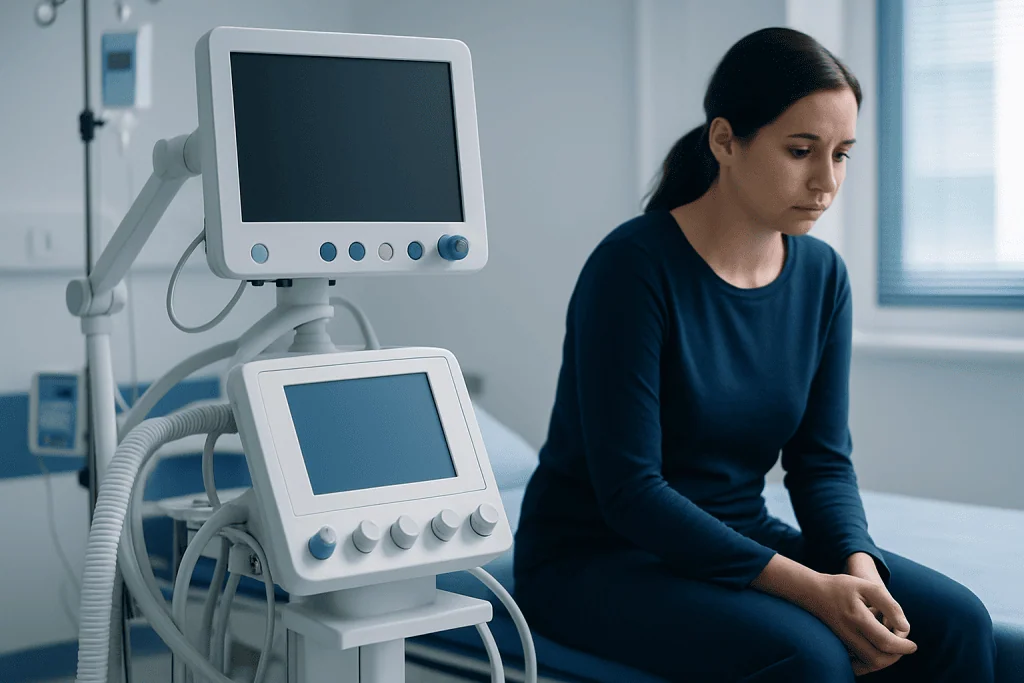
Social anxiety often goes beyond discomfort in the moment. People may spend days or weeks worrying about an upcoming event, replay conversations afterward, or assume others noticed mistakes that were not obvious. This pattern can be exhausting and may lower self-confidence over time.
Daily functioning may also be affected. A person might avoid speaking up at work, participating in class, meeting friends, dating, or attending family gatherings. In some cases, social anxiety can limit academic progress, career opportunities, or relationships because the fear of judgment becomes stronger than the wish to engage.
It is important to remember that social anxiety does not reflect weakness, lack of intelligence, or poor motivation. It is a recognized health condition. Some people with social anxiety also experience related concerns such as depression or other forms of anxiety, which can make support even more important.
Signs and symptoms
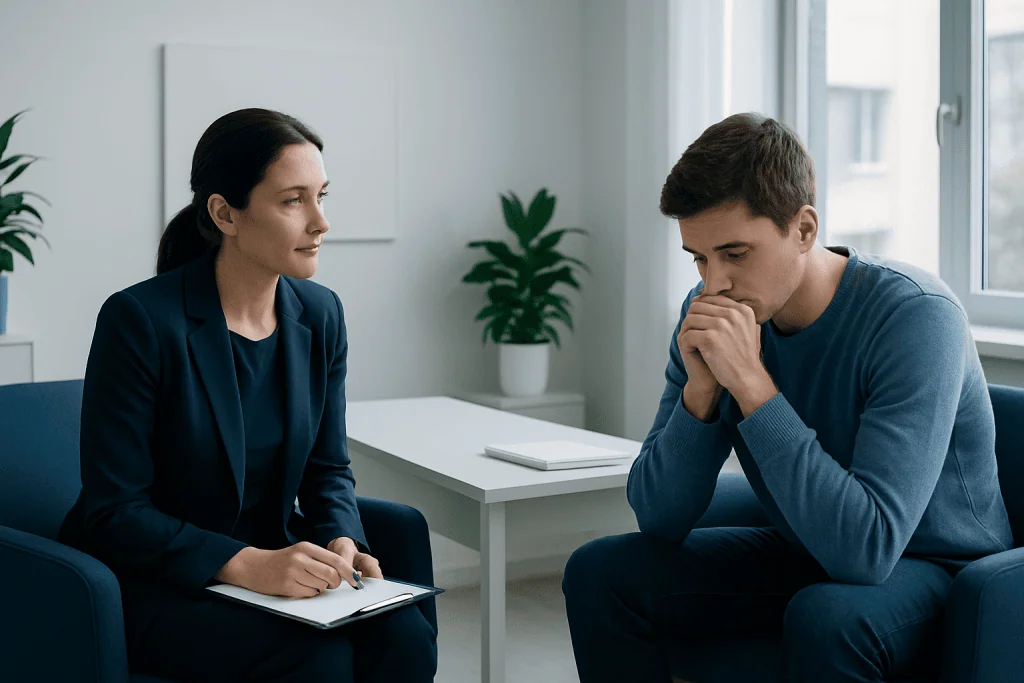
Symptoms of social anxiety can be emotional, physical, and behavioral. The exact pattern varies, but the central feature is strong fear in situations where a person may be observed or evaluated by others.
Common emotional and thought-related symptoms include fear of embarrassment, intense self-consciousness, worry about saying the wrong thing, and expecting negative judgment. Some people feel certain they will blush, tremble, or appear awkward, even when others do not notice anything unusual.
Physical symptoms can include:
- Rapid heartbeat
- Sweating
- Trembling or shaky voice
- Upset stomach or nausea
- Muscle tension
- Shortness of breath
- Dry mouth
- Blushing
Behavioral signs often include avoiding eye contact, staying quiet in groups, leaving events early, declining invitations, or relying heavily on rehearsed responses. Some people use alcohol or other substances to cope in social settings, which can lead to additional health concerns and should be discussed with a qualified clinician.
Possible causes and risk factors
Social anxiety does not have one single cause. It usually develops through a combination of biological, psychological, and environmental factors. A family history of anxiety conditions may increase risk, suggesting that genetics can play a role for some individuals.
Temperament also matters. Children and adults who are naturally more cautious, sensitive to criticism, or behaviorally inhibited may be more likely to develop social anxiety, especially if stressful experiences occur. Negative social experiences, bullying, humiliation, persistent criticism, or overprotective environments may contribute in some cases, although not everyone with social anxiety has a clear trigger.
Brain and body stress responses may also be involved. Some people seem to react more strongly to perceived social threat, even when the situation is objectively low risk. Social anxiety can occur on its own or alongside other conditions such as panic symptoms, low mood, or avoidance patterns. In a broader mental health assessment, doctors may consider related concerns including panic attacks when symptoms overlap.
How doctors diagnose social anxiety
Diagnosis starts with a conversation about symptoms, triggers, and their effect on daily life. A doctor, psychiatrist, or psychologist will usually ask when the fear began, which situations are hardest, how often avoidance occurs, and whether symptoms interfere with school, work, family life, or relationships.
The diagnosis is clinical, meaning it is based mainly on history rather than a single lab test or scan. A healthcare professional will also consider whether symptoms are better explained by another condition, substance use, medication effects, or a medical problem that can cause similar physical symptoms. This step helps ensure that treatment is targeted and safe.
Sometimes screening questionnaires are used to support the assessment, but they do not replace a professional evaluation. A thorough review may also explore sleep, mood, concentration, and substance use, since these can influence anxiety. If needed, the person may be referred for psychiatric evaluation or coordinated psychological support as part of care planning.
Treatment options and what recovery can look like
Social anxiety is treatable, and many people improve with structured care. Treatment usually depends on symptom severity, the situations involved, and whether other mental health concerns are present. The main goals are to reduce distress, improve functioning, and help the person participate more comfortably in daily life.
Psychotherapy is often a first-line approach. Cognitive behavioral therapy, or CBT, is commonly used to help people identify unhelpful thought patterns, gradually face feared situations, and learn practical coping skills. Treatment may also include social skills practice, relaxation strategies, or work on self-criticism and avoidance habits. Some people benefit from individual therapy, while others may find group-based approaches helpful when guided by an experienced clinician.
Medication may be considered when symptoms are moderate to severe, persistent, or make it hard to take part in therapy. A doctor will review the possible benefits, risks, side effects, and expected timeline for improvement. Medication choices are individualized, and follow-up is important to monitor progress and adjust treatment if needed.
Recovery does not always mean never feeling nervous again. It more often means that anxiety becomes manageable, avoidance decreases, and the person can attend school, work, social events, or important conversations with greater confidence. In some centers, coordinated mental health care may involve psychiatrists, psychologists, and other specialists working together. Near the end of the care journey, some international patients choose centers such as Acibadem International, where multidisciplinary specialists in JCI-accredited hospitals assess and treat anxiety-related conditions.
Self-care strategies that can help alongside treatment
Self-care does not replace professional treatment, but it can support progress. Small, steady steps are often more helpful than trying to force major change all at once. Building confidence usually works best when exposure to feared situations is gradual and planned rather than overwhelming.
Helpful strategies may include:
- Practicing realistic, balanced self-talk instead of assuming negative judgment
- Preparing for social situations without over-rehearsing every detail
- Using slow breathing or grounding exercises when physical anxiety rises
- Setting small, achievable social goals
- Maintaining regular sleep, physical activity, and meal patterns
- Limiting alcohol or substances used to manage anxiety
It can also help to notice patterns. Keeping a brief record of situations, thoughts, physical symptoms, and outcomes may show that feared consequences happen less often than expected. Support from trusted family members or friends can be useful when it encourages progress without pressuring the person.
If social anxiety has become severe, self-help alone may not be enough. A qualified professional can help create a plan that feels realistic and safe, especially if anxiety is linked with depression, panic, or major avoidance.
When to seek medical care
It is a good idea to seek medical care if fear of social situations is persistent, causes marked distress, or begins to interfere with work, school, relationships, or daily responsibilities. Professional help is also appropriate when a person avoids important activities because of anxiety, or when symptoms do not improve with basic self-help strategies.
Prompt evaluation is especially important if social anxiety occurs with low mood, panic symptoms, poor sleep, substance use, or physical complaints that may have another cause. If a person has thoughts of self-harm, hopelessness, or feels unable to stay safe, urgent medical or emergency support is needed right away.
Early care can make treatment easier and may prevent anxiety from becoming more entrenched. A doctor or mental health professional can clarify the diagnosis, rule out other causes, and recommend the most suitable next steps.
Frequently asked questions
Is social anxiety the same as being shy?
No. Shyness is a personality trait and may cause mild discomfort in some situations, but it does not always disrupt daily life. Social anxiety involves stronger fear, ongoing distress, and avoidance that can interfere with school, work, or relationships.
Can social anxiety go away on its own?
Some people notice symptoms ease over time, especially if stress decreases and confidence grows. However, persistent social anxiety often improves more reliably with professional treatment such as therapy, and sometimes medication.
What is the best treatment for social anxiety?
There is no single best treatment for everyone. Many people benefit from cognitive behavioral therapy, while others may need a combination of therapy and medication depending on symptom severity and personal circumstances.
How long does treatment for social anxiety take?
The timeline varies from person to person. Some individuals begin to notice improvement within weeks of structured therapy, while others need longer-term care, especially if symptoms have been present for many years or occur with other mental health conditions.
Can children and teenagers have social anxiety?
Yes. Social anxiety can begin in childhood or adolescence and may show up as school avoidance, fear of speaking in class, crying in social settings, or extreme worry about peer judgment. Early support can be very helpful.
Should a person with social anxiety avoid stressful social situations?
Avoidance may bring short-term relief, but it often keeps anxiety going in the long term. Gradual, supported exposure to feared situations is usually more helpful than complete avoidance, especially when guided by a trained professional.
References
- National Institute of Mental Health
- American Psychiatric Association
- National Health Service
- Mayo Clinic
- World Health Organization
This article is for general information only and is not a substitute for professional medical advice. Please consult a qualified doctor about your individual situation.
Explore treatments in Turkey — costs, top hospitals & a free quote
JCI-accredited · board-certified surgeons · reply within 24h
Add us as a Preferred Source to see more of our trusted health content across Google Search, AI Overviews and Discover.