Social Battery — Explained by Medical Evidence, Not Myths

Social battery is a metaphor for social energy, not a medical diagnosis. Feeling drained after socializing can be normal, especially after stress, poor sleep, or overstimulation.
Key Takeaways
- Social battery is a metaphor for social energy, not a medical diagnosis.
- Feeling drained after socializing can be normal, especially after stress, poor sleep, or overstimulation.
- A persistently low social battery may be linked with burnout, anxiety, depression, or physical illness.
- Sleep, boundaries, recovery time, and stress management often improve social stamina.
- Medical care is appropriate if social fatigue is new, severe, or affects daily life.
Social battery is a common, non-medical way to describe a person’s sense of social energy before, during, and after interacting with others. It is not a diagnosis, but noticeable changes in social stamina can sometimes reflect stress, poor sleep, burnout, anxiety, depression, or other health concerns.
What does “social battery” mean?
“Social battery” is a popular term used to describe how much energy a person feels they have for social interaction. Some people feel recharged by spending time with others, while others feel mentally tired after conversation, noise, crowds, or the effort of reading social cues. In simple terms, a “full” social battery means someone feels ready to engage; a “low” social battery means they need quiet time, rest, or less stimulation.
Medical evidence does not define social battery as a disease or formal diagnosis. Instead, it overlaps with well-studied ideas such as mental fatigue, stress response, sensory load, temperament, and the effects of sleep and mood on daily functioning. This means the phrase can be useful for self-awareness, but it should not replace evaluation when symptoms are persistent or disruptive.
Social energy varies from person to person. Personality traits such as introversion and extroversion can play a role, but they do not tell the whole story. A person who usually enjoys being around others may still feel socially depleted during a stressful period, and a quiet person may enjoy social connection in smaller or more predictable settings.
How social battery shows up in daily life
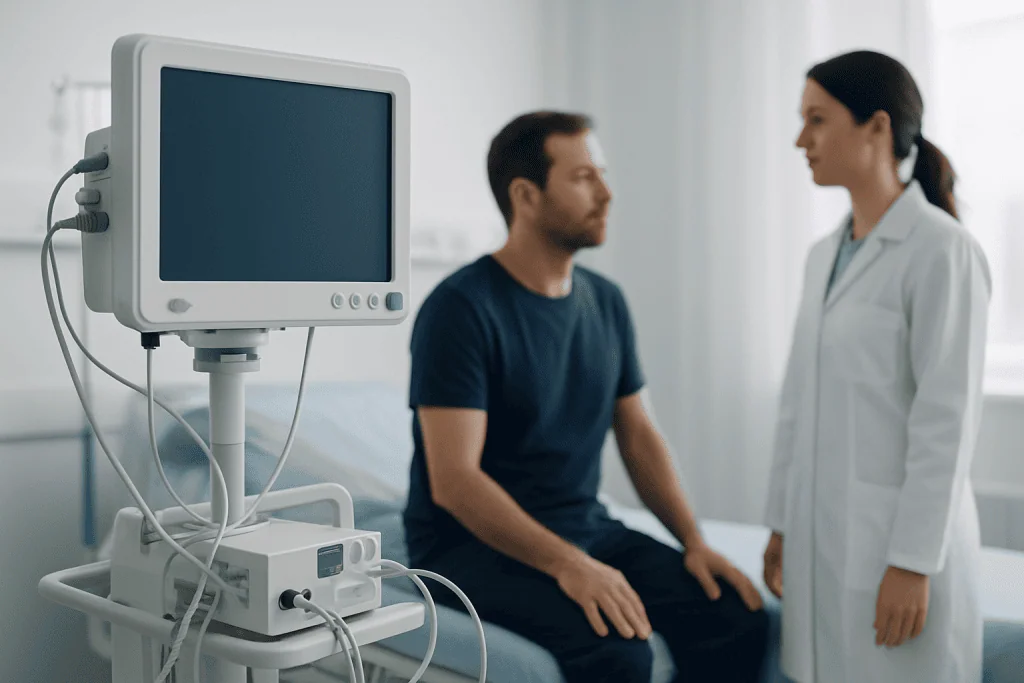
A low social battery often feels like reduced patience, slower thinking, irritability, difficulty concentrating, or a strong wish to be alone for a while. Some people notice they stop contributing to conversations, avoid eye contact, feel unusually sensitive to noise, or become overwhelmed by group settings. Others simply feel “done” and recover after rest.
This experience can be shaped by context. A crowded workplace, long video meetings, travel, family conflict, caregiving demands, or repeated small interactions can all consume social energy. Social battery may also drop faster when a person is masking discomfort, trying to appear cheerful, or managing anxiety in social situations.
Many people recover through quiet time, sleep, movement, time outdoors, or one-to-one contact instead of larger gatherings. A healthy pattern is usually flexible: social energy decreases after effort and returns with recovery. It becomes more concerning when low social stamina is prolonged, unusual for the person, or paired with emotional or physical symptoms.
What affects social energy?

Social energy is influenced by both the brain and the body. Sleep quality, stress hormones, workload, pain, nutrition, alcohol use, medications, and sensory overstimulation can all affect how much effort socializing requires. When the nervous system is already taxed, ordinary interactions may feel more demanding than usual.
Mood and mental health also matter. Anxiety can increase alertness and self-monitoring during conversations, making social contact feel tiring. Depression may reduce motivation, pleasure, and mental energy, which can lower interest in seeing others. Emotional exhaustion from chronic stress or burnout may leave little reserve for social demands.
Some neurological or medical conditions can contribute to fatigue and reduced social tolerance, especially if they affect sleep, concentration, pain, or stamina. For example, people with headaches, dizziness, or sensory sensitivity may find social settings difficult during flare-ups. In some cases, symptoms may overlap with depression or anxiety disorders, which are common and treatable conditions.
- Poor or inadequate sleep
- High stress or burnout
- Anxiety, low mood, or emotional strain
- Pain, migraines, or chronic illness
- Sensory overload from noise, light, or crowds
- Alcohol, certain medications, or substance use
- Major life changes, grief, or caregiver fatigue
When a low social battery may signal a health issue
On its own, a low social battery is usually a normal human experience. However, a clear change in social energy can sometimes be a clue that something else is going on. If a person who was previously comfortable with daily interactions now feels exhausted by even brief contact, it may be worth looking at sleep, stress, mood, and overall health.
Patterns are especially important. A temporary drop after a busy week is different from social fatigue that lasts for weeks, leads to isolation, or causes work, school, or relationship problems. Other symptoms can help guide the next step, such as persistent sadness, loss of interest, panic, poor sleep, headaches, memory problems, or feeling physically unwell.
Social withdrawal can have more than one explanation. It may reflect overstimulation and a need for rest, but it can also happen with burnout, depression, social anxiety, chronic fatigue, or other medical problems. A clinician may ask about daily routine, sleep, mood, physical symptoms, medications, and the timing of changes to understand the bigger picture.
How doctors evaluate social fatigue
There is no laboratory test or scan for “social battery.” Evaluation starts with a clinical history. A doctor may ask when the problem began, whether it is constant or situational, what improves or worsens it, and whether there are symptoms such as low mood, excessive worry, panic, poor concentration, poor sleep, pain, dizziness, or changes in appetite.
If needed, the clinician may screen for mental health conditions, sleep disorders, stress overload, substance use, or medical causes of fatigue. In some cases, blood tests or further assessment may be appropriate to look for common contributors such as anemia, thyroid problems, infection, or nutritional deficiencies. The goal is not to label personality, but to identify whether there is a treatable cause.
When symptoms point to a mood or anxiety condition, a structured mental health evaluation may be helpful. If sleep seems central to the problem, a doctor may consider assessment for sleep study evaluation or broader sleep care. When headaches, cognitive strain, or sensory sensitivity are prominent, specialists in neurology or psychology may be involved as well.
Ways to support and restore a healthy social battery
Self-care for social fatigue works best when it is practical and individualized. Many people benefit from treating social energy like a limited resource that can be planned, protected, and replenished. This can include spacing out demanding events, scheduling quiet recovery time, choosing lower-stimulation environments, and saying no when energy is already low.
Basic health habits matter more than many people expect. Good sleep, regular meals, hydration, movement, time outside, and reduced alcohol use can improve overall stamina. Stress-reduction tools such as breathing exercises, mindfulness, journaling, or short breaks between meetings may also help the nervous system reset.
If social fatigue is linked to anxiety, low mood, or burnout, professional support can make a meaningful difference. Options may include counseling, stress management, or psychotherapy to build coping skills, challenge unhelpful thought patterns, and improve emotional recovery. When a clinician identifies a medical or mental health condition, treatment is directed at that underlying cause rather than the social battery label itself.
- Protect sleep and keep a consistent routine
- Plan recovery time after demanding social events
- Prefer smaller groups or quieter settings when possible
- Use clear boundaries around work, caregiving, and digital communication
- Limit multitasking and overstimulation
- Seek help early if social fatigue is persistent or distressing
When to seek medical care
Medical advice is appropriate if a low social battery is new, severe, lasts several weeks, or interferes with work, school, family life, or basic routines. A doctor should also be consulted if social fatigue comes with persistent sadness, hopelessness, panic, major sleep problems, unexplained physical fatigue, memory concerns, or loss of interest in usual activities.
Urgent help is needed if a person has thoughts of self-harm, feels unable to stay safe, or has sudden confusion, chest pain, severe shortness of breath, or other acute symptoms. In those situations, emergency care should be sought without delay.
For people who need further assessment, a multidisciplinary approach can be helpful. Acibadem International’s specialists in mental health, neurology, and sleep medicine at JCI-accredited hospitals diagnose and treat related concerns for international patients, including support through psychiatric evaluation when symptoms suggest a treatable mental health condition.
Frequently asked questions
Is social battery a real medical condition?
No. Social battery is not a formal medical diagnosis. It is a useful everyday term for the way social interaction can feel energizing or draining, but persistent or severe changes may reflect an underlying health issue.
Why do some people feel tired after socializing?
Socializing uses attention, emotional regulation, and sensory processing. People may feel more tired after social contact if they are stressed, underslept, anxious, overstimulated, in pain, or trying hard to manage social expectations.
Does having a low social battery mean someone is introverted?
Not necessarily. Introversion can influence how a person prefers to recharge, but anyone can feel socially drained under the right circumstances. Stress, health problems, and life demands can affect social energy regardless of personality type.
Can anxiety or depression lower social battery?
Yes. Anxiety can make social situations feel effortful and exhausting, while depression can reduce motivation, energy, and enjoyment. If these symptoms are ongoing, professional evaluation is worthwhile because both conditions are treatable.
How can someone recharge their social battery?
Recovery often includes quiet time, good sleep, regular meals, hydration, movement, and time away from overstimulating settings. Many people also benefit from setting boundaries, choosing smaller gatherings, and spacing out demanding events.
When should someone worry about social exhaustion?
It is worth medical attention if social exhaustion is a clear change from usual, lasts for weeks, or interferes with daily life. It also deserves evaluation if it appears with sadness, panic, major sleep changes, memory problems, or unexplained physical fatigue.
This article is for general information only and is not a substitute for professional medical advice. Please consult a qualified doctor about your individual situation.
Explore treatments in Turkey — costs, top hospitals & a free quote
JCI-accredited · board-certified surgeons · reply within 24h
Add us as a Preferred Source to see more of our trusted health content across Google Search, AI Overviews and Discover.

More from the Health Library

Gut Cleanse Detox: What Patients Need to Know

Urethral Diverticulum — Explained by Medical Evidence, Not Myths
Itching Inside Throat: An Evidence-Based Guide for Patients

Cold Feeling in Chest: An Evidence-Based Guide for Patients

Whole Grain Cereal — Explained by Medical Evidence, Not Myths