Sociopath: A Complete Medical Overview

“Sociopath” is a popular term, while antisocial personality disorder is the recognized medical diagnosis. Diagnosis is based on long-term behavior patterns, history, and professional psychiatric assessment.
Key Takeaways
- “Sociopath” is a popular term, while antisocial personality disorder is the recognized medical diagnosis.
- Diagnosis is based on long-term behavior patterns, history, and professional psychiatric assessment.
- Treatment can help improve safety, impulse control, and functioning, even though personality patterns may be longstanding.
- Early support for behavior problems, substance misuse, and trauma may reduce harm and improve outcomes.
- Urgent medical or psychiatric help is important if there is risk of violence, self-harm, or severe substance-related problems.
A sociopath is not a formal medical diagnosis. In clinical practice, the term is often used to describe antisocial personality disorder, a mental health condition involving a persistent pattern of disregarding other people’s rights, social norms, and responsibilities.
Overview
A sociopath is commonly understood as a person who shows a repeated lack of respect for others’ rights, rules, or feelings. However, “sociopath” is not an official medical diagnosis. Mental health professionals more often evaluate whether the person meets criteria for antisocial personality disorder, which describes a long-term pattern of deceit, impulsivity, irresponsibility, aggression, or disregard for safety and social expectations.
This topic can be confusing because everyday language often uses “sociopath” loosely or inaccurately. Not everyone who is rude, selfish, or emotionally distant has a personality disorder. A diagnosis requires persistent patterns that affect work, relationships, legal behavior, or daily functioning, and it must be assessed carefully by a qualified clinician.
People with antisocial traits are sometimes misunderstood as being beyond help. In reality, support may reduce harmful behaviors, improve decision-making, and address related concerns such as substance misuse, depression, trauma, or anger problems. Because this condition overlaps with other mental health issues, a full psychiatric evaluation is important.
Signs and Symptoms
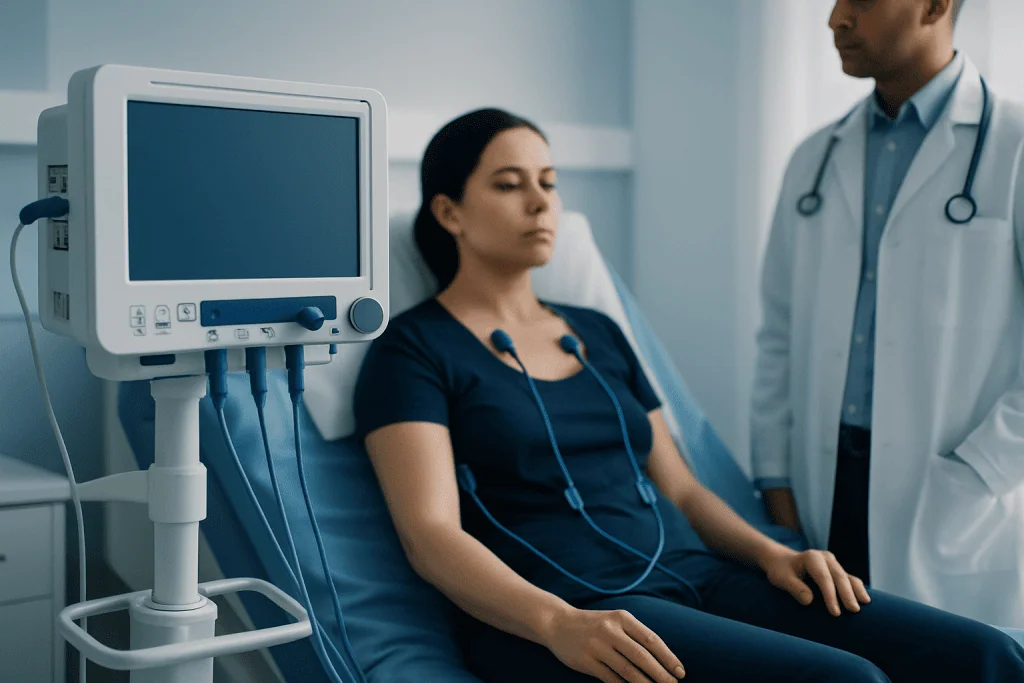
When people ask about sociopath symptoms, they are usually referring to behaviors linked with antisocial personality disorder. These can vary in severity and may appear differently from one person to another. The pattern is generally long-standing rather than occasional.
Common signs may include repeated lying, manipulation, violating rules, acting without considering consequences, irritability, aggression, and failing to meet responsibilities at work, school, or home. Some people seem charming on the surface but repeatedly exploit others for personal gain. Others may show little remorse after harming someone, financially, emotionally, or physically.
Emotional expression can also be affected. A person may appear indifferent to others’ distress, have shallow emotional responses, or blame others for their own actions. At the same time, this does not mean every individual is violent. Some mainly struggle with impulse control, risky behavior, unstable relationships, or trouble following social and legal boundaries.
- Repeated deceit or manipulation
- Persistent disregard for rules and laws
- Impulsive or reckless behavior
- Irritability or aggression
- Irresponsibility in work, finances, or family roles
- Little apparent guilt after harmful actions
What Causes It and Who Is at Risk?

There is no single cause of antisocial personality disorder. Most experts view it as the result of several interacting factors, including genetics, brain development, early environment, and life experiences. A family history of personality disorders, mood disorders, or substance use disorders may increase vulnerability, but it does not determine a person’s future on its own.
Childhood experiences can play an important role. Exposure to neglect, unstable caregiving, abuse, violence, or severe family conflict is linked with later behavior problems in some individuals. Early conduct problems, such as repeated aggression, cruelty, destruction of property, theft, or serious rule-breaking, may be warning signs that deserve professional attention.
Substance misuse can worsen antisocial behaviors by increasing impulsivity, poor judgment, and conflict with others. Some people with this pattern may also have coexisting mental health concerns such as anxiety, depression, trauma-related symptoms, or obsessive-compulsive disorder, which can complicate assessment. Because behavior is shaped by many influences, each person needs an individualized evaluation rather than assumptions based on labels.
How Doctors Diagnose a Sociopath
There is no blood test, brain scan, or single checklist that can diagnose a sociopath. A psychiatrist or other qualified mental health professional makes the diagnosis by reviewing behavior patterns over time, personal history, family history, and the impact on work, relationships, and daily life. The formal diagnosis often considered is antisocial personality disorder.
Assessment may include interviews, psychological questionnaires, and information from previous medical records or, when appropriate, family members. Clinicians also look for signs that the behavior began earlier in life, because personality disorders usually reflect long-term patterns rather than a short-term change in personality.
An important part of diagnosis is ruling out other explanations. Substance intoxication, head injury, bipolar disorder, psychotic disorders, trauma-related conditions, and certain neurological illnesses can affect behavior and judgment. In some cases, a person may be referred for broader psychiatric evaluation and care to understand overlapping symptoms and decide on the safest treatment plan.
Treatment Options and Long-Term Support
There is no single medicine that “cures” antisocial personality disorder, but treatment can still be useful. Care usually focuses on reducing harmful behaviors, improving impulse control, strengthening problem-solving skills, and treating related conditions such as addiction, anxiety, depression, or sleep problems. The best plan depends on the individual’s risks, motivation, support system, and coexisting diagnoses.
Psychotherapy is often the main treatment. Structured approaches may help a person examine patterns of thinking, recognize the consequences of actions, and learn safer ways to manage anger, conflict, and impulsive decisions. Family involvement may sometimes be helpful, especially when boundaries, safety planning, or support for children and partners is needed. Some patients also benefit from psychological therapy and behavioral support.
Medication may be used for associated symptoms rather than for the personality disorder itself. For example, treatment may target severe irritability, depression, anxiety, or coexisting conditions such as depression. If substance misuse is present, it should be treated actively because it can strongly worsen behavior, judgment, and risk. In more complex cases, a team including psychiatry, psychology, neurology, and addiction specialists may be involved.
Near the end of the care pathway, some international patients seek coordinated assessment in specialized centers. Acibadem International’s multidisciplinary specialists and JCI-accredited hospitals evaluate and treat mental health conditions, including complex personality-related concerns, with individualized planning.
Self-Care, Family Support, and Risk Reduction
Self-care for this condition is not only about the individual; it often also involves family members, partners, and caregivers. Clear boundaries, realistic expectations, and consistent consequences can reduce conflict. Loved ones should avoid trying to manage severe behavior alone if there is intimidation, violence, or significant emotional harm.
For the person receiving care, progress is more likely when treatment is regular and practical. Avoiding alcohol or recreational drugs, keeping structured routines, managing sleep, and attending therapy consistently may help reduce impulsive behavior. If there are legal, financial, or employment problems, support from social services or rehabilitation teams may also be useful.
Families sometimes need their own mental health support, especially if trust has been damaged over time. Counseling can help loved ones understand the condition, protect their wellbeing, and learn safe communication strategies. When emotional regulation is a major issue, doctors may also suggest therapies used in broader mental health treatment programs if they fit the patient’s needs.
When to Seek Medical Care
Medical or psychiatric care should be sought when a person’s behavior is causing repeated harm, legal problems, unsafe risk-taking, aggression, severe conflict at home, or major difficulties at work or school. Evaluation is also important if there is frequent lying, exploitation, lack of remorse, or chronic impulsivity that appears persistent rather than situational.
Urgent help is needed if there are threats of violence, self-harm, suicidal thoughts, severe intoxication, or inability to control dangerous behavior. Emergency services or immediate psychiatric assessment may be the safest step in these situations. Children and teenagers with serious conduct problems should also be assessed early, since timely intervention may improve future outcomes.
It can be difficult for families to know whether troubling behavior reflects a mental health disorder, substance use, a temporary crisis, or a personality pattern. A qualified doctor or mental health professional can help clarify the cause and guide next steps in a respectful, evidence-based way.
Frequently asked questions
Is sociopath a real medical diagnosis?
No. “Sociopath” is a commonly used term, but it is not an official diagnosis in modern psychiatric classification. Clinicians more often assess for antisocial personality disorder when this pattern of behavior is present.
What is the difference between a sociopath and a psychopath?
In everyday language, these words are often used interchangeably, but neither is a formal diagnosis. In medical settings, doctors focus on specific traits and behaviors, such as lack of remorse, deceit, impulsivity, aggression, and rule-breaking, rather than using these labels alone.
Can a sociopath feel emotions?
Some people with antisocial traits can experience emotions, but they may have difficulty with empathy, guilt, or emotional depth in relationships. Emotional expression varies widely, so no single description fits every person.
Can antisocial personality disorder be treated?
Treatment may not change personality overnight, but it can help reduce harmful behaviors and improve daily functioning. Therapy, treatment for substance misuse, and care for related mental health conditions can all be important parts of support.
Are all sociopaths violent?
No. Violence is not present in every case. Some people mainly show manipulation, irresponsibility, dishonesty, or impulsive behavior without physical aggression, although risk should always be assessed individually.
When is behavior serious enough to need urgent help?
Urgent help is needed if there are threats of violence, self-harm, suicidal thoughts, severe substance intoxication, or behavior that puts others in immediate danger. In those situations, emergency evaluation is appropriate.
References
- American Psychiatric Association
- National Institute of Mental Health
- National Health Service
- Mayo Clinic
- World Health Organization
This article is for general information only and is not a substitute for professional medical advice. Please consult a qualified doctor about your individual situation.
Explore treatments in Turkey — costs, top hospitals & a free quote
JCI-accredited · board-certified surgeons · reply within 24h
Add us as a Preferred Source to see more of our trusted health content across Google Search, AI Overviews and Discover.