Socks: A Complete Medical Overview

Socks help reduce friction, absorb or move moisture, and protect the skin from pressure and rubbing. Material, fit, seam placement, and thickness all affect comfort and foot health.
Key Takeaways
- Socks help reduce friction, absorb or move moisture, and protect the skin from pressure and rubbing.
- Material, fit, seam placement, and thickness all affect comfort and foot health.
- Certain people, including those with diabetes, poor circulation, or sensitive skin, may need specialized socks.
- Compression socks should be used thoughtfully and are best chosen with medical guidance when circulation problems are present.
- Persistent pain, swelling, numbness, wounds, or signs of infection in the feet should be assessed by a doctor.
Socks are more than a clothing item: they help protect the feet, manage moisture, reduce friction, and sometimes provide medical support. The right socks can improve comfort and skin health, while the wrong pair may contribute to irritation, odor, or foot problems in some people.
Overview: what socks do for foot health
Socks are designed to create a protective layer between the skin and footwear. In everyday use, they help reduce friction, cushion pressure points, and manage sweat. This simple barrier can make walking more comfortable and can lower the chance of common problems such as blisters, mild skin irritation, and unpleasant odor.
From a medical perspective, socks can also support skin integrity. By helping keep the feet drier and reducing repetitive rubbing, they may lower the risk of cracked skin and soft tissue irritation. For some people, specialized socks are part of a broader care plan, especially when there is a need to reduce pressure, improve warmth, or provide gentle compression.
Not all socks serve the same purpose. Athletic socks, everyday dress socks, diabetic socks, and compression socks are made with different materials, fits, and construction details. Understanding these differences can help a person choose socks that match activity level, climate, footwear, and any underlying health concerns.
How socks affect comfort, skin, and circulation
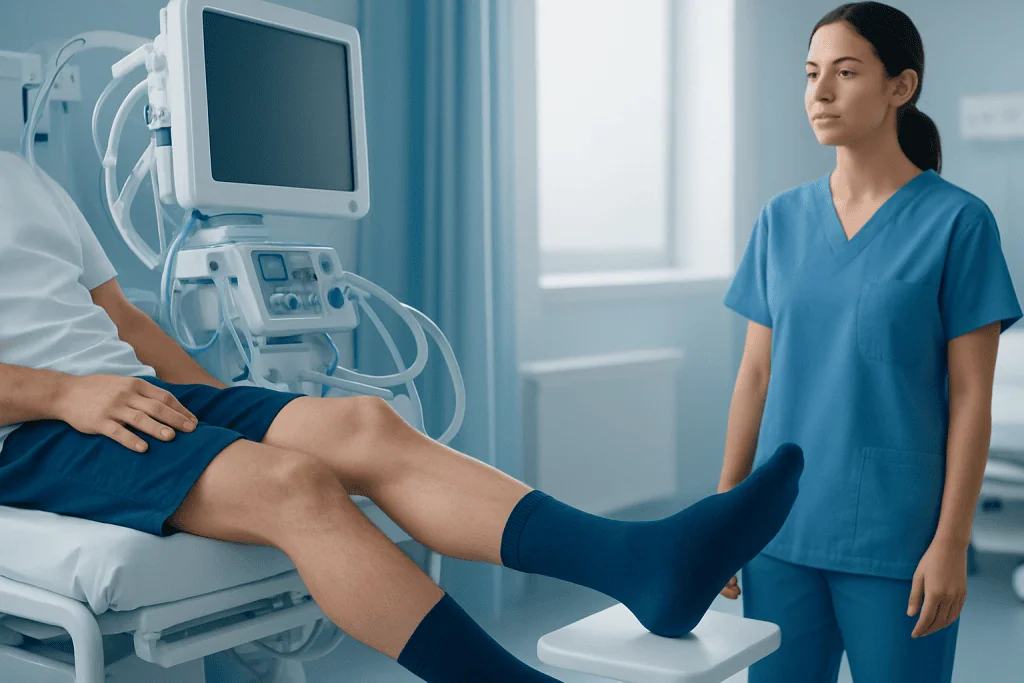
The main way socks protect the feet is by limiting friction. When skin repeatedly rubs against a shoe, the outer layers can separate and fill with fluid, creating a blister. A well-fitted sock can reduce this rubbing and improve comfort during walking, exercise, or long periods of standing.
Socks also affect moisture control. Feet naturally sweat, and moisture trapped inside shoes can soften the skin and make irritation more likely. It can also create an environment that favors odor and fungal growth. Fabrics that wick moisture away from the skin may help keep feet drier than materials that hold sweat.
Some socks are made to support circulation or reduce swelling. Compression socks apply graduated pressure, usually tighter at the ankle and less tight higher up the leg. They may be recommended for certain circulation concerns, prolonged travel, or recovery plans, but they are not suitable for everyone. People with significant artery disease or unexplained leg symptoms should seek medical advice before using them.
Temperature matters too. Warm socks can help maintain comfort in cold conditions, but socks that are too thick for the shoe may increase pressure and rubbing. The healthiest choice is usually a sock that fits smoothly, matches the shoe, and supports the foot’s daily needs without squeezing or bunching.
Common problems linked to socks
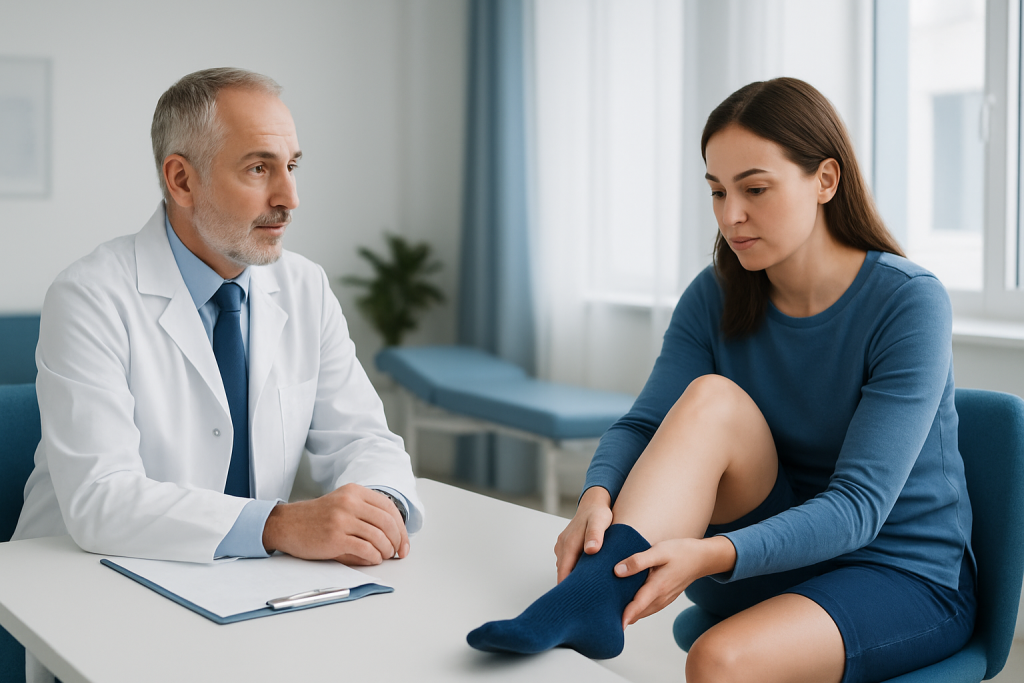
When socks do not fit properly, they can contribute to several foot complaints. Tight socks may leave marks on the skin, feel restrictive, or worsen pressure over toes and nails. Loose socks can wrinkle or slide, increasing friction. Prominent seams may irritate sensitive areas, especially over the toes.
Moisture-retaining socks can contribute to odor, skin maceration, and fungal conditions such as athlete's foot. In warm weather or during sports, damp socks left on for long periods may increase the chance of itchy, peeling skin. In people prone to eczema or contact sensitivity, certain dyes, fibers, or detergents may also trigger irritation.
Another issue is pressure distribution. Socks that are bulky inside a tight shoe can increase rubbing on the heel, little toe, or ball of the foot. Over time, this may contribute to blisters, calluses, or discomfort. If socks repeatedly leave tender areas, it may signal that the sock-shoe combination needs to be changed.
People with diabetes, neuropathy, or reduced circulation need extra caution. A small area of friction may go unnoticed if sensation is reduced, and minor skin damage can become more serious if healing is slow. In these situations, careful daily foot checks and appropriate sock choice are especially important.
Choosing the right socks
The best socks depend on how they will be used. For daily wear, a soft, breathable sock with a secure but non-restrictive cuff is often enough. For sports, many people prefer moisture-wicking fabrics and added cushioning in high-impact areas. For colder conditions, warmth matters, but socks should still allow enough room inside the shoe.
Fit is one of the most important features. Socks should lie flat against the skin without bunching, slipping, or digging in. Toe seams should be smooth, and the heel cup should align with the heel. A sock that is too small may compress the toes, while one that is too large can crease and rub.
Material also influences comfort. Cotton is common and comfortable for many people, but it may hold moisture when feet sweat heavily. Wool blends and technical synthetic fibers often move moisture away from the skin more efficiently. People with sensitive skin may benefit from trying different fabrics and using fragrance-free detergents if irritation is suspected.
Specialized options are available for medical needs. Diabetic socks are usually designed with soft construction, minimal seams, and less constriction. Compression socks may be recommended as part of varicose veins treatment or swelling management. If foot deformity, ulcers, or pressure-related problems are present, a doctor may also suggest podiatric assessment, shoe modification, or care related to diabetic foot treatment.
Socks for people with diabetes, sensitive skin, or foot conditions
For people with diabetes, socks are part of preventive foot care rather than a minor wardrobe choice. Reduced sensation, dry skin, and slower healing can make small injuries more significant. Socks that are soft, non-binding, and free of rough internal seams may help reduce avoidable friction. Daily inspection of the feet remains essential, even when appropriate socks are worn.
People living with swelling, venous problems, or long periods of immobility may be advised to use compression socks. These garments should fit correctly to be effective and comfortable. They should not be painfully tight, and they should be used according to a clinician’s guidance when there are underlying circulation disorders, leg ulcers, or unexplained swelling.
Sensitive skin, eczema, fungal infections, and thickened nails can all influence sock choice. Breathable, moisture-managing socks may help reduce dampness, while changing socks promptly after exercise can support skin care. If fungal symptoms persist or nails become discolored or thickened, medical evaluation may be helpful, including assessment for related concerns such as toenail fungus.
People with recurring heel pain, arch pain, or pressure-related discomfort may also need their footwear reviewed. Socks can improve comfort, but they cannot correct all causes of foot pain. Sometimes the more important issue is shoe fit, walking mechanics, or a structural condition that needs diagnosis.
Care, hygiene, and self-care tips
Good sock habits support overall foot hygiene. Socks should usually be changed daily, and more often after sports, sweating, or getting wet. Clean, dry socks help limit odor and reduce prolonged moisture exposure. Shoes should also be allowed to dry fully between uses when possible.
Washing practices matter for skin-sensitive people. Using mild detergent and rinsing thoroughly may help reduce irritation from residue. If a person reacts to wool, elastic, dyes, or synthetic fibers, switching materials can be useful. Socks that have lost their shape, become rough, or developed thick seams with wear may be less comfortable and worth replacing.
General foot self-care works best alongside proper socks. Helpful steps include washing and drying the feet carefully, especially between the toes, moisturizing dry skin while avoiding excess cream between toes, trimming nails safely, and checking for redness, cracks, blisters, or pressure marks. Those with diabetes or poor vision may need assistance with daily checks.
- Choose socks that match the activity and shoe type.
- Change socks after exercise or when damp.
- Avoid socks that bunch, slip, or leave deep marks.
- Inspect the inside of socks for rough seams or foreign objects.
- Seek advice if skin changes keep returning despite good hygiene.
When to seek medical care
Most sock-related issues, such as mild rubbing or occasional odor, improve with better fit, hygiene, and footwear choices. Medical care is important, however, when symptoms are persistent, severe, or associated with an underlying health condition. Early assessment can help prevent a small foot problem from becoming harder to treat.
A doctor should evaluate ongoing blisters, cracked skin, bleeding, swelling, numbness, color change, warmth, discharge, or wounds that do not heal. Foot pain that affects walking, repeated fungal infections, or swelling in one leg also deserves professional attention. People with diabetes, peripheral neuropathy, or circulation problems should not delay assessment if there is any skin breakdown or sign of infection.
Depending on the cause, evaluation may involve skin examination, circulation assessment, nerve testing, and review of footwear. Treatment can range from topical therapy and dressing care to advice on shoe selection, orthotics, or specialist management. In international care settings, Acibadem International’s multidisciplinary specialists and JCI-accredited hospitals assess foot and circulation problems and provide individualized treatment plans for suitable patients.
Frequently asked questions
Are socks important for foot health?
Yes. Socks help protect the skin, reduce friction from shoes, and manage moisture. The right pair can improve comfort and lower the chance of blisters and irritation.
What type of socks are best for sweaty feet?
Many people do well with moisture-wicking socks made from wool blends or technical synthetic fabrics. These materials may keep feet drier than fabrics that tend to hold sweat. Changing socks promptly after exercise or heavy sweating also helps.
Can tight socks cause problems?
They can. Socks that are too tight may leave marks, increase pressure, and feel uncomfortable, especially around the toes or calves. In people with circulation issues or sensitive skin, poorly fitting socks may contribute to irritation and should be avoided.
Do people with diabetes need special socks?
Not everyone with diabetes must use a special sock, but careful sock choice is important. Soft, non-binding socks with minimal seams may reduce friction and pressure. Daily foot checks and properly fitted shoes are just as important as the socks themselves.
When should compression socks be used?
Compression socks are often used to help manage swelling or venous problems and may also be advised during travel or recovery in some situations. They should fit correctly and may not be suitable for everyone. A clinician can advise on the safest type and level of compression for an individual's needs.
Can socks cause athlete's foot or fungal infections?
Socks do not directly cause fungal infection, but damp socks and shoes can create conditions that make fungal growth more likely. Wearing breathable socks, changing them when wet, and keeping feet dry can help reduce risk.
References
- American Academy of Dermatology
- American Diabetes Association
- National Institute of Diabetes and Digestive and Kidney Diseases
- National Health Service
- Centers for Disease Control and Prevention
This article is for general information only and is not a substitute for professional medical advice. Please consult a qualified doctor about your individual situation.
Explore treatments in Turkey — costs, top hospitals & a free quote
JCI-accredited · board-certified surgeons · reply within 24h
Add us as a Preferred Source to see more of our trusted health content across Google Search, AI Overviews and Discover.

More from the Health Library



Related Specialists

Assoc. Prof. Dr. Emel Ur Özçelik
Neurology
Dr. Serap Gülşeni
Occupational Medicine
Assoc. Prof. Dr. Lütfiye Uygur
Gynecology & Obstetrics
Prof. Dr. Bülent Kısacıkoğlu
Cardiovascular Surgery